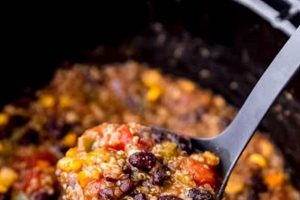
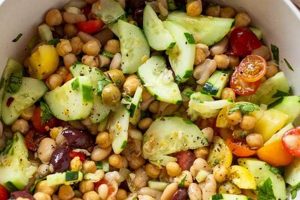
Dishes that merge plant-based ingredients with the flavors, techniques, and culinary traditions of Mexican cuisine are increasingly prevalent. These dishes exclude all animal products, including meat, dairy, and eggs, while retaining the characteristic spices, textures, and vibrant presentation associated with the region’s food heritage. An example of such a dish might be tacos filled with seasoned jackfruit, topped with a cashew-based crema and a salsa verde made from tomatillos and cilantro.
The appeal of this culinary approach stems from several factors, including growing awareness of the environmental and ethical implications of animal agriculture, as well as increasing interest in healthier eating patterns. Historically, Mexican cuisine already incorporated a significant amount of plant-based ingredients, such as corn, beans, avocados, and various vegetables. Adapting traditional recipes to exclude animal products therefore often involves substituting ingredients rather than completely reimagining the dish.
Subsequent sections will explore diverse preparations featuring beans, vegetables, and plant-based protein sources in the context of this food genre. These examples will illustrate the versatility and flavor potential of meat-free adaptations across a range of familiar Mexican dishes, highlighting both classic approaches and innovative interpretations.
Crafting Authentic Meat-Free Mexican Meals
Achieving the authentic flavors of Mexican cuisine without animal products requires careful attention to detail and ingredient selection. The following tips offer guidance for successfully creating delicious and satisfying dishes.
Tip 1: Embrace Variety of Chiles: Understand the nuances of different dried chiles, such as ancho, guajillo, and chipotle. Each imparts a unique level of heat and flavor complexity, essential for building authentic Mexican flavor profiles.
Tip 2: Master the Art of Homemade Salsas: Prepared salsas often lack the depth and freshness of homemade versions. Experiment with roasting or broiling tomatoes, onions, and peppers before blending to enhance their sweetness and smokiness.
Tip 3: Utilize High-Quality Spices: Opt for whole spices and grind them fresh whenever possible. Cumin, coriander, oregano, and cloves contribute significantly to the characteristic aroma and taste of Mexican food.
Tip 4: Leverage Plant-Based Protein Sources: Explore diverse plant-based protein options beyond tofu. Jackfruit, lentils, beans (black, pinto, kidney), and tempeh can effectively mimic the texture and heartiness of meat in various dishes.
Tip 5: Develop Vegan Cheese Alternatives: Experiment with cashew-based creams, nutritional yeast sauces, and other vegan cheese substitutes to provide the creamy texture and savory flavor typically found in traditional Mexican cuisine.
Tip 6: Employ Mexican Cooking Techniques: Familiarize yourself with cooking methods like braising, slow-cooking, and grilling to replicate the textures and flavors achieved in conventional Mexican dishes.
Tip 7: Consider the Source of Vegetables: Sourcing local and seasonal vegetables, when feasible, intensifies the flavors and provides a more authentic representation of Mexican culinary traditions.
By incorporating these strategies, one can successfully produce flavorful and satisfying recreations of Mexican classics, while adhering to a plant-based diet. The emphasis on fresh ingredients, traditional techniques, and a deep understanding of flavor profiles will result in meals that are both authentic and delicious.
The subsequent sections will delve into specific recipes and meal ideas that showcase the application of these tips, demonstrating the broad scope and creative possibilities within this culinary field.
1. Ingredient substitutions

The conversion of traditional Mexican recipes to meet plant-based dietary requirements necessitates strategic substitutions of animal-derived ingredients. The success of a vegan adaptation hinges on the selection of appropriate alternatives that maintain the flavor profile, texture, and overall culinary integrity of the original dish.
- Meat Replacements
The most common substitution involves replacing meat with plant-based alternatives. Options include jackfruit (which mimics the texture of pulled pork), seasoned lentils (suitable for tacos and enchiladas), tempeh (a fermented soybean product that can be crumbled and used in place of ground beef), and various commercially produced meat substitutes. The key is to select an ingredient with a complementary texture and the ability to absorb flavors from spices and sauces.
- Dairy Alternatives
Dairy products, such as cheese and sour cream, play a significant role in many Mexican dishes. Replacing these requires careful consideration of both flavor and texture. Cashew cream, made from blended soaked cashews, offers a rich and creamy substitute for sour cream. Nutritional yeast can be used to create a cheese-like flavor in sauces and toppings. Commercially available vegan cheeses can also be used, although their flavor and melting properties may vary.
- Egg Substitutes
Eggs are sometimes used in Mexican cuisine as a binder or to add richness. When necessary, egg substitutes can include flax eggs (a mixture of ground flaxseed and water) or commercially available egg replacement products. Tofu can also be used in some recipes, such as vegan versions of huevos rancheros or breakfast burritos.
- Lard and Animal Fat Replacements
Traditional Mexican cooking often utilizes lard for frying and flavor enhancement. Replacing lard with vegetable oils, such as canola or coconut oil, or plant-based butter alternatives is essential for vegan adaptations. Careful selection of the oil type can impact the final flavor profile of the dish.
The skillful implementation of these substitutions allows for the creation of dishes that capture the essence of authentic Mexican cuisine while adhering to a vegan lifestyle. The effectiveness of these substitutions depends not only on the selection of suitable replacements but also on the appropriate seasoning and cooking techniques to achieve a comparable sensory experience.
2. Flavor Replication

Flavor replication represents a critical aspect of successfully adapting Mexican cuisine for a vegan diet. The objective is to recreate the complex and layered flavors characteristic of traditional Mexican dishes while excluding all animal products. This process necessitates a deep understanding of the original flavor profiles and the strategic utilization of plant-based ingredients to mimic those nuances.
- Spice Blends and Aromatics
The strategic use of spice blends is paramount. Instead of relying on the inherent flavors of meat or dairy, emphasis shifts to building depth and complexity with spices such as cumin, coriander, oregano, smoked paprika, and various chili powders. Precise ratios and careful layering of these spices are crucial for replicating the authentic taste. For example, a blend of ancho chili powder, cumin, and garlic powder can approximate the savory depth often found in dishes traditionally containing beef.
- Umami Enhancement
Umami, the savory taste often associated with meat and cheese, must be replicated using plant-based sources. Ingredients like mushrooms (especially dried shiitake), tomatoes (particularly roasted), nutritional yeast, and soy sauce contribute umami notes. In the context of a plant-based enchilada sauce, for instance, using a combination of roasted tomatoes, chili powder, and a small amount of soy sauce can provide the savory depth typically derived from meat-based broths.
- Acidity and Brightness
Balancing flavors with acidity and brightness is essential to prevent dishes from becoming heavy or one-dimensional. Lime juice, vinegar, and pickled vegetables (such as pickled onions or jalapeos) add crucial acidity. Fresh cilantro, a ubiquitous ingredient in Mexican cuisine, provides a bright, herbal note that complements richer flavors. A squeeze of lime over vegan tacos, for example, brightens the overall flavor profile and adds a necessary contrast to the richness of the filling.
- Smoke and Char
Smoked flavors are commonly found in Mexican cuisine, often imparted by grilling or charring ingredients. These flavors can be replicated in a vegan setting by grilling vegetables over an open flame, using smoked paprika, or adding a small amount of liquid smoke to sauces and marinades. Charring bell peppers before adding them to a fajita mixture introduces a smoky depth that mimics the flavors achieved with grilled meat.
The effective implementation of these techniques allows for the successful “vegan recipe mexican”. By focusing on spices, umami, acidity, and smoke, one can create plant-based dishes that capture the essence of Mexican flavor and tradition. The successful adaptation hinges on a deep understanding of both the traditional flavor profiles and the potential of plant-based ingredients to recreate them.
3. Traditional Techniques

The adaptation of Mexican cuisine for a vegan context necessitates a nuanced understanding and application of traditional culinary techniques. These methods, developed over centuries, contribute significantly to the flavor, texture, and overall authenticity of the dishes. Utilizing these techniques, with appropriate ingredient modifications, is critical for successfully creating plant-based versions that capture the essence of the original recipes.
- Nixtamalization
Nixtamalization, the process of treating corn with an alkaline solution, is foundational to many Mexican dishes. This technique not only softens the corn for grinding into masa (used for tortillas, tamales, and other staples) but also increases its nutritional value and imparts a distinct flavor. In a vegan setting, maintaining this process is crucial for achieving authentic texture and taste in corn-based dishes. While the process itself remains unchanged, ensuring the lime used is vegan-friendly (avoiding any animal-derived additives) is essential.
- Comal Cooking
The comal, a flat griddle traditionally made of clay, plays a vital role in toasting spices, roasting vegetables, and cooking tortillas. Using a comal (or a similar flat-top cooking surface) imparts a unique smoky flavor and crisp texture that is difficult to replicate with other methods. When preparing dishes, employing a comal to toast spices before grinding them, or to char vegetables before adding them to salsas, contributes significantly to the authentic flavor profile. For instance, roasting tomatoes and peppers on a comal before blending them into a salsa yields a more complex and nuanced flavor compared to baking or boiling.
- Slow Cooking and Braising
Many traditional Mexican dishes rely on slow cooking or braising to develop deep, complex flavors and tender textures. Techniques such as braising meats in adobo sauce or slow-cooking beans with herbs and spices are fundamental to the cuisine. In a vegan context, slow cooking is equally important for developing the flavors of plant-based ingredients. For example, jackfruit can be slow-cooked in a chili-based sauce to replicate the texture and flavor of pulled pork, or lentils can be simmered with aromatics and spices to create a rich and flavorful filling for tacos or enchiladas.
- Molcajete Preparation
The molcajete, a traditional volcanic stone mortar and pestle, is used to grind spices and prepare salsas. Using a molcajete not only imparts a unique texture to the salsa but also releases the essential oils of the spices, enhancing their flavor. While a blender can be used as an alternative, the molcajete provides a more rustic and authentic texture and flavor. Grinding spices in a molcajete before adding them to a sauce or marinade intensifies their aroma and contributes to a more complex and nuanced flavor profile.
These techniques, when thoughtfully applied, bridge the gap between conventional Mexican cuisine and its plant-based adaptations. By preserving these methods, the resultant vegan dishes retain the essence of Mexican culinary traditions, offering a flavorful and authentic experience that respects both heritage and dietary choices.
4. Nutritional balance
The intersection of nutritional balance and plant-based Mexican cuisine presents a unique set of considerations. While traditional Mexican fare often incorporates nutrient-rich ingredients like beans, corn, and vegetables, conventional preparations frequently include significant amounts of animal products, saturated fats, and refined carbohydrates. Adapting these recipes to a plant-based format offers the potential to enhance nutritional profiles, provided that careful attention is paid to specific nutrient needs. The absence of animal products necessitates a conscious effort to ensure adequate intake of protein, iron, calcium, vitamin B12, and omega-3 fatty acids. For instance, replacing meat fillings in tacos with lentils or tempeh provides a substantial protein source and dietary fiber, while incorporating fortified plant-based milk alternatives ensures sufficient calcium and vitamin B12 intake. Failure to address these nutritional considerations can lead to deficiencies, negating the potential health benefits of a plant-based diet.
Maintaining nutritional equilibrium in a plant-based Mexican dietary pattern involves a multi-faceted approach. Utilizing a variety of plant-based protein sources, such as beans, lentils, tofu, tempeh, and nuts, ensures a complete amino acid profile. Consuming iron-rich foods, such as spinach, beans, and fortified cereals, in combination with vitamin C-rich sources (e.g., bell peppers, tomatoes) enhances iron absorption. Incorporating flaxseeds, chia seeds, or walnuts provides omega-3 fatty acids, while calcium-set tofu or fortified plant-based beverages address calcium requirements. Thoughtful meal planning, incorporating diverse ingredients, and supplementing where necessary are critical components of this process. Consider a vegan enchilada dish: choosing whole-wheat tortillas, filling them with black beans, corn, and sauted vegetables, and topping them with a cashew-based cream sauce fortified with nutritional yeast can provide a balanced combination of protein, fiber, healthy fats, and essential vitamins and minerals.
In summary, achieving nutritional balance within a plant-based Mexican diet requires a proactive and informed approach. While the transition to plant-based recipes can reduce saturated fat and cholesterol intake, it also necessitates careful attention to essential nutrients commonly found in animal products. Addressing potential deficiencies through strategic food choices and supplementation ensures that this dietary pattern can be both flavorful and nutritionally adequate. The challenge lies in preserving the cultural authenticity of Mexican cuisine while optimizing its health benefits through informed ingredient selection and meal planning. This underscores the importance of evidence-based nutritional guidance for individuals adopting this dietary approach.
5. Regional variations
Mexican cuisine is characterized by significant regional diversity, influenced by variations in climate, geography, indigenous cultures, and historical factors. Consequently, plant-based adaptations of Mexican dishes must account for these regional nuances to maintain authenticity and represent the breadth of the culinary tradition. A failure to consider regional variations results in a homogenization of the cuisine, overlooking the unique ingredients and preparation styles specific to each area. For example, dishes from Oaxaca often feature complex mole sauces made with numerous chili peppers and spices, while the Yucatan peninsula is known for its citrus-marinated meats and use of achiote paste. A successful plant-based Oaxacan mole adaptation would require sourcing appropriate chili peppers and spices, while a Yucatan-inspired dish might utilize citrus and achiote to season plant-based proteins. The absence of regional consideration leads to a simplified and inaccurate representation of Mexican food.
The practical application of understanding regional variations in the context of plant-based Mexican cooking involves several key considerations. First, it necessitates a thorough understanding of the ingredients and flavor profiles characteristic of different regions. This often requires research into local markets, cookbooks, and culinary traditions. Second, it demands a willingness to experiment with less common ingredients and techniques. For instance, incorporating huitlacoche (corn smut), a delicacy in central Mexico, into a plant-based quesadilla can add a unique earthy flavor. Third, it encourages a departure from standardized recipes and a greater emphasis on culinary creativity. A vegan adaptation of cochinita pibil, a slow-roasted pork dish from the Yucatan, might involve marinating jackfruit in citrus juices, achiote paste, and spices before wrapping it in banana leaves and baking it until tender. The goal is not simply to replace the meat with a plant-based alternative but to capture the essence of the original dish through mindful ingredient selection and preparation methods.
In conclusion, regional variations constitute a crucial element of authentic plant-based adaptations of Mexican cuisine. Ignoring these nuances results in a diminished culinary experience and a misrepresentation of the richness and complexity of Mexican food. Embracing regional ingredients, techniques, and flavor profiles allows for the creation of diverse and compelling plant-based dishes that honor the culinary heritage of Mexico while catering to evolving dietary preferences. The challenge lies in balancing authenticity with accessibility, ensuring that these adaptations remain true to their regional origins while remaining approachable for a wider audience. Further research and exploration of regional Mexican cuisines are essential for expanding the repertoire of plant-based recipes and promoting a more nuanced understanding of this diverse culinary tradition.
Frequently Asked Questions
The subsequent section addresses common inquiries and misconceptions regarding the preparation and consumption of plant-based Mexican cuisine. The aim is to provide clarity and promote a more informed understanding of this culinary approach.
Question 1: Is it possible to achieve authentic Mexican flavors without using lard or animal fats?
Achieving authentic flavors is indeed possible through the strategic utilization of plant-based oils, such as coconut oil or avocado oil, in conjunction with smoked spices like paprika and chipotle powder. Additionally, slow-cooking techniques enhance flavor depth, compensating for the absence of animal fats.
Question 2: What are the most effective plant-based protein sources for replicating meat textures in Mexican dishes?
Effective protein sources include jackfruit (for pulled pork substitutes), lentils (for ground beef alternatives), and tempeh (for a firm, textured protein in tacos and burritos). Proper seasoning and preparation are crucial for mimicking the desired texture and flavor.
Question 3: How can the creamy texture of traditional Mexican cheeses and sauces be replicated in vegan recipes?
Creamy textures can be achieved through the use of cashew-based creams, avocado, and blended silken tofu. Nutritional yeast adds a cheesy flavor, while thickening agents like cornstarch or arrowroot powder can improve sauce consistency.
Question 4: What considerations are necessary to ensure nutritional balance in plant-based Mexican meals?
Nutritional balance requires attention to protein sources, iron, calcium, and vitamin B12. Incorporating diverse plant-based proteins, iron-rich foods, and fortified plant-based milk alternatives is essential to prevent nutritional deficiencies.
Question 5: Are there specific regional Mexican dishes that are particularly well-suited for vegan adaptation?
Certain regional dishes, such as those featuring beans, vegetables, and corn, lend themselves well to vegan adaptations. Examples include black bean tacos, vegetable fajitas, and squash blossom quesadillas.
Question 6: What are the common pitfalls to avoid when creating plant-based Mexican recipes?
Common pitfalls include neglecting essential spices, failing to replicate textures effectively, and overlooking nutritional considerations. Over-reliance on processed vegan substitutes and insufficient attention to flavor complexity are also potential issues.
In summary, the successful creation of appetizing and nutritious dishes hinges on informed ingredient selection, careful seasoning, and an awareness of potential nutritional deficiencies. Consideration of authentic regional preparations ensures an accurate representation of the cuisine.
The subsequent sections will delve into specific recipes and techniques to further illustrate the principles discussed in this FAQ.
vegan recipe mexican
This exposition has detailed various facets of plant-based adaptations of Mexican cuisine. It has addressed ingredient substitutions, flavor replication techniques, the necessity of maintaining traditional culinary practices, nutritional considerations, and the importance of acknowledging regional variations. Successful implementation of these principles results in flavorful and nutritionally sound meals that accurately represent the culinary heritage of Mexico.
The ongoing evolution of dietary preferences necessitates continued exploration and refinement of these techniques. Further research and experimentation will expand the repertoire of offerings, fostering a more inclusive and sustainable approach to appreciating this vibrant culinary tradition. The meticulous adherence to these foundational elements is paramount in ensuring the integrity and continued relevance of meat-free interpretations within the broader context of Mexican gastronomy.