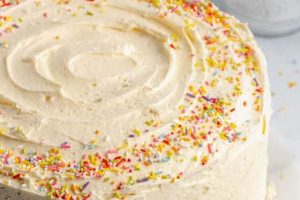
A culinary formulation achieving a creamy, rich consistency typically created with chocolate and cream can be rendered suitable for those adhering to a plant-based diet. This alteration involves substituting dairy cream with plant-derived alternatives such as coconut cream, oat milk, or cashew cream. The result is a dessert component or topping that emulates the texture and flavor profile of the conventional version while adhering to vegan dietary guidelines. An example would be combining melted dark chocolate with heated coconut cream to produce a smooth, decadent glaze.
The value of this adaptation lies in its inclusivity, allowing individuals with dietary restrictions or ethical considerations to enjoy a wider range of desserts and confections. It also broadens the appeal of various culinary creations to a growing segment of the population embracing plant-based eating. Historically, dairy-free baking presented challenges in achieving the same textural outcomes as traditional methods. This innovation, however, demonstrates a viable solution, offering comparable results and expanding culinary possibilities.
The following sections will delve into specific ingredient choices, optimal preparation techniques, and potential variations for crafting successful plant-based chocolate glazes and fillings.
Essential Guidance for Dairy-Free Chocolate Glazes and Fillings
Achieving optimal results with plant-based chocolate preparations requires attention to detail and mindful ingredient selection. The following recommendations aim to enhance the quality and consistency of dairy-free chocolate glazes and fillings.
Tip 1: Opt for high-quality dark chocolate with a cocoa content of 70% or higher. The elevated cocoa percentage contributes to a richer flavor profile and a more stable final product, minimizing the reliance on dairy fats for structure and taste.
Tip 2: Select a plant-based cream alternative with a high fat content. Coconut cream, particularly the solid portion refrigerated overnight, provides a similar richness and viscosity to dairy cream, crucial for achieving a smooth, emulsified consistency.
Tip 3: Carefully monitor the heating process of the plant-based cream. Avoid boiling, as excessive heat can lead to separation or curdling, negatively impacting the final texture. Gently warm the cream until it is just heated through before combining with the chocolate.
Tip 4: Employ a double boiler or microwave in short intervals to melt the chocolate. Direct heat can scorch the chocolate, resulting in a grainy texture and bitter taste. Gentle, indirect heat ensures a smooth, even melt.
Tip 5: Add a small amount of neutral-flavored oil, such as refined coconut oil or avocado oil, to the mixture if needed. This can enhance the shine and smoothness of the final product, particularly when using lower-fat plant-based cream alternatives.
Tip 6: Allow the mixture to cool and thicken at room temperature before using. Refrigeration can expedite this process, but it is important to monitor the consistency closely to prevent excessive hardening. If over-refrigerated, allow to come to room temperature before using.
Tip 7: If the mixture appears grainy or separated, utilize an immersion blender to emulsify the ingredients thoroughly. This step can salvage a potentially flawed batch and restore a smooth, homogenous texture.
Adherence to these guidelines will contribute significantly to the successful creation of flavorful and visually appealing plant-based chocolate desserts.
The subsequent section will provide insights on troubleshooting common challenges encountered during the preparation process.
1. Ingredient substitutions

Ingredient substitutions form the cornerstone of adapting traditional chocolate glaze and filling formulations to adhere to vegan dietary guidelines. Successful modification necessitates a thorough understanding of the functional roles of dairy-based components and the selection of appropriate plant-derived alternatives that mimic or enhance those properties.
- Dairy Cream Replacement: Coconut Cream
Coconut cream, particularly the solid portion obtained after refrigeration, serves as a primary substitute for dairy cream due to its high fat content and creamy texture. Its application replicates the richness and mouthfeel associated with traditional chocolate glazes. However, the characteristic coconut flavor may require masking with complementary ingredients such as vanilla extract or dark chocolate with robust flavor profiles. The resulting product provides a suitable substitute for standard cream-based preparations.
- Dairy Cream Replacement: Cashew Cream
Cashew cream, produced by blending soaked cashews into a smooth paste, presents another viable alternative. Its neutral flavor profile allows for greater flexibility in flavor manipulation, making it suitable for pairings with various chocolate types and flavor additions. However, meticulous blending is crucial to achieve a homogenous texture free of gritty particles, ensuring a smooth and appealing final product. It provides the required body and creaminess.
- Butter Replacement: Plant-Based Butters and Oils
While some preparations require minimal or no added butter, instances calling for increased richness can benefit from incorporating plant-based butters or oils. Refined coconut oil, shea butter, or cocoa butter contribute to a smoother texture and enhanced sheen. The selection should consider the desired flavor profile and melting point to optimize the final product’s stability and mouthfeel. These also assist in the emulsification of the preparation.
- Milk Chocolate Alternative: Dairy-Free Chocolate
Traditional milk chocolate necessitates the substitution of dairy milk solids with plant-based alternatives such as rice milk powder, oat milk powder, or coconut milk powder. The resulting chocolate maintains a similar sweetness and creaminess to its dairy counterpart, allowing for the creation of dairy-free milk chocolate glazes and fillings. The selection of dairy-free chocolate impacts the final flavor, and sourcing high-quality options is crucial for optimal results.
The careful selection and application of ingredient substitutions are paramount in creating plant-based chocolate glazes and fillings that mirror the qualities of their traditional counterparts. By understanding the functional properties of each ingredient and selecting appropriate alternatives, culinary professionals and home cooks can confidently produce delectable desserts that accommodate vegan dietary requirements without compromising on taste or texture. The success of plant-based confections relies heavily on these thoughtful substitutions.
2. Fat Content

Fat content is a critical determinant of texture, stability, and overall palatability in plant-based chocolate glazes and fillings. Unlike traditional versions relying on dairy cream’s inherent fat, the dairy-free adaptation necessitates careful selection of plant-derived fats to replicate or enhance these characteristics. The type and amount of fat significantly influence the final product’s success.
- Texture and Mouthfeel
Fat contributes to the characteristic smoothness and creamy mouthfeel. In plant-based versions, ingredients like coconut cream (high in saturated fat) or cashew cream (containing unsaturated fats) provide this sensory experience. Insufficient fat results in a thin, watery, or even grainy texture, detracting from the overall enjoyment. The type of fat directly impacts the melting profile and how the product feels in the mouth.
- Emulsification and Stability
Fat molecules aid in the emulsification of water-based and oil-based components. In plant-based chocolate glazes, adequate fat content is essential to prevent separation and maintain a homogenous consistency. Lecithin, naturally present in some plant-based ingredients or added as an emulsifier, interacts with fat to stabilize the mixture. Instability leads to an unappetizing appearance and inconsistent texture.
- Flavor Delivery
Fats act as carriers for flavor compounds, enhancing the perception of chocolate and any added flavorings. Plant-based fats, each with its unique flavor profile (e.g., coconut oil’s subtle sweetness), can either complement or compete with the chocolate. Choosing fats with neutral or complementary flavors allows the chocolate to remain the dominant flavor. The fat also helps in carrying flavors to the palette to give a better aftertaste.
- Setting and Structure
The type of fat influences the final product’s setting properties. Saturated fats solidify at lower temperatures, contributing to a firmer consistency, while unsaturated fats remain softer. Carefully balancing the fat composition enables precise control over the glaze or filling’s final texture, whether it’s a soft, flowing ganache or a firm, moldable filling. For example, if your ganache needs to be molded into something, you must have a good amount of fat.
The interplay between fat content, ingredient selection, and preparation techniques is paramount to producing successful plant-based chocolate glazes and fillings. Thoughtful consideration of these factors allows for the creation of desserts that are both delectable and suitable for vegan dietary preferences, demonstrating that ingredient selection is critical.
3. Chocolate quality
Chocolate quality exerts a substantial influence on the final characteristics of any plant-based chocolate glaze or filling. The inherent flavor profile, cocoa butter content, and processing methods directly impact the taste, texture, and overall success of the vegan adaptation. Careful selection of chocolate is, therefore, paramount.
- Cocoa Percentage and Bitterness
The cocoa percentage dictates the intensity of the chocolate flavor and its inherent bitterness. Higher cocoa percentages (70% or greater) offer a more complex and less sweet flavor profile, often requiring adjustments to the recipe’s sweetener level. Lower-quality chocolates may rely on excessive sugar to mask inferior cocoa beans, leading to an unbalanced final product. Choosing chocolate with a well-defined cocoa percentage allows for better control over the resulting taste.
- Cocoa Butter Content and Texture
Cocoa butter, a natural fat present in chocolate, significantly influences its melting point and texture. Premium chocolates possess a higher cocoa butter content, resulting in a smoother, more luxurious mouthfeel. Lower-quality chocolates may substitute cocoa butter with less expensive vegetable oils, leading to a waxy or grainy texture, particularly noticeable in dairy-free versions lacking the emulsifying properties of dairy fats. The amount of cocoa butter therefore should be consider.
- Bean Origin and Flavor Complexity
The origin of the cocoa beans imparts distinct flavor nuances to the chocolate. Single-origin chocolates from regions like Madagascar or Ecuador offer unique flavor profiles ranging from fruity and floral to earthy and spicy. Utilizing high-quality, single-origin chocolates can elevate the complexity and sophistication of the resulting plant-based glaze or filling, providing a richer sensory experience compared to generic blends with less-defined flavor characteristics.
- Fair Trade and Ethical Sourcing
Beyond taste and texture, the ethical sourcing of chocolate is an increasingly important consideration. Opting for Fair Trade certified or ethically sourced chocolates ensures that cocoa farmers receive fair compensation for their labor and that environmentally sustainable practices are employed. This aligns with the values often associated with plant-based eating and contributes to a more responsible and sustainable culinary practice.
The selection of high-quality chocolate serves as the foundation for a successful plant-based chocolate glaze or filling. By carefully considering the cocoa percentage, cocoa butter content, bean origin, and ethical sourcing, one can ensure a superior flavor profile, desirable texture, and a product that aligns with both dietary preferences and ethical considerations. This critical ingredient choice directly impacts the overall success and enjoyment of the final creation.
4. Emulsification process

The emulsification process is a pivotal element in achieving the desired texture and stability in dairy-free chocolate glazes and fillings. It involves the dispersion of two immiscible liquids, typically a fat-based component and a water-based component, into a stable, homogenous mixture. Understanding and controlling this process is essential for replicating the smooth, creamy characteristics of traditional, dairy-based versions.
- Role of Emulsifiers
Emulsifiers, such as lecithin (often found in soy or sunflower form) or certain proteins, reduce the surface tension between the fat and water phases, allowing them to mix and remain suspended rather than separating. In plant-based chocolate glazes, emulsifiers derived from the plant-based cream alternative or added separately contribute to a stable emulsion, preventing the mixture from becoming grainy or oily. This ensures a consistent texture over time, as demonstrated by the smooth surface of a properly made glaze versus the separated appearance of a poorly emulsified one.
- Impact of Temperature
Temperature plays a critical role in the emulsification process. Gentle heating is often required to melt the chocolate and soften the plant-based cream, facilitating the mixing of the two phases. However, excessive heat can destabilize the emulsion, causing the fats to separate. Maintaining a consistent and controlled temperature during mixing is essential to achieving a stable and homogenous mixture. This is analogous to how excessive heat breaks down an emulsion in mayonnaise, leading to separation of the oil and water phases.
- Mixing Techniques
Proper mixing techniques are crucial for creating and maintaining an emulsion. Slow, consistent mixing, such as with an immersion blender or whisk, ensures that the fat and water phases are thoroughly dispersed. Over-mixing, however, can also destabilize the emulsion, particularly if the plant-based cream is delicate. The goal is to create a homogenous mixture without introducing excessive air or heat. The difference between a well-mixed and poorly mixed vinaigrette showcases how vital technique is to emulsification.
- Ingredient Compatibility
The compatibility of the chosen ingredients significantly impacts the ease and stability of the emulsion. Plant-based cream alternatives with high fat content and a smooth texture are more likely to emulsify successfully with melted chocolate. Conversely, ingredients with a high water content or a grainy texture may require the addition of emulsifiers or adjustments to the mixing process. The success of emulsifying olive oil and balsamic vinegar in a salad dressing depends on the quality and ratio of ingredients used.
In summary, the emulsification process is a key determinant of success when creating dairy-free chocolate glazes and fillings. By carefully selecting ingredients, controlling temperature, and employing proper mixing techniques, a stable and visually appealing emulsified product can be achieved that meets the expected standards for a vegan product. The stability and visual appeal of the vegan product depend heavily on the emulsification process.
5. Temperature control

Temperature control is an essential aspect in the formulation of plant-based chocolate glazes and fillings. The cause-and-effect relationship between temperature and the final product’s quality is demonstrably direct. Improper temperature management during melting and mixing leads to a range of undesirable outcomes, including chocolate scorching, fat separation, and a grainy texture. For example, overheating chocolate in a microwave, even in short bursts, can cause the cocoa butter to separate, resulting in a seized and unusable mass. Conversely, insufficient heat may prevent complete melting and emulsification, leading to a lumpy or unstable final result.
The practical significance of meticulous temperature control extends beyond preventing immediate failures. It influences the long-term stability and shelf-life of the plant-based product. A well-tempered vegan glaze exhibits a smooth, glossy finish and resists blooming (the formation of white streaks due to cocoa butter crystallization). Consider the professional pastry chef who carefully monitors the temperature of their coconut cream and dark chocolate mixture using a digital thermometer, ensuring a precise and repeatable outcome every time. This precision translates to a visually appealing and texturally consistent product that meets the standards of discerning consumers.
In summary, maintaining accurate temperature throughout the process, from melting the chocolate to blending the plant-based cream, is crucial for achieving a successful result. Challenges often arise from variations in equipment and ingredient properties, necessitating adjustments based on experience. However, understanding the fundamental principles of temperature control, combined with careful observation, significantly increases the likelihood of producing high-quality, plant-based chocolate glazes and fillings. Mastering this aspect strengthens the connection to the broader culinary goals of creating inclusive desserts without compromising taste and texture.
6. Flavor enhancements

Flavor enhancements in plant-based chocolate glazes and fillings are of paramount importance, compensating for potential nuances introduced by the substitution of dairy components. These additions seek to amplify existing notes or introduce new complementary profiles, resulting in a richer, more complex sensory experience.
- Vanilla Extract and Bean
Vanilla extract, derived from vanilla beans, introduces a warm, sweet aroma that complements the inherent bitterness of dark chocolate. Vanilla bean, possessing a more pronounced and complex flavor, can be infused directly into the plant-based cream during heating, imparting a subtle yet discernible enhancement. For example, adding a split vanilla bean to simmering coconut cream before combining it with melted chocolate yields a fragrant glaze with a depth of flavor that surpasses that of simple vanilla extract alone.
- Coffee and Espresso Powder
Coffee, in the form of freshly brewed espresso or finely ground powder, enhances the chocolate’s inherent roasted and earthy notes. Coffee’s acidity also balances sweetness. Adding a small amount of espresso powder to a plant-based chocolate filling amplifies the richness and provides a subtle, stimulating counterpoint to the chocolate’s sweetness. The interplay between coffee and chocolate intensifies the overall sensory experience without overpowering the primary flavor.
- Salt
The strategic addition of salt, even in trace amounts, heightens the perception of sweetness and balances bitterness. Salt accentuates other flavors. A pinch of sea salt added to a plant-based chocolate glaze enhances the chocolate’s inherent flavors while mitigating any potential cloying sweetness from added sugars. The resulting glaze exhibits a more refined and complex taste profile, demonstrating the transformative power of salt in balancing flavors.
- Citrus Zest
Citrus zest, such as orange or lemon, introduces bright, aromatic notes that cut through the richness of the chocolate and plant-based cream. The volatile oils present in citrus zest impart a refreshing and uplifting element to the glaze or filling. For instance, incorporating finely grated orange zest into a dark chocolate coconut cream ganache creates a zesty and vibrant flavor profile that balances the intensity of the chocolate and the richness of the coconut, offering a multifaceted taste experience.
The integration of flavor enhancements into plant-based chocolate glazes and fillings represents a crucial aspect of culinary artistry. Skillful manipulation of these additions not only compensates for the absence of dairy but also elevates the resulting product to a level of sophistication and complexity that rivals, and often surpasses, traditional versions. These enhancements demonstrate that creating vegan desserts involves more than simply substituting ingredients; it requires a deliberate and thoughtful approach to flavor development.
Frequently Asked Questions
The following addresses common inquiries related to the preparation and properties of chocolate glazes and fillings adhering to vegan dietary guidelines. These responses aim to provide clarity and practical guidance for successful execution.
Question 1: Can all types of chocolate be used?
While technically feasible, not all chocolates yield optimal results. Dark chocolate with a cocoa content of 70% or higher is recommended due to its richer flavor and lower sugar content. Dairy-free milk chocolate alternatives exist, but their quality varies, and sourcing a reputable brand is advised.
Question 2: What are the best plant-based cream substitutes?
Coconut cream, particularly the refrigerated solid portion, is frequently cited due to its high fat content and creamy texture. Cashew cream, made from blended cashews, presents a neutral-flavored alternative, requiring thorough blending to achieve a smooth consistency. Oat milk may also be used but might result in a thinner consistency, needing additional thickeners.
Question 3: Will the glaze/filling taste like coconut if using coconut cream?
The intensity of coconut flavor depends on the specific coconut cream used and the overall recipe. High-quality dark chocolate can mask the coconut flavor. Adding vanilla extract or a complementary flavoring agent, such as coffee, can further mitigate the taste.
Question 4: How does one prevent the mixture from becoming grainy?
Granularity typically arises from improper emulsification or the use of low-quality chocolate. Employing gentle heating methods, ensuring complete melting of the chocolate, and thoroughly blending the mixture can help prevent this issue. In some instances, adding a small amount of neutral oil or lecithin can aid in emulsification.
Question 5: What is the ideal storage method for a vegan chocolate glaze/filling?
The prepared mixture should be stored in an airtight container in the refrigerator. Depending on the ingredients used, it can typically be stored for up to one week. It may require gentle reheating or stirring to restore its original consistency before use.
Question 6: Can the glaze/filling be frozen?
Freezing is generally not recommended, as it can alter the texture and stability of the product. The fat and water components may separate upon thawing, resulting in a grainy or unappetizing consistency. Fresh preparation is typically preferred for optimal quality.
In conclusion, successful preparation depends on careful ingredient selection, precise techniques, and an understanding of the impact of plant-based substitutions on texture and flavor.
The subsequent section explores advanced techniques and creative applications for these plant-based dessert components.
Conclusion
The preceding exploration of the “ganache recipe vegan” demonstrates that a shift towards plant-based alternatives does not necessitate a compromise in quality or flavor. Through careful ingredient selection, meticulous technique, and a thorough understanding of the underlying chemical and physical processes, the creation of dairy-free chocolate glazes and fillings that rival their traditional counterparts is entirely achievable. Key elements discussed included appropriate dairy substitutes, the impact of fat content, chocolate quality, the emulsification process, temperature management, and strategic flavor enhancements. These all contribute to making a superior recipe.
Continued experimentation and refinement within the realm of plant-based cuisine promise further innovation in dessert creation. As demand for inclusive culinary options expands, mastering the nuances of formulations such as these will become increasingly essential. This is, ultimately, a call to culinary professionals and home cooks alike to embrace these possibilities and unlock the full potential of plant-based confectionery.