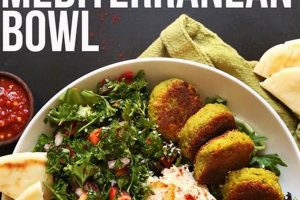
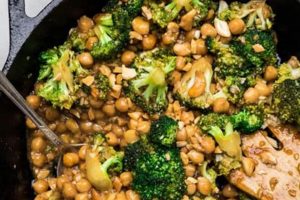
Plant-based dishes originating from the African continent offer a rich tapestry of flavors and textures. These preparations exclude all animal products, relying instead on indigenous vegetables, fruits, grains, and legumes. Examples include spiced lentil stews from Ethiopia, peanut-based soups from West Africa, and vibrant vegetable curries from East Africa.
Adopting these dietary approaches often aligns with principles of sustainability, as plant-based diets generally have a lower environmental impact than those reliant on animal agriculture. Historically, many traditional African diets have been predominantly plant-based due to factors such as climate, resource availability, and cultural or religious practices. This focus on readily available produce has fostered culinary innovation and resourceful use of local ingredients.
The subsequent sections will explore various regional variations of these culinary traditions, highlighting key ingredients, preparation techniques, and the cultural significance of specific dishes.
Culinary Suggestions
The following guidance facilitates the successful creation of plant-based meals inspired by African culinary traditions.
Tip 1: Prioritize Fresh, Seasonal Produce: Optimal flavor and nutritional value are achieved through the selection of ingredients that are in season and locally sourced whenever feasible. Visiting farmers markets or supporting local agricultural initiatives ensures access to the freshest available ingredients.
Tip 2: Master Essential Spice Blends: Many preparations rely on distinctive spice combinations. Berbere (Ethiopian), Ras el Hanout (North African), and Suya spice (West African) exemplify regional blends that contribute unique flavor profiles. Experimenting with these blends is crucial to authentic tastes.
Tip 3: Embrace Legumes and Grains: Legumes such as lentils, beans, and chickpeas, and grains such as teff, sorghum, and millet form the cornerstone of many plant-based dishes. Proper preparation techniques, including soaking and appropriate cooking times, are essential for optimal texture and digestibility.
Tip 4: Utilize Natural Sweeteners Judiciously: Dates, coconut sugar, and maple syrup offer alternatives to refined sugars. These natural sweeteners contribute nuanced flavor and can enhance the overall nutritional profile of dishes.
Tip 5: Experiment with Cooking Techniques: Roasting vegetables enhances their natural sweetness, while stewing allows flavors to meld and deepen over time. Grilling imparts a smoky char, adding another dimension to plant-based creations.
Tip 6: Focus on Texture: Achieving a variety of textures in a dish is paramount. Incorporating crunchy elements such as toasted nuts or seeds, creamy components such as avocado or coconut milk, and chewy grains like sorghum or millet ensures a satisfying culinary experience.
Tip 7: Explore Regional Variations: African cuisine is incredibly diverse. Investigating specific regional dishes and techniques will expand culinary knowledge and inspiration. Researching traditional methods for preparing ingredients will enhance authenticity.
Adhering to these suggestions will elevate the creation and enjoyment of plant-based meals rooted in African culinary heritage.
The subsequent section will provide practical recipes and meal planning ideas.
1. Regional Ingredients and Plant-Based Dishes from Africa

The availability and utilization of specific regional ingredients are fundamental determinants in the composition of plant-based culinary traditions throughout Africa. Geographical factors, climate, and soil composition dictate which fruits, vegetables, grains, and legumes thrive in a given area. Consequently, plant-based dishes evolve to incorporate these locally abundant resources, forming distinct regional variations across the continent. For example, the Ethiopian highlands are conducive to the cultivation of teff, a small grain that forms the basis of injera, a staple flatbread in many meals. In contrast, West African nations rely heavily on crops like cassava, yams, and plantains, which are adapted to the tropical climate. The use of these ingredients in dishes dictates their nutritional profiles, flavor profiles, and cultural significance.
The selection and preparation of regional ingredients also influence the sustainability and resilience of local food systems. When plant-based dishes prioritize crops that are naturally adapted to the local environment, reliance on irrigation, fertilizers, and pesticides is minimized. This reduces the environmental impact of food production and supports agricultural practices that are more sustainable in the long term. The use of indigenous ingredients also preserves local biodiversity and traditional farming knowledge. Many plant-based recipes utilize traditional processing techniques, such as fermentation or sun-drying, to enhance the nutritional value and shelf life of ingredients, contributing to food security and reducing food waste.
Understanding the connection between regional ingredients and plant-based dishes from Africa is essential for promoting sustainable and culturally appropriate food systems. By recognizing the value of local biodiversity and traditional farming practices, individuals and organizations can support initiatives that empower local communities, preserve cultural heritage, and promote environmentally sound food production. This includes advocating for policies that support local farmers, promoting the consumption of locally grown foods, and fostering culinary exchanges that celebrate the diversity of African plant-based cuisine.
2. Spice Blends

Spice blends are integral to African plant-based cuisine, serving as a primary method for infusing flavor and complexity into dishes that rely on plant-derived ingredients. These blends are not mere additions, but rather foundational elements that define the character and regional identity of many vegan recipes across the continent.
- Berbere: The Ethiopian Foundation
Berbere, a defining element of Ethiopian cuisine, is a complex blend typically containing chili peppers, garlic, ginger, basil, korarima, rue, ajwain, and nigella. This mixture imparts a deep, rich, and often fiery flavor to lentil stews (Wats), vegetable curries, and other plant-based dishes. The specific composition of Berbere varies regionally and even from household to household, reflecting the diverse culinary traditions within Ethiopia. Its role extends beyond flavoring; it also contributes to the vibrant red color characteristic of many Ethiopian dishes.
- Ras el Hanout: The Moroccan Masterpiece
Ras el Hanout, translating to “head of the shop,” is a North African spice blend that can incorporate dozens of spices, including cardamom, clove, cinnamon, nutmeg, mace, allspice, dried ginger, chili peppers, coriander, cumin, peppercorn, anise seed, and turmeric. This complex blend is used to season tagines, couscous, and other dishes featuring vegetables, legumes, and fruits. The precise composition is often a closely guarded secret, with variations reflecting the spice merchant’s expertise and regional preferences. Ras el Hanout provides aromatic depth and subtle heat, elevating plant-based dishes with its nuanced flavor profile.
- Yaji (Suya Spice): The West African Staple
Yaji, also known as Suya spice, is a West African blend primarily used as a rub for grilled meats, but its flavor profile is equally suited for plant-based applications. Typically consisting of ground peanuts, ginger, chili powder, garlic powder, onion powder, and other spices, Yaji imparts a nutty, spicy, and savory flavor. When applied to grilled vegetables, tofu, or plant-based kebabs, it provides a distinctive West African flair. Its versatility allows it to be incorporated into sauces, stews, and soups, adding depth and complexity to plant-based preparations.
- The Role of Individual Spices: Beyond the Blend
Beyond pre-mixed blends, the strategic use of individual spices is crucial in many African plant-based recipes. Spices like cumin, coriander, turmeric, ginger, and garlic are frequently employed to enhance the flavor of vegetable dishes, legume stews, and grain-based preparations. The skillful combination of these spices, often tailored to specific regional preferences, allows for the creation of diverse and nuanced flavor profiles. The emphasis on fresh, high-quality spices is paramount to achieving authentic and vibrant results.
The strategic utilization of spice blends and individual spices underscores the diversity and sophistication of African plant-based cuisine. These flavorful components not only enhance the taste of dishes but also reflect the culinary traditions and regional identities across the continent. Mastery of these blends and spices is therefore crucial for anyone seeking to authentically recreate African vegan recipes.
3. Cooking Techniques

The preparation of plant-based dishes from Africa is significantly influenced by specific cooking techniques. These methods, often developed over generations, not only impact the final texture and flavor of the food but also contribute to its nutritional value and digestibility. Grilling, stewing, roasting, and fermentation, among others, represent fundamental techniques used in the creation of various plant-based recipes originating from the continent. For example, roasting vegetables enhances their natural sweetness and creates a desirable char, while stewing allows flavors to meld and deepen over time, exemplified by tagines from North Africa. These processes transform simple ingredients into complex and satisfying meals.
The application of these cooking techniques also impacts the nutritional profile of plant-based dishes. Fermentation, a technique widely used in the preparation of foods such as injera (Ethiopian flatbread), increases the bioavailability of certain nutrients and promotes gut health. Similarly, the careful control of cooking temperatures during stewing or roasting minimizes the loss of vitamins and minerals, preserving the inherent nutritional value of the ingredients. Traditional methods of grinding grains or legumes, often employed before cooking, can also improve digestibility and nutrient absorption. Therefore, the selection and precise execution of specific cooking techniques are crucial for maximizing the health benefits derived from plant-based dishes.
In conclusion, cooking techniques play a pivotal role in shaping the characteristics of plant-based recipes from Africa. They influence flavor, texture, nutritional value, and digestibility, reflecting the resourcefulness and culinary expertise of different regions. Understanding and preserving these traditional techniques is essential for maintaining the authenticity and health benefits of these dishes. The challenges lie in balancing the preservation of traditional methods with the adaptation to modern cooking equipment and lifestyles. Further research and documentation of these techniques are needed to ensure their continued relevance and contribution to sustainable and nutritious food systems.
4. Nutritional Value
Plant-based dishes from Africa present a substantial source of essential nutrients, offering a range of health benefits. The reliance on whole grains, legumes, vegetables, and fruits delivers complex carbohydrates, fiber, vitamins, and minerals. For example, a West African peanut stew, prepared with yams, leafy greens, and groundnuts, provides a combination of energy, protein, and micronutrients, including iron, zinc, and vitamins A and C. Similarly, Ethiopian lentil stews (Wats), made with lentils, berbere spice, and vegetables, are rich in protein, fiber, and iron. The strategic use of diverse plant-based ingredients contributes to a balanced nutritional profile.
The nutritional value of these dishes is further enhanced by traditional cooking methods. Fermentation, common in the preparation of foods like injera and ogi (fermented maize porridge), increases the bioavailability of certain nutrients, particularly iron and zinc. Sprouting grains and legumes before cooking also improves digestibility and enhances their nutritional content. Moreover, the absence of animal products reduces the intake of saturated fats and cholesterol, potentially lowering the risk of cardiovascular diseases. However, it is crucial to ensure adequate intake of vitamin B12, typically obtained from animal sources, through fortified foods or supplements. Addressing potential nutrient deficiencies requires careful meal planning and dietary awareness.
In summary, plant-based preparations from Africa offer significant nutritional advantages when thoughtfully planned and prepared. They provide a wide array of essential nutrients while minimizing the intake of unhealthy fats and cholesterol. Understanding the nutritional properties of various ingredients and utilizing appropriate cooking techniques are essential for maximizing the health benefits of this dietary approach. Overcoming challenges related to nutrient deficiencies requires a comprehensive understanding of nutritional needs and the strategic inclusion of fortified foods or supplements, thereby promoting optimal health and well-being.
5. Cultural Significance

The preparation and consumption of plant-based dishes in Africa are deeply intertwined with cultural traditions, reflecting religious practices, social customs, and historical events. Plant-based diets are not merely dietary choices but often integral components of cultural identity and community life. Certain religions, for instance, prescribe periods of fasting or abstinence from animal products, leading to the development of elaborate plant-based recipes and culinary traditions. Social gatherings and celebrations frequently feature specific plant-based dishes that symbolize unity, prosperity, or remembrance. The historical context of resource scarcity or trade routes also influences the prevalence and preparation of certain plant-based staples. Therefore, understanding the cultural significance is crucial for appreciating the depth and complexity of plant-based cuisine from the African continent. A clear example is the Ethiopian Orthodox Church’s fasting periods (Tsom), which dictate a vegan diet for a significant portion of the year, leading to the creation of a rich tapestry of vegan dishes.
The cultural significance extends beyond religious observances. In many African societies, food preparation is a communal activity, with recipes and techniques passed down through generations. Plant-based dishes often reflect the ingenuity and resourcefulness of communities in utilizing locally available ingredients. Traditional methods of preservation, such as sun-drying or fermentation, not only extend the shelf life of foods but also enhance their nutritional value and flavor. The sharing of meals, particularly during celebrations or ceremonies, reinforces social bonds and cultural values. For example, the preparation and sharing of couscous in North Africa are often associated with hospitality, generosity, and communal harmony, reflecting a profound cultural symbolism connected to the dish beyond its purely nutritional function.
The recognition of cultural significance is not merely academic; it has practical implications for promoting sustainable and equitable food systems. Supporting local food production and preserving traditional culinary practices are essential for maintaining cultural heritage and empowering communities. Efforts to promote plant-based diets should be culturally sensitive, respecting local customs and traditions. Challenges may arise when adapting traditional recipes to modern lifestyles or introducing new ingredients. Therefore, engaging with local communities and incorporating their knowledge and perspectives is crucial for ensuring the success and sustainability of such initiatives. In essence, understanding the cultural significance adds another layer of appreciation and respect to African plant-based cuisine, recognizing it not only as a source of nutrition but also as a testament to the rich cultural heritage of the continent.
6. Ingredient Sourcing
The creation of authentic and sustainable plant-based dishes from Africa relies heavily on ingredient sourcing. The origin and procurement methods of ingredients directly influence the flavor profile, nutritional value, and environmental impact of these recipes. Local sourcing of seasonal produce not only supports local economies but also ensures the availability of fresh, high-quality ingredients that are integral to traditional culinary practices. Conversely, reliance on imported or processed ingredients may compromise the authenticity and nutritional integrity of the dishes. The connection between ingredient sourcing and plant-based preparations is therefore one of direct causality and critical importance. For instance, utilizing imported quinoa in a dish traditionally made with locally grown millet diminishes the cultural relevance and potentially increases the carbon footprint of the meal. Likewise, substituting fresh vegetables with canned alternatives reduces the vitamin content and alters the flavor.
Practical applications of this understanding involve actively seeking out local farmers markets, supporting community-supported agriculture (CSA) programs, and establishing relationships with local producers. Prioritizing ingredients that are grown or harvested using sustainable methods minimizes the environmental impact and promotes biodiversity. This may involve choosing organically grown produce, supporting farms that employ water-efficient irrigation techniques, and avoiding ingredients that are associated with deforestation or habitat destruction. From a culinary perspective, sourcing high-quality ingredients unlocks the full potential of plant-based recipes. Fresh, seasonal vegetables have a more pronounced flavor, while locally sourced grains and legumes offer unique textures and aromas that are distinct from their mass-produced counterparts. Restaurants specializing in African cuisine are increasingly emphasizing local sourcing as a means of enhancing the dining experience and supporting local communities. Similarly, individuals can prioritize locally sourced ingredients in their home cooking to create more authentic and flavorful plant-based meals.
In summary, ingredient sourcing is a critical determinant of the quality, authenticity, and sustainability of plant-based cuisine. The challenges associated with sourcing local and sustainable ingredients include limited availability, higher costs, and logistical complexities. Addressing these challenges requires a concerted effort from consumers, producers, and policymakers. By prioritizing local and sustainable sourcing, individuals can contribute to a more equitable and environmentally responsible food system, while simultaneously preserving the culinary traditions and nutritional benefits of African plant-based dishes.
7. Preparation Methods
Preparation methods wield significant influence over the final characteristics of African vegan recipes. These techniques, often refined through generations of culinary practice, determine the flavor, texture, and nutritional profile of the resultant dishes. Improper application can compromise the integrity of ingredients and detract from the intended culinary experience. For example, overcooking vegetables diminishes their nutritional value and can lead to undesirable mushiness. Conversely, precise control of cooking times and temperatures preserves essential vitamins and minerals while maintaining the desired texture. The choice of preparation method directly impacts the success in creating authentic and palatable African vegan recipes. The method of soaking beans overnight, commonly employed before cooking West African bean stews, reduces cooking time and improves digestibility by breaking down complex carbohydrates.
Practical applications of understanding preparation methods involve mastering techniques such as spice blending, fermentation, and the proper cooking of grains and legumes. Incorrect spice blending can result in unbalanced flavor profiles, while improper fermentation may lead to undesirable tastes or textures. Different grains and legumes require specific cooking times and methods to achieve optimal results. Overcooked teff, for instance, becomes gummy, whereas properly prepared teff yields a light and fluffy injera. Inadequate cooking of beans, conversely, results in a hard and indigestible product. Chefs specializing in African cuisine prioritize meticulous attention to preparation methods, recognizing their crucial role in elevating simple plant-based ingredients into complex and satisfying dishes. The art of “pounding” yam in West Africa transforming it into a smooth and elastic fufu requires technique and strength which greatly influences the final outcome and texture.
In conclusion, preparation methods are inseparable from the creation and enjoyment of African vegan recipes. Mastering these techniques is essential for maximizing the flavor, texture, and nutritional value of plant-based ingredients. Challenges include adapting traditional methods to modern kitchens and ensuring consistent results with variable ingredient quality. A thorough understanding of preparation methods not only enhances culinary skills but also fosters a deeper appreciation for the cultural heritage and nutritional benefits associated with African vegan cuisine. The ability to adapt recipes and methods depending on available ingredients while preserving essence is also important.
Frequently Asked Questions
The following addresses common inquiries regarding the preparation, nutritional aspects, and cultural context of plant-based dishes inspired by African culinary traditions.
Question 1: Are plant-based preparations from Africa nutritionally complete?
When thoughtfully planned, plant-based dishes from Africa can provide a comprehensive range of essential nutrients. Strategic combinations of legumes, grains, vegetables, and fruits offer protein, complex carbohydrates, fiber, vitamins, and minerals. Attention should be given to Vitamin B12 intake, which is best addressed through fortification or supplementation.
Question 2: How can one ensure authenticity when preparing such dishes?
Authenticity is achieved by utilizing regionally specific ingredients, mastering traditional spice blends, and adhering to established cooking techniques. Researching historical recipes and consulting with individuals knowledgeable in African culinary traditions provides valuable insights. Understanding the cultural context surrounding a dish can inform its preparation.
Question 3: What are the primary challenges associated with sourcing ingredients?
Sourcing challenges may include limited availability of specific ingredients in certain regions, seasonal fluctuations in produce, and the higher cost of locally sourced or organically grown items. Establishing relationships with local farmers and suppliers can mitigate some of these challenges.
Question 4: How do cooking techniques influence the outcome of a dish?
Cooking techniques significantly impact the flavor, texture, and nutritional value of plant-based preparations. Techniques such as roasting, stewing, grilling, and fermentation impart unique characteristics to dishes. Precise control of cooking times and temperatures is essential for preserving nutrients and achieving the desired texture.
Question 5: Can plant-based dishes effectively represent the diversity of African cuisine?
Yes, the vast diversity of African cuisine is well-represented in plant-based dishes. Regional variations in ingredients, spice blends, and cooking techniques create a rich tapestry of culinary experiences. From North African tagines to West African stews and East African curries, plant-based options showcase the breadth and depth of African culinary traditions.
Question 6: What is the cultural significance of certain dishes?
Many plant-based dishes hold deep cultural significance, often linked to religious practices, social customs, and historical events. Certain dishes are prepared for specific celebrations or ceremonies, symbolizing unity, prosperity, or remembrance. Understanding the cultural context adds another layer of appreciation to the culinary experience.
In summary, preparing authentic, nutritious, and culturally relevant plant-based dishes necessitates careful attention to detail and a commitment to utilizing traditional techniques and ingredients.
The following section will explore specific recipes in more detail.
African Vegan Recipes
This exploration of African vegan recipes has illuminated the diverse culinary landscape shaped by regional ingredients, unique spice blends, traditional cooking methods, and profound cultural significance. The inherent nutritional value of these plant-based dishes, coupled with their connection to sustainable food systems, reinforces their importance in contemporary dietary considerations. Sourcing authentic ingredients and mastering preparation methods are crucial for replicating the flavors and textures that define African vegan cuisine.
Further research and culinary exploration are encouraged to fully appreciate the depth and breadth of these dishes. Promoting the utilization and preservation of traditional ingredients and techniques will safeguard this culinary heritage for future generations. The sustained interest in and practice of African vegan recipes contributes to a more equitable and environmentally conscious food culture.

![Easy Vegan Recipes: Coconut Milk Creations [Dairy-Free] | Discover Delicious Vegan Food, Beauty Swaps, and Zero-Waste Tips for a Greener Life](https://thisvegangirl.com/wp-content/uploads/2026/05/th-591-300x200.jpg "Easy Vegan Recipes: Coconut Milk Creations [Dairy-Free] Discover Delicious Vegan Food, Beauty Swaps, and Zero-Waste Tips for a Greener Life")