![Easy & Delicious: Vegan Millet Recipes [Gluten-Free!]](data:image/svg+xml;base64,PHN2ZyB4bWxucz0iaHR0cDovL3d3dy53My5vcmcvMjAwMC9zdmciIHdpZHRoPSI0NzQiIGhlaWdodD0iMTI0IiB2aWV3Qm94PSIwIDAgNDc0IDEyNCI+PHJlY3Qgd2lkdGg9IjEwMCUiIGhlaWdodD0iMTAwJSIgc3R5bGU9ImZpbGw6I2NmZDRkYjtmaWxsLW9wYWNpdHk6IDAuMTsiLz48L3N2Zz4= "Easy & Delicious: Vegan Millet Recipes [Gluten-Free!] Discover Delicious Vegan Food, Beauty Swaps, and Zero-Waste Tips for a Greener Life")
The combination of gluten-free millet with plant-based culinary techniques results in dishes suitable for individuals adhering to vegan dietary principles. This intersection provides a nutritious and versatile alternative to traditional grain-based meals, excluding all animal products. A typical example includes a creamy millet porridge cooked with plant milk and sweetened with maple syrup, entirely devoid of dairy or other animal-derived ingredients.
This approach to food preparation offers a multitude of advantages. It addresses dietary restrictions and ethical concerns associated with animal consumption. Simultaneously, millet offers a rich source of essential nutrients, including fiber, magnesium, and antioxidants. Historically, millet has been a staple grain in various cultures, providing a sustainable and resilient food source, now readily adaptable to modern vegan palates. It promotes digestive health, supports cardiovascular function, and helps maintain stable blood sugar levels.
Therefore, the subsequent sections will explore specific preparations, nutritional profiles, and creative culinary applications which highlight the potential of millet in vegan cooking. Discussions will encompass savory and sweet options, preparation techniques, and considerations for optimal texture and flavor enhancement.
Culinary Recommendations for Vegan Millet Dishes
Optimizing flavor and texture is crucial for the successful integration of millet into a vegan diet. Consider the following guidelines to enhance the palatability and nutritional value of millet-based vegan meals.
Tip 1: Toasting the Millet: Prior to cooking, toasting the dry millet grains in a dry skillet over medium heat for approximately 5-7 minutes enhances the nutty flavor profile. Ensure consistent stirring to prevent burning.
Tip 2: Utilizing Broth for Cooking: Replace water with vegetable broth for cooking the millet to impart a more savory and complex taste. Low-sodium varieties are preferable to control salt content.
Tip 3: Achieving Optimal Texture: The water-to-millet ratio significantly impacts the final texture. For a fluffy, rice-like consistency, use a 2:1 liquid-to-millet ratio. For a creamier, porridge-like texture, increase the liquid ratio to 3:1.
Tip 4: Incorporating Aromatic Vegetables: Sauting finely diced onions, garlic, and carrots before adding the millet and cooking liquid enhances the overall flavor of savory dishes. These vegetables contribute depth and complexity.
Tip 5: Enhancing Sweet Millet Dishes: When preparing sweet millet dishes, consider adding warming spices such as cinnamon, nutmeg, or cardamom. These spices complement the natural sweetness of the grain and create a more appealing flavor profile.
Tip 6: Emphasizing Proper Storage: Cooked millet should be stored in an airtight container in the refrigerator and consumed within 3-4 days to maintain freshness and prevent spoilage. Dry millet should be stored in a cool, dry place.
Tip 7: Varying Millet Types: Different types of millet, such as pearl millet or foxtail millet, possess slightly different flavor and texture characteristics. Experimenting with various types can expand culinary possibilities.
By implementing these techniques, individuals can effectively prepare delicious and nutritious dishes featuring millet in their vegan diet, optimizing taste, texture, and overall culinary enjoyment.
Further exploration of specific recipe examples and advanced techniques will be detailed in the concluding sections of this article.
1. Nutrient bioavailability

Nutrient bioavailability represents the proportion of a nutrient consumed that is absorbed and utilized by the body. In the context of millet-based, plant-sourced dishes, bioavailability is a critical determinant of nutritional value. The presence of antinutritional factors, such as phytates, in millet can impede the absorption of essential minerals like iron, zinc, and calcium. Therefore, preparation techniques employed in vegan millet recipes significantly influence the degree to which these nutrients become accessible for physiological processes. For example, unprocessed millet might offer a high mineral content on paper, but the actual amount absorbed by the body could be substantially lower due to phytate inhibition.
Several strategies mitigate the negative effects of antinutritional factors and enhance nutrient uptake. Soaking millet grains in water for several hours prior to cooking activates phytase, an enzyme that degrades phytates, releasing bound minerals. Sprouting millet grains also achieves a similar effect, further increasing the bioavailability of nutrients. Fermentation, a technique frequently employed in traditional millet preparations, can also reduce phytate levels and improve digestibility. Furthermore, combining millet with foods rich in vitamin C can enhance iron absorption, an essential consideration for vegan diets. A vegan millet salad with lemon dressing, for instance, strategically utilizes vitamin C to maximize iron uptake from the millet.
In conclusion, understanding and actively addressing nutrient bioavailability is paramount for optimizing the nutritional benefits of millet in vegan diets. Employing appropriate preparation techniques, such as soaking, sprouting, or fermentation, and combining millet with complementary foods can significantly enhance mineral absorption, ensuring that individuals obtain the full nutritional value of this grain. Failure to address bioavailability limitations can undermine the health benefits associated with millet consumption in vegan diets.
2. Texture manipulation

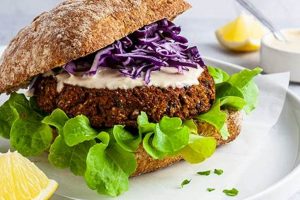
The texture of millet, when incorporated into plant-based dishes, is a crucial factor influencing palatability and overall culinary success. In the context of vegan recipes, the ability to manipulate the texture of millet extends its versatility, allowing it to mimic various ingredients and satisfy diverse culinary preferences. Improperly prepared millet can result in an unappetizing, gritty, or mushy texture, which detracts from the eating experience. Conversely, skillful manipulation enables the creation of dishes ranging from fluffy, rice-like salads to creamy, porridge-style breakfasts or firm, polenta-like sides. This flexibility is particularly important in vegan cuisine, where texture plays a significant role in replicating the mouthfeel of animal-based products. For example, finely ground millet can be used as a thickening agent in vegan sauces, providing a smooth, creamy consistency without the need for dairy or eggs. Similarly, properly cooked millet can serve as a base for vegan burgers, offering a substantial and satisfying bite.
Achieving desirable texture outcomes requires careful control over several variables. The ratio of liquid to millet during cooking is a primary determinant; a higher liquid ratio typically results in a creamier texture, whereas a lower ratio yields a drier, more granular result. The cooking time also significantly impacts texture; overcooking can lead to a mushy consistency, while undercooking results in an undesirable hardness. Toasting the millet grains prior to cooking affects the final texture, contributing to a slightly firmer and more distinct grain. Furthermore, the specific type of millet used can influence the final texture. Pearl millet, for example, tends to be less sticky than foxtail millet when cooked. Practical applications of these principles include varying the liquid ratio to produce either a fluffy millet pilaf or a creamy millet risotto, both of which are suitable for vegan diets. The choice of cooking method, such as boiling, steaming, or baking, also offers opportunities for texture modification.
In summary, texture manipulation is an indispensable skill for effectively utilizing millet in vegan recipes. Understanding the influence of liquid ratios, cooking times, millet types, and preparation methods allows for the creation of a wide range of texturally diverse and appealing dishes. This mastery overcomes potential aversions to millet’s inherent characteristics and broadens its culinary applications within the plant-based realm. The challenges inherent in achieving consistent and desirable textures underscore the importance of precise measurement, careful monitoring during cooking, and iterative experimentation to refine recipes. Ultimately, the ability to manipulate texture unlocks the full potential of millet as a versatile and nutritious ingredient in vegan cuisine.
3. Flavor enhancement

Flavor enhancement is integral to the successful adoption of millet in vegan recipes. Millet possesses a mild, slightly nutty flavor that, while versatile, often requires strategic augmentation to achieve palatable and appealing dishes. Without purposeful flavor enhancement, millet-based vegan meals may lack the complexity and depth necessary to satisfy diverse palates and replace the umami typically associated with animal-derived ingredients.
- Spice Blending and Aromatic Infusion
The strategic use of spices and aromatic herbs plays a crucial role in elevating the flavor profile of millet. For example, incorporating warming spices like cumin, coriander, and turmeric transforms a simple millet porridge into a savory and aromatic dish, reminiscent of Indian-inspired cuisine. Similarly, infusing millet with fresh herbs such as thyme, rosemary, or sage during cooking adds subtle yet impactful layers of flavor, complementing the grain’s inherent nuttiness. The choice of spices and herbs should align with the overall culinary theme and complement other ingredients in the recipe.
- Umami Rich Ingredients
Vegan cooking often seeks to replicate the savory umami flavor typically derived from meat or dairy. Ingredients such as sun-dried tomatoes, nutritional yeast, mushrooms (especially dried varieties), and soy sauce (or tamari for gluten-free options) can be incorporated into millet dishes to provide this depth of flavor. For instance, adding sauted mushrooms and a sprinkle of nutritional yeast to a millet-based vegan risotto can significantly enhance its savory characteristics, creating a satisfying and flavorful meal.
- Acidic Elements and Brightening Agents
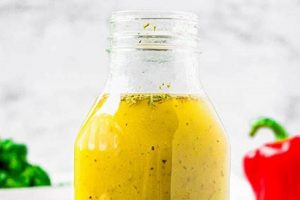
The addition of acidic elements, such as lemon juice, lime juice, vinegar, or tomatoes, serves to brighten the flavors and create a more balanced profile. A squeeze of lemon juice over a millet salad with roasted vegetables can enhance the freshness of the dish and counteract any potential blandness. Vinegars, such as apple cider vinegar or balsamic vinegar, can be incorporated into dressings or sauces to add complexity and acidity. Fermented foods like sauerkraut or kimchi provide both acidity and beneficial probiotics, contributing to a more vibrant flavor profile.
- Textural Contrasts and Flavor Carriers
Flavor perception is influenced by texture, so incorporating elements that provide textural contrast can enhance the overall eating experience. Adding toasted nuts, seeds, or crispy vegetables to a millet dish introduces satisfying crunch and complexity. Oils, particularly those with distinct flavors like sesame oil or infused olive oils, can act as flavor carriers, distributing aromatic compounds throughout the dish and enhancing the overall taste perception. The incorporation of roasted elements amplifies naturally sweet notes that contrast the earthiness of millet, thereby enriching the overall taste profile.
In conclusion, deliberate flavor enhancement strategies are essential for transforming millet into a compelling and satisfying component of vegan cuisine. The judicious application of spices, umami-rich ingredients, acidic elements, and textural contrasts elevates millet beyond its mild inherent flavor, creating dishes that are both nutritious and palatable. This focus on flavor complexity broadens the appeal of millet, making it a more versatile and adaptable grain for vegan cooking.
4. Ingredient synergy

Ingredient synergy, defined as the interaction of multiple ingredients to produce a combined effect greater than the sum of their separate effects, is a cornerstone of successful plant-based cuisine, particularly when featuring millet. Within the context of millet recipes adhering to vegan principles, the strategic combination of ingredients becomes crucial for maximizing nutritional value, enhancing flavor complexity, and creating satisfying culinary experiences. The mild flavor profile of millet necessitates the careful selection of complementary ingredients to achieve depth and balance. A lack of ingredient synergy in a vegan millet recipe can result in a bland, nutritionally incomplete, and ultimately unappealing dish. For example, simply boiling millet and serving it plain would not provide the same nutritional and gustatory benefits as a millet salad incorporating legumes (for protein and fiber), leafy greens (for vitamins and minerals), and a flavorful dressing (for enhanced palatability). In essence, ingredient synergy transforms a simple grain into a comprehensive and appealing meal.
Consider the practical application of ingredient synergy in the development of a vegan millet-based burger. Millet, in isolation, provides carbohydrates and some minerals, but lacks the binding agents and protein structure necessary for a cohesive burger patty. The addition of cooked lentils or black beans introduces protein and fiber, while ground flaxseed or chia seeds act as binders. Roasted vegetables, such as onions and carrots, contribute sweetness and moisture. Spices, such as smoked paprika and cumin, enhance the overall flavor profile. These ingredients work synergistically to create a vegan burger that is not only nutritious and flavorful but also possesses a desirable texture and structural integrity. Omission of any of these key components would compromise the burger’s quality and appeal. Similarly, in a vegan millet porridge, the combination of plant-based milk (for creaminess and calcium), nuts and seeds (for healthy fats and protein), and fruits (for sweetness and vitamins) creates a balanced and satisfying breakfast. The strategic addition of ingredients with complementary flavors, textures, and nutritional profiles significantly elevates the culinary experience.
In summary, ingredient synergy is not merely a desirable attribute of vegan millet recipes; it is a fundamental requirement for creating dishes that are both nutritionally complete and aesthetically pleasing. By carefully selecting ingredients that complement each other in terms of flavor, texture, and nutritional content, it is possible to transform millet into a versatile and compelling component of plant-based cuisine. The challenge lies in understanding the individual properties of each ingredient and how they interact to create a harmonious whole. Continued exploration and experimentation in this area will undoubtedly lead to the development of innovative and delicious vegan millet recipes that showcase the full potential of this often-overlooked grain.
5. Dietary compatibility

Dietary compatibility, regarding millet-based recipes designed for vegan consumption, constitutes a critical intersection of nutritional needs and dietary restrictions. The successful integration of millet into a vegan diet necessitates careful consideration of various factors, including allergies, intolerances, and specific nutritional requirements associated with plant-based eating. The absence of dietary compatibility considerations renders even well-intentioned millet recipes unsuitable or even harmful for certain individuals. A millet recipe, though technically vegan, may be incompatible for someone with a gluten sensitivity due to cross-contamination, or for someone with a nut allergy if it contains nut-based ingredients. Therefore, understanding dietary restrictions is a prerequisite for designing truly inclusive and beneficial vegan millet-based dishes.
The practical implications of dietary compatibility extend to various aspects of recipe development and food preparation. Nutritional deficiencies, common in poorly planned vegan diets, necessitate the strategic pairing of millet with other ingredients to ensure adequate intake of essential nutrients such as vitamin B12, iron, calcium, and omega-3 fatty acids. For example, a vegan millet bowl supplemented with fortified plant-based milk, iron-rich lentils, and flaxseed oil addresses several potential nutritional gaps. Furthermore, modifications may be required to accommodate specific conditions such as diabetes. Millet, being a carbohydrate source, requires portion control and careful consideration of glycemic load, often achieved by pairing it with high-fiber vegetables and protein sources. Adhering to guidelines for low-FODMAP diets may also necessitate adjustments to millet recipes to minimize digestive discomfort for sensitive individuals, such as selecting specific vegetables and avoiding high-FODMAP sweeteners. A millet porridge sweetened with stevia and topped with blueberries, while adhering to diabetic nutritional needs, also considers individual intolerances.
In summary, dietary compatibility functions as an indispensable filter in the creation of appropriate and effective vegan millet recipes. Addressing allergies, intolerances, and nutritional requirements transforms a generic recipe into a tailored solution, maximizing benefits and minimizing potential harm. Challenges in achieving comprehensive dietary compatibility include the complexity of individual dietary needs and the potential for hidden allergens in processed ingredients. Continuous vigilance, meticulous ingredient selection, and open communication with consumers are crucial to ensuring that vegan millet recipes meet diverse dietary requirements and contribute to overall health and well-being.
Frequently Asked Questions
The subsequent section addresses prevalent inquiries regarding the integration of millet into plant-based diets, providing concise and evidence-based responses.
Question 1: Is millet inherently vegan?
Millet is a grain; therefore, it is inherently plant-based and suitable for vegan diets. Potential issues arise only from ingredients used in preparation.
Question 2: What are the primary nutritional benefits of millet in a vegan diet?
Millet provides a source of gluten-free carbohydrates, fiber, magnesium, and antioxidants, contributing to digestive health and overall well-being.
Question 3: Can millet substitute for meat in vegan dishes?
Millet does not directly replicate the protein profile of meat. It should be combined with legumes, nuts, or seeds to ensure adequate protein intake.
Question 4: How can millet be used to create creamy textures without dairy?
Overcooking millet with a high liquid ratio (approximately 3:1) results in a creamy consistency suitable for porridge or sauces.
Question 5: Does millet contain antinutritional factors that limit nutrient absorption?
Yes, millet contains phytates. Soaking or sprouting the grains prior to cooking reduces phytate levels and enhances mineral bioavailability.
Question 6: What are some common culinary applications of millet in vegan recipes?
Millet can be used in porridge, salads, pilafs, burgers, stews, and as a gluten-free alternative to couscous or rice.
These answers provide a foundational understanding of millet’s role within vegan culinary practices.
Further exploration into specific recipe examples is provided in the following sections.
Millet Recipes Vegan
The preceding discourse thoroughly explored “millet recipes vegan,” underscoring their potential within plant-based dietary frameworks. Key aspects examined encompassed nutrient bioavailability optimization, texture manipulation techniques, strategies for flavor enhancement, the critical role of ingredient synergy, and the paramount importance of dietary compatibility. These elements, when meticulously addressed, transform millet from a simple grain into a versatile and nutritionally significant component of vegan cuisine. The analysis emphasized practical considerations, offering actionable insights for recipe development and preparation, thereby empowering individuals to confidently incorporate millet into their diets.
Given the rising interest in both plant-based diets and sustainable food sources, the cultivation and utilization of millet within the vegan context warrants continued investigation. The proactive implementation of the principles detailed herein not only enhances the nutritional profile of vegan meals but also contributes to the broader adoption of environmentally conscious dietary practices. Future research should focus on optimizing millet varieties for improved nutrient density and exploring innovative culinary applications to further unlock its potential as a dietary staple.