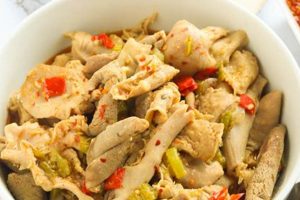
Dishes blending traditional flavors with plant-based ingredients provide a unique culinary experience. For example, black beans and rice, prepared without animal products, maintains a core element of the island’s cuisine while adhering to ethical dietary principles. Modifications, such as using plantains instead of meat in picadillo, showcase the versatility of these adaptations.
The adoption of these approaches offers several advantages. It broadens the appeal of well-loved regional meals to individuals with diverse dietary preferences. Furthermore, it aligns food choices with environmental sustainability and health considerations. The historical context is rooted in the resourcefulness of the population and the prevalence of plant-based staples within the culture.
Subsequent sections will examine specific adaptations of popular meals, ingredient substitutions that maintain authentic tastes, and the nutritional aspects of embracing this culinary path.
Tips for Preparing Plant-Based Cuban Cuisine
Successfully adapting traditional meals requires attention to detail and thoughtful substitutions. The following tips will assist in creating authentic-tasting and satisfying plant-based versions of classic dishes.
Tip 1: Prioritize Sofrito as a Flavor Base: Sofrito, a blend of onions, peppers, garlic, and herbs, is fundamental to Cuban cooking. Utilize it liberally to build depth of flavor in stews, soups, and rice dishes. A well-prepared sofrito compensates for the absence of animal fats.
Tip 2: Employ Nutritional Yeast for a Cheesy Flavor: When a recipe calls for cheese, nutritional yeast offers a savory, umami-rich alternative. It can be incorporated into sauces, sprinkled over dishes, or used in place of grated cheese.
Tip 3: Utilize Plant-Based Protein Sources Strategically: Replace meat with legumes, tofu, tempeh, or textured vegetable protein (TVP). Consider the texture and flavor profile of the protein source to ensure it complements the overall dish. For example, black beans are an excellent substitute in dishes traditionally featuring ground beef.
Tip 4: Explore Plantain-Based Alternatives: Plantains, both green and ripe, are versatile ingredients. Green plantains can be used to create tostones (twice-fried plantains), while ripe plantains can be incorporated into desserts or used as a sweet counterpart to savory dishes.
Tip 5: Recreate Ropa Vieja with Jackfruit or Heart of Palm: Ropa Vieja, traditionally shredded beef, can be recreated using shredded jackfruit or heart of palm. Marinating these ingredients in a flavorful sauce before cooking will enhance their taste and texture.
Tip 6: Maintain Moisture Levels: Plant-based dishes can sometimes be drier than their traditional counterparts. Ensure adequate moisture by adding vegetable broth, tomato sauce, or other liquids as needed during the cooking process.
Tip 7: Experiment with Spices and Herbs: Cuban cuisine relies on a blend of spices and herbs. Don’t be afraid to experiment with cumin, oregano, bay leaves, and citrus juices to achieve the desired flavor profile. Consider using smoked paprika to add a smoky depth.
Successfully implementing these tips allows for the creation of authentic and flavorful plant-based options. Maintaining the cultural heritage of the cuisine, while aligning with ethical and dietary choices, is now accessible.
The article will continue by addressing specific recipe modifications and ingredient guidelines to improve success in plant-based cooking.
1. Plant-Based Ingredients

The selection and application of plant-based ingredients directly determine the success of adapting traditional dishes. These components are not merely replacements, but rather, integral building blocks that contribute to the flavor, texture, and nutritional profile of the final result. For example, replacing ground beef in picadillo with lentils requires careful consideration of moisture content and seasoning adjustments to mimic the original texture and taste. Similarly, using plant-based milk alternatives in desserts necessitates understanding their varying fat content and sweetness levels to maintain proper consistency and taste.
Beyond mere substitution, these ingredients often possess inherent qualities that contribute uniquely to the dish. Plantains, a staple within island’s cuisine, can be prepared in multiple forms tostones, maduros, or used as a base for stews each offering distinct textures and flavor profiles that enhance the overall culinary experience. Nutritional yeast offers a cheesy flavor, enriching sauces that otherwise would lack it. Black beans, another prominent feature, supply protein and a creamy texture to stews and side dishes. These ingredients offer diversity and culinary adaptability while eliminating animal-derived components.
The strategic utilization of such components is essential for achieving both culinary authenticity and nutritional balance. Challenges may arise in replicating certain textures or flavor nuances perfectly; however, experimentation with various combinations and techniques, paired with a deep understanding of traditional flavor profiles, allows for the creation of flavorful cuisine. This intersection emphasizes the importance of plant-based ingredients as not just alternatives, but as core components that define its character and nutritional value.
2. Traditional Flavor Profiles

The successful adaptation of traditional cuisine to plant-based formats hinges on maintaining authentic flavor profiles. These profiles, built upon specific ingredient combinations and preparation techniques, are fundamental to the cultural identity of the dishes. The absence or misrepresentation of these characteristic flavors diminishes the culinary experience, regardless of the ethical or dietary considerations driving the adaptation. Sofrito, a foundational element, exemplifies this principle; its proper preparation, with correct ratios of onion, peppers, garlic, and herbs, directly dictates the overall flavor intensity of the meal. Inadequate attention to this base can render even the most carefully substituted protein source unpalatable.
Practical application of this understanding requires thorough familiarity with traditional recipes and techniques. The accurate replication of complex flavor layering, achieved through proper spice usage, marination times, and cooking methods, is paramount. Example: the distinctive taste of black beans depends on the use of cumin, oregano, and bay leaf, and proper soaking and cooking methods; omitting or altering these elements results in an inauthentic flavor. Furthermore, the balance of acid, salt, and sweetness is crucial to achieving the desired taste profile. The strategic employment of citrus juices, such as sour orange or lime, is essential for brighting dishes and recreating that familiar taste.
Concluding observations stress that preserving flavor is crucial. Challenges arise in sourcing specific ingredients. Success in this area demands creative substitutions without compromising authenticity. Prioritizing authentic flavor profiles is critical to the overall effort, solidifying their importance within the framework of plant-based adaptations. These elements work together to build a dish worthy of the title of the cuisine it is imitating.
3. Ingredient Substitutions

Ingredient substitutions represent a core methodology in adapting traditional dishes to plant-based formats. Success in creating palatable dishes is directly linked to understanding the properties of original ingredients and identifying suitable plant-based alternatives that maintain both the intended flavor profile and textural characteristics.
- Meat Replacements
Traditional recipes frequently feature beef, pork, or chicken. Adaptations commonly employ plant-based proteins such as jackfruit, lentils, mushrooms, or textured vegetable protein (TVP). Jackfruit, when shredded, mimics the texture of pulled pork or beef in dishes like “ropa vieja.” Lentils provide a hearty substitute in stews and ground meat preparations. Mushrooms, especially varieties like portobello, add a savory umami flavor. TVP, properly seasoned, absorbs flavors effectively and contributes a meat-like texture.
- Dairy Alternatives
Dairy products, including cheese, milk, and cream, play a role in numerous dishes. Alternatives include plant-based milks (soy, almond, cashew), nutritional yeast for cheesy flavor, and blended cashews or tofu for creamy textures. Cashew cream can be utilized in desserts or sauces, offering a richness similar to dairy cream. Nutritional yeast adds a savory, umami element often associated with cheese.
- Fat and Oil Modifications
Traditional cooking frequently involves lard or animal fats. Plant-based adaptations utilize vegetable oils, such as olive oil or coconut oil. Olive oil provides a robust flavor and can be used in sofrito and other preparations. Coconut oil, depending on whether it’s refined or unrefined, can impart a subtle coconut flavor or serve as a neutral cooking oil.
- Egg Replacements
Eggs are occasionally used as binding agents or to add richness. Alternatives include flax eggs (flaxseed meal mixed with water), applesauce, or mashed banana. These substitutes provide moisture and binding properties, though their flavors may subtly influence the final product.
Effective application of these substitutions demands an understanding of their individual properties and how they interact within the context of the recipe. Careful consideration of flavor, texture, and moisture content is crucial to achieving a final product that successfully captures the essence of the original cuisine.
4. Nutritional Adequacy

The adoption of plant-based adaptations of a culinary tradition necessitates careful consideration of nutritional adequacy. Traditional cuisine, formulated around a different set of ingredients, provides a certain nutritional profile. Substituting components requires strategic adjustments to ensure that the revised version still delivers essential nutrients in sufficient quantities. For example, traditional dishes relying heavily on meat as a primary source of protein and iron must be modified to incorporate plant-based sources, such as beans, lentils, or tofu, to compensate for potential deficiencies. Failure to do so may result in an imbalanced diet lacking critical elements.
Ensuring that these adaptations offer appropriate levels of vitamins and minerals requires attention to detail. For example, calcium, often obtained from dairy products, must be sourced from fortified plant-based milks, tofu processed with calcium sulfate, or leafy green vegetables. Similarly, vitamin B12, primarily found in animal products, necessitates supplementation or consumption of fortified foods. Combining various plant-based protein sources, such as grains and legumes, addresses the completeness of amino acid profiles. Iron absorption from plant sources can be enhanced by consuming vitamin C-rich foods alongside iron-rich meals.
Maintaining nutritional balance within this style of cooking presents challenges, but is essential for health. Careful planning, awareness of nutrient sources, and strategic food combinations are critical. Plant-based options can deliver complete nutritional profiles, however, thoughtful consideration must be given to proper food combinations and possible fortification of supplements, making it suitable for anyone wanting a cuban dish that promotes a long and healthy life.
5. Cultural Authenticity

The preservation of cultural authenticity within adaptations of traditional cuisine involves navigating the intersection of culinary heritage and dietary preferences. Maintaining recognizable flavor profiles, utilizing historically relevant ingredients where possible, and honoring traditional cooking methods are essential to ensuring that plant-based versions retain their cultural significance. Challenges arise in replicating the precise textures and flavor nuances of dishes traditionally prepared with animal products, requiring careful consideration of ingredient substitutions and adjustments to cooking techniques.
- Flavor Replication
Achieving authentic flavor requires a deep understanding of traditional spice blends and ingredient ratios. Sofrito, a foundational element, must be prepared with the correct balance of onions, peppers, garlic, and herbs. Cumin, oregano, bay leaf, and citrus juices are critical for imparting characteristic notes to dishes like black beans and ropa vieja. The strategic use of smoked paprika can add depth and mimic the smoky flavors often associated with traditional cooking methods. For example, a plant-based picadillo should strive to emulate the sweet and savory balance of the original, even when substituting lentils or plant-based ground in place of beef.
- Ingredient Sourcing and Substitution
The availability and use of specific ingredients, such as plantains, yuca, and malanga, contribute to the cultural authenticity of dishes. These ingredients, when available, should be prioritized to maintain a connection to the culinary heritage. When substitutions are necessary, they should be carefully selected to preserve the intended flavor and texture. For example, using jackfruit in place of shredded meat requires careful seasoning to mimic the original flavor profile, whereas lentils are a reasonable substitute for ground beef.
- Traditional Cooking Methods
Traditional cooking methods, such as slow simmering and braising, contribute to the development of complex flavors and textures. These methods should be emulated whenever possible to maintain the authenticity of plant-based versions. For example, slowly simmering black beans with traditional spices allows for the flavors to meld and deepen, creating a more authentic taste. Similarly, braising jackfruit in a flavorful sauce replicates the slow-cooked tenderness of traditional meat dishes.
- Presentation and Serving
The manner in which dishes are presented and served also contributes to cultural authenticity. Serving plant-based versions in traditional dishes, accompanied by customary side dishes, enhances the overall culinary experience and reinforces the cultural connection. For example, serving black beans with white rice, plantains, and a simple salad mirrors the presentation of a traditional meal, even when the components are entirely plant-based. Paying attention to these details demonstrates respect for the cultural heritage.
Maintaining cultural authenticity requires a balance between preserving tradition and adapting to dietary needs. By prioritizing authentic flavors, utilizing culturally relevant ingredients, emulating traditional cooking methods, and paying attention to presentation, one can create plant-based adaptations that are both satisfying and culturally meaningful. Successfully navigating this balance allows for a broader appreciation of the cuisine while accommodating diverse dietary preferences. It ensures that plant-based adaptations are not merely imitations but rather respectful reinterpretations of a rich culinary heritage.
6. Recipe Adaptations

Recipe adaptations constitute a fundamental process in the creation and accessibility of plant-based cuisine. The effective transformation of traditional culinary preparations necessitates strategic modifications to ingredient lists, cooking methods, and flavor profiles. These adaptations serve as the mechanism through which traditional recipes, originally reliant on animal products, are rendered suitable for adherence to dietary guidelines. The successful implementation of recipe adaptations directly influences the palatability, nutritional value, and cultural authenticity of the resulting dishes.
Consider the transformation of ropa vieja, a classic dish traditionally prepared with shredded beef. Plant-based versions commonly substitute jackfruit or shredded mushrooms to replicate the texture and mouthfeel of the original dish. This substitution, however, requires adjustments to the marinating process and cooking time to ensure that the plant-based ingredients adequately absorb the flavors of the sofrito and other traditional seasonings. The degree to which these adjustments successfully emulate the original flavor and texture determines the overall success of the adaptation. Similarly, modifications to desserts often require the use of plant-based milk alternatives and egg replacements, which can impact the final texture and consistency. Thoughtful recipe adaptation is essential to compensate for these changes and preserve the desired culinary experience.
Recipe adaptations, while essential, present inherent challenges. Maintaining the cultural integrity of dishes during the transformation process requires careful attention to detail and a thorough understanding of traditional flavors and cooking techniques. Successful adaptation strategies contribute to both the expansion of culinary options for those adhering to a plant-based diet and the preservation of cultural heritage through adaptable culinary expression. These adaptations ensure that traditional dishes can be enjoyed by individuals with diverse dietary preferences without sacrificing essential flavor, texture, or nutritional qualities, solidifying their importance within the framework of plant-based cooking.
Frequently Asked Questions
This section addresses common inquiries regarding plant-based adaptations. It aims to clarify misconceptions and provide essential information for successful implementation.
Question 1: Can authentic flavors be achieved in plant-based versions of traditional dishes?
Authentic flavors are attainable through careful ingredient selection, proper spice usage, and adherence to traditional cooking techniques. Sofrito, a foundational element, must be prepared accurately. The strategic use of smoked paprika and citrus juices can also help to replicate traditional flavors.
Question 2: What are some effective substitutes for meat in traditional recipes?
Effective meat substitutes include jackfruit, lentils, mushrooms, and textured vegetable protein (TVP). Jackfruit mimics the texture of shredded meat, while lentils provide a hearty alternative in stews. Mushrooms contribute an umami flavor, and TVP effectively absorbs flavors and provides a meat-like texture.
Question 3: How can dairy products be replaced while maintaining desired textures and flavors?
Dairy products can be replaced with plant-based milks (soy, almond, cashew), nutritional yeast, and blended cashews or tofu. Nutritional yeast provides a cheesy flavor, while blended cashews or tofu create creamy textures. The selection depends on the recipe and desired outcome.
Question 4: Are plant-based adaptations nutritionally adequate?
Nutritional adequacy requires careful planning and attention to nutrient sources. It is crucial to incorporate sufficient protein, iron, calcium, and vitamin B12. Combining various plant-based protein sources and consuming fortified foods can help ensure a balanced diet.
Question 5: How can traditional cooking methods be adapted for plant-based versions?
Traditional cooking methods, such as slow simmering and braising, should be emulated whenever possible. These methods contribute to the development of complex flavors and textures. Adjustments to cooking times and techniques may be necessary to accommodate plant-based ingredients.
Question 6: What are some key considerations for maintaining cultural authenticity in plant-based adaptations?
Maintaining cultural authenticity involves preserving recognizable flavor profiles, utilizing historically relevant ingredients where possible, and honoring traditional cooking methods. Careful attention to detail and a thorough understanding of traditional cuisine are essential.
In summary, successful implementation involves careful consideration of ingredients, flavors, and nutritional balance.
The following section will delve into resources to further enhance your understanding.
Conclusion
The preceding analysis has explored the adaptation of traditional culinary practices to align with plant-based dietary guidelines. Examination of ingredient substitutions, flavor profile maintenance, nutritional adequacy, cultural preservation, and recipe modifications underscores the multifaceted nature of this culinary endeavor. Successfully implementing these strategies requires both a detailed understanding of culinary traditions and a commitment to nutritional and ethical considerations.
Continued exploration and refinement of these techniques remain vital. The evolution of this culinary niche offers the opportunity to broaden access to traditional flavors while promoting sustainable and health-conscious eating habits. Further research into optimal ingredient combinations and cooking methods will contribute to the ongoing development and acceptance of plant-based culinary practices.