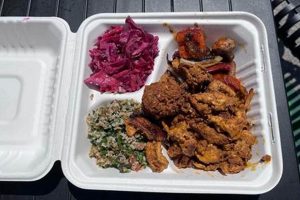
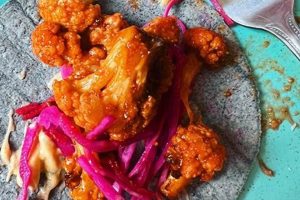
Dishes originating from the island nation prepared without animal products represent a growing culinary trend. These dishes utilize indigenous fruits, vegetables, legumes, and grains to create flavorful and satisfying meals. Examples include plant-based versions of traditional stews, curries, and patties, often featuring ingredients such as callaloo, ackee (prepared carefully), sweet potatoes, and coconut milk.
The significance of this style of cooking lies in its ability to cater to dietary preferences while retaining the rich cultural heritage of the region’s cuisine. It offers health benefits through the increased consumption of plant-based nutrients and supports sustainable agricultural practices by promoting the use of locally sourced ingredients. Historically, the Rastafarian movement has influenced the development of meat-free eating on the island, emphasizing a natural and Ital (vital) lifestyle.
The subsequent sections will delve into specific examples of popular dishes, explore the key ingredients utilized, and provide resources for individuals seeking to experience the diverse and vibrant tastes of this particular culinary field.
Essential Guidance for Exploring Plant-Based Jamaican Cuisine
The following recommendations aim to assist individuals in navigating the diverse landscape of meat-free options inspired by the flavors and ingredients of the island nation. Careful attention to sourcing and preparation is paramount.
Tip 1: Prioritize Local and Seasonal Produce: Authentic flavors are best achieved by utilizing fresh, locally sourced ingredients when possible. Seasonal fruits and vegetables offer optimal taste and nutritional value.
Tip 2: Master the Art of Coconut Milk Utilization: Coconut milk is a foundational ingredient, providing richness and depth to many dishes. Experiment with different consistencies, from thin milk to thick cream, to achieve desired textures.
Tip 3: Learn the Significance of Spices: Jamaican cuisine is known for its bold spice profiles. Familiarize oneself with commonly used spices such as allspice, thyme, scotch bonnet peppers (with caution), and ginger to recreate authentic flavors.
Tip 4: Explore Plant-Based Protein Sources: While meat is absent, adequate protein intake is crucial. Incorporate legumes like beans and peas, as well as tofu, tempeh, or nuts and seeds, into meal planning.
Tip 5: Understand Traditional Cooking Methods: Research and emulate traditional preparation techniques such as stewing, grilling, and baking to maintain the integrity of the dishes.
Tip 6: Be Mindful of Ackee Preparation: If incorporating ackee, ensure it is fully ripe and properly prepared, as unripe ackee contains toxins. Purchase from reputable sources or consult experienced cooks.
Tip 7: Recreate Classic Dishes with Plant-Based Alternatives: Experiment with adapting traditional recipes by substituting meat with plant-based alternatives. For example, use mushrooms in place of meat in stews.
Understanding the fundamental ingredients and cooking techniques can lead to a deeper appreciation for the culinary heritage and allow for confident exploration of this food type.
The subsequent sections will examine specific dishes in detail and provide further insight into their preparation and cultural context.
1. Local produce abundance

The significant availability of locally grown fruits, vegetables, legumes, and grains is a cornerstone of meat-free cuisine influenced by the Caribbean nation’s culinary practices. This abundance directly shapes the composition and character of dishes, enabling the creation of flavorful and nutritious meals without relying on animal products. The emphasis on utilizing what is readily available is a defining feature, reflecting both cultural traditions and practical considerations related to resource management.
Consider the ubiquitous use of callaloo, a leafy green vegetable, in various preparations. Its ready availability throughout the year allows it to be a staple ingredient in stews, soups, and side dishes. Similarly, the cultivation of root vegetables such as yams, sweet potatoes, and cassava provides a consistent source of carbohydrates. Fruits like mangoes, pineapples, and bananas contribute sweetness and nutritional value, further diversifying the range of potential meal options. The reliance on locally sourced ingredients not only ensures freshness but also promotes sustainable agricultural practices.
In conclusion, the plentiful supply of local produce is inextricably linked to the development and sustenance of meat-free cooking inspired by the island’s culinary traditions. This relationship fosters a diet rich in nutrients, supports local economies, and preserves cultural heritage by prioritizing the utilization of indigenous ingredients. Challenges may arise in ensuring consistent availability year-round, but the overall impact of local produce abundance remains a critical factor in shaping the nature of the cuisine.
2. Coconut Milk Centrality

Coconut milk holds a pivotal role in meat-free culinary traditions originating from the island nation. Its presence extends beyond mere ingredient status; it serves as a fundamental building block that defines the texture, flavor, and nutritional profile of numerous dishes. The versatility of coconut milk allows for its use in both sweet and savory applications, solidifying its position as an indispensable component.
- Emulsification and Texture Enhancement
Coconut milk functions as a natural emulsifier, binding together disparate ingredients and creating smooth, creamy textures. This is particularly important in dishes where meat-based fats would traditionally fulfill this role. For example, in meat-free stews and curries, coconut milk provides a richness and mouthfeel that would otherwise be absent. Its ability to create a cohesive sauce is essential for the overall success of many recipes.
- Flavor Infusion and Enhancement
The subtle sweetness and distinctive aroma of coconut milk contribute significantly to the overall flavor profile. It complements the spices and vegetables used in meat-free preparations, creating a harmonious blend of tastes. Coconut milk can temper the heat of Scotch bonnet peppers or enhance the savory notes of callaloo, demonstrating its capacity to balance and amplify flavors. The presence of coconut milk therefore adds a layer of complexity and depth to dishes, making them more appealing.
- Dairy Alternative and Nutritional Value
Coconut milk serves as a vital dairy alternative, providing essential fats and nutrients to those adhering to plant-based diets. It contributes to satiety and provides energy, compensating for the absence of animal-derived products. While coconut milk should be consumed in moderation due to its high saturated fat content, its nutritional contributions cannot be overlooked. For instance, it provides manganese, iron, and magnesium, all of which are important for overall health.
- Cultural and Culinary Significance
The use of coconut milk is deeply ingrained in the culinary heritage of the region. Coconuts are readily available and have been a staple food source for generations. This cultural significance translates into its widespread application across numerous dishes. Using coconut milk isn’t merely a practical decision; it’s a connection to the culinary traditions of the island and represents a continuation of long-standing practices.
The multifaceted role of coconut milk underscores its importance in meat-free cooking influenced by this area. It is more than just an ingredient; it is a defining element that shapes the taste, texture, and cultural identity of many dishes. Without coconut milk, a significant portion of meat-free culinary tradition would lack its characteristic richness and complexity, highlighting its undeniable centrality.
3. Spice blend complexity

The nuanced and intricate application of spices stands as a hallmark of meat-free dishes influenced by the Caribbean nation’s culinary traditions. These spice blends are not merely seasonings; they are carefully constructed compositions that contribute depth, warmth, and distinctive character to plant-based meals.
- Allspice as a Foundation
Allspice, also known as pimento, frequently serves as a foundational element in spice blends. Its complex flavor profile, reminiscent of cloves, nutmeg, cinnamon, and pepper, provides a warm and aromatic base upon which other spices are layered. In meat-free stews or curries, allspice lends a characteristic depth that mimics the savory notes traditionally associated with meat. Its inclusion demonstrates the intent to create rich and satisfying flavors in the absence of animal products.
- Scotch Bonnet Pepper for Heat and Flavor
The Scotch bonnet pepper, known for its intense heat and fruity undertones, plays a critical role in defining the spice profile. While its heat level demands cautious application, its unique flavor is essential. It is not simply about adding spiciness; it’s about introducing a distinctive flavor that differentiates the cuisine. Scotch bonnet peppers are often used to create marinades and seasonings that permeate plant-based dishes with a fiery and flavorful character.
- Ginger and Garlic as Aromatic Enhancers
Ginger and garlic frequently appear in combination, contributing aromatic complexity to plant-based preparations. These ingredients are often sauted as a base for stews or curries, infusing the dish with their pungent and savory notes. Their presence enhances the overall flavor profile and adds a layer of depth that elevates the dish beyond simple vegetable preparations.
- Thyme and Other Herbs for Fragrance and Balance
Thyme, along with other herbs such as scallions and cilantro, is used to add fragrant top notes and balance the overall flavor profile. These herbs contribute freshness and brightness, preventing the dishes from becoming overly heavy or monotonous. The use of herbs reflects a conscious effort to create well-rounded and appealing flavors.
The strategic use of spice blends is instrumental in transforming simple plant-based ingredients into complex and flavorful meat-free dishes. The careful selection and combination of spices demonstrate a deep understanding of flavor pairings and contribute significantly to the overall culinary experience. In the end it is a deliberate choice that ensures meat-free options deliver the bold and satisfying taste.
4. Plant-based protein focus

The emphasis on plant-based protein is a critical element in the context of meat-free Jamaican cuisine. Given the absence of animal products, sourcing adequate protein from plant-based alternatives becomes a central consideration in ensuring nutritional completeness and overall dietary balance. This focus is not merely a dietary necessity but also shapes the selection of ingredients and culinary techniques employed.
- Legumes as Dietary Staples
Legumes, encompassing beans, peas, and lentils, function as cornerstones of meat-free diets influenced by this area. Kidney beans, black-eyed peas, and chickpeas are frequently incorporated into stews, curries, and side dishes. These legumes provide a substantial source of protein, fiber, and complex carbohydrates. For example, curried chickpeas (channa masala) offer a protein-rich meal that is both flavorful and satisfying, demonstrating the potential of legumes to replace animal-based protein sources.
- Nuts and Seeds for Added Protein and Nutrients
Nuts and seeds contribute additional protein, healthy fats, and essential micronutrients. Cashews, peanuts, and pumpkin seeds can be used as snacks, additions to main dishes, or as ingredients in sauces and dressings. The incorporation of these ingredients enhances the nutritional value and texture of meals. For instance, the addition of roasted peanuts to a vegetable stir-fry provides a protein boost and a satisfying crunch.
- Tofu and Tempeh as Versatile Protein Sources
Tofu and tempeh, derived from soybeans, represent versatile protein sources that can be adapted to various culinary applications. These ingredients can be marinated, grilled, fried, or added to stews and stir-fries. They offer a neutral flavor profile that allows them to absorb the flavors of accompanying spices and sauces. Tofu scramble, seasoned with Jamaican spices, can serve as a protein-rich substitute for scrambled eggs, highlighting the adaptability of these ingredients.
- Leafy Greens and Vegetables for Protein Contribution
Certain leafy greens and vegetables, while not as concentrated in protein as legumes or tofu, still contribute to overall protein intake. Callaloo, spinach, and broccoli provide a modest amount of protein, along with essential vitamins and minerals. Their incorporation into dishes, along with other protein sources, ensures a more comprehensive and balanced nutritional profile. For example, a callaloo soup with added lentils provides both protein and essential nutrients from plant-based sources.
The emphasis on plant-based protein fundamentally shapes the composition of meat-free cooking derived from this region. The strategic incorporation of legumes, nuts, seeds, tofu, and protein-rich vegetables ensures that meals are not only flavorful and culturally relevant but also nutritionally complete. It is through this careful attention to protein sourcing that meat-free cuisine can be a sustainable and healthful dietary option.
5. Rastafarian influences

The Rastafarian movement has exerted a significant influence on the development and popularization of meat-free practices within Jamaican culinary traditions. This influence stems from the Rastafarian emphasis on natural living, spiritual connection to the earth, and a rejection of what is perceived as Babylon (Westernized societal structures). The Rastafarian lifestyle, often referred to as “Ital,” promotes a diet that is pure, natural, and free from processed foods, chemicals, and animal products.
- The Ital Diet and its Principles
The Ital diet forms the foundation of Rastafarian dietary practices. The term “Ital” signifies vitality and purity. Core principles include abstaining from meat, processed foods, artificial additives, and often salt. Emphasis is placed on consuming fresh, locally grown fruits, vegetables, legumes, and grains. The adherence to Ital is not solely for health reasons; it is viewed as a spiritual practice that connects individuals to the earth and promotes inner peace. For example, dishes prepared according to Ital principles often feature callaloo, coconut milk, yams, and beans, all cooked without salt or artificial flavorings.
- Rejection of Meat Consumption
Rastafarians typically abstain from meat consumption due to its association with death, decay, and the perceived corruption of the modern world. Meat is viewed as unnatural and detrimental to spiritual purity. This rejection of meat has directly contributed to the proliferation of meat-free recipes and culinary traditions within Jamaican society. It is not uncommon to find restaurants and home cooks offering plant-based versions of traditional dishes to cater to those adhering to Ital principles.
- Emphasis on Natural and Unprocessed Foods
The Ital diet prioritizes natural and unprocessed foods, promoting the consumption of ingredients in their most original state. This emphasis has led to the widespread use of fresh, locally sourced produce in meat-free cooking. Ingredients are prepared in ways that minimize processing and retain their natural flavors and nutrients. For example, vegetables are often steamed or lightly cooked to preserve their nutritional value, rather than being heavily processed or fried.
- Use of Indigenous Ingredients
The Rastafarian movement has encouraged the use of indigenous ingredients in cooking, celebrating the culinary heritage of the region. This has led to the increased popularity of ingredients such as ackee (prepared with caution), callaloo, breadfruit, and various types of yams. These ingredients are not only central to Jamaican cuisine but also align with the Ital principles of utilizing natural, locally available resources. The focus on indigenous ingredients also supports local farmers and promotes sustainable agriculture.
In conclusion, the Rastafarian movement’s emphasis on Ital principles has significantly shaped the landscape of meat-free Jamaican cooking. The rejection of meat, the focus on natural and unprocessed foods, and the celebration of indigenous ingredients have all contributed to the development of a vibrant and diverse culinary tradition that continues to evolve. This influence is evident in the numerous meat-free dishes available and the growing awareness of plant-based options within the region.
Frequently Asked Questions Regarding Meat-Free Culinary Practices Influenced by the Island Nation
This section addresses common inquiries and clarifies key aspects of cooking inspired by the island while excluding animal products. The objective is to provide accurate and concise information.
Question 1: What defines a dish as belonging to this category?
A dish is categorized as such if it adheres to plant-based principles, excluding all animal products, while incorporating flavors, ingredients, and culinary techniques characteristic of the region’s traditional cuisine. This often includes staples like callaloo, coconut milk, yams, and specific spice blends.
Question 2: Is it possible to authentically replicate traditional flavors without meat?
Yes, through the strategic use of spices, herbs, and plant-based ingredients, it is feasible to achieve authentic flavor profiles. The skillful application of allspice, Scotch bonnet peppers, thyme, and other seasonings can mimic the depth and complexity traditionally associated with meat-based dishes.
Question 3: Where can individuals locate recipes and resources for preparing these dishes?
Recipes and resources can be found in various cookbooks specializing in Caribbean cuisine, online culinary platforms, and through consultations with chefs or cooks experienced in meat-free variations of traditional fare.
Question 4: What are some commonly used protein sources?
Commonly utilized protein sources include legumes (beans, peas, lentils), nuts and seeds, tofu, tempeh, and certain protein-rich vegetables. These ingredients provide essential amino acids necessary for a balanced diet.
Question 5: Is adhering to this style of eating expensive?
The cost can vary depending on ingredient selection and purchasing habits. Utilizing locally sourced, seasonal produce can often be more economical. Conversely, importing specialized ingredients may increase expenses.
Question 6: How does the Rastafarian Ital diet relate to meat-free cooking in the region?
The Rastafarian Ital diet, which emphasizes natural, unprocessed foods and abstains from meat, has significantly influenced the development and popularization of meat-free culinary practices. Ital principles promote the use of fresh, locally grown ingredients and the avoidance of artificial additives.
In conclusion, the cuisine is a diverse and flavorful field, providing a healthful and sustainable approach to experiencing Caribbean culinary traditions without relying on animal products. Careful attention to ingredient selection and preparation techniques is key to successfully replicating authentic flavors.
The subsequent section will explore specific recipes and offer detailed instructions for preparing popular dishes.
jamaica vegan food
This exploration has detailed the core elements of meat-free cuisine inspired by the island’s culinary heritage. The abundance of local produce, the centrality of coconut milk, the complexity of spice blends, the focus on plant-based protein, and the influence of Rastafarian Ital principles collectively define this distinct culinary field. The potential to recreate authentic flavors through strategic ingredient selection and preparation techniques has been underscored.
The continued evolution of the cuisine, driven by both dietary preferences and ethical considerations, suggests a growing relevance in the global culinary landscape. Its significance lies not only in its ability to provide nutritious and flavorful plant-based meals but also in its preservation and promotion of cultural heritage. Further investigation into specific recipes and regional variations is encouraged to deepen understanding and appreciation.