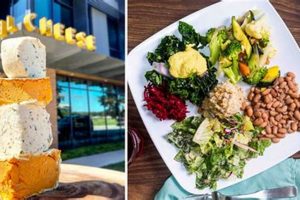
The availability of plant-based meals when dining out offers individuals adhering to vegan dietary guidelines choices aligned with their ethical and health considerations. For a breakfast and brunch establishment, providing plant-based alternatives expands its customer base and caters to a growing segment of the population. For example, a diner might offer tofu scrambles, vegan pancakes, or plant-based breakfast burritos, allowing vegan patrons to enjoy a satisfying breakfast experience.
Offering these choices is important because it promotes inclusivity and accessibility for individuals with diverse dietary needs. Such accommodations can boost a business’s reputation, fostering customer loyalty and positive word-of-mouth. Historically, plant-based dining options were limited, but increasing awareness of animal welfare and the environmental impact of animal agriculture has driven demand for more vegan-friendly choices, leading establishments to adapt their menus.
This article will delve into the specific characteristics and advantages of menu items that fulfill vegan needs in a brunch setting, exploring factors to consider in the planning and execution of plant-based options, and offering resources for establishments looking to develop and promote their vegan-friendly offerings.
Tips for Developing Plant-Based Menu Selections
Considerations for crafting and implementing successful menu items catering to plant-based diets require careful attention to ingredients, preparation methods, and consumer perception. The following tips provide guidance for restaurants seeking to enhance their appeal to vegan diners.
Tip 1: Ingredient Sourcing: Prioritize sourcing high-quality, fresh, and ethically produced plant-based ingredients. Collaborate with local farmers and suppliers to ensure availability and sustainability. Verify that products are certified vegan and free from animal-derived additives.
Tip 2: Menu Item Creativity: Develop unique and flavorful offerings that extend beyond basic substitutions. Explore innovative plant-based recipes that showcase the versatility of vegetables, legumes, grains, and plant-based proteins. For instance, create a jackfruit-based carnitas taco or a tempeh Reuben sandwich.
Tip 3: Allergen Awareness: Clearly label all menu items with allergen information, including potential cross-contamination risks. Provide detailed ingredient lists for patrons with allergies or sensitivities. Consider offering gluten-free and soy-free options to accommodate a wider range of dietary needs.
Tip 4: Nutritional Considerations: Ensure that plant-based dishes provide adequate protein, vitamins, and minerals. Incorporate nutrient-dense ingredients such as leafy greens, nuts, seeds, and fortified plant-based milks. Consult with a registered dietitian to optimize the nutritional profile of vegan menu selections.
Tip 5: Staff Training: Educate kitchen and service staff about vegan dietary restrictions, ingredient substitutions, and proper handling of plant-based foods. Emphasize the importance of preventing cross-contamination with animal products. Equip staff to confidently answer customer inquiries regarding vegan menu options.
Tip 6: Menu Placement and Description: Strategically position plant-based items on the menu and use descriptive language to highlight their appealing qualities. Employ vibrant imagery to showcase the visual appeal of the dishes. Avoid using terms that imply restriction or sacrifice; instead, focus on flavor and health benefits.
Tip 7: Feedback and Iteration: Regularly solicit feedback from vegan customers regarding their dining experience and menu preferences. Use this information to refine existing dishes and develop new menu items. Stay informed about emerging trends in plant-based cuisine to maintain a competitive edge.
Implementing these guidelines promotes greater appeal and accessibility to vegan demographics, potentially increasing revenue and creating a positive brand association. By adopting these strategies, establishments can establish a loyal customer base and successfully navigate the changing food landscape.
Having explored strategies for integrating plant-based food options, the next step involves examining effective marketing techniques to boost visibility.
1. Menu Diversification

Menu diversification, specifically through the inclusion of plant-based alternatives, directly enhances the appeal and accessibility of “snooze vegan options.” The limited availability of such options often deters vegan patrons. Expanding the menu to include vegan-friendly breakfast items addresses this concern and caters to a broader audience. A cause-and-effect relationship exists: a wider variety of vegan choices leads to increased customer satisfaction and patronage from individuals adhering to plant-based diets. For instance, offering both a traditional egg-based omelet and a tofu scramble as alternatives fosters inclusivity and demonstrates responsiveness to diverse dietary needs.
The importance of menu diversification as a component of successful “snooze vegan options” is underscored by the increasing prevalence of veganism and plant-based diets. Restaurants that fail to adapt risk alienating a significant and growing segment of the population. The practical significance of understanding this connection lies in the potential for increased revenue and enhanced brand image. A real-world example is a breakfast establishment that initially offered only one vegan item. After expanding its vegan offerings, it experienced a substantial increase in customer traffic and positive online reviews from vegan patrons, directly correlating menu diversification with business success.
In conclusion, menu diversification is a crucial element in the effectiveness of “snooze vegan options.” Addressing the need for plant-based choices not only caters to vegan customers but also positions the establishment as inclusive and forward-thinking. The challenge lies in ensuring the quality and variety of these options to meet customer expectations. By embracing menu diversification and prioritizing plant-based alternatives, breakfast restaurants can attract a wider audience, enhance customer satisfaction, and improve their overall business performance, aligning with broader trends in health-conscious dining.
2. Ingredient Sourcing
Ingredient sourcing is intrinsically linked to the success and authenticity of plant-based breakfast options. The quality, origin, and ethical production of ingredients directly impact the taste, nutritional value, and overall appeal of “snooze vegan options.” A cause-and-effect relationship exists: substandard or unethical sourcing negatively affects product quality, diminishing customer satisfaction, whereas a commitment to high-quality, sustainably sourced ingredients enhances product perception and drives repeat business. For example, using locally sourced, organic produce for a vegan breakfast burrito not only tastes better but also appeals to environmentally conscious consumers. The integrity of ingredient sourcing forms the foundation upon which a credible vegan menu is built.
The importance of ingredient sourcing extends beyond mere culinary considerations. It encompasses ethical concerns related to animal welfare, environmental impact, and fair labor practices. Sourcing plant-based milk alternatives from companies with transparent and sustainable practices, or using ethically sourced coffee beans to complement vegan breakfast pastries, aligns the establishment with consumer values. The practical significance of this approach is demonstrated by businesses that actively promote their commitment to ethical sourcing, attracting customers who prioritize values-driven purchasing decisions. Transparency in ingredient origins can be a powerful marketing tool, building trust and fostering brand loyalty. Furthermore, careful ingredient selection mitigates the risk of cross-contamination with animal products, which is crucial for maintaining the integrity of vegan offerings and safeguarding against potential allergic reactions.
In conclusion, strategic ingredient sourcing is paramount to the viability and effectiveness of “snooze vegan options.” Prioritizing quality, ethical production, and transparency not only enhances the culinary experience but also resonates with the values of vegan consumers. The challenges associated with ingredient sourcing, such as identifying reliable suppliers and managing costs, are outweighed by the potential benefits of increased customer satisfaction, enhanced brand reputation, and alignment with broader trends in sustainable and ethical dining. By investing in responsible ingredient sourcing, breakfast establishments can solidify their commitment to providing authentic and appealing vegan options, fostering long-term success in a competitive market.
3. Nutritional Balance

Nutritional balance constitutes a critical consideration in the development and presentation of plant-based breakfast offerings. A well-composed vegan meal must provide adequate levels of macronutrients (protein, carbohydrates, and fats) and micronutrients (vitamins and minerals) to ensure satiety, sustained energy, and overall health. A direct cause-and-effect relationship exists: breakfasts lacking essential nutrients can lead to early hunger, diminished cognitive function, and potential nutrient deficiencies over time. The importance of nutritional balance is amplified within the context of vegan diets, which, without careful planning, may be deficient in nutrients commonly found in animal products, such as vitamin B12, iron, and calcium. For instance, a serving of vegan pancakes made with refined flour and lacking a protein source would be nutritionally inferior to a serving of whole-grain vegan pancakes topped with nuts, seeds, and fruit.
The practical significance of understanding the nutritional requirements of vegan diets lies in the opportunity to create breakfast menu items that are not only palatable but also contribute to the well-being of patrons. Menu items should include components that address potential nutrient gaps, such as fortified plant-based milks, protein-rich ingredients like tofu or tempeh, and sources of omega-3 fatty acids like flax seeds or chia seeds. Restaurants can further enhance the nutritional profile of their vegan options by incorporating diverse vegetables and fruits, which provide essential vitamins, minerals, and fiber. Providing detailed nutritional information on the menu, including macronutrient breakdowns and key micronutrient content, empowers customers to make informed choices that align with their individual dietary needs. Furthermore, collaborating with registered dietitians can ensure that vegan menu items meet recognized nutritional standards.
In conclusion, ensuring nutritional balance is paramount to the success and credibility of “snooze vegan options.” A nutritionally complete vegan breakfast not only satisfies immediate hunger but also contributes to long-term health and well-being. The challenges associated with formulating balanced vegan meals, such as addressing potential nutrient deficiencies and appealing to diverse palates, are outweighed by the benefits of attracting health-conscious customers and promoting a positive brand image. By prioritizing nutritional balance and transparently communicating the nutritional benefits of their offerings, breakfast establishments can establish a loyal customer base and solidify their position as providers of healthful and satisfying plant-based options.
4. Flavor Innovation
Flavor innovation serves as a crucial driver in the acceptance and popularity of plant-based breakfast offerings. Beyond simply replicating traditional breakfast fare without animal products, novel flavor combinations and culinary techniques are essential to captivating the palates of both vegan and non-vegan patrons.
- Ingredient Transformation
This facet explores the innovative use of plant-based ingredients to mimic or enhance familiar flavors and textures. For example, jackfruit, often used in savory dishes, can be transformed into a sweet, pulled “pork” alternative for vegan breakfast sandwiches. Similarly, aquafaba, the liquid from canned chickpeas, can be whipped into a meringue for light and airy vegan pancakes. These transformations demonstrate the creative potential of plant-based ingredients to deliver satisfying and unexpected culinary experiences.
- Global Fusion
Incorporating flavors and techniques from global cuisines expands the flavor profile of vegan breakfast items. Indian-spiced tofu scrambles, Mexican-inspired vegan breakfast burritos with plant-based chorizo, and Japanese-inspired okonomiyaki pancakes with vegan toppings exemplify this trend. By drawing inspiration from diverse culinary traditions, restaurants can offer unique and intriguing vegan options that appeal to a wider audience.
- Umami Enhancement
Umami, the savory fifth taste, is often associated with meat and cheese. Innovatively enhancing umami in vegan dishes is vital for creating satisfying and flavorful breakfast options. This can be achieved through the use of ingredients such as roasted vegetables, mushrooms, nutritional yeast, miso paste, and seaweed. Incorporating these ingredients adds depth and complexity to vegan dishes, making them more appealing and palatable.
- Textural Contrast
The interplay of textures contributes significantly to the overall dining experience. Vegan breakfast dishes benefit from incorporating a variety of textures, such as the creaminess of avocado, the crunch of granola, the chewiness of dried fruit, and the crispness of toasted nuts. Layering textures creates a more engaging and satisfying eating experience, making plant-based meals more appealing to a broad range of palates. For instance, a vegan yogurt parfait with layers of creamy coconut yogurt, crunchy granola, and soft berries offers a diverse textural profile.
These facets of flavor innovation collectively contribute to the overall success of vegan breakfast options. By embracing creative ingredient transformations, drawing inspiration from global cuisines, enhancing umami, and incorporating textural contrasts, restaurants can elevate plant-based meals from mere substitutions to culinary experiences that are both satisfying and memorable. The ongoing evolution of flavor innovation within the plant-based culinary landscape holds the potential to further expand the appeal and accessibility of “snooze vegan options,” attracting a wider audience and driving the growth of vegan dining.
5. Allergen Awareness

Allergen awareness is a critical component of responsible and inclusive vegan menu development. The provision of “snooze vegan options” inherently involves addressing the potential presence of common allergens within plant-based ingredients. A direct cause-and-effect relationship exists: inadequate allergen labeling or preparation protocols can lead to severe allergic reactions in susceptible individuals, resulting in significant health risks and potential legal liabilities. The importance of allergen awareness is magnified in vegan cuisine due to the reliance on specific ingredients like nuts, seeds, soy, and gluten, which are themselves common allergens. For example, a vegan pesto pasta dish made with pine nuts may pose a significant risk to individuals with nut allergies if not clearly labeled. In addition, cross-contamination during food preparation is a risk that needs to be prevented.
Furthermore, allergen awareness enhances the overall customer experience and builds trust. Clearly identifying potential allergens on the menu allows patrons with dietary restrictions to make informed choices and dine with confidence. This may involve providing detailed ingredient lists, highlighting potential cross-contamination risks, and training staff to answer questions accurately about allergen-related concerns. Practical application includes having separate food preparation areas and cooking utensils to minimize cross-contamination. Providing clearly marked gluten-free alternatives to wheat-based dishes illustrates a restaurant’s commitment to accommodating diverse dietary needs and demonstrates responsible food handling practices. In essence, proactive allergen management can differentiate an establishment and solidify its reputation for safety and inclusivity.
In conclusion, allergen awareness is indispensable to the responsible implementation of “snooze vegan options.” Addressing potential allergen risks through accurate labeling, stringent preparation protocols, and comprehensive staff training is not merely a matter of regulatory compliance but a fundamental aspect of ethical and customer-centric service. Challenges associated with allergen management, such as sourcing allergen-free ingredients and preventing cross-contamination, are offset by the benefits of enhanced customer trust, reduced liability, and alignment with broader trends in health-conscious dining. By prioritizing allergen awareness, breakfast establishments can ensure that their vegan offerings are safe, accessible, and appealing to a wide range of customers, regardless of their dietary restrictions.
6. Marketing Strategy

A strategic marketing approach is critical to the successful promotion and adoption of plant-based breakfast selections. The effectiveness of “snooze vegan options” hinges not only on the quality of the food but also on the ability to effectively communicate their availability and appeal to a target audience. A direct cause-and-effect relationship exists: a well-defined marketing strategy can significantly increase awareness, drive traffic, and boost sales of vegan menu items, whereas a lack of strategic promotion can result in underutilization and limited market penetration. The importance of marketing in this context stems from the need to overcome potential consumer misconceptions about plant-based cuisine, highlight its health benefits, and showcase its culinary appeal. For example, a restaurant that offers delicious vegan breakfast options but fails to effectively communicate their availability through targeted advertising or social media campaigns may struggle to attract vegan and health-conscious customers.
The practical application of a strategic marketing plan involves several key elements. First, identifying the target audience is essential, which may include vegans, vegetarians, flexitarians, health-conscious individuals, and environmentally aware consumers. Second, crafting compelling messaging that emphasizes the flavor, health benefits, and ethical considerations associated with “snooze vegan options” is crucial. This can involve using vibrant photography and descriptive language to showcase the visual appeal and taste of plant-based dishes. Third, utilizing a multi-channel marketing approach, including social media marketing, email marketing, influencer collaborations, and public relations, can effectively reach the target audience. A real-world example includes a breakfast establishment that partnered with local vegan bloggers and Instagram influencers to promote its new plant-based menu items, resulting in a significant increase in social media engagement and website traffic. Offering promotional discounts or loyalty programs for vegan customers can further incentivize trial and repeat purchases. Furthermore, integrating customer feedback into the marketing strategy can help refine messaging and tailor offerings to meet evolving consumer preferences.
In conclusion, a comprehensive marketing strategy is indispensable for maximizing the impact and success of “snooze vegan options.” It facilitates awareness, builds excitement, and drives consumer adoption of plant-based breakfast alternatives. The challenges associated with marketing vegan cuisine, such as overcoming negative stereotypes and competing with traditional breakfast offerings, are outweighed by the potential benefits of increased customer loyalty, enhanced brand reputation, and alignment with growing consumer demand for plant-based options. By strategically promoting their vegan breakfast selections, establishments can attract a broader audience, increase revenue, and solidify their position as leaders in the evolving culinary landscape.
Frequently Asked Questions Regarding Vegan Breakfast Choices
This section addresses common inquiries and concerns pertaining to plant-based breakfast options, providing clarity and dispelling potential misconceptions.
Question 1: What constitutes a vegan breakfast option?
A vegan breakfast option is defined as a meal entirely free from animal products, including meat, dairy, eggs, and honey. Ingredients are derived exclusively from plant-based sources.
Question 2: Are plant-based breakfasts nutritionally adequate?
A properly planned plant-based breakfast can be nutritionally complete, providing essential macronutrients and micronutrients. Careful attention to protein sources, vitamin B12, iron, and calcium is necessary.
Question 3: How can restaurants ensure they are accurately labeling vegan items?
Restaurants must meticulously verify ingredients and preparation methods to prevent cross-contamination with animal products. Clear and concise labeling is essential for transparency.
Question 4: What are some common substitutions in vegan breakfast recipes?
Common substitutions include using tofu in place of eggs for scrambles, plant-based milk alternatives for dairy milk, and maple syrup or agave nectar in lieu of honey. Plant-based butter alternatives are also used in baking and cooking.
Question 5: What are the benefits of offering these options on breakfast menus?
Offering plant-based breakfast options expands the customer base, caters to diverse dietary needs, and aligns with growing consumer demand for sustainable and ethical food choices. Positive brand perception may also be obtained.
Question 6: How can restaurants promote their plant-based breakfast menu effectively?
Effective promotion involves highlighting the flavor, nutritional benefits, and ethical considerations of plant-based options. Targeted marketing campaigns and collaborations with vegan influencers can enhance visibility.
These frequently asked questions underscore the importance of informed decision-making and transparent communication regarding plant-based breakfast offerings.
The next segment will explore specific plant-based breakfast recipes and their potential health implications.
Conclusion
This exploration of “snooze vegan options” has underscored the multifaceted considerations required for their successful implementation. Key aspects such as menu diversification, ingredient sourcing, nutritional balance, flavor innovation, allergen awareness, and strategic marketing have been examined. The analysis reveals that integrating plant-based alternatives into breakfast menus is not merely a matter of substitution but a comprehensive undertaking that demands careful planning and execution.
The ongoing shift towards plant-based diets presents a significant opportunity for breakfast establishments to adapt and thrive. The continued success of “snooze vegan options” relies on a commitment to quality, transparency, and a deep understanding of the evolving needs and preferences of consumers. Further research and development in plant-based cuisine will undoubtedly pave the way for even more innovative and compelling offerings in the future. Embracing this trend demonstrates a commitment to inclusivity, sustainability, and the well-being of patrons.