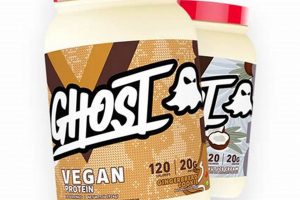
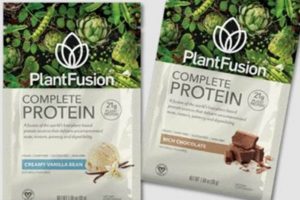
Protein supplements formulated without animal-derived ingredients or gluten-containing components offer a dietary option for individuals with specific dietary restrictions or preferences. These products typically derive their protein content from sources such as peas, brown rice, soy, or various seeds. A common application involves incorporating the supplement into smoothies or shakes to augment protein intake.
These specialized powders address the nutritional needs of those adhering to plant-based diets or managing gluten sensitivities. Historically, obtaining adequate protein on a vegan diet required careful planning. Similarly, individuals with celiac disease or gluten intolerance face challenges in finding protein sources that are both safe and palatable. These supplements offer a convenient and reliable way to meet daily protein requirements, supporting muscle recovery, satiety, and overall health.
The subsequent sections will delve into the specific protein sources utilized, examine the nutritional profiles commonly observed, and discuss potential considerations when selecting a suitable product.
Selecting a Suitable Plant-Based, Gluten-Free Protein Supplement
The following recommendations are provided to assist in the selection of a plant-based protein supplement free from gluten. These guidelines prioritize nutritional value, ingredient transparency, and suitability for individual dietary needs.
Tip 1: Source Verification: Scrutinize the protein source. Pea protein, brown rice protein, and blends of various plant-based proteins are common. Research the amino acid profile of each source to ensure adequate intake of essential amino acids.
Tip 2: Ingredient List Analysis: Examine the ingredient list for hidden sources of gluten or animal-derived products. Be wary of ambiguous terms such as “natural flavoring,” which may conceal problematic components. Seek out products with clearly defined and recognizable ingredients.
Tip 3: Third-Party Certification: Prioritize products that have undergone third-party certification for gluten-free status and vegan compliance. Certifications from reputable organizations provide assurance of product integrity and adherence to labeling claims.
Tip 4: Sugar Content Assessment: Evaluate the sugar content per serving. Excess sugar can negate the health benefits associated with protein supplementation. Opt for products with minimal added sugars or those sweetened with natural, low-glycemic alternatives.
Tip 5: Allergen Awareness: Consider potential allergens beyond gluten. Soy, nuts, and seeds are common ingredients in plant-based protein powders and may pose a risk to individuals with specific allergies. Choose products formulated to minimize cross-contamination risks.
Tip 6: Protein Content per Serving: Assess the protein content per serving to align with individual protein requirements and fitness goals. A general recommendation is to aim for a product that provides at least 20 grams of protein per serving.
Tip 7: Read Review Carefully: Consult reviews and testimonials from other consumers, specifically those with similar dietary needs or restrictions. This can provide valuable insights into product taste, digestibility, and overall effectiveness.
Adherence to these recommendations can facilitate the selection of a plant-based protein supplement, free from gluten, that effectively supports individual health and fitness objectives while accommodating specific dietary needs.
The subsequent section will address strategies for incorporating the chosen product into a balanced dietary regimen and optimizing its utilization for various fitness and health-related goals.
1. Protein Source

The protein source is a foundational consideration in the formulation and selection of any protein powder, particularly when adhering to both vegan and gluten-free dietary restrictions. The protein source dictates the amino acid profile, digestibility, and overall nutritional value of the supplement, significantly impacting its suitability for individual health and fitness goals.
- Amino Acid Profile Completeness
Plant-based protein sources often exhibit incomplete amino acid profiles, meaning they may lack sufficient quantities of one or more essential amino acids. Lysine, methionine, and tryptophan are common limiting amino acids in vegan protein sources. Manufacturers often address this limitation through blending multiple protein sources or adding individual amino acids to create a more complete profile. The completeness of the amino acid profile directly affects the supplement’s ability to support muscle protein synthesis and overall physiological function.
- Digestibility and Bioavailability
The digestibility and bioavailability of protein sources vary depending on factors such as the presence of antinutritional factors and the processing methods employed. Raw legumes, for example, contain trypsin inhibitors that can reduce protein absorption. Processing techniques such as heat treatment and enzymatic hydrolysis can improve digestibility and bioavailability. Proper protein digestion ensures that the amino acids are absorbed efficiently and utilized by the body.
- Allergenicity and Sensitivities
Certain plant-based protein sources, such as soy, are known allergens. Others, while not considered major allergens, may cause sensitivities or digestive discomfort in some individuals. Manufacturers must clearly label potential allergens and implement measures to minimize cross-contamination. Individuals with known allergies or sensitivities should carefully review the ingredient list and consider hypoallergenic alternatives such as rice protein or pea protein.
- Sustainability and Ethical Considerations
The environmental impact of protein production varies depending on the source and farming practices employed. Some plant-based protein sources, such as soy, have been associated with deforestation and land use changes. Other sources, such as pea protein, are considered more sustainable due to their lower water and fertilizer requirements. Consumers increasingly prioritize sustainability and ethical considerations when selecting protein supplements, favoring options that minimize environmental impact and support responsible sourcing practices.
In summary, the selection of a protein source for plant-based, gluten-free protein powder requires careful consideration of amino acid profile completeness, digestibility, allergenicity, and sustainability. Manufacturers must prioritize ingredient transparency and employ processing methods that optimize nutritional value and minimize potential risks. Consumers should evaluate these factors in relation to their individual needs and preferences to make an informed decision.
2. Amino Acid Profile

The amino acid profile of a protein powder is a crucial determinant of its nutritional quality, especially in the context of vegan and gluten-free options. Plant-based proteins, unlike animal proteins, often present incomplete amino acid profiles, wherein one or more of the nine essential amino acids are present in limited quantities. This deficiency can hinder optimal protein synthesis within the body, impacting muscle recovery, immune function, and overall health. Therefore, understanding and addressing the amino acid profile becomes a paramount concern when selecting a vegan and gluten-free protein powder.
Manufacturers of these specialized protein powders employ various strategies to improve the amino acid profile. One common method involves blending multiple plant-based protein sources, each with its strengths and weaknesses in specific amino acids. For instance, combining brown rice protein (typically low in lysine) with pea protein (relatively high in lysine) can create a more balanced profile. Another approach is to supplement the protein powder with individual amino acids, effectively fortifying it to meet the recommended daily intake. The efficacy of these strategies is demonstrable in products that undergo rigorous testing to verify their amino acid content, providing consumers with reliable information regarding nutritional completeness.
In conclusion, the amino acid profile represents a critical facet of vegan and gluten-free protein powder. The inherent limitations of plant-based proteins necessitate careful consideration of amino acid composition. Blending protein sources or fortifying with individual amino acids are strategies employed to enhance the nutritional quality. Ultimately, a comprehensive understanding of the amino acid profile empowers consumers to make informed choices, ensuring the selected protein powder effectively supports their dietary needs and health objectives.
3. Ingredient Transparency

Ingredient transparency is paramount in the context of vegan and gluten-free protein powder. The absence of animal-derived ingredients and gluten must be unequivocally verifiable to meet the needs of individuals with dietary restrictions or ethical considerations. Vague or ambiguous ingredient lists create uncertainty and undermine consumer trust. For example, the term “natural flavors” can potentially conceal non-vegan components or trace amounts of gluten, rendering the product unsuitable for its intended audience. Conversely, products with detailed ingredient disclosures, specifying the precise origin and composition of each component, offer assurance and enable informed purchasing decisions.
The effects of inadequate ingredient transparency extend beyond mere consumer inconvenience. Individuals with celiac disease or severe gluten intolerance may experience adverse health consequences from consuming even minute quantities of gluten. Similarly, strict vegans could unknowingly violate their ethical principles if animal-derived ingredients are hidden within opaque labeling. This underscores the importance of clear, comprehensive labeling practices in the protein powder industry. Responsible manufacturers provide detailed information regarding sourcing, processing, and allergen control measures, allowing consumers to assess the suitability of the product for their specific needs.
In conclusion, ingredient transparency serves as a cornerstone of trust and safety in the vegan and gluten-free protein powder market. It empowers consumers to make informed choices aligned with their dietary restrictions and ethical values, while mitigating potential health risks. The challenge lies in ensuring that all manufacturers adhere to rigorous labeling standards and prioritize clear communication with consumers regarding the composition and origin of their products. This commitment to transparency is essential for fostering a sustainable and trustworthy market for plant-based protein supplements.
4. Digestibility

Digestibility represents a significant factor influencing the utilization and effectiveness of plant-based protein powders formulated without gluten. Plant-based protein sources inherently contain varying levels of antinutritional factors, such as phytates and tannins, which can inhibit the absorption of nutrients and reduce protein digestibility. For individuals with compromised digestive systems or those transitioning to a higher plant-based diet, these factors can manifest as bloating, gas, or general discomfort. The method of processing significantly affects digestibility. For example, sprouted grains or fermentation techniques can reduce antinutritional factors, thereby enhancing protein bioavailability.
Furthermore, the absence of gluten, while beneficial for individuals with celiac disease or gluten sensitivities, necessitates careful consideration of other ingredients that could impact digestion. Some thickeners or binding agents used as gluten replacements may cause digestive upset in susceptible individuals. Real-world examples include individuals experiencing gastrointestinal distress after consuming protein powders containing high levels of gums or artificial sweeteners. Therefore, selecting a protein powder with minimal additives and a focus on naturally digestible plant-based sources is crucial.
In summary, the digestibility of plant-based, gluten-free protein powders directly impacts their nutritional value and tolerability. Manufacturers must prioritize processing techniques that minimize antinutritional factors and carefully select ingredients that support optimal digestion. Consumers should carefully evaluate the ingredient list, considering their individual digestive sensitivities, to ensure the chosen protein powder effectively contributes to their overall health and wellness without causing adverse effects.
5. Certifications

Certifications represent a critical element in the realm of plant-based, gluten-free protein powders, serving as independent verification of product claims. The absence of animal-derived ingredients and gluten is often a primary concern for consumers seeking these products. Third-party certifications, such as those from organizations specializing in vegan or gluten-free verification, provide assurance that the protein powder meets specific criteria. Without such certification, consumers rely solely on the manufacturer’s claims, which may lack objectivity. The presence of a credible certification mark on the product packaging indicates adherence to rigorous standards and testing protocols.
The impact of certifications extends beyond mere assurance. For individuals with celiac disease, even trace amounts of gluten can trigger adverse health reactions. Similarly, individuals adhering to strict vegan principles require confirmation that no animal products or by-products are present. Certifications act as a safeguard, minimizing the risk of accidental ingestion of prohibited substances. Organizations like the Vegan Action Foundation and the Gluten-Free Certification Organization (GFCO) have established widely recognized standards, setting thresholds for permissible levels of contaminants. Products bearing their seals undergo regular audits and testing to maintain compliance. Failure to meet these standards results in revocation of certification.
In conclusion, certifications provide a tangible and verifiable means of validating the claims associated with plant-based, gluten-free protein powders. They serve as a crucial tool for consumers seeking assurance of product integrity and alignment with their dietary needs or ethical values. While certifications are not a substitute for careful scrutiny of ingredient lists, they offer an additional layer of protection and contribute to a more transparent and trustworthy market for specialized protein supplements. The onus remains on manufacturers to seek and maintain credible certifications to foster consumer confidence and uphold product quality.
6. Sugar Content

The sugar content of plant-based, gluten-free protein powders warrants careful consideration, particularly for individuals managing blood sugar levels or seeking to minimize added sugars in their diet. While these protein powders serve a valuable role in providing essential nutrients, excessive sugar can detract from their overall health benefits.
- Impact on Glycemic Response
High sugar content can lead to a rapid increase in blood glucose levels, potentially problematic for individuals with diabetes or insulin resistance. The glycemic index (GI) and glycemic load (GL) of the protein powder, influenced by the type and amount of sugar present, directly affect this response. Products with lower GI and GL values are preferable to minimize blood sugar fluctuations.
- Source of Added Sugars
The types of sugars used in plant-based, gluten-free protein powders vary widely. Some products contain refined sugars like sucrose or glucose, while others utilize natural sweeteners such as stevia, monk fruit extract, or erythritol. The nutritional impact differs significantly between these options. Natural sweeteners generally have a lower glycemic impact than refined sugars, but individual responses may vary.
- Caloric Contribution
Added sugars contribute calories without providing substantial nutritional value. Excessive sugar intake can contribute to weight gain and related health issues. It is important to evaluate the total caloric content of the protein powder and assess the proportion derived from added sugars. Opting for protein powders with minimal or no added sugars helps maintain a balanced caloric intake.
- Influence on Taste and Palatability
Sugar often serves to enhance the taste and palatability of protein powders, which can sometimes have a naturally bland or earthy flavor. However, excessive reliance on sugar to improve taste can compromise the nutritional profile. Formulations that balance taste with minimal added sugars, or those that utilize natural flavorings effectively, represent a preferable alternative.
In summary, monitoring the sugar content of plant-based, gluten-free protein powders is essential for optimizing their health benefits. Choosing products with low GI and GL values, minimal added sugars, and a balanced approach to taste and palatability contributes to a more nutritionally sound dietary strategy.
7. Allergen Risk

The formulation of plant-based, gluten-free protein powders, while catering to specific dietary needs, inherently carries a significant risk of allergen exposure. This risk stems from the common use of ingredients known to be allergenic, the potential for cross-contamination during manufacturing, and the challenges in accurately labeling products to reflect these potential hazards. Individuals with allergies, particularly those with severe reactions, must exercise extreme caution when selecting and consuming these protein powders.
Specific plant-based protein sources frequently utilized, such as soy, nuts (e.g., almonds, peanuts), and seeds (e.g., sesame, sunflower), are recognized as major allergens. Even when a protein powder is not explicitly formulated with these ingredients, the possibility of cross-contamination during processing remains a concern. Shared manufacturing facilities may process other products containing these allergens, leading to trace amounts contaminating the plant-based, gluten-free protein powder. Individuals with known allergies have reported adverse reactions to protein powders despite the absence of the allergen on the ingredient list, highlighting the practical significance of this risk. Furthermore, reliance on vague labeling practices, such as the inclusion of “natural flavors,” can obscure the presence of potentially allergenic substances.
Mitigation of allergen risk requires a multi-faceted approach. Manufacturers must implement stringent allergen control measures, including dedicated production lines, rigorous cleaning protocols, and comprehensive testing for allergen residues. Clear and accurate labeling is essential, specifying all ingredients and potential cross-contamination risks. Consumers should carefully scrutinize ingredient lists, contact manufacturers to inquire about allergen control practices, and consider consulting with a healthcare professional or registered dietitian to determine the suitability of specific protein powders based on their individual allergy profile. A comprehensive understanding of allergen risk is crucial for ensuring the safety and well-being of individuals seeking plant-based, gluten-free protein supplementation.
Frequently Asked Questions
The following questions address common concerns and misconceptions surrounding plant-based protein supplements formulated without gluten. The information provided aims to clarify aspects related to their nutritional value, safety, and appropriate usage.
Question 1: Are plant-based protein powders nutritionally complete?
Plant-based protein sources often exhibit incomplete amino acid profiles. However, protein powders that blend multiple plant-based sources or supplement with individual amino acids can achieve nutritional completeness.
Question 2: Is gluten-free certification sufficient to guarantee the absence of gluten?
Gluten-free certifications establish a threshold for permissible gluten content. Products bearing such certifications are deemed to contain gluten levels below the specified limit, mitigating but not entirely eliminating the risk of exposure for highly sensitive individuals.
Question 3: Do plant-based protein powders cause digestive distress?
Some individuals may experience digestive discomfort due to antinutritional factors present in certain plant-based protein sources. Processing techniques like sprouting or fermentation can reduce these factors. The presence of artificial sweeteners or gums may also contribute to digestive issues.
Question 4: How does sugar content affect the suitability of these protein powders?
High sugar content can negatively impact blood sugar control and contribute to unnecessary caloric intake. Opting for protein powders with minimal added sugars or those sweetened with natural, low-glycemic alternatives is advisable.
Question 5: Are plant-based protein powders safe for individuals with allergies?
Plant-based protein powders may contain common allergens, such as soy, nuts, and seeds. Cross-contamination during manufacturing poses a risk. Individuals with allergies should carefully review ingredient lists and inquire about allergen control practices.
Question 6: What is the optimal serving size for plant-based protein powder?
The appropriate serving size depends on individual protein requirements, activity levels, and overall dietary intake. Consulting with a registered dietitian or healthcare professional can provide personalized recommendations.
This FAQ section provides a concise overview of important considerations related to plant-based, gluten-free protein powders. Consumers should exercise due diligence in evaluating individual products and consult with qualified professionals for personalized guidance.
The subsequent section will delve into practical strategies for incorporating these protein supplements into a well-balanced dietary regimen.
Conclusion
The preceding exploration of vegan and gluten free protein powder has illuminated critical facets concerning their composition, nutritional value, and suitability for specific dietary needs. Attention has been directed to amino acid profiles, ingredient transparency, allergen risks, and the significance of third-party certifications. Comprehending these factors facilitates informed decision-making and ensures that the selected product aligns with individual health objectives.
The informed utilization of these protein supplements necessitates a commitment to careful product evaluation and a thorough understanding of individual dietary requirements. The pursuit of optimal health outcomes demands a discerning approach, guided by scientific knowledge and a dedication to evidence-based practices. Further research into the long-term effects of plant-based protein supplementation remains warranted to refine usage guidelines and maximize their potential benefits.