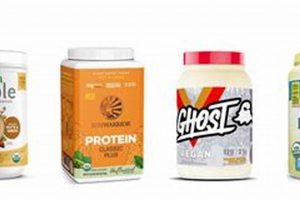
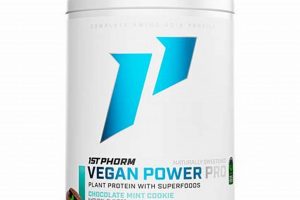
A plant-based nutritional supplement combines the benefits of berry fruits with the protein derived from vegan sources, such as peas, brown rice, or seeds. This type of product offers a convenient way to increase dietary protein intake while adhering to a vegan lifestyle and enjoying a palatable flavor profile.
These formulations represent a significant innovation in the field of sports nutrition and dietary supplementation, providing an alternative to animal-derived protein sources like whey or casein. Their importance stems from their accessibility for individuals with dietary restrictions, ethical concerns regarding animal products, and potential health advantages associated with plant-based diets. They often contain antioxidants from the berries, contributing to overall wellness.
The subsequent sections will delve into the sourcing of the protein components, the nutritional profile of the berry additives, application and use cases, and crucial considerations for selecting high-quality options of this type of dietary supplement.
Guidance on Utilizing a Plant-Based Berry-Infused Protein Supplement
The following guidance is designed to optimize the incorporation of this supplement into a balanced dietary regimen. Adherence to these suggestions can promote optimal health outcomes and effective utilization of the product’s benefits.
Tip 1: Verify the Protein Source. Scrutinize the ingredient list to identify the primary protein sources used in the formulation. Combinations of pea protein, brown rice protein, or seed-based proteins can offer a more complete amino acid profile compared to relying on a single source.
Tip 2: Assess the Berry Composition. Evaluate the types of berries included and whether they are whole fruit powders, extracts, or concentrates. Whole fruit powders provide fiber and other micronutrients, while extracts may offer a more concentrated source of antioxidants.
Tip 3: Analyze the Sugar Content. Examine the nutrition facts panel to determine the amount of added sugars present. Opt for products with minimal added sugars or those sweetened with natural, low-glycemic alternatives like stevia or monk fruit.
Tip 4: Consider the Amino Acid Profile. While plant-based proteins are generally complete, some may be lower in certain essential amino acids. Look for products that have been fortified with supplemental amino acids, such as leucine, to enhance their muscle-building potential.
Tip 5: Evaluate Third-Party Certifications. Seek out products that have undergone third-party testing and certification for purity, potency, and absence of contaminants. This provides assurance of product quality and accuracy of labeling.
Tip 6: Assess Solubility and Texture. Consider the product’s solubility and texture when mixed with liquids. Some plant-based proteins can have a gritty texture, so reading reviews or trying a sample beforehand can help avoid disappointment.
Tip 7: Integrate into a Balanced Diet. Use this supplement as a component of a well-rounded diet that includes whole foods, fruits, vegetables, and healthy fats. It should not replace whole food sources of protein and nutrients.
Tip 8: Monitor Digestive Response. Introduce the supplement gradually and monitor for any digestive discomfort, such as bloating or gas. Adjust the dosage accordingly or consider switching to a different product if necessary.
Consistent implementation of these guidelines will aid in maximizing the beneficial attributes of a plant-sourced berry-infused protein supplement, including enhanced nutrient intake, improved athletic performance, and overall health maintenance.
The concluding segment will address typical misconceptions associated with plant-based protein supplements and propose pragmatic solutions for overcoming common obstacles.
1. Protein Sourcing

Protein sourcing is a critical determinant of the nutritional value and functional properties of a vegan berry protein powder. The choice of plant-based protein impacts the amino acid profile, digestibility, and overall effectiveness of the supplement. For instance, pea protein, a common source, is relatively high in lysine but lower in methionine and cysteine. Brown rice protein offers a complementary amino acid profile. A product utilizing solely one of these sources may necessitate fortification with additional amino acids to achieve a more complete protein.
Consider the practical implications: A vegan athlete relying on a product with an incomplete amino acid profile might not experience optimal muscle recovery and growth, even with sufficient caloric intake. Alternatively, a product blending several protein sources (e.g., pea, brown rice, chia seed) provides a wider range of amino acids, potentially enhancing its effectiveness. Transparency in labeling regarding the specific sources and their proportions is crucial for consumers to make informed decisions. Furthermore, processing methods used to extract the protein influence digestibility. Some methods can denature proteins or introduce undesirable compounds, thereby affecting the supplement’s usability.
In summary, protein sourcing is a fundamental aspect of a vegan berry protein powder, directly affecting its nutritional value, digestibility, and ultimately, its efficacy. Consumers should prioritize products with clearly labeled protein sources and ideally, those employing a blend of sources to maximize amino acid diversity and achieve desired fitness or dietary outcomes.
2. Berry Varieties

The specific berry varieties incorporated into vegan protein powders profoundly influence the product’s sensory attributes, nutritional profile, and potential health benefits. The inclusion of berries serves not only to enhance palatability, often mitigating the earthy taste associated with some plant-based proteins, but also to contribute valuable micronutrients and bioactive compounds. For example, blueberries are rich in anthocyanins, potent antioxidants linked to improved cognitive function and reduced inflammation. Strawberries provide a significant source of vitamin C, essential for immune system support and collagen synthesis. The choice of berry, therefore, directly affects the overall health-promoting properties of the product.
Furthermore, the form in which berries are added whether as whole fruit powders, extracts, or concentrates alters their impact. Whole fruit powders retain fiber and a broader spectrum of nutrients but may affect texture differently than extracts. Extracts offer concentrated bioactive compounds but often lack the fiber content of the whole fruit. Product formulations incorporating a blend of berry varieties or different forms of the same berry can optimize both flavor and nutritional delivery. Consider a scenario where a manufacturer combines strawberry powder for flavor and vitamin C with acai berry extract for its high antioxidant content. This approach maximizes the benefits associated with berries while addressing potential limitations related to texture or nutrient bioavailability.
In summation, the careful selection and processing of berry varieties constitute a critical aspect of formulating effective vegan protein powders. Understanding the specific contributions of individual berries allows for targeted enhancement of the product’s flavor, nutritional value, and health-promoting properties. Challenges remain in maintaining the stability and bioavailability of berry-derived compounds during processing and storage, necessitating rigorous quality control measures. The successful integration of berry varieties represents a significant avenue for improving the appeal and efficacy of plant-based protein supplements.
3. Amino Acid Profile

The amino acid profile constitutes a fundamental element of vegan berry protein powder, directly influencing its biological value and efficacy as a dietary supplement. A comprehensive understanding of this profile is essential for discerning product quality and suitability for various nutritional needs.
- Completeness of Protein
Plant-based protein sources often exhibit incomplete amino acid profiles, meaning they lack sufficient quantities of one or more essential amino acids. The term “essential” refers to those amino acids that cannot be synthesized by the human body and must be obtained through diet. In the context of vegan berry protein powder, it is critical to assess whether the protein source(s) provide all nine essential amino acids in adequate amounts. For example, pea protein is typically low in methionine, while brown rice protein may be limited in lysine. Combining different plant-based protein sources can help to create a more complete amino acid profile, maximizing the protein’s usability for muscle repair and growth.
- Branched-Chain Amino Acids (BCAAs)
BCAAs leucine, isoleucine, and valine play a vital role in muscle protein synthesis and reducing muscle fatigue during exercise. The proportion of BCAAs within the amino acid profile of a vegan berry protein powder is a significant indicator of its potential benefits for athletes and individuals seeking to enhance muscle mass. While some plant-based proteins may have lower BCAA content compared to animal-derived proteins like whey, fortification with supplemental BCAAs can address this limitation and improve the product’s effectiveness.
- Digestibility-Corrected Amino Acid Score (DIAAS)
The DIAAS is a method for evaluating protein quality based on both amino acid composition and digestibility. It takes into account how well the body can absorb and utilize the amino acids from a given protein source. While the Protein Digestibility Corrected Amino Acid Score (PDCAAS) has been used, DIAAS is considered superior. A vegan berry protein powder with a high DIAAS indicates that its amino acids are readily available for use by the body. Factors such as processing methods and the presence of anti-nutritional factors can affect digestibility. Therefore, a high DIAAS score provides assurance of both amino acid quantity and bioavailability.
- Specific Amino Acid Needs
Different individuals may have varying amino acid needs based on factors such as age, activity level, and health status. For example, athletes may require higher levels of leucine to support muscle protein synthesis, while older adults may benefit from increased intake of essential amino acids to combat age-related muscle loss. A vegan berry protein powder may be formulated to cater to specific needs by including supplemental amino acids or by carefully selecting protein sources with particular amino acid profiles. This targeted approach can enhance the product’s efficacy for specific populations.
The amino acid profile is not just a theoretical consideration; it directly impacts the effectiveness of vegan berry protein powder as a functional food. Products with a complete, bioavailable, and well-balanced amino acid profile provide superior support for muscle growth, repair, and overall health. Therefore, consumers should prioritize analyzing the amino acid composition of these supplements to make informed choices that align with their individual nutritional requirements.
4. Sweeteners Used

The selection of sweeteners represents a critical aspect of vegan berry protein powder formulation, significantly influencing its palatability, nutritional profile, and overall consumer acceptance. The absence of animal-derived ingredients necessitates careful consideration of alternatives that align with vegan dietary principles while achieving desired levels of sweetness without compromising health or flavor.
- Type of Sweetener and Glycemic Impact
Different sweeteners exhibit varying glycemic indices, impacting blood sugar levels differently. High-glycemic sweeteners, such as cane sugar or corn syrup, can cause rapid spikes in blood sugar, potentially unsuitable for individuals managing diabetes or seeking sustained energy. Conversely, low-glycemic sweeteners, including stevia, erythritol, and monk fruit, provide sweetness with minimal impact on blood sugar. The choice directly influences the product’s suitability for diverse consumer populations. For example, a protein powder marketed towards athletes might utilize a moderate glycemic sweetener like agave nectar to provide a readily available energy source during or after workouts, while a product targeting weight management could opt for a low-glycemic alternative to minimize insulin response.
- Natural vs. Artificial Sweeteners
The distinction between natural and artificial sweeteners also influences consumer perception and product positioning. Natural sweeteners, derived from plant sources, are generally perceived as healthier and more aligned with the principles of clean eating. However, their taste profiles can be distinct and may require careful formulation to achieve optimal flavor. Artificial sweeteners, on the other hand, offer intense sweetness with minimal caloric contribution but face scrutiny due to potential health concerns. Vegan berry protein powders utilizing sucralose or aspartame may appeal to consumers seeking very low-calorie options, while those using maple syrup or coconut sugar may resonate with those preferring natural ingredients. Transparent labeling is crucial to inform consumers about the type and quantity of sweeteners used.
- Sweetener Combinations and Synergistic Effects
Formulators often employ combinations of sweeteners to achieve a balanced flavor profile and optimize sweetness intensity. For instance, blending stevia with erythritol can mitigate stevia’s characteristic aftertaste while enhancing the overall sweetness perception. Such combinations can also reduce the total amount of any single sweetener required, potentially minimizing undesirable side effects. Vegan berry protein powders utilizing sweetener blends necessitate careful consideration of their synergistic effects to ensure a pleasant taste experience without compromising the product’s nutritional attributes. An example would be a combination of monk fruit and allulose for a sugar-like taste with very low impact on blood glucose.
- Impact on Product Texture and Stability
Beyond sweetness, some sweeteners can affect the texture and stability of vegan berry protein powders. Certain sweeteners, such as sugar alcohols, can exhibit hygroscopic properties, attracting moisture and potentially leading to clumping or stickiness. Others may affect the product’s solubility or stability during storage. Therefore, formulators must consider the physicochemical properties of the sweeteners used and their interaction with other ingredients to ensure a consistent and palatable product. For instance, the inclusion of inulin, a prebiotic fiber with a slightly sweet taste, can enhance the creamy texture of a protein powder while also contributing to gut health.
Ultimately, the strategic selection of sweeteners in vegan berry protein powders involves a careful balancing act between achieving desirable taste profiles, maintaining nutritional integrity, and meeting consumer expectations regarding health, naturalness, and sensory experience. Transparency in labeling, coupled with a thorough understanding of the properties and potential effects of different sweeteners, is essential for both manufacturers and consumers in navigating this complex landscape.
5. Digestibility Factors

The digestibility of vegan berry protein powder is a critical determinant of its nutritional value and effectiveness. Factors influencing digestibility impact the extent to which the body can absorb and utilize the amino acids present, ultimately affecting muscle protein synthesis, satiety, and overall health outcomes. Understanding these factors is essential for both manufacturers and consumers to optimize the benefits of this dietary supplement.
- Protein Source and Processing Methods
The specific plant-based protein source significantly affects digestibility. Proteins from sources such as soy, pea, brown rice, and chia seeds possess varying degrees of digestibility depending on their inherent structure and the presence of antinutritional factors. Processing methods, including heat treatment, enzymatic hydrolysis, and fermentation, can enhance digestibility by reducing these factors and improving protein unfolding. For instance, raw legumes contain trypsin inhibitors that impede protein digestion, while heat treatment inactivates these inhibitors, increasing protein bioavailability. Improper processing, however, can denature proteins, reducing digestibility. Therefore, the choice of protein source and processing technique is crucial for ensuring optimal digestion and absorption.
- Fiber Content and Formulation
The fiber content of the protein powder, particularly from the berry component and any added ingredients, can influence digestibility. While fiber is generally beneficial for gut health, excessive amounts can interfere with protein absorption by increasing viscosity in the digestive tract and reducing the contact time between enzymes and proteins. The presence of certain fibers, such as phytates and tannins, can also bind to proteins, hindering their digestion. Therefore, careful formulation is necessary to balance the benefits of fiber with its potential to reduce protein digestibility. Products often incorporate a blend of soluble and insoluble fibers to mitigate these effects.
- Enzyme Activity and Gut Microbiome
Individual differences in enzyme activity and gut microbiome composition significantly impact protein digestion. The activity of digestive enzymes such as pepsin and trypsin, which break down proteins into smaller peptides and amino acids, can vary depending on age, health status, and dietary habits. A compromised gut microbiome, characterized by an imbalance of beneficial and harmful bacteria, can impair protein digestion and absorption, leading to digestive discomfort and reduced nutrient uptake. Probiotic supplementation or dietary interventions to promote a healthy gut microbiome can enhance protein digestibility. Similarly, some individuals may benefit from supplemental digestive enzymes to improve protein breakdown.
- Presence of Allergens and Sensitivities
The presence of allergens or ingredients that trigger sensitivities can significantly impair digestibility. Common allergens such as soy, gluten (if not certified gluten-free), and certain seeds can cause inflammation and disrupt the digestive process in susceptible individuals. Even in the absence of a diagnosed allergy, some individuals may experience sensitivities to certain plant-based proteins, leading to symptoms such as bloating, gas, and abdominal pain. Careful ingredient selection and avoidance of known allergens are essential for ensuring optimal digestibility and minimizing adverse reactions. Products often include clear labeling regarding potential allergens and sensitivities.
In conclusion, the digestibility of vegan berry protein powder is a multifaceted issue influenced by protein source, processing methods, fiber content, enzyme activity, gut microbiome composition, and the presence of allergens. Optimizing these factors is critical for maximizing the nutritional benefits of the supplement and ensuring a positive digestive experience for consumers. Manufacturers should prioritize transparent labeling and rigorous quality control to provide consumers with reliable information about the digestibility and overall quality of their products.
6. Product Certification

Product certification serves as a crucial mechanism for ensuring the quality, safety, and adherence to specific standards within the vegan berry protein powder market. It provides verifiable assurance to consumers regarding various aspects of the product, ranging from ingredient sourcing to manufacturing practices and final composition.
- Vegan Certification
Vegan certification guarantees that the product is entirely free from animal-derived ingredients or byproducts. Organizations such as Vegan Action and the Vegan Society offer certification marks, signaling that the formulation has undergone rigorous scrutiny to confirm its compliance with vegan principles. This certification is especially pertinent for vegan berry protein powders, as it assures consumers with ethical dietary restrictions that the product aligns with their values. For instance, a product bearing the Vegan Action logo confirms that no dairy, eggs, honey, or other animal-derived substances were utilized in its production.
- Organic Certification
Organic certification verifies that the ingredients used in the vegan berry protein powder were grown and processed according to organic farming standards, prohibiting the use of synthetic pesticides, herbicides, and genetically modified organisms (GMOs). Certifying bodies like the USDA National Organic Program (NOP) and QAI set stringent criteria for organic production. This certification is of particular relevance to consumers seeking products with minimal exposure to synthetic chemicals and environmentally sustainable farming practices. A vegan berry protein powder certified organic signifies that the berries and protein sources were cultivated without the use of harmful chemicals.
- Third-Party Testing for Purity and Potency
Independent third-party testing provides objective verification of the product’s purity and potency, confirming that it meets specified quality standards and label claims. Organizations like NSF International and Informed-Sport conduct testing for contaminants such as heavy metals, pesticides, and banned substances. This certification is essential for ensuring consumer safety and confidence in the product’s integrity. A vegan berry protein powder with NSF certification indicates that it has been tested and verified to be free from harmful contaminants and accurately reflects its ingredient composition.
- Gluten-Free Certification
Gluten-free certification assures consumers with celiac disease or gluten sensitivities that the vegan berry protein powder contains less than a specified threshold of gluten, typically 20 parts per million (ppm). Organizations like the Gluten-Free Certification Organization (GFCO) and the Celiac Support Association (CSA) offer certification marks based on rigorous testing and auditing procedures. This certification is crucial for individuals requiring a gluten-free diet and provides assurance that the product will not trigger adverse reactions. A gluten-free certified vegan berry protein powder allows individuals with gluten-related disorders to safely incorporate it into their diet.
The presence of these certifications on vegan berry protein powder products serves as a valuable indicator of quality, safety, and adherence to specific standards, empowering consumers to make informed purchasing decisions that align with their dietary needs and ethical values. Absence of such certifications does not automatically imply inferiority but necessitates greater scrutiny of the product’s ingredient sourcing, manufacturing practices, and testing procedures to ensure its suitability.
Frequently Asked Questions Regarding Plant-Based Berry Protein Formulations
The following questions and answers address common concerns and misconceptions associated with vegan berry protein powder. The information provided aims to offer clarity and facilitate informed decision-making.
Question 1: Does this type of protein powder provide a complete protein source?
The completeness of the protein source depends on the constituent plant-based proteins. Some single-source plant proteins may be deficient in certain essential amino acids. Products utilizing a blend of protein sources, such as pea and brown rice, often offer a more comprehensive amino acid profile.
Question 2: Are the berries added solely for flavor, or do they contribute nutritionally?
Berries contribute both flavor and nutritional value. They provide antioxidants, vitamins, and minerals, augmenting the protein content. The specific nutritional contribution varies based on the type and quantity of berries included.
Question 3: What are the common allergens associated with vegan berry protein powder?
Soy, gluten (if not certified gluten-free), nuts, and seeds represent common allergens. Individuals with known allergies or sensitivities should carefully review the ingredient list before consumption.
Question 4: How does this protein powder compare to whey protein in terms of muscle protein synthesis?
Whey protein is often considered a gold standard due to its high leucine content and rapid absorption. However, well-formulated vegan berry protein powders, especially those fortified with leucine, can effectively stimulate muscle protein synthesis, although the rate might differ.
Question 5: What is the ideal time to consume this protein powder?
Consumption timing depends on individual goals. Post-workout consumption can aid muscle recovery. It can also be used as a meal replacement or snack to increase daily protein intake.
Question 6: How should it be stored to maintain quality and prevent spoilage?
The protein powder should be stored in a cool, dry place away from direct sunlight and moisture. Proper storage helps prevent clumping, oxidation, and degradation of nutrients.
In summary, understanding the ingredients, nutritional profile, and individual sensitivities are crucial for effectively incorporating a plant-based berry protein formulation into a balanced diet.
The subsequent section will address the advantages and limitations of various vegan berry protein powder formulations.
Conclusion
The preceding analysis has explored various facets of vegan berry protein powder, emphasizing the significance of protein sourcing, berry composition, amino acid profiles, sweetener choices, digestibility factors, and product certifications. A comprehensive understanding of these elements is essential for consumers seeking to make informed decisions regarding this dietary supplement. The quality and efficacy of these products hinge upon a delicate balance of nutritional science, ingredient selection, and manufacturing processes.
Continued research and development in this area are crucial to optimize the nutritional value and bioavailability of plant-based protein sources. As consumer demand for vegan options grows, manufacturers must prioritize transparency and rigorous testing to ensure that vegan berry protein powder meets the highest standards of quality and safety, thereby fostering trust and promoting informed consumption. The future of this market segment depends on a commitment to scientific rigor and ethical practices.