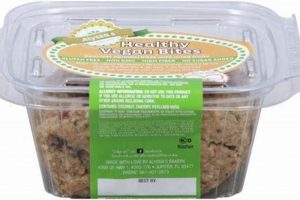
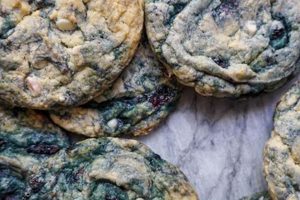
A baked good that combines the distinct flavor profile of green tea powder with a plant-based recipe, resulting in a treat suitable for individuals following a vegan diet. These confections typically replace traditional ingredients like butter and eggs with alternatives such as plant-based oils, nut butters, or flaxseed meal.
These baked items offer several potential advantages. They provide an option for those with dietary restrictions or preferences, offering a permissible indulgence. Furthermore, the inclusion of green tea may contribute antioxidants and a unique taste experience. Their popularity is increasing alongside the growing interest in both veganism and incorporating diverse flavors into familiar desserts, reflecting a shift towards more health-conscious and adventurous eating habits.
The following sections will explore specific aspects of this culinary creation, including ingredient selection, recipe considerations, and potential nutritional implications, providing a comprehensive understanding of its characteristics and appeal.
Tips for Crafting Superior Matcha Vegan Cookies
Achieving optimal results in the creation of these plant-based treats requires careful consideration of ingredient selection, preparation techniques, and baking parameters.
Tip 1: Ingredient Quality Matters. Source high-grade green tea powder for a vibrant color and authentic flavor. Culinary grade matcha is generally recommended over ceremonial grade, as the latter’s delicate flavor can be lost during baking.
Tip 2: Precise Measurement is Crucial. Given the absence of traditional binding agents, accurate measurement of dry and wet ingredients is imperative for proper dough consistency and structural integrity.
Tip 3: Employ a Suitable Vegan Butter Substitute. Opt for a plant-based butter alternative with a high fat content to replicate the richness and tenderness associated with traditional butter-based cookies. Consider chilled coconut oil as another viable option.
Tip 4: Incorporate a Binding Agent. Utilize flaxseed meal mixed with water (“flax egg”) or applesauce to provide necessary moisture and cohesion within the dough. A ratio of 1 tablespoon of flaxseed meal to 3 tablespoons of water is generally effective.
Tip 5: Avoid Overmixing the Dough. Excessive mixing can develop gluten in the flour, resulting in a tough final product. Mix ingredients until just combined, ensuring a tender texture.
Tip 6: Chill the Dough Thoroughly. Refrigerating the dough for at least 30 minutes before baking prevents excessive spreading and allows the flavors to meld, enhancing the overall taste profile.
Tip 7: Monitor Baking Time Carefully. Due to the variations in oven temperatures and dough composition, closely observe the baking process. Remove the cookies from the oven when the edges are set, but the centers remain slightly soft.
Consistent application of these techniques will contribute to the production of visually appealing, texturally satisfying, and flavor-rich plant-based baked goods.
The subsequent section will delve into potential variations and modifications to the standard recipe, providing opportunities for further customization and experimentation.
1. Flavor Profile

The flavor profile is a central characteristic of baked goods, dictating their appeal and consumer perception. In the context of a plant-based cookie infused with green tea powder, a balanced and nuanced flavor profile is paramount to its success.
- Bitterness and Umami from Green Tea
Green tea powder imparts a distinct bitterness and umami that is intrinsic to its sensory experience. The intensity of these notes is dependent on the quality and quantity of the green tea powder used. High-grade culinary matcha possesses a more pronounced umami character, while lower grades may exhibit a more astringent bitterness. A carefully calibrated amount of green tea powder is essential to prevent an overly bitter taste, which could negatively impact palatability.
- Sweetness and Complementary Flavors
The sweetness must be carefully balanced against the inherent bitterness of the green tea powder. The selection of sweetener, such as cane sugar, maple syrup, or agave nectar, influences the overall flavor complexity. Complementary flavors, such as vanilla extract or citrus zest, can be incorporated to enhance the existing flavor nuances and create a more well-rounded profile. These additions serve to soften the bitterness and elevate the sweetness, producing a harmonious blend.
- Fat Content and Mouthfeel
The selection of fat sources, such as plant-based butter or coconut oil, significantly impacts the mouthfeel and perceived flavor. Different fats possess varying melting points and textures, which influence the cookie’s overall richness and perceived sweetness. Higher fat content tends to yield a richer, more indulgent flavor profile, while lower fat content can result in a drier, less flavorful product. Therefore, the type and quantity of fat must be carefully considered to achieve the desired mouthfeel and flavor intensity.
- Aromatic Compounds and Volatiles
The baking process generates a complex array of aromatic compounds and volatiles that contribute to the overall sensory experience. Maillard reactions and caramelization of sugars produce desirable browned notes and enhance the sweetness. The volatile compounds present in green tea powder, such as linalool and geraniol, contribute to its distinctive floral and herbaceous aroma. Controlling baking temperature and time is critical to optimizing the development of these aromatic compounds and achieving the desired flavor intensity.
The interplay of these elements defines the flavor profile, influencing the consumer’s perception and appreciation. Mastering this complex interplay is essential for creating successful and desirable plant-based baked goods that showcase the distinctive flavor of green tea powder.
2. Texture Optimization

Texture is a primary determinant of palatability in baked goods. In plant-based cookies incorporating green tea powder, achieving the desired texture presents unique challenges due to the absence of traditional ingredients like eggs and dairy. The textural properties, such as chewiness, crispness, or softness, influence sensory perception and overall acceptance. A crumbly or excessively dense product diminishes consumer appeal. The interaction between ingredients, mixing methods, and baking parameters directly impacts the final textural outcome.
Achieving optimal texture relies on understanding the functional properties of ingredient substitutes. For example, flaxseed meal combined with water acts as a binding agent, mimicking the role of eggs. The ratio of liquid to dry ingredients affects moisture content and, consequently, the perceived chewiness or dryness. Overmixing can lead to excessive gluten development, resulting in a tough texture. Precise control of baking time and temperature is crucial; overbaking yields a brittle, dry texture, while underbaking results in a gummy or doughy consistency. Commercial examples of successful texture optimization in plant-based baking demonstrate the use of modified starches and hydrocolloids to improve moisture retention and structural integrity. Furthermore, chilling the dough before baking contributes to a more cohesive structure and reduces spreading, influencing the final shape and texture.
In summary, texture optimization is a critical component in the formulation of high-quality plant-based cookies infused with green tea powder. Challenges related to ingredient substitution and altered baking dynamics necessitate a thorough understanding of ingredient interactions and process control. Success in this area translates directly to enhanced sensory appeal and increased consumer satisfaction. Addressing potential textural defects requires iterative experimentation and a commitment to refining formulation and baking techniques. The principles of texture optimization extend beyond the specific context, offering valuable insights for the broader field of plant-based baking.
3. Ingredient Substitution

Ingredient substitution is fundamental to the creation of plant-based baked goods. In the specific context of matcha vegan cookies, replacing traditional dairy and egg components while maintaining desirable flavor and texture profiles necessitates a careful understanding of ingredient functionality and appropriate alternatives.
- Dairy Replacement Strategies
Traditional cookie recipes rely on butter for richness and moisture. In vegan formulations, plant-based butter alternatives, coconut oil, or nut butters are commonly employed. Plant-based butters often mimic the fat content of dairy butter, contributing to a similar mouthfeel. Coconut oil, with its high saturated fat content, can provide a tender crumb. Nut butters, such as almond or cashew butter, contribute both fat and protein, altering the flavor profile and potentially affecting texture. The selection of a dairy substitute impacts the cookie’s spread, color, and overall taste.
- Egg Replacement Techniques
Eggs function as binders, emulsifiers, and leavening agents in traditional cookies. Vegan recipes utilize various egg substitutes, including flaxseed meal mixed with water (“flax egg”), applesauce, or commercial egg replacers. Flax eggs provide binding and moisture, while applesauce contributes moisture and sweetness. Commercial egg replacers often contain a blend of starches and gums designed to mimic the emulsifying and binding properties of eggs. The effectiveness of egg substitutes depends on the specific recipe and desired texture. Overuse of certain substitutes can result in a gummy or overly dense cookie.
- Sweetener Selection and Impact
Refined sugars are frequently used for sweetness and to contribute to the Maillard reaction, which imparts color and flavor during baking. Vegan recipes may utilize alternative sweeteners such as maple syrup, agave nectar, or coconut sugar. Maple syrup and agave nectar contribute moisture and distinct flavor notes. Coconut sugar offers a lower glycemic index compared to refined sugar, but it can also alter the texture and spread of the cookie. Adjustments to liquid ratios may be necessary when using liquid sweeteners to achieve the desired dough consistency.
- Matcha Incorporation Considerations
Green tea powder introduces a unique set of considerations. The particle size and quality of matcha affect its dispersibility and flavor intensity. High-quality culinary matcha imparts a vibrant green color and a balanced bitterness and umami. Lower-quality matcha may result in a muted color and a more astringent flavor. The quantity of matcha must be carefully calibrated to prevent an overly bitter or grassy taste. Proper incorporation techniques, such as sifting the matcha with dry ingredients, ensure even distribution and prevent clumping. The pH of the dough can also impact the color and flavor of matcha; alkaline conditions can intensify the green color, while acidic conditions may dull it.
The successful creation of plant-based treats hinges on a thorough understanding of how ingredient substitutions influence the final product’s flavor, texture, and appearance. Careful experimentation and precise adjustments are often necessary to achieve a comparable or superior result relative to traditional recipes. The specific ingredient substitutions employed reflect the desired qualities and nutritional goals of the final product.
4. Nutritional Composition

The nutritional profile of these baked goods is a significant factor for health-conscious consumers. Careful selection of ingredients can result in a treat that, while still a dessert, offers some nutritional benefits compared to conventional cookies. Factors such as calorie count, macronutrient distribution, and micronutrient content warrant consideration.
- Macronutrient Ratios and Plant-Based Sources
The proportions of carbohydrates, fats, and proteins define a food’s macronutrient composition. The sources of these macronutrients in plant-based cookies differ substantially from traditional recipes. Carbohydrates are derived from flours (e.g., wheat, oat, or gluten-free blends) and sweeteners (e.g., cane sugar, maple syrup). Fats originate from plant-based butter alternatives, coconut oil, or nut butters. Protein content is typically lower than in conventional cookies but can be increased through the addition of nut flours, seeds, or protein isolates. Managing these ratios is crucial for balancing satiety and energy density. Example: Substituting a portion of refined flour with oat flour can increase fiber content, contributing to a slower release of glucose into the bloodstream.
- Fiber Content and Digestive Health
Fiber, primarily from plant-based ingredients, plays a vital role in digestive health and satiety. Whole-grain flours, oats, and flaxseed meal are excellent sources of dietary fiber. Increased fiber intake is associated with improved bowel regularity, reduced cholesterol levels, and better blood sugar control. Example: Adding flaxseed meal not only acts as an egg replacer but also boosts the cookie’s fiber content, promoting a feeling of fullness and reducing the likelihood of overconsumption. High fiber intake, however, can also cause digestive discomfort in some individuals, necessitating moderation.
- Micronutrient Contribution from Green Tea Powder
Green tea powder contributes a range of micronutrients and bioactive compounds. It is a source of antioxidants, particularly catechins, which have been linked to various health benefits, including cardiovascular protection and anti-inflammatory effects. Green tea also contains vitamins and minerals, albeit in relatively small amounts. Example: Epigallocatechin gallate (EGCG), a prominent catechin in green tea, may help protect against oxidative stress and cellular damage. The concentration of these compounds depends on the quality and preparation of the green tea powder.
- Potential for Added Sugars and Unhealthy Fats
Even with plant-based ingredients, these baked goods can still be high in added sugars and unhealthy fats. Excessive consumption of added sugars is associated with increased risk of obesity, type 2 diabetes, and cardiovascular disease. The use of saturated fats from coconut oil or processed plant-based butter alternatives should be considered. Example: Replacing a portion of cane sugar with a natural sweetener like stevia can reduce the overall sugar content. Choosing plant-based butter alternatives with a lower saturated fat content and a higher proportion of unsaturated fats is advisable.
In conclusion, these baked goods can offer a somewhat improved nutritional profile compared to standard cookies through the strategic selection of ingredients such as whole grains, fiber-rich components, and green tea powder. However, consumers should be mindful of the potential for high levels of added sugars and unhealthy fats, and consume these treats in moderation as part of a balanced diet. Further modification of recipes to minimize added sugars and unhealthy fats can enhance their nutritional value.
5. Visual Appeal

Visual appeal is a critical factor influencing consumer perception and acceptance of food products. In the case of plant-based cookies incorporating green tea powder, the initial visual impression can significantly impact the likelihood of purchase and consumption. The color, shape, surface texture, and presentation all contribute to the overall aesthetic experience.
- Color and the Influence of Matcha
The vibrant green hue derived from green tea powder is a defining visual characteristic. The intensity and shade of green can indicate the quality and concentration of matcha used. A bright, even green suggests a high-grade ingredient and proper dispersion. Conversely, a dull or uneven color may indicate inferior matcha or inadequate mixing. The visual appeal of the green color can be enhanced through contrast with other ingredients, such as chocolate chips or white icing.
- Shape and Uniformity
The shape and uniformity of the cookies contribute to their perceived quality and professionalism. Consistent sizing and shape suggest precision in preparation and attention to detail. Variations in shape can arise from inconsistencies in dough handling or baking conditions. A well-formed, symmetrical shape is generally considered more visually appealing than an irregular or misshapen one. The use of cookie cutters or standardized portioning techniques can help ensure uniformity.
- Surface Texture and Inclusions
The surface texture provides visual cues about the cookie’s likely texture and composition. A smooth, slightly glossy surface may suggest a soft and chewy interior. A rougher, more textured surface could indicate a crisp or crumbly consistency. The inclusion of visual elements, such as chocolate chips, nuts, or sprinkles, adds visual interest and conveys information about the cookie’s ingredients. Strategic placement of these inclusions can enhance the overall aesthetic appeal.
- Presentation and Arrangement
The manner in which cookies are presented, whether individually packaged or displayed in a group, influences their perceived value and desirability. Neat and organized arrangement is generally more appealing than a haphazard or cluttered display. The use of attractive packaging materials and labeling can further enhance visual appeal. In commercial settings, the visual presentation is a key factor in attracting customers and driving sales. The implementation of visual merchandising principles, such as color coordination and strategic lighting, can optimize the impact of the products visual attributes.
The various facets of visual appeal work in concert to create a holistic sensory experience. In the context of plant-based cookies incorporating green tea powder, the interplay of color, shape, texture, and presentation is crucial for conveying quality, flavor, and desirability to the consumer. Attention to these visual details can significantly enhance the perceived value of the product and contribute to its overall success in the marketplace. Comparisons to commercially successful baked goods reinforce the importance of carefully crafted visual elements in achieving broad consumer appeal.
Frequently Asked Questions
This section addresses common inquiries and misconceptions regarding the nature, preparation, and characteristics of plant-based cookies incorporating green tea powder.
Question 1: Are these cookies inherently healthier than conventional cookies?
The nutritional profile depends heavily on specific ingredients and preparation methods. While the inclusion of green tea powder may contribute antioxidants, these cookies can still be high in added sugars and unhealthy fats. A careful evaluation of the ingredient list and nutritional information is advised.
Question 2: Do vegan substitutes compromise the texture or flavor of these cookies?
Vegan substitutes, when properly selected and utilized, can yield comparable or even improved texture and flavor. However, variations in ingredient composition and functional properties may require adjustments to traditional recipes to achieve optimal results. Experimentation is often necessary.
Question 3: Can different types of green tea powder be used interchangeably?
Different grades of green tea powder possess varying flavor profiles and particle sizes. Culinary-grade matcha is generally recommended for baking due to its robust flavor and heat stability. Ceremonial-grade matcha, while of higher quality, may lose its delicate nuances during the baking process.
Question 4: What is the shelf life of plant-based cookies compared to traditional cookies?
The shelf life depends on the ingredients and storage conditions. Cookies containing fresh ingredients, such as fruit purees, may have a shorter shelf life than those made with shelf-stable ingredients. Proper storage in an airtight container at room temperature is recommended to maintain freshness.
Question 5: Are plant-based cookies suitable for individuals with allergies?
Plant-based recipes frequently incorporate nuts, seeds, and soy products, which are common allergens. A thorough review of the ingredient list is imperative to avoid potential allergic reactions. Recipes can be modified to accommodate specific allergies by substituting alternative ingredients.
Question 6: How does altitude affect the baking of these cookies?
At higher altitudes, reduced air pressure can cause cookies to spread more rapidly and dry out. Adjustments to the recipe, such as reducing the amount of leavening agent or increasing the liquid content, may be necessary to compensate for these effects. Monitoring baking time closely is also advisable.
Plant-based cookies, when thoughtfully prepared, can offer a satisfying and potentially nutritious alternative to conventional treats. Careful consideration of ingredients, techniques, and storage practices is essential for achieving optimal results.
The subsequent section will delve into recipe adaptations for “matcha vegan cookies.”
Conclusion
The preceding exploration has detailed various facets of matcha vegan cookies, from ingredient selection and texture optimization to nutritional composition and visual appeal. A careful balance of these factors is crucial for creating a palatable and desirable product. The unique challenges presented by plant-based baking necessitate a thorough understanding of ingredient functionality and their interactions.
The growing demand for plant-based alternatives indicates a continued interest in culinary innovation within this sector. Further research into ingredient technologies and recipe development will likely yield even more refined and satisfying iterations of these particular baked goods. The insights provided herein serve as a foundation for continued experimentation and refinement in the pursuit of excellence in plant-based confectionery.