Plant-based alternatives to traditional dairy products are increasingly prevalent, catering to dietary restrictions and ethical considerations. One such alternative replicates the texture and usage of ricotta cheese, offering a dairy-free option for various culinary applications. These products are typically crafted from nuts, seeds, or soy, processed to achieve a creamy, spreadable consistency.
The availability of these substitutes expands options for individuals adhering to vegan diets, those with lactose intolerance, or those seeking to reduce their consumption of animal products. They offer a versatile ingredient for dishes like lasagna, stuffed shells, and desserts, allowing individuals to enjoy familiar flavors without compromising their dietary principles. The rise in popularity reflects a growing awareness of the environmental and health impacts of traditional dairy production.
This exploration will examine the variety of commercially available plant-based ricotta options, analyze their ingredients and nutritional profiles, and provide guidance on their optimal uses in cooking and baking, ultimately aiding consumers in making informed choices.
Guidance on Selecting Plant-Based Ricotta Alternatives
Considerations when choosing dairy-free ricotta products are outlined below to assist consumers in making informed purchasing decisions.
Tip 1: Ingredient Analysis: Evaluate the primary ingredients. Nut-based options (almonds, cashews) offer richness, while soy-based versions provide a protein-rich alternative. Seed-based products (sunflower, pumpkin) may offer unique flavor profiles.
Tip 2: Nutritional Profile Examination: Scrutinize the nutrition label. Pay attention to the fat content (saturated vs. unsaturated), protein levels, and sodium quantities. Compare these values across different alternatives to align with specific dietary requirements.
Tip 3: Texture Assessment: Plant-based ricottas can vary in texture from smooth and creamy to slightly grainy. Consider the intended culinary application; smoother textures are better suited for fillings, while grainier options may be appropriate for toppings.
Tip 4: Flavor Considerations: Many commercially available substitutes have distinct flavor profiles. Sample smaller quantities, if possible, to determine if the taste complements planned recipes. Some alternatives may require added seasoning.
Tip 5: Allergen Awareness: Carefully review the ingredient list to identify potential allergens, such as nuts, soy, or gluten. Choose products that are free from allergens of concern.
Tip 6: Certifications and Labels: Seek out products with relevant certifications, such as vegan, organic, or non-GMO. These labels provide assurance regarding the product’s sourcing and production practices.
Tip 7: Sodium Content: Compare the sodium levels across different brands. Excess sodium intake can be detrimental to health, so opt for options with lower sodium content or be mindful of adjusting seasoning in the recipe.
Tip 8: Added Sugars: Check for added sugars in the ingredient list. While some sweetness may be desired in certain applications, excessive sugar content should be avoided for a healthier option.
Careful evaluation of ingredients, nutritional content, and texture is crucial when selecting an appropriate plant-based ricotta substitute. Individual preferences and dietary needs should guide the final decision.
The subsequent sections will delve into specific brand comparisons and practical applications for these versatile ingredients.
1. Ingredients and sourcing

The composition of dairy-free ricotta directly influences its texture, flavor, and nutritional profile. Common base ingredients include almonds, cashews, soy, tofu, sunflower seeds, and even white beans. Each base imparts unique characteristics to the final product. The sourcing of these ingredients is also a significant consideration, impacting sustainability, ethical labor practices, and potential allergen contamination. For instance, cashews are often associated with complex supply chains and potential human rights concerns during harvesting, whereas soy products may be genetically modified unless specifically labeled as organic or non-GMO.
Beyond the primary ingredient, manufacturers often incorporate stabilizers, thickeners (such as tapioca starch or carrageenan), and flavor enhancers (like nutritional yeast or lemon juice). The presence and source of these additives significantly affect the overall quality and healthfulness of the product. Organic certification ensures that the base ingredients and additives are produced without synthetic pesticides or fertilizers, providing assurance for consumers prioritizing environmental sustainability. Careful scrutiny of the ingredient list is essential to identify potential allergens, such as tree nuts or soy, and to assess the presence of undesirable additives.
In conclusion, a comprehensive understanding of both the ingredients and their origins is paramount when selecting plant-based ricotta alternatives. The choices made by manufacturers regarding ingredient sourcing directly impact the product’s environmental footprint, ethical implications, and overall suitability for individuals with specific dietary needs or preferences. Therefore, informed consumers prioritize transparency in labeling and actively seek products with sustainably and ethically sourced ingredients whenever possible.
2. Nutritional composition

The nutritional composition of dairy-free ricotta alternatives varies substantially based on the primary ingredients and manufacturing processes employed. Unlike traditional ricotta, which derives its nutrient profile from dairy milk, plant-based versions rely on nuts, seeds, soy, or other plant sources. This variation affects macronutrient ratios, micronutrient content, and overall caloric density. For example, almond-based options tend to be higher in fat, particularly monounsaturated fats, while soy-based alternatives often boast higher protein content. Understanding these differences is crucial for individuals managing specific dietary needs, such as weight management, diabetes, or protein requirements for athletes.
Furthermore, the processing methods used to create these products can influence their nutritional value. The addition of refined oils or sugars to improve texture or flavor can negatively impact the overall healthfulness of the substitute. Some manufacturers may fortify their plant-based ricotta with vitamins and minerals, such as calcium or vitamin B12, to better approximate the nutritional profile of dairy ricotta. However, the bioavailability of these added nutrients may differ from those naturally occurring in dairy products. Consequently, a thorough examination of the nutrition label, including serving size and the percentage of daily values for key nutrients, is essential for informed consumer choices.
In conclusion, the nutritional composition represents a critical aspect when evaluating dairy-free ricotta. Consumers should be mindful of the ingredient base, macronutrient ratios, micronutrient content, and the presence of added ingredients. Selecting products that align with individual dietary goals and health requirements necessitates careful consideration of the nutritional information provided by manufacturers, contributing to overall well-being and dietary adherence.
3. Texture and Consistency

The textural attributes of plant-based ricotta cheese alternatives directly impact their culinary applications and consumer acceptance. Traditional ricotta’s characteristic moist, slightly grainy, yet tender curd is a key factor influencing its appeal. Replicating this texture presents a significant challenge for manufacturers of dairy-free options. Variance in ingredient composition and processing techniques leads to a wide spectrum of textures across different brands. Some products may exhibit an overly smooth, almost pudding-like consistency, lacking the distinct curd-like structure. Others may be excessively grainy or dry, failing to provide the desired creamy mouthfeel. These deviations can affect the overall success of dishes where ricotta is a primary component, such as lasagna or stuffed shells.
The desired consistency of plant-based ricotta often depends on its intended use. For applications requiring a spreadable filling, a smoother texture is generally preferred. In contrast, a slightly coarser texture may be more suitable for toppings or dishes where the ricotta is meant to retain its shape. Ingredient selection plays a critical role in achieving the appropriate texture. For example, cashew-based products tend to be creamier due to the high fat content of cashews, while tofu-based options often require careful processing to avoid a rubbery or overly firm texture. The addition of stabilizers and thickeners, such as tapioca starch or xanthan gum, can further modify the texture, but excessive use may result in an artificial or unpleasant mouthfeel.
Ultimately, the success of plant-based ricotta hinges on its ability to mimic the textural properties of its dairy counterpart while complementing the flavors and textures of the surrounding ingredients in a dish. While achieving a perfect replica remains a challenge, ongoing innovations in ingredient sourcing and processing techniques are gradually narrowing the gap. Consumers are encouraged to sample different brands and formulations to identify options that best suit their individual preferences and culinary needs. The importance of texture in the overall sensory experience cannot be overstated, as it significantly influences consumer perception and the ultimate enjoyment of dishes featuring plant-based ricotta alternatives.
4. Flavor profiles

The flavor profiles of plant-based ricotta alternatives are a critical determinant of their successful adoption in various culinary applications. Unlike traditional ricotta, which possesses a relatively mild, slightly sweet, and milky flavor, plant-based versions exhibit a wider range of flavors influenced by their base ingredients. Almond-based ricotta may carry a distinct nutty sweetness, while soy-based products can have a more neutral or slightly beany flavor. The addition of ingredients like nutritional yeast, lemon juice, or herbs aims to mimic the subtle tang and umami notes found in dairy-based ricotta. The effectiveness of these additions significantly impacts the overall palatability and versatility of the product. Manufacturers must carefully balance these flavor elements to create a substitute that is both appealing on its own and capable of complementing other ingredients in a recipe.
The choice of flavor profile directly affects the dishes for which a specific plant-based ricotta is suitable. A sweeter, nuttier option may excel in desserts or pastries, while a more savory and neutral-tasting alternative may be preferable for savory dishes like lasagna or stuffed shells. Some brands offer flavored ricotta alternatives, incorporating ingredients like roasted garlic, spinach, or herbs to cater to specific culinary applications. Consumer acceptance often hinges on the accuracy with which these flavor profiles replicate or complement the expected taste experience of traditional ricotta-based dishes. Real-world examples demonstrate that plant-based ricotta with off-putting or overpowering flavors often receive negative reviews, regardless of their texture or nutritional benefits. Conversely, those that successfully mimic the flavor of dairy ricotta, or offer a compelling alternative flavor profile, tend to achieve greater market success.
In summary, the flavor profiles of plant-based ricotta alternatives are a crucial factor driving consumer choice and determining their culinary utility. Manufacturers face the ongoing challenge of creating flavors that are both palatable and versatile, appealing to a broad range of consumers and suitable for diverse applications. Understanding the impact of base ingredients and flavor additives on the final product is essential for informed purchasing decisions and successful culinary outcomes. The continuing refinement of flavor profiles remains a key area of innovation within the plant-based cheese market, as manufacturers strive to create alternatives that authentically replicate or enhance the sensory experience of traditional ricotta cheese.
5. Allergen information

The intersection of allergen information and plant-based ricotta alternatives is of paramount importance due to the potential presence of common allergens in the ingredient profiles of these products. While the absence of dairy inherently makes these alternatives suitable for individuals with lactose intolerance or cow’s milk allergy, the substitution often relies on ingredients that are themselves potent allergens. The most prevalent allergens found in plant-based ricotta include tree nuts (almonds, cashews), soy, and, less frequently, gluten. A lack of clear and accurate allergen labeling can have severe consequences for sensitive individuals, ranging from mild discomfort to life-threatening anaphylactic reactions. This necessitates careful scrutiny of ingredient lists and precautionary allergen statements on product packaging.
The substitution of dairy with plant-based ingredients introduces new allergenic risks that consumers may not readily anticipate. For example, individuals accustomed to consuming dairy ricotta may not automatically check for tree nuts or soy in a vegan alternative. Furthermore, cross-contamination during manufacturing poses an additional risk. Even if a product does not intentionally contain a specific allergen, it may be present due to shared equipment or processing environments. Therefore, precautionary allergen labeling, such as “may contain tree nuts” or “produced in a facility that also processes soy,” is crucial for informing consumers about potential risks. The increasing demand for plant-based products underscores the need for stringent allergen control measures and transparent labeling practices within the food industry.
In conclusion, allergen information is a critical component of plant-based ricotta alternatives, demanding meticulous attention from both manufacturers and consumers. Clear and accurate labeling, coupled with robust allergen control protocols during production, are essential to mitigate the risks associated with these products. Consumers must diligently review ingredient lists and precautionary statements to make informed choices that safeguard their health and well-being. The expanding market for plant-based alternatives necessitates ongoing efforts to enhance allergen awareness and improve labeling practices, ensuring that these products remain safe and accessible for all individuals, including those with food allergies.
6. Culinary Applications

The versatility of plant-based ricotta cheese alternatives is directly tied to their successful integration within various culinary applications. Their ability to mimic the texture and flavor profile of traditional dairy ricotta significantly influences their adoption across a range of dishes, from appetizers to desserts. The following list explores specific culinary applications, outlining the considerations and adaptations necessary for optimal results with these plant-based substitutes.
- Lasagna and Baked Pasta Dishes
Plant-based ricotta serves as a direct substitute for dairy ricotta in lasagna and other baked pasta dishes. However, the moisture content and binding properties may differ, requiring adjustments to the recipe. Some plant-based ricottas may release more moisture during baking, necessitating the use of a thicker sauce or pre-baking the lasagna noodles. The flavor profile should also complement the other ingredients; a nuttier ricotta may pair well with vegetable-heavy lasagnas, while a more neutral option may be preferred for meat-based versions.
- Stuffed Shells and Manicotti
In applications like stuffed shells and manicotti, the consistency of the ricotta filling is crucial. Plant-based ricottas should be well-drained to prevent a watery filling. The addition of breadcrumbs or nutritional yeast can improve the binding and create a more cohesive texture. The flavor can be enhanced with herbs, spices, or a touch of lemon zest to replicate the traditional ricotta taste.
- Desserts (Cheesecakes, Cannoli Filling)
Plant-based ricotta can be used in desserts such as cheesecakes and cannoli fillings, although adjustments are necessary to account for differences in texture and flavor. Some plant-based ricottas may require the addition of a thickening agent, such as agar-agar or cornstarch, to achieve the desired cheesecake consistency. The flavor can be enhanced with vanilla extract, citrus zest, or other flavorings to complement the other dessert components.
- Dips and Spreads
Plant-based ricotta can form the base for various dips and spreads, offering a dairy-free alternative to traditional ricotta-based recipes. The texture can be adjusted by adding ingredients like olive oil, lemon juice, or plant-based milk. Flavor combinations are virtually limitless, ranging from savory (garlic and herb) to sweet (honey and cinnamon). The key is to balance the flavors and achieve a smooth, spreadable consistency.
The versatility of commercially available plant-based ricotta alternatives extends beyond these examples, encompassing a wide range of culinary creations. The selection of a specific brand and formulation should be guided by the intended application, considering factors such as texture, flavor profile, and moisture content. Ongoing experimentation and recipe adjustments are essential to unlock the full potential of these plant-based substitutes, ultimately enabling individuals to enjoy familiar flavors without compromising their dietary principles.
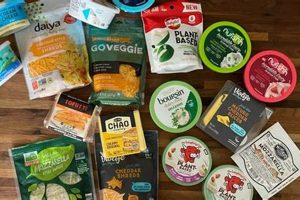
7. Brand Availability

The accessibility of plant-based ricotta alternatives significantly influences consumer adoption and market penetration. Brand availability encompasses several facets, each contributing to the ease with which individuals can purchase and incorporate these products into their diets.
- Geographic Distribution
The geographical distribution of vegan ricotta brands is a primary factor affecting availability. National brands may be widely accessible in major supermarket chains across the country, while smaller, regional brands may be limited to specific geographic areas or specialty stores. This disparity impacts consumers’ ability to access diverse product options. Those residing in urban centers with well-established health food markets often have a greater selection compared to individuals in rural areas with limited retail options.
- Retail Channel Diversity
The presence of plant-based ricotta across various retail channelsincluding traditional supermarkets, health food stores, online retailers, and specialty cheese shopscontributes to overall brand availability. A brand that is exclusively available online, for example, may be less accessible to consumers who prefer in-person shopping or require immediate access to the product. Similarly, reliance on specialty stores limits availability for those without convenient access to these outlets. Broader distribution across diverse retail channels enhances accessibility and expands the potential consumer base.
- Product Placement and Shelf Space
Within a retail environment, the placement and amount of shelf space allocated to plant-based ricotta brands impact visibility and purchase likelihood. Products positioned prominently within the dairy or specialty cheese section are more likely to be noticed by consumers actively seeking ricotta alternatives. Conversely, limited shelf space or placement in less trafficked areas can hinder sales. Strategic product placement and adequate shelf space are crucial for maximizing brand visibility and driving consumer purchases.
- Online Accessibility and Delivery Options
The availability of vegan ricotta brands through online retailers and the provision of delivery services significantly expand consumer access, particularly for those residing in areas with limited retail options or those who prefer the convenience of online shopping. Brands that offer direct-to-consumer sales, subscriptions, or partnerships with online grocery platforms benefit from increased reach and accessibility. The availability of various delivery options, such as standard shipping, expedited delivery, or local pickup, further enhances convenience and caters to diverse consumer needs.
The interplay of these factors determines the overall availability of vegan ricotta brands. Addressing limitations in geographic distribution, retail channel diversity, product placement, and online accessibility is crucial for expanding the market reach and ensuring that these plant-based alternatives are readily accessible to consumers seeking dairy-free options. Increased availability not only benefits consumers but also fosters greater market growth and innovation within the vegan cheese sector.
Frequently Asked Questions
The following section addresses common inquiries regarding plant-based ricotta, providing clarity and insights to inform consumer choices.
Question 1: What are the primary ingredients used in these products?
Plant-based ricotta substitutes commonly utilize ingredients such as almonds, cashews, soy (tofu), sunflower seeds, and white beans as their base. Manufacturers may incorporate additives like tapioca starch, carrageenan, nutritional yeast, or lemon juice to modify texture and enhance flavor.
Question 2: How does the nutritional profile of these alternatives compare to traditional dairy ricotta?
Nutritional profiles vary significantly based on the base ingredients. Almond-based options tend to be higher in fat, while soy-based products offer greater protein content. Fortification with vitamins and minerals, such as calcium and vitamin B12, may occur, but bioavailability may differ compared to dairy sources.
Question 3: What are the key textural differences to expect?
Texture ranges from smooth and creamy to slightly grainy, depending on the brand and ingredients. Some may lack the distinct curd-like structure of dairy ricotta, while others may be excessively dry or grainy. Texture is dependent on the formulation as different starches and additives may affect it.
Question 4: Are these products suitable for individuals with allergies?
Many plant-based ricotta substitutes contain common allergens, such as tree nuts (almonds, cashews) and soy. Careful review of the ingredient list and precautionary allergen statements is essential to avoid adverse reactions. Individuals should consider the possibility of cross-contamination during manufacturing.
Question 5: In what culinary applications can these alternatives be used?
Plant-based ricotta is a versatile ingredient applicable in lasagna, stuffed shells, desserts (cheesecakes, cannoli fillings), dips, and spreads. Recipe adjustments may be necessary to account for differences in moisture content and binding properties.
Question 6: Where can these products typically be purchased?
Availability varies based on the brand. National brands may be found in major supermarket chains, while regional brands may be limited to specific geographic areas or specialty stores. Online retailers and direct-to-consumer sales offer expanded access. Product placement within retail environments can also impact visibility and purchase likelihood.
In summary, informed decision-making requires careful consideration of ingredients, nutritional profiles, textural properties, allergen information, culinary applications, and brand availability. Consumer vigilance ensures selection aligns with individual needs and preferences.
The subsequent section will delve into the environmental considerations associated with manufacturing plant-based ricotta.
Conclusion
The exploration of available “vegan ricotta cheese brands” reveals a diverse landscape of ingredients, nutritional profiles, and culinary applications. Careful consideration of these factors is essential for consumers seeking suitable dairy-free alternatives. The allergen information, texture variations, and flavor profiles require diligent assessment to align with individual needs and dietary preferences.
The continued growth and refinement of these alternatives demonstrate an evolving food industry responding to shifting consumer demands. The selection of a specific product necessitates informed decision-making, impacting both personal health and broader ethical considerations. Further advancements in ingredient sourcing and manufacturing processes are anticipated, promising even more compelling options in the future.