Plant-based alternatives to traditional dairy products have gained significant traction, and feta is no exception. These products seek to replicate the salty, tangy, and crumbly texture of the original using non-animal ingredients. Examples include those made from soy, tofu, nuts (like cashews), or coconut oil, often cultured or fermented to achieve the desired flavor profile.
These alternatives address growing consumer demand for ethical and sustainable food choices. They allow individuals to enjoy familiar flavors while adhering to vegan dietary restrictions, addressing lactose intolerance, or simply reducing their consumption of animal products. Historically, the availability of convincing dairy-free options has been limited, but advancements in food technology have expanded the range and quality of these substitutes.
This article will delve into specific examples readily available on the market. It will examine ingredients, nutritional profiles, taste characteristics, and potential applications within various culinary contexts.
Guidance on Selecting Plant-Based Feta Alternatives
The following are considerations when choosing a plant-based alternative to traditional feta. Careful evaluation ensures a product that aligns with individual dietary needs and culinary expectations.
Tip 1: Ingredient Examination: Scrutinize the ingredient list. Soy-based formulations offer a protein-rich option, while cashew-based versions provide a creamy texture. Coconut oil-based products may have a distinct flavor profile. Be mindful of potential allergens.
Tip 2: Nutritional Profile Assessment: Compare nutritional information. Consider fat content, sodium levels, and protein availability. Some products may be fortified with vitamins or minerals to enhance their nutritional value.
Tip 3: Taste Testing and Sampling: If possible, sample different products to determine personal preferences. Taste can vary significantly between brands and formulations. Online reviews and consumer feedback can provide helpful insights.
Tip 4: Texture Considerations: Evaluate the texture. Some plant-based versions aim to replicate the crumbly nature of traditional feta, while others may be smoother or creamier. Match the texture to the intended culinary application.
Tip 5: Sodium Content Awareness: Traditional feta is known for its saltiness. Be mindful of the sodium content in plant-based alternatives, especially for those with sodium-restricted diets. Some products may offer low-sodium options.
Tip 6: Storage and Shelf Life: Adhere to recommended storage guidelines. Proper storage ensures optimal freshness and prevents spoilage. Note the shelf life after opening to minimize waste.
Tip 7: Culinary Application Suitability: Consider the intended use. Some products are better suited for salads, while others may be more appropriate for baking or crumbling over dishes. The melting properties can also vary.
Careful consideration of these elements empowers informed decision-making when selecting a suitable plant-based feta alternative. The objective is to find a product that satisfies both dietary requirements and culinary preferences.
The next section will provide a comprehensive comparative analysis of readily accessible brands, highlighting specific attributes and features to further facilitate informed consumer choices.
1. Ingredients

The ingredient composition of plant-based feta alternatives is paramount, directly influencing the final product’s taste, texture, nutritional profile, and overall suitability as a substitute for traditional dairy feta. Understanding these components is crucial for informed purchasing decisions.
- Base Ingredients
The primary ingredient forms the foundation of the cheese alternative. Common bases include soy (tofu), cashews, almonds, coconut oil, and various legumes. The choice of base ingredient significantly affects the texture and inherent flavor. For example, cashew-based options often possess a creamier texture due to the natural fat content of cashews, while soy-based versions tend to be firmer and may require additional flavorings to mimic feta’s tanginess.
- Culturing Agents
To replicate the tangy and slightly acidic flavor of traditional feta, many plant-based versions incorporate culturing agents. These agents, often bacterial cultures, ferment the base ingredients, producing lactic acid and other compounds that contribute to the characteristic feta taste. Different cultures can yield varying degrees of tanginess and complexity, impacting the overall flavor profile.
- Fats and Oils
Fats and oils contribute significantly to the texture and mouthfeel of the product. While some base ingredients naturally contain fats (e.g., cashews, coconut oil), additional fats may be added to enhance creaminess or mimic the richness of dairy. Common additions include coconut oil, olive oil, and other vegetable oils. The type and quantity of fat influence the product’s melting properties and overall sensory experience.
- Flavor Enhancers and Additives
To achieve the desired flavor profile, manufacturers often incorporate various flavor enhancers and additives. These can include salt (essential for replicating feta’s saltiness), lemon juice or vinegar (for added tanginess), herbs (such as oregano or dill), and vegetable-based flavorings. Some products may also contain stabilizers or preservatives to extend shelf life and maintain texture.
The interplay of these ingredients determines the final characteristics of plant-based feta alternatives. Consumers should carefully examine the ingredient list to ensure the product aligns with their dietary preferences, nutritional needs, and desired taste and texture expectations. Furthermore, awareness of potential allergens present in the ingredients is essential for individuals with sensitivities or allergies.
2. Texture

The textural properties of plant-based feta alternatives are critical in determining consumer acceptance and overall satisfaction. Traditional feta cheese is characterized by its crumbly, slightly firm, and moist consistency. Achieving a similar texture in vegan alternatives presents a significant challenge, as plant-based ingredients behave differently than dairy proteins during manufacturing and aging processes. If the alternative lacks the correct crumbly texture, it may be deemed unsuitable as a direct substitute, limiting its appeal to consumers seeking a genuine feta experience. For example, a product made primarily from blended cashews might yield a creamy, spreadable consistency far removed from the desired crumbly structure of conventional feta.
Manufacturers employ various techniques to address this textural challenge. These strategies include manipulating the base ingredient composition, controlling moisture content, and incorporating texturizing agents. Soy-based options often utilize tofu processing methods to create a firmer base. Cashew-based formulations may undergo fermentation or aging processes designed to enhance firmness and reduce excessive creaminess. Some brands incorporate ingredients like tapioca starch or vegetable fibers to mimic the characteristic crumble of feta. The texture directly influences the product’s suitability for different culinary applications. A firmer, drier texture is better suited for crumbling over salads, while a softer texture might be preferable for spreading on bread or incorporating into dips.
Ultimately, the success of a plant-based feta alternative hinges on its ability to replicate the key textural attributes of traditional feta cheese. While achieving an exact replica remains a complex undertaking, continuous advancements in food technology are leading to increasingly convincing textures. Continued innovation in this area will be key to further expanding the appeal and market penetration of plant-based feta cheese brands. Failure to deliver a satisfactory texture is frequently cited as a primary reason for consumer dissatisfaction and a barrier to repeat purchases.
3. Flavor Profile
The flavor profile is a decisive factor in the consumer acceptance of any plant-based cheese alternative. For vegan feta cheese brands, successfully replicating the distinctive taste of traditional dairy feta is critical to competing in the market and satisfying consumer expectations.
- Saltiness
Salt is a defining characteristic of feta cheese, and vegan alternatives must achieve a similar level of salinity to be considered a credible substitute. The salt content not only contributes to the overall flavor but also plays a role in the cheese’s preservation and texture. The source of salt and its distribution within the product are important considerations. Too little salt will result in a bland product, while excessive salt can overwhelm other flavor notes.
- Tanginess
The tangy or acidic flavor component is another key element of feta’s flavor profile. This tanginess typically arises from the fermentation process and the presence of lactic acid. In vegan formulations, replicating this tanginess often involves the use of bacterial cultures or the addition of acidic ingredients like lemon juice or vinegar. The intensity and type of tanginess can vary widely, with some products exhibiting a sharp, pronounced acidity while others offer a more subtle, mellow tang.
- Umami
Umami, often described as a savory or “brothy” flavor, contributes to the overall complexity and depth of flavor in feta cheese. While not as prominent as saltiness or tanginess, umami adds a subtle richness that enhances the overall taste experience. In vegan options, this can be achieved through ingredients like nutritional yeast or fermented vegetable extracts. Properly balancing umami with other flavor components is essential for creating a well-rounded and satisfying product.
- Base Note Flavor
The underlying flavor of the base ingredients (e.g., cashews, soy, coconut oil) also significantly impacts the overall flavor profile. Each base ingredient brings its own unique flavor notes, which must be carefully considered and balanced with the other flavor components. For example, cashew-based options may have a slightly sweet or nutty flavor, while coconut oil-based versions may exhibit a subtle coconut taste. Mastering the proper balance is key to creating a plant-based feta alternative that accurately mimics the complex flavors of traditional dairy feta.
Successfully replicating the flavor profile of traditional feta in a plant-based format requires careful attention to detail and a thorough understanding of the complex interplay between various flavor components. By carefully controlling the saltiness, tanginess, umami, and base note flavors, vegan feta cheese brands can create products that satisfy consumer expectations and offer a credible alternative to dairy-based feta.
4. Nutritional Content
The nutritional composition of vegan feta cheese brands is a critical factor for consumers seeking plant-based alternatives to traditional dairy products. A direct comparison reveals potential differences in macronutrient profiles, micronutrient content, and overall health implications. Traditional feta, derived from sheep’s or goat’s milk, offers protein, calcium, and certain vitamins but also contains saturated fat and cholesterol. Vegan alternatives, formulated from ingredients like soy, cashews, or coconut oil, present a different set of nutritional attributes. The absence of animal products inherently reduces saturated fat and eliminates cholesterol. However, the specific nutrient composition varies significantly depending on the base ingredients and manufacturing processes employed.
For instance, soy-based vegan feta alternatives may provide a significant source of plant-based protein and isoflavones. Cashew-based options offer healthy fats but potentially less protein. Coconut oil-based versions are high in saturated fats, raising considerations regarding cardiovascular health. Furthermore, many vegan feta brands are fortified with vitamins like B12 and D, addressing common deficiencies in plant-based diets. The sodium content also warrants attention, as both traditional and vegan feta varieties tend to be high in sodium. Analyzing the nutrition labels of different vegan feta brands is essential for consumers to make informed choices based on their individual dietary requirements and health goals. Examples include comparing the calcium content of a fortified soy-based feta with the naturally occurring calcium in traditional feta, or evaluating the saturated fat content of a coconut-based product against a cashew-based one. Understanding these distinctions is essential for individuals managing specific health conditions or following particular dietary plans.
In conclusion, the nutritional content of vegan feta cheese brands is a complex and variable attribute requiring careful evaluation. While these alternatives offer potential benefits such as reduced saturated fat and cholesterol, the specific nutrient profile depends heavily on the ingredients and manufacturing processes. Consumers should prioritize reading nutrition labels and comparing products to align their choices with their individual health needs and dietary preferences. Challenges remain in replicating the full spectrum of nutrients found in traditional feta, but ongoing innovation in the plant-based food industry is continuously improving the nutritional value and appeal of these alternatives.
5. Availability

The accessibility of plant-based feta alternatives significantly impacts consumer adoption and market growth. Widespread availability determines the extent to which consumers can incorporate these products into their diets and routines, thereby influencing their overall acceptance and purchase frequency.
- Geographic Distribution
The presence of vegan feta alternatives varies substantially across different geographic regions. Urban centers and areas with a higher concentration of vegan or vegetarian populations often exhibit greater product diversity and accessibility. Conversely, rural regions or areas with less demand may have limited options, primarily relying on larger chain supermarkets or online retailers. This disparity impacts the ability of consumers in certain areas to regularly purchase and consume these products.
- Retail Channels
The channels through which vegan feta alternatives are sold also influence their availability. Mainstream supermarkets, health food stores, specialty cheese shops, and online retailers represent key distribution points. Supermarkets often stock a limited selection, typically focusing on widely recognized brands. Health food stores and specialty shops may offer a broader range, including artisanal or lesser-known brands. Online platforms expand accessibility beyond physical store locations, allowing consumers to purchase products regardless of their local retail environment.
- Price Point and Affordability
The cost of vegan feta alternatives can affect their accessibility for certain consumer segments. Generally, these products tend to be priced higher than conventional dairy feta, reflecting the specialized ingredients and manufacturing processes involved. This price differential can be a barrier for budget-conscious consumers, limiting their ability to incorporate these alternatives into their regular grocery purchases. Price promotions and discounts can temporarily increase availability and affordability, driving trial and adoption.
- Shelf Life and Storage Requirements
Product shelf life and storage needs play a crucial role in determining distribution networks and consumer purchasing habits. A longer shelf life enables wider distribution and reduces the risk of spoilage. Refrigeration requirements may limit distribution channels and consumer purchasing decisions. Certain ingredients may be challenging to preserve over longer distances, leading to regional discrepancies.
The interplay of these factorsgeographic distribution, retail channels, price point, and product characteristicscollectively determines the availability of vegan feta cheese brands. Increasing product availability through diverse retail channels, competitive pricing, and extended shelf life is essential to foster wider adoption and further solidify the position of these alternatives within the broader food market.
6. Price Point
The price point of vegan feta cheese brands is a significant determinant of market penetration and consumer accessibility. Cost influences purchasing decisions, directly impacting the rate at which consumers adopt these plant-based alternatives to traditional dairy feta. Discrepancies in pricing relative to conventional options can either incentivize or deter potential buyers.
- Ingredient Costs and Sourcing
The primary ingredients used in vegan feta production, such as cashews, soy, or coconut oil, often carry higher sourcing costs compared to cow’s or sheep’s milk. Specialized farming practices, transportation logistics, and fluctuating market demands for these ingredients directly influence the final cost of the product. For example, cashew-based alternatives may be more expensive due to the labor-intensive harvesting and processing of cashews, leading to a higher retail price. Ingredient selection impacts both production expenses and consumer affordability.
- Manufacturing Processes and Scale of Production
The complexity of manufacturing plant-based feta alternatives, involving techniques like fermentation, culturing, or specialized blending, can add to production costs. Smaller-scale production runs, typical of emerging brands, often lack the economies of scale achieved by larger dairy manufacturers, resulting in higher per-unit costs. As production volume increases and processes become more streamlined, prices may become more competitive. Efficiency in manufacturing is therefore directly tied to price accessibility for the average consumer.
- Brand Positioning and Perceived Value
Brands strategically position their vegan feta products within the market based on factors such as ingredient quality, organic certification, or perceived health benefits. Premium branding often commands a higher price point, appealing to consumers willing to pay more for perceived superior quality or ethical sourcing. Conversely, value-oriented brands may prioritize affordability, sacrificing certain features to compete on price. Price thus becomes a signaling mechanism, communicating information about brand attributes and target consumer segments.
- Retail Markup and Distribution Costs
Retailers apply markup percentages to wholesale prices, impacting the final cost to the consumer. Distribution costs, including transportation, storage, and handling, also contribute to the overall price point. Stores specializing in organic or vegan products may have higher operating costs, resulting in steeper retail prices. Furthermore, regional variations in distribution networks can lead to price disparities across different geographic locations, further influencing consumer accessibility based on location.
In summary, the price point of vegan feta cheese brands is a multifaceted issue shaped by ingredient costs, manufacturing processes, brand positioning, and retail dynamics. Cost considerations play a critical role in shaping consumer purchasing decisions and influencing the overall market success of these plant-based alternatives. Achieving price parity with traditional feta, without compromising quality or sustainability, remains a key challenge for the industry.
7. Culinary Use
The adaptability of plant-based feta alternatives within various culinary applications directly influences their market value and consumer acceptance. Successful integration into established recipes and the development of new culinary creations hinge on their ability to mimic or enhance the flavor and texture profiles of traditional feta cheese.
- Salads and Cold Preparations
Vegan feta is frequently employed in salads, mirroring the use of its dairy counterpart. The crumble’s texture and salty, tangy flavor contribute significantly to the overall taste profile of Mediterranean and Greek-inspired salads. Its ability to retain its form without dissolving in dressings is paramount. Examples include classic Greek salads featuring tomatoes, cucumbers, onions, and olives, or more contemporary salads incorporating grains, roasted vegetables, and herbs. In cold applications, the inherent characteristics of the plant-based feta are directly exposed, making flavor accuracy critical.
- Baked and Cooked Dishes
Plant-based feta alternatives can be incorporated into baked or cooked dishes where traditional feta is commonly used. This includes applications such as spanakopita, savory pastries, or crumbled atop roasted vegetables before baking. The product’s melting behavior and ability to retain its shape and flavor under heat are key considerations. Certain formulations may soften or melt differently than dairy feta, potentially altering the final texture and structure of the dish. The flavor profile should complement the other ingredients without becoming overpowering during cooking.
- Spreads and Dips
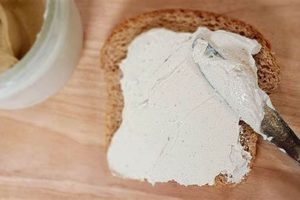
Some vegan feta cheese brands are formulated to function as spreads or dips. These variations often possess a creamier texture than their crumble-style counterparts. They can be used as a base for dips, spread on crackers or bread, or incorporated into sauces. The flavor should be balanced and palatable for direct consumption, without requiring additional seasoning or modification. In these applications, the product’s texture, spreadability, and overall taste profile are crucial for consumer satisfaction.
- Toppings and Garnishes
Crumbled plant-based feta can serve as a topping or garnish for a wide range of dishes, adding a salty, tangy, and visually appealing element. This includes applications such as pizzas, pasta dishes, soups, and grilled vegetables. The product’s crumble consistency and flavor intensity are essential for enhancing the overall presentation and taste of the dish. Its ability to maintain its form and flavor when exposed to heat is also important, particularly for dishes served hot.
The multifaceted culinary utility of vegan feta cheese brands is a key driver of their market growth. From salads to baked goods, these alternatives offer a plant-based solution for replicating the distinctive flavor and texture of traditional feta across various culinary applications. The success of these products depends on their ability to seamlessly integrate into existing recipes and inspire new culinary creations, thereby expanding their appeal to a broader range of consumers.
Frequently Asked Questions Regarding Vegan Feta Cheese Brands
This section addresses common inquiries regarding plant-based alternatives to traditional feta cheese. These answers aim to provide clarity and assist consumers in making informed purchasing decisions.
Question 1: What are the primary ingredients used in manufacturing plant-based feta alternatives?
The core components typically include soy (often in the form of tofu), cashews, almonds, coconut oil, or a combination thereof. These ingredients serve as the base upon which the flavor and texture are built.
Question 2: How does the nutritional profile of vegan feta compare to traditional dairy feta?
Plant-based options generally contain less saturated fat and cholesterol. However, the protein content and micronutrient composition can vary significantly depending on the ingredients used. Scrutinizing nutrition labels is crucial.
Question 3: Is the flavor of vegan feta identical to that of traditional feta cheese?
While manufacturers strive to replicate the salty and tangy flavor, subtle differences are often noticeable. The flavor profile depends heavily on the ingredients and fermentation processes employed.
Question 4: Are there specific culinary applications for which vegan feta is particularly well-suited?
Plant-based feta alternatives are versatile and can be used in salads, crumbled over cooked dishes, or incorporated into dips and spreads. However, melting properties may differ from traditional feta in baked applications.
Question 5: Where can one typically purchase vegan feta cheese brands?
Availability varies by region. Mainstream supermarkets, health food stores, and online retailers are common sources. Specialty cheese shops may also carry select brands.
Question 6: What factors contribute to the pricing disparities between vegan and traditional feta?
Ingredient costs, manufacturing processes, and economies of scale all influence pricing. Plant-based options may involve more specialized ingredients and smaller production runs, leading to higher retail prices.
In conclusion, vegan feta cheese brands offer a plant-based alternative to traditional feta, albeit with potential differences in ingredients, nutrition, flavor, and application. Careful consideration of these factors enables informed purchasing decisions.
The subsequent section will delve into future trends and innovations within the vegan feta cheese market.
Conclusion
This exploration of vegan feta cheese brands reveals a dynamic market driven by evolving consumer preferences and technological advancements. The analysis encompasses key attributes, including ingredients, nutritional profiles, flavor characteristics, availability, price points, and culinary applications. These factors collectively influence the acceptance and market penetration of plant-based feta alternatives. The investigation highlights the ongoing efforts to replicate the distinctive taste and texture of traditional feta while addressing ethical and dietary considerations.
The future trajectory of vegan feta cheese brands depends on continued innovation in ingredient sourcing, processing techniques, and flavor development. As consumer awareness grows and plant-based diets gain further traction, the demand for credible dairy alternatives is poised to increase. The ability of these brands to deliver affordable, nutritious, and palatable products will ultimately determine their long-term success and contribution to the broader food landscape. The pursuit of a truly indistinguishable substitute remains an ongoing endeavor, one that warrants continued attention and investment.