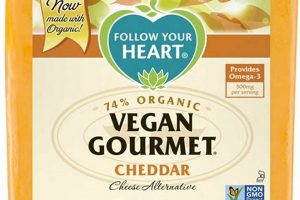
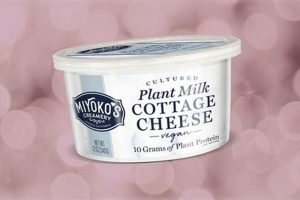
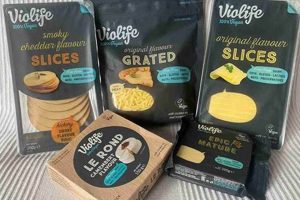
A plant-based alternative that mimics the characteristics of traditional Swiss cheese is increasingly available. This product seeks to replicate the nutty, complex flavor profile and firm texture associated with the dairy-based original. It often utilizes ingredients like cashews, soy, or other plant-derived fats and proteins to achieve a similar taste and consistency.
The development of this substitute caters to individuals adhering to vegan diets, those with lactose intolerance, or consumers seeking sustainable food options. It addresses a growing demand for dairy-free alternatives without sacrificing the culinary experience, allowing for the creation of traditionally cheese-centric dishes in a plant-based format. The rise in popularity reflects a broader shift towards more ethical and environmentally conscious eating habits.
The following sections will explore the specific ingredients, manufacturing processes, and culinary applications of these innovative plant-based products, along with comparisons to their dairy-based counterparts. A detailed analysis of nutritional profiles and consumer perceptions will also be presented.
Culinary Tips
This section provides practical guidance for utilizing the plant-based alternative in various culinary applications. These recommendations aim to optimize flavor and texture when substituting for the traditional dairy product.
Tip 1: Select Reputable Brands: Not all formulations are created equal. Opt for established brands with positive customer reviews, indicating superior flavor and meltability. Prioritize those listing transparent ingredient sources.
Tip 2: Adjust Cooking Times: Plant-based alternatives often melt differently than their dairy counterparts. Monitor cooking times closely to prevent burning or uneven melting. Lower oven temperatures may be necessary.
Tip 3: Consider Moisture Content: Some versions may have a higher moisture content. To avoid soggy results, pat the product dry with paper towels before using it in gratins, quiches, or sandwiches.
Tip 4: Enhance Flavor Profiles: Because of differences in flavor compounds, consider adding flavor enhancers such as nutritional yeast, white miso paste, or smoked paprika to deepen the savory notes.
Tip 5: Pair with Complementary Flavors: Enhance the experience by pairing it with ingredients that complement its nutty profile, such as caramelized onions, roasted vegetables, or whole-grain breads.
Tip 6: Explore Textural Variations: Plant-based options come in various forms, including shreds, slices, and blocks. Experiment with different textures to find the optimal form for your specific dish.
Tip 7: Experiment in Grilled Sandwiches: The plant-based alternative can achieve a desirable melt in grilled sandwiches. Use a medium-low heat to ensure even melting without burning the bread.
Adhering to these tips will significantly improve the outcome when incorporating this alternative into your recipes, allowing for a satisfying and flavorful plant-based dining experience.
The subsequent section will delve into the nutritional aspects of this plant-based option, contrasting it with traditional versions.
1. Ingredients

The selection and combination of ingredients are paramount in shaping the characteristics of plant-based alternatives intended to replicate the flavor and texture of traditional Gruyere. Understanding these core components is crucial for assessing the product’s nutritional profile, potential allergens, and overall suitability for various dietary needs and culinary applications.
- Plant-Based Milk Alternatives
The base of many formulations often relies on plant-based milk alternatives such as cashew milk, almond milk, soy milk, or coconut milk. Each base contributes uniquely to the final product’s texture and fat content. Cashew milk, for example, provides a creamy mouthfeel due to its naturally higher fat content, while soy milk may impart a more neutral flavor profile. The choice of base directly influences the final product’s sensory attributes.
- Plant-Based Fats
Refined coconut oil, shea butter, and cocoa butter are frequently employed to replicate the solid fat content found in traditional dairy cheese. These fats contribute to the product’s firmness and melting properties. The proportion of these fats is carefully calibrated to achieve a desirable balance between structure and spreadability. Palm oil may also be used, raising sustainability considerations that manufacturers often address through certification programs.
- Thickeners and Stabilizers
Ingredients such as tapioca starch, potato starch, carrageenan, agar-agar, and modified food starch are utilized to provide structure and prevent separation. These stabilizers contribute to a consistent texture during both refrigerated storage and cooking. While some thickeners, like tapioca starch, are generally well-received, others, like carrageenan, are subject to consumer debate regarding potential health effects.
- Flavor Enhancers
Nutritional yeast, miso paste, lactic acid, and vegan-friendly cultures are incorporated to develop the characteristic savory and nutty flavors associated with Gruyere. Nutritional yeast, in particular, contributes a cheesy, umami-rich flavor due to its naturally high glutamic acid content. The careful use of these flavor enhancers is crucial for approximating the complex taste profile of the traditional cheese.
The interplay of these ingredients determines the overall success of the alternative in mimicking the properties of traditional Gruyere. While the formulation varies across brands, understanding these common components provides a framework for evaluating the product’s suitability based on individual dietary preferences, culinary requirements, and ethical considerations.
2. Flavor Profile

The flavor profile of plant-based alternatives designed to mimic Gruyere cheese represents a crucial aspect of their appeal and functionality. Replicating the complex, savory, and nutty characteristics of traditional Gruyere is a significant challenge in creating a satisfactory substitute.
- Base Flavor Development
The foundation of the flavor profile is often built upon ingredients such as cashews, soy, or other plant-derived protein sources. The inherent flavors of these base ingredients are carefully modulated through various fermentation and enzymatic processes. For example, controlled fermentation can produce lactic acid, contributing a tangy note that mimics the complexity of aged dairy cheese. The selection of base ingredients and the methods used to develop their initial flavor characteristics significantly influence the final outcome.
- Umami Enhancement
Traditional Gruyere possesses a distinct umami character, largely due to the presence of glutamates formed during the aging process. Plant-based alternatives often rely on ingredients like nutritional yeast, miso paste, or hydrolyzed vegetable protein to impart a similar savory depth. Nutritional yeast, in particular, is a common ingredient due to its high concentration of glutamic acid. The strategic use of these ingredients is essential for replicating the savory dimension of the flavor profile.
- Nutty and Earthy Notes
The characteristic nutty and earthy notes of Gruyere are frequently emulated through the addition of roasted nuts, seed butters, or carefully selected spices. These ingredients provide subtle undertones that contribute to the overall complexity of the flavor profile. The specific types of nuts or spices used, as well as their proportions, are carefully calibrated to achieve the desired balance of flavors. The presence of volatile aroma compounds derived from these ingredients further enhances the sensory experience.
- Balancing Act
Replicating this flavor profile is not merely the application of artificial flavors and rather a well balanced combination of different aroma. A nutty flavor should be well mixed with umami and slightly acidic aroma.
The success of these plant-based alternatives hinges on the ability to effectively replicate the complex flavor profile of traditional Gruyere. While variations in formulation and ingredient quality inevitably lead to differences in taste, the underlying goal remains consistent: to provide a satisfying and authentic substitute for those seeking dairy-free options.
3. Meltability

Meltability is a critical characteristic of plant-based alternatives mirroring Gruyere cheese. This attribute directly influences the product’s suitability for various culinary applications, such as gratins, fondues, and sandwiches. The ability to transition from a solid to a molten state, while retaining a smooth, consistent texture, is paramount for replicating the functionality of traditional dairy-based Gruyere in cooking.
The meltability of these alternatives is contingent on the types and proportions of fats and starches used in their formulation. Plant-based fats, such as refined coconut oil or shea butter, often exhibit different melting points and behaviors compared to dairy fats. The presence of modified food starches and gums is necessary to bind the ingredients and prevent separation during heating. Variations in the formulation can result in products that either fail to melt adequately, becoming oily or grainy, or melt excessively, losing their structural integrity. For instance, a product with insufficient starch content may release excessive oil upon heating, leading to an unappetizing texture. Conversely, an overabundance of starch may result in a gummy or pasty consistency when melted.
Achieving optimal meltability requires careful consideration of the interaction between fats, starches, and other ingredients. Manufacturers often employ specific processing techniques, such as emulsification and homogenization, to ensure a uniform distribution of components and enhance the product’s melting behavior. The ultimate success of a plant-based Gruyere alternative hinges, in part, on its ability to mimic the meltability of its dairy-based counterpart, thereby enabling its seamless integration into a wide range of culinary applications. Research and development efforts are continually focused on refining formulations and processing methods to improve this key attribute.
4. Texture

The textural attributes of plant-based Gruyere alternatives play a crucial role in determining their overall acceptability and functionality. Mimicking the characteristic firmness, smoothness, and mouthfeel of traditional Gruyere presents a significant technical challenge. Variations in ingredient composition and manufacturing processes can lead to substantial differences in the final product’s texture, influencing its performance in diverse culinary applications.
The interplay of plant-based fats, proteins, and hydrocolloids directly impacts the perceived texture. For example, a high proportion of coconut oil may result in a waxy or overly firm texture, particularly when chilled. Conversely, an insufficient amount of structuring agents can lead to a soft, almost spreadable consistency. The presence of starches, such as tapioca or potato starch, contributes to the binding of ingredients and the creation of a cohesive matrix. However, excessive starch levels may produce a gummy or pasty texture, diminishing the product’s appeal. Precise control over ingredient ratios and processing parameters, including temperature and shear forces, is essential for achieving the desired textural properties.
Ultimately, the success of plant-based Gruyere alternatives depends not only on their flavor but also on their ability to replicate the sensory experience associated with the traditional dairy product. Understanding the complex relationship between ingredient composition, processing methods, and textural outcomes is paramount for manufacturers seeking to develop high-quality, appealing plant-based options. Continuous refinement and optimization of these factors will drive further advancements in the field.
5. Applications

The range of applications for plant-based alternatives mirroring Gruyere cheese dictates their market viability and consumer acceptance. Versatility in the kitchen is crucial, as consumers expect these products to perform comparably to their dairy-based counterparts in various dishes.
- Gratins and Casseroles
The ability to melt evenly and create a browned, flavorful crust is paramount for gratins and casseroles. Plant-based alternatives should provide sufficient structural integrity to hold the dish together while contributing a desirable savory flavor. Examples include potato gratins, vegetable casseroles, and baked pasta dishes. Performance in these applications reflects the formulation’s meltability and its capacity to develop Maillard reaction products during baking.
- Sandwiches and Paninis
Melted texture and flavor integration are key considerations for sandwich applications. The alternative should melt smoothly without becoming oily or separating, creating a cohesive and palatable filling. Common examples include grilled cheese sandwiches, paninis, and wraps. Successful performance relies on the product’s ability to soften and blend with other ingredients at moderate temperatures.
- Fondues and Dips
A smooth, creamy consistency and stable emulsion are essential for fondues and dips. The alternative must maintain its texture and flavor profile when heated, without curdling or separating. Examples include traditional cheese fondues, artichoke dips, and spinach dips. Achieving this requires a formulation that resists phase separation and maintains a consistent viscosity at elevated temperatures.
- Pizza Toppings
Even melting and browning under high heat are critical for pizza applications. The plant-based alternative should melt uniformly across the pizza surface, providing a visually appealing and flavorful topping. Performance depends on the product’s thermal stability and its ability to develop a desirable crust without burning or becoming excessively oily.
The success of plant-based alternatives mirroring Gruyere hinges on their ability to perform reliably across these diverse culinary applications. Products demonstrating versatility and consistent results are more likely to gain widespread consumer acceptance and establish a strong market presence. Further development and refinement of these alternatives will focus on optimizing their performance in specific applications to meet the evolving needs of chefs and home cooks.
6. Nutritional Value

The nutritional profile of plant-based alternatives mimicking Gruyere cheese is a significant consideration for consumers seeking dairy-free options. It is crucial to understand how these products compare to traditional Gruyere in terms of macronutrient content, micronutrient composition, and overall health implications.
- Macronutrient Composition
Traditional Gruyere is characterized by a high fat content, moderate protein levels, and negligible carbohydrates. Plant-based alternatives exhibit more variability in their macronutrient composition, depending on the ingredients used. Some formulations may have lower total fat content but a higher proportion of saturated fats derived from coconut oil. Protein sources vary from soy to nuts, resulting in different amino acid profiles. Carbohydrate content may be higher due to the inclusion of starches for texture. The balance of macronutrients in these alternatives directly impacts their caloric density and their suitability for various dietary regimens.
- Micronutrient Profile
Dairy-based Gruyere is a source of calcium, vitamin A, and vitamin B12. Plant-based alternatives may lack these micronutrients unless they are fortified. Some manufacturers add calcium and vitamin B12 to their products to enhance their nutritional value and more closely mimic the profile of dairy cheese. However, the bioavailability of these added micronutrients may differ from that of naturally occurring nutrients. It is essential for consumers to review nutrition labels carefully to assess the micronutrient content of these products.
- Sodium Content
Both traditional Gruyere and its plant-based counterparts often contain significant amounts of sodium. Sodium is used as a flavor enhancer and preservative. Individuals monitoring their sodium intake should be aware of the sodium content of these products, as excessive sodium consumption is associated with adverse health outcomes. The sodium content can vary significantly among different brands and formulations of plant-based alternatives.
- Fiber Content
Traditional Gruyere lacks dietary fiber. Some plant-based alternatives may contain small amounts of fiber, depending on the ingredients used. Fiber contributes to satiety and has beneficial effects on digestive health. However, the fiber content of most plant-based Gruyere alternatives is generally low and not a primary source of dietary fiber.
A thorough understanding of the nutritional attributes of plant-based alternatives intended to replicate Gruyere is critical for making informed dietary choices. These products can offer viable options for individuals avoiding dairy, but it is essential to evaluate their nutrient profiles carefully and compare them to those of traditional Gruyere and other dietary sources. Consumers should consider their individual nutritional needs and dietary goals when selecting these alternatives.
7. Availability

The extent to which plant-based Gruyere alternatives are accessible to consumers significantly influences their market penetration and impact on dietary choices. Availability encompasses both the geographic distribution and the range of retail outlets that stock these products. A limited presence restricts consumer access, hindering adoption even among those actively seeking dairy-free options. Conversely, widespread availability across supermarkets, specialty food stores, and online retailers fosters greater consumer awareness and facilitates trial.
The increased presence of plant-based alternatives in mainstream grocery chains reflects a growing demand and acceptance of these products. For instance, the inclusion of plant-based Gruyere alternatives in national supermarket chains ensures greater visibility and accessibility compared to their availability solely in smaller specialty stores or online platforms. This shift represents a crucial step in normalizing plant-based options and making them convenient for a wider consumer base. Furthermore, online retailers play a vital role in expanding availability to regions where physical store presence is limited, addressing geographical disparities in access.
However, challenges remain in ensuring consistent and affordable availability. Price points, often higher than traditional dairy cheese, can limit accessibility for some consumers. Moreover, supply chain disruptions or regional distribution limitations can lead to inconsistent stock levels, frustrating consumer demand. The future success of plant-based Gruyere alternatives hinges, in part, on continued efforts to improve their affordability, expand their distribution networks, and ensure reliable product availability across diverse geographic regions and retail channels.
Frequently Asked Questions About Vegan Gruyere Cheese
The following addresses common inquiries regarding this dairy-free alternative. These questions and answers provide factual information and clarify prevalent misunderstandings.
Question 1: What are the primary ingredients in vegan Gruyere cheese?
The specific formulation varies by brand, but common ingredients include plant-based milk alternatives (e.g., cashew, soy), plant-based fats (e.g., coconut oil, shea butter), thickeners (e.g., tapioca starch, carrageenan), and flavor enhancers (e.g., nutritional yeast, miso paste).
Question 2: How does the flavor of vegan Gruyere cheese compare to traditional Gruyere?
While manufacturers strive to replicate the nutty, complex flavor profile of traditional Gruyere, the plant-based alternatives often exhibit subtle differences. The flavor intensity and specific notes may vary depending on the ingredients and production methods used. It is important to consider that these will not always taste the same.
Question 3: Does vegan Gruyere cheese melt like traditional Gruyere?
Meltability can vary significantly among different brands. Some formulations are designed to melt smoothly and evenly, while others may exhibit poor melting characteristics, becoming oily or grainy. The specific melting behavior is influenced by the type and proportion of fats and starches used in the product.
Question 4: Is vegan Gruyere cheese a good source of protein and calcium?
Most plant-based alternatives are not naturally rich in protein or calcium. Some manufacturers fortify their products with calcium and other nutrients to enhance their nutritional value. It is recommended to review the nutrition label to assess the protein and calcium content of specific brands.
Question 5: What are the common culinary applications for vegan Gruyere cheese?
The plant-based alternative is used in various dishes such as gratins, casseroles, sandwiches, fondues, and as a pizza topping. Its suitability for each application depends on its meltability, flavor profile, and textural properties.
Question 6: Where can vegan Gruyere cheese be purchased?
Availability varies depending on location. Plant-based alternatives are typically found in supermarkets, specialty food stores, and online retailers. The selection and availability may differ depending on the store and geographic region.
These frequently asked questions provide a foundational understanding. Individual experiences may vary based on brand selection and intended use. Proper storage ensures prolonged use.
The subsequent section will explore the market trend of this alternative.
Conclusion
The preceding analysis has explored multiple facets of vegan gruyere cheese, encompassing its ingredient composition, flavor profile, meltability, texture, applications, nutritional value, and market availability. This exploration reveals a complex landscape characterized by diverse formulations, varying sensory attributes, and evolving consumer perceptions. The viability of these alternatives hinges on their ability to approximate the culinary functionality and flavor complexity of traditional dairy-based Gruyere while addressing specific dietary needs and ethical considerations.
Continued innovation and refinement are essential to enhance the sensory qualities, nutritional profiles, and affordability of vegan gruyere cheese. Ongoing research should focus on optimizing ingredient combinations, improving processing techniques, and addressing consumer concerns regarding taste, texture, and nutritional equivalence. The future trajectory of this product category depends on sustained efforts to meet the growing demand for plant-based options without compromising on quality or culinary performance.