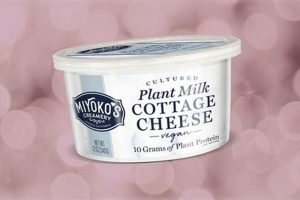
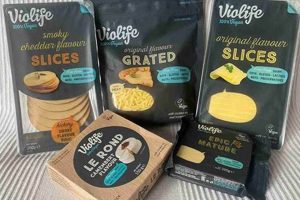
This dairy-free alternative emulates the flavor profile of traditional smoked Gouda, utilizing plant-based ingredients. Typically, it combines a base of nuts, starches, and vegetable oils, cultured and then smoked to achieve a characteristic smoky taste and semi-hard texture. The result is a product designed to replicate the sensory experience of its dairy counterpart.
The creation of this product addresses several considerations. It provides an option for individuals adhering to vegan diets, those with lactose intolerance, and consumers seeking to reduce their dairy consumption. The product also aligns with ethical and environmental concerns associated with conventional dairy farming, offering a potentially more sustainable alternative. Historically, the development of plant-based cheeses has progressed significantly, driven by increasing demand and technological advancements in food science.
Subsequent sections will delve into the specific ingredients used in its production, the techniques employed to achieve its unique flavor and texture, its nutritional profile compared to dairy-based Gouda, and its potential applications in culinary settings.
Tips for Utilizing Plant-Based Smoked Gouda Alternative
This section offers practical guidance for incorporating the plant-based smoked gouda alternative into various culinary applications, ensuring optimal flavor and texture results.
Tip 1: Select Reputable Brands: Opt for well-established brands known for quality ingredients and consistent flavor profiles. Research reviews and ingredient lists before purchasing to ensure satisfaction.
Tip 2: Temper Before Serving: Allow the product to sit at room temperature for approximately 15-20 minutes before serving. This enhances the flavor and softens the texture, particularly when served as part of a cheese board or appetizer.
Tip 3: Grate Immediately Before Use: To prevent clumping and maintain freshness, grate only the amount needed for immediate use. Pre-grated alternatives can dry out and lose flavor quickly.
Tip 4: Adjust Cooking Times: When using in cooked dishes, be mindful that it may melt differently than dairy-based Gouda. Monitor the cooking process closely to prevent overcooking or separation. Reduce cooking time and temperature slightly.
Tip 5: Pair Complementary Flavors: Enhance the smoky flavor with complementary ingredients like apples, pears, nuts (walnuts, pecans), and balsamic glaze. These pairings create a balanced and sophisticated flavor profile.
Tip 6: Incorporate into Sauces Sparingly: When melting for sauces, add the plant-based alternative towards the end of the cooking process and stir gently until fully incorporated. Avoid high heat or prolonged cooking, which can affect the texture.
Tip 7: Store Properly: Store the product in an airtight container in the refrigerator to maintain freshness and prevent it from absorbing other odors. Follow the manufacturer’s instructions for optimal storage.
By adhering to these guidelines, consumers can effectively utilize plant-based smoked Gouda alternative in a variety of dishes, achieving flavorful and satisfying results.
The subsequent section will address frequently asked questions regarding the product, including its nutritional information, sourcing, and potential health benefits.
1. Plant-Based Composition

The plant-based composition is the defining characteristic of this dairy-free cheese alternative. It dictates not only the product’s suitability for vegan diets but also influences its flavor, texture, and nutritional profile.
- Nut-Based Foundation
Many formulations utilize nuts, such as cashews or almonds, as a primary base. These nuts provide fats, proteins, and a creamy texture when processed. The specific type of nut impacts the final flavor, with cashews offering a milder taste compared to the more pronounced flavor of almonds. Nut allergies represent a crucial consideration for consumers.
- Starch Thickeners and Binders
Starches derived from tapioca, potato, or arrowroot function as thickeners and binders. They contribute to the structural integrity of the product, allowing it to be sliced, grated, and melted. The ratio of starch to other ingredients significantly affects the product’s texture, influencing its elasticity and firmness.
- Vegetable Oils and Fats
Vegetable oils, such as coconut oil or shea butter, are incorporated to replicate the fat content and mouthfeel of traditional dairy cheese. The type of oil used influences the melting properties and overall richness. Palm oil, while effective, raises sustainability concerns due to its environmental impact.
- Culturing Agents
Culturing agents, often consisting of vegan-friendly bacterial cultures, are used to ferment the base mixture. This process contributes to the development of characteristic cheese-like flavors, adding complexity and tanginess. The specific cultures employed determine the nuances of the final flavor profile.
The interplay of these plant-based components is critical to achieving a credible dairy-free rendition of smoked Gouda. The selection of specific ingredients and their proportions directly impacts the final product’s sensory attributes and nutritional value. The ongoing development of novel plant-based ingredients is driving innovation in this sector, further refining the quality and appeal of vegan cheese alternatives.
2. Smoked Flavor Profile

The smoked flavor profile is a defining characteristic of this plant-based cheese alternative, replicating the sensory experience of traditional smoked Gouda. Achieving an authentic smoky taste requires careful selection of smoking methods and flavor-enhancing techniques.
- Wood Selection
The type of wood used in the smoking process significantly impacts the final flavor. Hardwoods like hickory, applewood, and mesquite are commonly employed. Hickory imparts a strong, classic smoky flavor, while applewood offers a milder, fruitier note. Mesquite delivers a robust and earthy taste. The choice of wood is crucial in tailoring the smoked profile to emulate traditional Gouda.
- Smoking Method
Cold smoking is the predominant method used to infuse the plant-based cheese with a smoky flavor without melting it. This technique involves exposing the product to smoke at temperatures below 85F (29C). The duration of the cold smoking process influences the intensity of the flavor. Some manufacturers also utilize liquid smoke, a concentrated flavoring derived from wood smoke, although this is generally considered less authentic than traditional smoking.
- Flavor Enhancements
In addition to direct smoking, other techniques are used to enhance the smoky flavor. Ingredients such as smoked paprika, smoked salt, or natural smoke flavorings may be added to the base mixture. These additions can amplify the smoky notes and contribute to a more complex flavor profile. However, an over-reliance on these enhancements can result in an artificial or overpowering taste.
- Flavor Integration
The integration of the smoked flavor with the base ingredients is critical to the overall success of the product. The smoking process must be carefully controlled to ensure that the smoky notes are balanced and harmonious with the other flavors, rather than overpowering them. Achieving this balance requires precise timing, temperature control, and ingredient selection.
The interplay between wood selection, smoking method, flavor enhancements, and flavor integration determines the quality and authenticity of the smoked flavor profile. Careful attention to these factors is essential in producing a convincing dairy-free smoked Gouda alternative that appeals to consumers seeking a genuine smoky taste.
3. Texture Resemblance

Texture resemblance constitutes a critical factor in the acceptance and market viability of plant-based smoked Gouda. The consumer expectation, derived from experience with traditional dairy Gouda, includes a semi-hard consistency, a smooth mouthfeel, and the ability to be sliced, grated, and melted in a manner similar to its dairy counterpart. The achievement of this textural fidelity significantly influences the perceived quality and overall satisfaction with the product. The plant-based version relies on a precise combination of ingredients and processing techniques to mimic these characteristics. For example, a formulation utilizing excessive starch may result in a gummy or rubbery texture, deviating significantly from the desired firmness and creaminess associated with Gouda. Conversely, insufficient binding agents can lead to a crumbly and unmanageable texture, rendering it unsuitable for various culinary applications.
The practical significance of achieving adequate texture resemblance extends beyond mere sensory appeal. The textural properties of the plant-based product directly impact its usability in recipes traditionally employing dairy Gouda. For instance, its ability to melt smoothly and evenly is crucial for applications such as gratins, pizzas, and sauces. A product that separates or fails to melt properly would be deemed a poor substitute and limit its culinary versatility. Furthermore, the texture affects the product’s shelf life and storage characteristics. A well-formulated product maintains its textural integrity over time, resisting changes such as drying out or becoming overly soft. This contributes to its overall practicality and consumer appeal. Brands invest heavily in research and development to refine their formulations and optimize the manufacturing processes to achieve the desired textural qualities.
In summary, the pursuit of accurate texture resemblance is paramount in the development and marketing of plant-based smoked Gouda. The success of this endeavor directly influences consumer perception, culinary applicability, and ultimately, the product’s market success. Challenges remain in replicating the complex interplay of fats, proteins, and carbohydrates found in dairy cheese, but ongoing advancements in food technology continue to drive improvements in the textural properties of these plant-based alternatives. This focus on texture is inseparable from the broader goal of creating convincing and satisfying dairy-free options that meet the demands of a growing and increasingly discerning consumer base.
4. Culinary Versatility

The culinary versatility of plant-based smoked Gouda is a key factor in its adoption and integration into diverse cuisines. Its ability to function as a substitute for dairy Gouda in a range of dishes enhances its appeal to both vegan and non-vegan consumers seeking plant-based alternatives without sacrificing familiar flavors and textures.
- Appetizer Boards and Cheese Platters
Plant-based smoked Gouda contributes a distinct smoky flavor to appetizer boards and cheese platters. Its semi-hard texture allows it to be sliced or cubed, pairing well with fruits, nuts, crackers, and vegan charcuterie. The presence of this alternative expands the options available for creating inclusive and appealing appetizer selections.
- Melted Applications: Pizzas and Gratins
The melting properties of plant-based smoked Gouda are critical for its use in melted applications such as pizzas, gratins, and sandwiches. Certain formulations are engineered to melt smoothly and evenly, providing a desirable texture and flavor distribution similar to dairy Gouda. This functionality allows for the creation of plant-based versions of traditionally dairy-based dishes.
- Sauces and Dips
Grated or blended, plant-based smoked Gouda can be incorporated into sauces and dips, lending a smoky and savory flavor profile. It can be combined with other ingredients such as plant-based milk, vegetable broth, and spices to create creamy and flavorful sauces for pasta, vegetables, and other dishes. Its application provides a dairy-free alternative to cheese-based sauces.
- Vegetarian and Vegan Main Courses
Plant-based smoked Gouda enhances the flavor and texture of vegetarian and vegan main courses. It can be used as a filling for stuffed vegetables, a topping for baked potatoes, or an ingredient in vegetable quiches and frittatas. Its savory character adds depth and complexity to plant-based meals, contributing to a more satisfying and flavorful dining experience.
The varied applications demonstrate that plant-based smoked Gouda is not merely a niche product but a versatile ingredient capable of adapting to a wide range of culinary contexts. As formulations continue to improve and diversify, its potential for culinary integration expands, further solidifying its position as a viable dairy alternative.
5. Ethical Considerations

Ethical considerations are intrinsically linked to the consumption and production of vegan smoked Gouda. This connection arises from a complex interplay of animal welfare concerns, environmental impact, and considerations of human health. The motivations driving consumers to choose this plant-based alternative often stem from a desire to align purchasing decisions with specific ethical values.
- Animal Welfare
The primary ethical driver for consuming vegan smoked Gouda is the avoidance of animal exploitation inherent in conventional dairy production. Dairy farming practices can involve intensive confinement, forced impregnation, and the separation of calves from their mothers. The production of vegan alternatives eliminates the demand for these practices, offering a product that aligns with a commitment to animal welfare. This concern is often paramount for individuals adhering to vegan and vegetarian diets.
- Environmental Sustainability
Dairy farming is associated with a significant environmental footprint, including greenhouse gas emissions, deforestation for grazing land, and water pollution from manure runoff. Plant-based cheese alternatives generally have a lower environmental impact due to reduced land use, water consumption, and greenhouse gas emissions. The production of vegan smoked Gouda, therefore, represents a potentially more sustainable option for environmentally conscious consumers. Life cycle assessments comparing the environmental impacts of dairy and plant-based cheeses provide quantitative support for this assertion.
- Human Health
While not exclusively an ethical concern, health considerations often intersect with ethical motivations. Some consumers choose vegan alternatives due to lactose intolerance, dairy allergies, or a desire to reduce their intake of saturated fat and cholesterol, often found in dairy cheese. By choosing vegan smoked Gouda, individuals can avoid these potential health drawbacks while still enjoying a similar culinary experience. This aligns with a broader ethical framework that prioritizes personal well-being and mindful consumption.
- Labor Practices
Ethical sourcing of ingredients extends to considerations of labor practices within the supply chain. Concerns surrounding fair wages, safe working conditions, and the prevention of forced labor can influence consumer choices. While the impact of vegan cheese production on labor practices may be less direct than in other industries, ethical consumers often seek assurance that the ingredients used are sourced responsibly and that workers are treated fairly throughout the production process.
The multifaceted ethical considerations surrounding vegan smoked Gouda highlight the complex relationship between consumer choices and broader social and environmental values. While the production of vegan alternatives is not without its own ethical challenges, such as the sustainability of palm oil or the working conditions in nut production, it generally represents a more ethical option for consumers seeking to align their purchasing decisions with a commitment to animal welfare, environmental sustainability, and human health.
Frequently Asked Questions
This section addresses common inquiries regarding the composition, usage, and characteristics of dairy-free smoked Gouda alternatives.
Question 1: What are the primary ingredients used in the production of this product?
The product typically incorporates a base of nuts (such as cashews or almonds), starches (tapioca or potato starch), vegetable oils (coconut or shea butter), and flavoring agents, including natural smoke flavoring or smoked paprika. Culturing agents may also be used to develop a cheese-like tang.
Question 2: Does it melt in a similar manner to dairy-based Gouda?
The melting behavior varies depending on the specific formulation. Some products are designed to melt comparably to dairy Gouda, while others may exhibit different melting characteristics. Reading product reviews and experimenting with small quantities is advisable before incorporating it into recipes where melting is crucial.
Question 3: How does the nutritional profile compare to traditional smoked Gouda cheese?
Nutritional profiles differ significantly. Typically, plant-based alternatives contain less saturated fat and cholesterol but may vary in protein content and micronutrient composition. Reviewing the nutrition facts label is essential for making informed dietary choices.
Question 4: Is it suitable for individuals with nut allergies?
Many formulations utilize nuts as a primary ingredient. Individuals with nut allergies should carefully examine the ingredient list before consumption to avoid potential allergic reactions. Nut-free alternatives may exist but are less common.
Question 5: How should it be stored to maintain freshness and quality?
It should be stored in an airtight container in the refrigerator to prevent drying and absorption of odors. Adhering to the manufacturer’s storage recommendations is advisable for optimal results.
Question 6: Where can this product be purchased?
Availability varies by region. It is typically found in health food stores, specialty cheese shops, and supermarkets with a dedicated vegan or dairy-free section. Online retailers also offer a wide selection.
In summary, this dairy-free option offers a plant-based alternative to traditional smoked Gouda, suitable for various dietary preferences and ethical considerations. Careful attention to ingredients and usage is essential for optimal satisfaction.
The concluding section will summarize the key aspects of this product and its role in the evolving landscape of plant-based foods.
Conclusion
This exploration has detailed the multifaceted nature of vegan smoked Gouda cheese, encompassing its plant-based composition, smoking process, textural properties, culinary applications, and ethical considerations. Its emergence reflects a growing demand for plant-based alternatives that replicate the sensory experience of traditional dairy products while aligning with specific dietary and ethical values. The product represents a significant advancement in food technology, addressing the needs of vegan, lactose-intolerant, and environmentally conscious consumers.
The continued refinement of vegan smoked Gouda cheese formulations and production methods is anticipated. Ongoing research into novel plant-based ingredients and processing techniques will likely enhance its flavor, texture, and nutritional profile. As consumer awareness and demand for sustainable food options increase, the role of this product and similar plant-based alternatives in the food system is expected to become more prominent, contributing to a more diverse and resilient food supply.