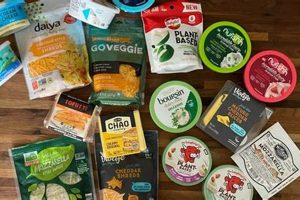
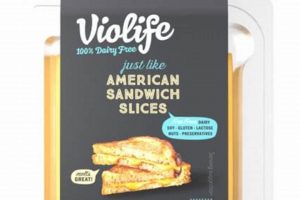
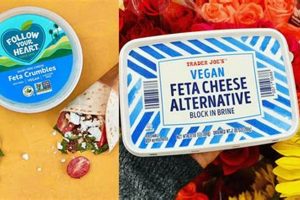
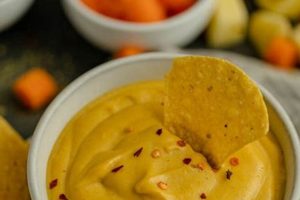
Locating plant-based alternatives to traditional dairy products is becoming increasingly common. These products are designed to mimic the taste and texture of conventional cheese while excluding any animal-derived ingredients. They are often sought by individuals adhering to a vegan lifestyle, or those with dairy allergies or intolerances. Options range from shredded varieties for topping pizzas and pastas to blocks suitable for slicing and grating, as well as creamy spreads.
The growing demand for dairy-free options reflects a heightened awareness of dietary needs, ethical considerations concerning animal welfare, and environmental concerns surrounding dairy farming. Historically, access to such products was limited, however, the market has expanded significantly in recent years, offering consumers a broader selection of choices. This availability benefits individuals seeking to reduce their environmental impact, manage dietary restrictions, or simply explore new culinary experiences.
A variety of retail outlets now stock these alternative cheeses. This includes conventional grocery stores, health food stores, specialty cheese shops, and online retailers. Understanding the different types of stores and brands available can assist consumers in locating products that meet their specific needs and preferences. Furthermore, knowing which ingredients are commonly used in these cheeses and how they compare to dairy-based cheeses can help consumers make informed decisions.
Tips for Locating Plant-Based Cheese Alternatives
Successfully navigating the market for non-dairy cheese requires strategic awareness and informed decision-making.
Tip 1: Consult Major Grocery Chains’ Websites: Many national supermarket chains offer online product locators. Utilize these tools to determine if a specific location stocks plant-based cheese alternatives before visiting in person. This saves time and ensures availability.
Tip 2: Explore Health Food Stores and Specialty Grocers: Retailers specializing in health foods often maintain a broader selection of plant-based products than conventional supermarkets. Visit these stores to discover a wider range of brands and varieties.
Tip 3: Investigate Online Retailers: Online platforms dedicated to vegan or specialty foods provide an extensive array of choices, frequently exceeding what’s available in brick-and-mortar stores. Be mindful of shipping costs and delivery times.
Tip 4: Read Product Labels Carefully: Scrutinize ingredient lists to identify the primary components of the plant-based cheese. Common ingredients include nuts (cashews, almonds), soy, coconut oil, and tapioca starch. This aids in assessing nutritional content and potential allergens.
Tip 5: Compare Nutritional Information: Pay attention to the nutritional profiles of different plant-based cheese options. Evaluate factors such as fat content, protein levels, sodium levels, and vitamin/mineral fortification to choose a product aligned with dietary needs.
Tip 6: Seek Recommendations from Vegan Communities: Online forums, social media groups, and review websites dedicated to veganism offer valuable insights. Consult these resources for product reviews, recommendations, and information on local availability.
Tip 7: Contact Manufacturers Directly: If a specific brand or product is unavailable in local stores, contact the manufacturer directly. They may offer online ordering options or provide information on nearby retailers that carry their products.
By implementing these strategies, consumers can efficiently locate and select plant-based cheese alternatives that suit their individual preferences and requirements. Successful navigation of the market ultimately depends on proactive research and informed evaluation of available options.
Applying these tips will allow for a more streamlined approach in the ongoing search for desirable dairy-free cheese products.
1. Local Grocers

Local grocers represent a primary point of access for consumers seeking plant-based cheese alternatives. The availability and variety of these products within a given store are influenced by several factors, including regional demand, store size, and overall inventory strategy.
- Shelf Placement and Visibility
The location of plant-based cheese within a local grocer significantly impacts its discoverability. Products may be situated in dedicated vegan or vegetarian sections, alongside traditional dairy items, or within specialty cheese displays. Prominent placement increases the likelihood of purchase. Conversely, placement in less trafficked areas reduces visibility and potential sales. Supermarkets often place vegan items close to organic or health food selections.
- Brand and Product Selection
The selection of plant-based cheese brands and varieties offered by a local grocer reflects consumer demand and store demographics. Larger stores typically stock a wider range of options, including both established and emerging brands. Smaller stores may focus on a limited number of popular choices due to shelf space constraints. A grocer’s product selection is tailored to the presumed preferences of the local consumer base.
- Pricing and Promotions
The pricing of plant-based cheese alternatives within local grocers can vary considerably, influenced by factors such as brand, ingredients, and production methods. Promotional activities, such as discounts, sales, and in-store sampling, can significantly impact consumer purchasing decisions. Competitive pricing relative to traditional dairy cheese may increase consumer adoption, while premium pricing may limit accessibility to a specific demographic.
- Regional Demand and Demographics
The overall demand for plant-based cheese alternatives within a specific geographic area directly influences the likelihood of local grocers stocking these products. Regions with a higher concentration of vegan, vegetarian, or health-conscious consumers are more likely to see greater availability and variety of these items in local stores. Demographic factors, such as age, income, and education level, can also play a role in shaping consumer demand and, consequently, product offerings.
The role of local grocers in providing access to plant-based cheese highlights the importance of understanding regional consumer preferences and market trends. By assessing shelf placement, brand selection, pricing strategies, and catering to local demographics, grocers can effectively meet the growing demand for these alternatives. The connection between local grocers and vegan cheese is therefore intrinsically linked to consumer access and market dynamics.
2. Specialty Stores

Specialty stores represent a significant avenue for individuals seeking plant-based cheese alternatives. These establishments, focusing on specific dietary or culinary niches, frequently offer a more diverse and curated selection compared to conventional grocery stores. The availability and nature of plant-based cheese within specialty stores are shaped by distinct characteristics.
- Curated Product Selection
Specialty stores typically curate their product offerings to align with a specific customer base or dietary philosophy. This often translates to a broader selection of plant-based cheese brands, varieties, and formats. Whereas a conventional grocery store may stock a handful of mainstream options, a specialty store might carry artisanal, imported, or lesser-known brands targeting discerning consumers. Examples include vegan-specific stores, health food stores, and gourmet cheese shops that also stock plant-based alternatives. The focus is less on mass-market appeal and more on catering to specific preferences and dietary needs.
- Knowledgeable Staff and Expertise
Employees in specialty stores frequently possess greater product knowledge and expertise compared to those in general retail settings. This can be particularly beneficial for consumers unfamiliar with plant-based cheese. Staff members can provide guidance on flavor profiles, ingredient compositions, and suitable applications for different varieties. This level of expertise can assist consumers in making informed decisions and discovering products that meet their individual requirements. Specialty cheese shops, in particular, often employ staff with specialized knowledge of cheese production and flavor pairings, allowing them to offer informed recommendations regarding plant-based alternatives.
- Emphasis on Quality and Ingredients
Specialty stores often prioritize product quality and ingredient sourcing, reflecting the values of their target customers. Plant-based cheese alternatives stocked in these establishments may emphasize organic, non-GMO, or sustainably sourced ingredients. Consumers seeking transparency in food production and ethical sourcing practices are more likely to find suitable options within specialty stores. Ingredient lists are typically more accessible and detailed, allowing consumers to make informed choices based on their dietary preferences and concerns.
- Sampling and Educational Opportunities
Specialty stores may offer sampling opportunities, allowing customers to taste different plant-based cheese varieties before making a purchase. This is particularly helpful for consumers hesitant to invest in unfamiliar products. Additionally, some specialty stores host workshops or educational events focused on plant-based diets and culinary techniques, providing further information and resources to interested individuals. These events can demystify plant-based cooking and highlight the versatility of plant-based cheese alternatives.
In conclusion, specialty stores function as valuable resources for individuals seeking a wider selection, deeper product knowledge, and a greater emphasis on quality in plant-based cheese alternatives. The curated product offerings, knowledgeable staff, focus on ingredients, and opportunities for sampling and education contribute to a shopping experience that caters to the specific needs and preferences of discerning consumers. Specialty stores thus represent a vital component of the overall landscape for locating non-dairy cheese options.
3. Online Retailers
Online retailers constitute a significant channel for accessing plant-based cheese alternatives. These platforms expand the geographic reach of specialty products, offering a diverse selection that may not be available in local brick-and-mortar stores. The proliferation of e-commerce has fundamentally altered the landscape of consumer access, allowing individuals to source niche and specialized items, including vegan cheese, from remote locations. This accessibility is particularly relevant in areas where physical retail options are limited or do not adequately cater to specific dietary requirements. Online retailers, therefore, act as a critical facilitator in the distribution and acquisition of plant-based cheese, effectively bridging geographical gaps and broadening consumer choice.
The impact of online retailers extends beyond mere availability. These platforms often provide detailed product information, including ingredient lists, nutritional data, and customer reviews, empowering consumers to make informed purchasing decisions. Furthermore, online retailers frequently offer competitive pricing and promotional discounts, potentially making plant-based cheese alternatives more affordable than their traditional dairy counterparts. Subscription services, offered by some online retailers, provide a convenient and cost-effective means of regularly acquiring vegan cheese products. Amazon, Thrive Market, and specialized vegan online marketplaces exemplify the diverse range of options available to consumers. The convenience and transparency afforded by online retailers contribute to the growing accessibility and acceptance of plant-based cheese alternatives.
However, challenges remain in the online acquisition of these products. Shipping costs and temperature control during transit can be significant concerns, particularly for perishable items like certain vegan cheeses. Packaging and environmental considerations are also relevant factors. Despite these challenges, the expansion of online retail continues to drive growth in the plant-based cheese market, offering consumers unparalleled access to a wide range of products and contributing to the increasing mainstream acceptance of vegan dietary options. Understanding the role of online retailers is thus essential for comprehending the evolving landscape of the plant-based food industry and its broader implications for consumer behavior and dietary trends.
4. Vegan Options
The availability of vegan options directly correlates with the ability to locate plant-based cheese. The term “vegan options” encompasses a broader spectrum of food products and dietary choices, and its presence within a retail environment serves as a reliable indicator of the likelihood of finding dairy-free cheese alternatives. The prevalence of dedicated vegan sections, clearly marked vegan products, and knowledgeable staff equipped to assist with vegan dietary needs directly influences the ease with which individuals can locate suitable cheese substitutes. This availability is not merely coincidental; it reflects a conscious decision by retailers to cater to a growing segment of the population adhering to plant-based diets. For example, a grocery store committed to offering diverse vegan options will typically stock a variety of plant-based cheeses from different brands, while a store with limited vegan offerings may only carry one or two types. The practical significance of this understanding lies in the ability to strategically target retail outlets based on their demonstrated commitment to vegan products, maximizing the chances of a successful search for dairy-free cheese.
The increasing demand for vegan options globally has prompted major retailers to expand their plant-based product lines, including vegan cheeses. This expansion extends beyond dedicated health food stores to encompass mainstream supermarkets and online marketplaces. The presence of clearly labeled “vegan” sections within these stores simplifies the search process. Furthermore, the availability of vegan cheese options within restaurant menus indicates a growing acceptance and integration of plant-based diets into mainstream food culture, indirectly facilitating the identification of retail locations where these products are available for purchase. Conversely, areas with limited vegan dining options often reflect a scarcity of retail outlets offering plant-based cheese. Therefore, the prevalence of vegan options in both retail and dining environments serves as a valuable indicator of accessibility to plant-based cheese alternatives.
In summary, the term “vegan options” functions as a key indicator in the search for plant-based cheese. Retailers committed to catering to vegan dietary needs are more likely to stock a diverse and accessible selection of dairy-free cheese alternatives. This understanding allows consumers to strategically target retail outlets and dining establishments, maximizing their chances of locating suitable plant-based cheese options. While challenges related to product availability and regional disparities may persist, the growing prevalence of vegan options in both retail and dining environments underscores the increasing accessibility and mainstream acceptance of plant-based cheese alternatives.
5. Ingredient Lists

The correlation between ingredient lists and locating plant-based cheese is direct and critical. An ingredient list provides definitive information regarding the composition of a product, differentiating it from traditional dairy cheese and verifying its suitability for vegan consumption. This information is essential for individuals adhering to a vegan lifestyle, as it confirms the absence of animal-derived components. Examining ingredient lists ensures that the product aligns with specific dietary requirements and avoids potential allergens or sensitivities associated with certain ingredients, such as nuts, soy, or gluten. Failure to consult the ingredient list carries the risk of inadvertently consuming non-vegan ingredients, thereby compromising the dietary principles of the individual. For instance, a product labeled “vegan cheese” may contain casein, a milk protein, due to mislabeling or deceptive marketing practices. A thorough review of the ingredient list mitigates this risk.
Furthermore, ingredient lists facilitate the comparison of different plant-based cheese alternatives. The ingredients used to create these cheeses can vary considerably, impacting both flavor profiles and nutritional content. For example, some vegan cheeses are cashew-based, providing a creamy texture and nutty flavor, while others rely on coconut oil and tapioca starch, resulting in a different mouthfeel and nutritional profile. By comparing ingredient lists, consumers can make informed decisions based on their taste preferences and dietary needs, such as protein content, fat content, and presence of specific vitamins or minerals. Accessing ingredient lists is facilitated through various channels: directly on the product packaging, on online retailer websites, and on manufacturer websites. These readily available resources allow consumers to assess the composition of vegan cheese alternatives prior to purchase, whether in a physical store or online. Understanding common ingredients used in vegan cheeses, such as nutritional yeast, modified food starch, and various gums (xanthan gum, guar gum) aids in discerning the quality and potential properties of the product.
In conclusion, ingredient lists are indispensable tools in the process of locating suitable plant-based cheese options. They provide conclusive evidence of a product’s vegan status, enable comparisons between different alternatives, and empower consumers to make informed decisions aligned with their individual dietary needs and preferences. Though deceptive labeling practices can occasionally pose a challenge, the diligent examination of ingredient lists remains the most reliable method for verifying the composition and suitability of vegan cheese. The accessibility of these lists, both online and on product packaging, underscores their vital role in promoting informed consumer choices within the plant-based food market.
6. Brand Variety

The availability of diverse plant-based cheese brands directly impacts the breadth of options accessible to consumers seeking dairy-free alternatives. A wider brand variety translates to a greater likelihood of locating products that meet specific taste preferences, dietary needs, and budgetary constraints. When a single retailer stocks multiple brands, it effectively expands the spectrum of available flavors, textures, and ingredient compositions, thereby increasing the probability of finding a satisfactory substitute for traditional dairy cheese. The causal relationship is clear: increased brand variety enhances the probability of a successful search for suitable vegan cheese options. For example, one brand might specialize in cashew-based cheeses while another focuses on coconut oil and tapioca starch. The consumer benefits by being able to choose between these different approaches to vegan cheese production.
The significance of brand variety extends beyond mere preference. Different brands often cater to distinct dietary requirements. Some may offer soy-free options, while others provide nut-free alternatives, addressing common allergies and sensitivities. Certain brands prioritize organic or non-GMO ingredients, appealing to consumers with specific ethical or health concerns. Furthermore, brand variety contributes to price competition, potentially lowering the cost of plant-based cheese and making it more accessible to a wider range of consumers. A marketplace dominated by a single brand would lack the competitive pressure necessary to drive innovation and affordability. This underscores the critical role of a diverse brand landscape in ensuring both accessibility and affordability in the vegan cheese market.
In summary, brand variety functions as a key determinant of a consumer’s ability to locate suitable plant-based cheese. The expanded range of flavors, textures, ingredients, and price points offered by a diverse brand landscape significantly increases the likelihood of finding a product that aligns with individual needs and preferences. The practical implication is that consumers seeking vegan cheese should prioritize retailers known for stocking a wide variety of brands, both online and in physical stores. Despite ongoing challenges related to product availability and regional disparities, brand variety remains a fundamental driver of consumer choice and accessibility in the evolving vegan cheese market.
7. Dietary Needs
The successful identification of plant-based cheese alternatives is intrinsically linked to the individual’s specific dietary needs. These needs dictate the acceptable ingredients, nutritional profiles, and potential allergen considerations, thereby shaping the criteria used to evaluate available products and retail sources. The fulfillment of dietary requirements is paramount in the selection process.
- Allergen Avoidance
Individuals with allergies to common ingredients like nuts (cashews, almonds), soy, or coconut must carefully scrutinize product labels to ensure the chosen plant-based cheese is free from these allergens. This necessitates seeking out brands and retailers known for providing detailed allergen information and offering a selection of allergen-free alternatives. Example: Someone with a severe cashew allergy must actively avoid cashew-based vegan cheeses and search for alternatives made from soy, oats, or seeds. Failure to adhere to allergen avoidance protocols can result in adverse health consequences.
- Macronutrient Requirements
Dietary needs often include specific macronutrient targets, such as protein, fat, and carbohydrates. Plant-based cheeses vary considerably in their macronutrient profiles. Athletes or individuals seeking to increase protein intake may prioritize vegan cheeses fortified with plant-based protein sources. Those managing fat intake may seek out lower-fat options. Example: A bodybuilder may favor a soy-based vegan cheese higher in protein than a coconut-oil-based alternative. Locating products aligned with these targets necessitates comparing nutritional information across different brands and varieties, and targeting retailers that provide comprehensive nutritional data.
- Medical Conditions and Dietary Restrictions
Specific medical conditions often necessitate adherence to particular dietary restrictions. Individuals with diabetes may need to monitor carbohydrate content and glycemic index. Those with kidney disease may need to limit sodium and phosphorus intake. Autoimmune conditions may require avoidance of certain inflammatory ingredients. Example: An individual with diabetes would need to select plant-based cheeses with a lower carbohydrate content and be mindful of portion sizes. Fulfilling these medical-based dietary needs requires targeting retailers that offer a selection of low-sodium, low-carbohydrate, or otherwise restricted options, and consulting with healthcare professionals for personalized guidance.
- Ethical and Philosophical Considerations
Dietary needs can extend beyond nutritional and medical considerations to encompass ethical and philosophical beliefs. Individuals adhering to strict vegan principles may prioritize plant-based cheeses produced by companies with ethical labor practices and sustainable sourcing methods. Concern for animal welfare and environmental impact can significantly influence product selection. Example: A consumer prioritizing ethical sourcing may seek out vegan cheeses produced by small-scale, local businesses with transparent supply chains, even if they are more expensive. Fulfilling these ethical dietary needs requires researching brands and retailers with a demonstrated commitment to ethical and sustainable practices.
The successful location of suitable plant-based cheese alternatives relies on the careful consideration of individual dietary needs. Whether driven by allergen avoidance, macronutrient requirements, medical conditions, or ethical concerns, these needs shape the criteria used to evaluate available products and retail sources. Consumers should prioritize transparency in ingredient information, accurate nutritional data, and ethical sourcing practices when searching for vegan cheese options that align with their specific dietary requirements.
Frequently Asked Questions
The following addresses common queries regarding accessing non-dairy cheese substitutes.
Question 1: What are the primary ingredients used in most plant-based cheeses?
Common ingredients include nuts (cashews, almonds, macadamia), soy, coconut oil, tapioca starch, nutritional yeast, and various gums (xanthan, guar). The specific combination and proportions of these ingredients significantly impact the final texture and flavor profile of the product.
Question 2: Are plant-based cheeses nutritionally comparable to traditional dairy cheese?
Nutritional profiles vary widely. Some plant-based cheeses may be lower in saturated fat and cholesterol than dairy cheese but also lower in protein and calcium. It is imperative to compare nutritional information labels carefully to determine if a particular product meets individual dietary requirements.
Question 3: How can one verify that a product labeled “vegan cheese” is truly free from animal-derived ingredients?
The most reliable method is to meticulously examine the ingredient list. Look for any mention of dairy ingredients such as casein, whey, or lactose. Certifications from reputable vegan organizations can also provide additional assurance.
Question 4: Are plant-based cheeses suitable for melting and cooking applications?
The melting properties of plant-based cheeses vary depending on the ingredients and manufacturing processes. Some varieties melt readily and are suitable for pizzas, gratins, and sauces. Others may not melt as smoothly and are better suited for cold applications or crumbling. Experimentation is often necessary to determine the best uses for a particular product.
Question 5: Why does the cost of plant-based cheeses often exceed that of traditional dairy cheese?
Factors contributing to the higher cost include the expense of specialized ingredients, smaller production volumes, and the absence of government subsidies that support the dairy industry. As demand increases and production scales up, the price differential may diminish.
Question 6: Are there regional variations in the availability of plant-based cheese alternatives?
Yes. Areas with a higher concentration of vegan, vegetarian, or health-conscious consumers generally exhibit greater availability and variety of plant-based cheese options in local grocery stores and specialty retailers. Rural or less populated areas may experience more limited access.
The process of finding viable non-dairy cheese substitutes involves understanding ingredient composition, nutritional variances, and regional availability. By answering these essential questions, individuals can navigate the market more effectively and make informed decisions.
Continuing this exploration is an analysis of specific plant-based cheese brands on the market.
This exploration of “where can I find vegan cheese” has revealed multiple avenues for accessing dairy-free alternatives. Local grocers, specialty stores, and online retailers represent key points of distribution. Informed decision-making hinges on examining ingredient lists, assessing brand variety, and aligning choices with specific dietary needs and ethical considerations. Regional availability and product knowledge are essential factors in a successful search.
The continued growth of the plant-based food market indicates an increasingly prominent role for vegan cheese in the future of dietary choices. By diligently applying the information presented, consumers can navigate the available options with greater confidence. Further research into innovative ingredients, emerging brands, and sustainable production practices will undoubtedly refine the process of acquiring suitable plant-based cheese alternatives.