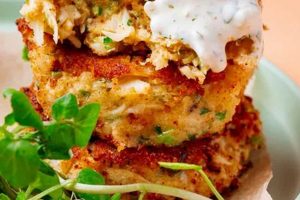
This culinary creation offers a plant-based alternative to traditional seafood dishes. It typically incorporates hearts of palm, a vegetable harvested from the inner core of certain palm trees, as a primary ingredient. This vegetable’s texture can mimic the flakiness of crab meat, contributing to the overall sensory experience of the dish. Other common ingredients include breadcrumbs, herbs, spices, and a binding agent to hold the mixture together. The resulting patties are then typically pan-fried or baked until golden brown.
The appeal of these dishes lies in their ability to cater to individuals following vegan or vegetarian diets while providing a familiar flavor profile. They offer a source of plant-based protein and fiber, and can be a healthier alternative to traditional crab cakes, which often contain higher levels of cholesterol and saturated fat. Furthermore, utilizing hearts of palm provides a sustainable and versatile ingredient for plant-based cuisine. The practice of creating meat alternatives with plant-based ingredients has a growing history, reflecting increasing awareness of dietary choices and environmental considerations.
The following sections will explore the nuances of preparing this dish, including variations in ingredients, cooking techniques, and serving suggestions. Further discussion will address the nutritional aspects and sustainability considerations surrounding the use of its key ingredients.
Preparation Recommendations
The following are practical recommendations to enhance the quality and success of these dishes.
Tip 1: Ingredient Quality is Paramount. Opt for high-quality hearts of palm, preferably those packed in water rather than brine, to avoid excessive saltiness. Rinse thoroughly before use to remove any residual packing liquid.
Tip 2: Prioritize Texture. Achieve a crab-like texture by finely shredding the hearts of palm. A food processor can be used, but avoid over-processing, which can result in a mushy consistency. Pulse until the desired texture is achieved.
Tip 3: Binder Selection Matters. Utilize a reliable binding agent such as flaxseed meal mixed with water (flax egg) or a commercial vegan egg replacer. This ensures the patties hold their shape during cooking.
Tip 4: Flavor Development is Crucial. Incorporate a variety of herbs and spices to mimic the savory flavor profile of traditional crab cakes. Old Bay seasoning, dill, parsley, and celery seed are commonly used. Adjust quantities to personal preference.
Tip 5: Chilling Enhances Cohesion. After forming the patties, refrigerate them for at least 30 minutes before cooking. This allows the binding agent to fully hydrate and the flavors to meld, resulting in a more cohesive and flavorful cake.
Tip 6: Cooking Method Affects Outcome. Pan-frying provides a crispy exterior, while baking offers a healthier alternative. If pan-frying, use a non-stick skillet and a moderate amount of oil. If baking, preheat the oven and place the cakes on a baking sheet lined with parchment paper.
Tip 7: Monitor Internal Temperature. Ensure the patties are heated through before serving. While precise internal temperature measurement is not critical for this plant-based dish, look for visual cues such as a golden-brown exterior and a firm texture.
Adhering to these recommendations contributes to the creation of a palatable and texturally appealing plant-based alternative to a classic seafood dish.
The subsequent section will address potential ingredient substitutions and dietary considerations.
1. Plant-based alternative

The rise of plant-based diets necessitates alternatives to traditional animal-derived foods. Vegan crab cakes utilizing hearts of palm directly address this demand, offering a culinary substitution for those seeking to avoid seafood consumption. The cause is the growing awareness of dietary choices, ethical considerations regarding animal welfare, and environmental concerns linked to traditional fishing practices. The effect is the development and increasing availability of dishes like these that mimic the sensory experience of seafood without using animal products.
As a component, the “plant-based alternative” aspect is fundamental to the identity of these dishes. It dictates the ingredients used, the preparation methods employed, and the target audience. The absence of animal products is not merely a superficial modification but rather a core principle that shapes the entire culinary endeavor. Consider the practical example of a seafood restaurant adding a vegan menu section; these dishes would be a direct result of the establishment adapting to consumer demand for plant-based options.
In summary, understanding the connection between “plant-based alternative” and the subject matter is crucial for comprehending its purpose and significance. The challenges involve accurately replicating the taste and texture of traditional crab cakes using plant-based ingredients, but the broader theme is the ongoing evolution of food culture towards more sustainable and ethically conscious consumption practices. Vegan crab cakes with hearts of palm represent a tangible outcome of this movement.
2. Hearts of palm texture

The textural contribution of hearts of palm is fundamental to the plausibility of meatless seafood alternatives. Its inherent fibrousness and slight firmness, when appropriately prepared, offer a sensory experience that mirrors the flakiness and body of crustacean meat.
- Fiber Arrangement Mimicry
Hearts of palm possess a natural alignment of fibers that, when shredded or flaked, visually and texturally imitate the muscle structure of crab meat. This arrangement provides the basis for the key attribute. The effectiveness is contingent on precise manipulation of the heart of palm, preventing a pulpy consistency. An example can be found in variations where coarser shreds are preferred to finely diced pieces.
- Moisture Content Contribution
The water content of hearts of palm contributes to the overall mouthfeel. Pre-cooking or careful pressing can manage excess moisture, preventing a waterlogged result. A balanced moisture level is necessary to replicate the succulent nature of crab meat. Overly dry vegan crab cakes often lack the desired resemblance, emphasizing moisture management as a crucial process step.
- Textural Integration with Binders
The interaction of hearts of palm with binding agents (e.g., breadcrumbs, flaxseed meal) affects the final texture. The binder’s role is to unite the shredded hearts of palm into cohesive patties while preserving their individual textural integrity. The improper binder choice or proportion can mask the inherent textural attributes of the vegetable, leading to a compromised outcome.
- Impact on Cooking Method Selection
The texture of hearts of palm influences the selection of cooking methods. Pan-frying at a moderate heat can yield a crispy exterior while maintaining the tenderness of the hearts of palm. Baking, on the other hand, may require adjustments to prevent drying. Improper cooking can lead to a rubbery texture, reducing likeness to traditional crab cakes.
The careful manipulation of these textural aspects underscores the pivotal role hearts of palm play in the creation of successful vegan crab cakes. The replication of a palatable and recognizable texture is central to this culinary adaptation.
3. Flavor profile mimicking

The successful replication of a traditional seafood flavor profile is a critical element in the palatability and acceptance of vegan crab cakes with hearts of palm. Achieving this flavor necessitates a strategic combination of ingredients and techniques to emulate the characteristic taste of crab meat, offering a satisfying alternative for those abstaining from animal products.
- Herb and Spice Selection
The strategic use of herbs and spices is essential for creating a seafood-like flavor. Old Bay seasoning, a common ingredient in traditional crab cakes, is frequently incorporated to provide a familiar base note. Other herbs and spices, such as dill, parsley, celery seed, and paprika, can further enhance the complexity and depth of the flavor profile. Variations exist based on regional preferences; for instance, some recipes may include a small amount of seaweed flakes to impart a subtle oceanic taste. The omission or misapplication of these flavorings can result in a bland or unconvincing imitation.
- Umami Enhancement
Umami, often described as a savory or meaty taste, plays a crucial role in replicating the inherent savoriness of crab meat. Ingredients such as nutritional yeast, soy sauce, or mushroom broth can be used to amplify the umami notes in vegan crab cakes. The appropriate application of these components contributes to a richer, more satisfying taste that aligns with the expectations of those familiar with traditional crab cakes. An example is using a small amount of miso paste to provide depth.
- Acidic Balance
The inclusion of an acidic element, such as lemon juice, vinegar, or mustard, helps to balance the richness of the other ingredients and provide a brighter, more complex flavor profile. Acidity cuts through the potential heaviness of the dish and adds a necessary dimension to the overall taste. The absence of this balance can lead to a flavor that is perceived as flat or one-dimensional. An instance may be a squirt of lime juice that is added just before serving for freshness.
- Smoked Elements
Introducing a subtle smoky flavor can enhance the perceived seafood taste. Smoked paprika or a small amount of liquid smoke may be integrated to accomplish this. This flavor dimension adds depth, which can be linked to seafood often prepared on a grill or smoker. When smoked paprika is used, for example, it should be added sparingly to avoid overpowering other ingredients. The aim is to subtly enhance other elements of taste instead of dominating them.
The skillful manipulation of these facets significantly impacts the overall success of vegan crab cakes with hearts of palm. The ability to convincingly replicate the flavor profile of traditional crab cakes, using solely plant-based ingredients, contributes to the appeal of the dish as a sustainable and ethical alternative. It’s essential to note that culinary experimentation and personalized adjustments are often needed to achieve the optimal flavor balance that aligns with individual tastes and preferences.
4. Sustainable ingredients sourcing

The ethical and environmental considerations inherent in food production have elevated the importance of sustainable ingredient sourcing. For vegan crab cakes with hearts of palm, this principle extends beyond merely avoiding animal products to encompass the responsible acquisition of all components, with particular attention to the environmental impact of hearts of palm harvesting.
- Hearts of Palm Harvesting Practices
The sustainability of hearts of palm hinges on harvesting methods. Unsustainable practices, such as indiscriminately felling entire palm trees, can lead to deforestation and habitat loss, jeopardizing biodiversity. Responsible sourcing entails utilizing hearts of palm from sustainably managed palm groves where trees are selectively harvested, allowing for regrowth and minimal environmental disruption. Certification programs, like those offered by the Forest Stewardship Council (FSC), can help consumers identify sustainably sourced hearts of palm. An example of this is the increasing availability of hearts of palm from Peach Palm (Bactris gasipaes), which can be repeatedly harvested without killing the tree.
- Transportation Footprint
The environmental impact of transporting ingredients contributes significantly to their overall sustainability. Hearts of palm, often sourced from tropical regions, may have a considerable transportation footprint, depending on their destination. Reducing this footprint involves prioritizing suppliers closer to the point of consumption, thereby minimizing the distance traveled and associated carbon emissions. Locally sourced breadcrumbs or herbs, when feasible, can further reduce the transportation impact of vegan crab cakes with hearts of palm.
- Packaging Materials
The packaging used for ingredients can contribute to environmental degradation if not managed responsibly. Sustainable sourcing practices extend to the packaging materials employed, favoring recyclable, biodegradable, or compostable options over non-recyclable plastics. Consumers can support sustainable sourcing by choosing products with minimal packaging or those packaged in environmentally friendly materials. An example of this approach would be canned hearts of palm that have recyclable steel cans or hearts of palm that are in glass jars.
- Fair Labor Practices
Sustainable ingredient sourcing also encompasses ethical considerations related to labor practices. Ensuring fair wages, safe working conditions, and the absence of forced labor are crucial aspects of responsible sourcing. Transparency in the supply chain allows consumers to make informed choices and support companies committed to ethical labor practices. Some certifications, such as Fair Trade, can ensure the labor practices are sustainable throughout the supply chain for hearts of palm.
The principles of sustainable ingredient sourcing are directly applicable to the production and consumption of vegan crab cakes with hearts of palm. By considering the environmental and ethical implications of each ingredient, individuals can contribute to a more sustainable food system. This approach extends beyond individual choices to encompass support for businesses committed to transparency and responsible sourcing practices, promoting a broader shift towards sustainability within the food industry.
5. Binding agent functionality

The structural integrity of vegan crab cakes with hearts of palm hinges on the functional properties of the binding agent. This component is responsible for uniting the shredded hearts of palm and other ingredients into cohesive patties that can withstand cooking without crumbling or disintegrating. The selection and application of the binding agent directly influence the texture, moisture content, and overall palatability of the final product.
- Cohesion and Structural Support
The primary role of the binding agent is to provide cohesion, holding the dispersed hearts of palm and other ingredients together. This structural support prevents the patties from falling apart during handling and cooking. Common binding agents include flaxseed meal mixed with water (flax egg), chia seeds, mashed potatoes, breadcrumbs, and commercial vegan egg replacers. The effectiveness of each agent depends on its ability to absorb moisture and create a network of intermolecular bonds. Insufficient binding results in crumbly cakes, while excessive binding can yield a dense, rubbery texture. Real-world examples can be observed in recipe variations where the omission of a binding agent leads to complete disintegration during frying, whereas using too much breadcrumbs will result in a dry, unappetizing cake.
- Moisture Regulation
Binding agents also play a crucial role in regulating moisture within the patties. Some agents, such as flaxseed meal and chia seeds, are highly absorbent, drawing moisture from the hearts of palm and other wet ingredients. This absorption helps to create a drier, more cohesive mixture that is less prone to steaming during cooking, which can lead to a soggy texture. Conversely, if insufficient moisture is retained, the patties may become dry and brittle. Careful selection and proportioning of the binding agent are essential for achieving the optimal moisture balance. For example, when using very wet hearts of palm, more binding agent may be needed to get the right consistency.
- Textural Contribution
The binding agent significantly influences the final texture of vegan crab cakes with hearts of palm. Certain agents, such as mashed potatoes, can contribute a creamy, soft texture, while others, like breadcrumbs, can add a degree of coarseness and crunch. The choice of binding agent should complement the desired textural profile of the dish. Recipes aimed at mimicking the texture of traditional crab cakes often incorporate a combination of binding agents to achieve a complex and satisfying mouthfeel. Gluten-free options, such as chickpea flour or rice flour, can alter the texture slightly, offering a more gummy texture if used as the sole agent.
- Flavor Impact
Although primarily functional, the binding agent can also contribute to the overall flavor profile of vegan crab cakes with hearts of palm. Some agents, such as nutritional yeast or certain types of breadcrumbs, possess inherent flavors that can enhance the savory notes of the dish. However, it is essential to select a binding agent whose flavor complements the other ingredients and does not overwhelm the desired seafood-like taste. Neutral-flavored binding agents, such as flaxseed meal or chia seeds, are often preferred for their minimal impact on the overall flavor profile. Experimentation with adding various spices and herbs directly into binding mixes has also been effective.
In summary, the functionality of the binding agent is a critical determinant of the success of vegan crab cakes with hearts of palm. Its impact extends beyond mere structural support to encompass moisture regulation, textural contribution, and even flavor modulation. Careful consideration of these factors is essential for creating a plant-based alternative that convincingly mimics the sensory experience of traditional crab cakes, meeting the expectations of both vegan and non-vegan consumers.
6. Cooking method impact
The cooking method significantly influences the final characteristics of plant-based crab cakes, affecting texture, flavor, and overall appeal. The choice between pan-frying, baking, or air-frying constitutes a critical decision point, influencing the final product’s moisture content, exterior crispness, and internal cohesiveness. These methods cause noticeable differences in heat distribution, and in turn, create varied sensory experiences for the consumer. For example, while baking might lead to a drier internal texture, pan-frying promotes an evenly browned crust and prevents the excessive loss of moisture. Similarly, air-frying may provide a quicker cooking time but requires careful monitoring to avoid over-drying. The selection of cooking method therefore is a crucial determinant of the dish’s ultimate success.
The impact is readily observed in contrasting outcomes. Cakes that are pan-fried often exhibit a desirable contrast between a crispy exterior and a tender interior, while cakes baked at a lower temperature might have a more uniformly soft texture. Further, air-frying, a method increasingly utilized for its purported health benefits, introduces a distinctive, almost dehydrated crispness if not carefully controlled. These varying textures, coupled with the flavors developed during cooking, profoundly influence the overall eating experience. The cooking method furthermore dictates the amount of oil absorbed into the patties, directly affecting the calorie content and the perception of greasiness. For instance, baking generally requires less oil than pan-frying, providing a comparatively lighter dish.
Consequently, a detailed understanding of how distinct cooking methods affect the dish allows cooks to manipulate attributes and optimize the sensory outcome based on personal preferences and dietary needs. This understanding transcends mere procedural execution, transforming into a strategic manipulation of temperature and technique to achieve specific, pre-defined results. In summation, while recipe specifics provide guidelines, the awareness of the cooking method’s transformative role is the most important thing in tailoring these crab cakes to meet individual expectations, as well as dietary or health needs.
7. Nutritional considerations

Evaluating the nutritional profile of vegan crab cakes with hearts of palm is crucial for understanding their role in a balanced diet. These considerations extend beyond simply being vegan to encompass macronutrient ratios, micronutrient content, and potential health benefits or drawbacks.
- Protein Content and Source
While hearts of palm themselves offer minimal protein, the overall protein content of vegan crab cakes depends heavily on added ingredients. Common protein sources include beans, lentils, tofu, and protein-rich flours. The quantity and type of protein influence the satiety and amino acid profile of the dish. Recipes that incorporate ample lentils will have a different amino acid profile compared to those using mostly breadcrumbs. Ensuring a balanced intake of essential amino acids is a key nutritional consideration for individuals relying on plant-based diets.
- Sodium Levels
Traditional crab cakes often contain high levels of sodium, derived from both the crab meat and added seasonings. Vegan versions can also be high in sodium, depending on the ingredients used. Canned hearts of palm, commercial vegan crab seasonings, and soy sauce are potential sources of excess sodium. Excessive sodium intake can contribute to elevated blood pressure and other health problems. Selecting low-sodium ingredients and carefully monitoring seasoning levels are crucial for mitigating this concern. For example, rinsing canned hearts of palm reduces sodium by a substantial amount.
- Fiber Content and Digestive Health
Hearts of palm are a notable source of dietary fiber, contributing to digestive health and promoting satiety. Fiber can help regulate blood sugar levels, lower cholesterol, and prevent constipation. The overall fiber content of the vegan crab cakes can be further enhanced by incorporating whole-grain breadcrumbs, vegetables, and legumes. Increasing the fiber content improves the nutritional value and benefits related to digestive wellness. The effect is tangible, for example, when compared to traditional crab cakes, the plant-based variant has substantially higher fiber.
- Fat Content and Type
The fat content of these plant-based dishes is influenced by the cooking method and added oils. Pan-frying increases the total fat content compared to baking, and the type of oil used affects the fatty acid profile. Opting for healthier fats, such as olive oil or avocado oil, can improve the nutritional value. Conversely, using excessive amounts of saturated or trans fats can negate some of the health benefits associated with a vegan diet. Therefore, adjusting both the amount and type of fat is essential when considering nutrition.
- Micronutrient Density
The micronutrient composition of these dishes vary widely based on the ingredients used. Hearts of palm offer some minerals, but the nutritional impact of other components (flax meal, breadcrumbs) are more important considerations. Therefore, the incorporation of many different micronutrient-rich ingredients (various spices and vegetables) can improve the general micronutrient profile of plant-based crab cakes. For instance, incorporating seaweed, which is rich in iodine, can improve the micronutrient density of the whole meal.
These facets underscore the importance of carefully considering the nutritional composition when preparing and consuming vegan crab cakes with hearts of palm. A balanced approach, prioritizing protein, fiber, and healthy fats while minimizing sodium and unhealthy fats, can result in a nutritious and satisfying plant-based meal choice.
Frequently Asked Questions
The following addresses common inquiries regarding preparation, ingredients, and the overall suitability of these plant-based dishes.
Question 1: What is the primary advantage of using hearts of palm in these dishes?
Hearts of palm contribute a texture that approximates the flakiness of crab meat, serving as a plant-based substitute without the use of animal products. This attribute is critical for replicating the sensory experience of traditional crab cakes.
Question 2: Is it necessary to use Old Bay seasoning?
While Old Bay seasoning is a common ingredient that helps replicate the traditional flavor profile, it is not strictly necessary. Alternative spice blends, such as a combination of celery seed, paprika, and dried mustard, can be used to achieve a similar effect. Experimentation is encouraged to adapt the flavor to personal preferences.
Question 3: How can excessive moisture in the hearts of palm be managed?
Rinsing canned hearts of palm thoroughly before use can remove excess packing liquid. Pressing the shredded hearts of palm between paper towels or briefly sauting them can further reduce moisture content. Maintaining a balanced moisture level is essential for preventing a soggy final product.
Question 4: What is the recommended method for ensuring the patties hold their shape during cooking?
Employing a reliable binding agent, such as flaxseed meal mixed with water (flax egg), is crucial. Refrigerating the formed patties for at least 30 minutes before cooking allows the binding agent to fully hydrate and the flavors to meld, improving structural integrity.
Question 5: Are there specific dietary considerations to be aware of?
Sodium content should be monitored, as canned hearts of palm and certain seasonings can be high in sodium. Individuals with gluten sensitivities should opt for gluten-free breadcrumbs and binding agents. The dishes are inherently cholesterol-free, offering a health benefit over traditional crab cakes.
Question 6: What is the most sustainable method for sourcing hearts of palm?
Sustainable sourcing entails purchasing hearts of palm from suppliers who employ responsible harvesting practices that minimize environmental impact. Look for certifications such as the Forest Stewardship Council (FSC) to ensure the product comes from sustainably managed palm groves. Peach Palm is often viewed as a sustainable source.
Ultimately, the keys to successful preparations involve attention to textural detail, skillful flavor management, and a commitment to sourcing ingredients responsibly. By addressing the common questions and adjusting to preferences, you can create these dishes in a consistent way.
The following section examines the common errors or areas where those preparing might struggle. This is done so as to provide a roadmap and to empower cooks and chefs with insight that can minimize risk when preparing.
Conclusion
This exploration has provided a detailed overview of vegan crab cakes with hearts of palm. From the textural significance of hearts of palm to the nuances of sustainable sourcing and cooking method selection, each element contributes to the success of this plant-based dish. Understanding the flavor profile mimicking strategies, the functionality of binding agents, and the critical nutritional considerations allows for informed preparation and consumption.
The increasing demand for plant-based alternatives underscores the importance of culinary innovations that address both ethical and dietary concerns. The continued refinement of vegan crab cakes with hearts of palm recipes and the wider adoption of sustainable practices in ingredient sourcing have the potential to further elevate this dish as a compelling and responsible culinary choice. Consideration of these factors remains paramount as the evolution continues.