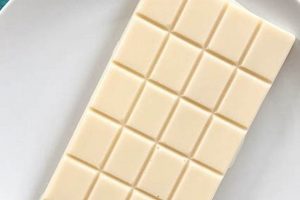
A confection crafted without dairy or animal-derived ingredients, often using a base of cocoa butter, sugar, and plant-based milk alternatives like cashew, almond, or oat milk, to mimic the flavor and texture of traditional white chocolate. This alternative provides a sweet treat suitable for individuals adhering to a vegan lifestyle or those with dairy allergies. For example, a brand might use organic cocoa butter, cane sugar, and cashew milk to create a product with a smooth, creamy consistency and a sweet, vanilla-like taste.
Its appeal stems from its inclusivity, allowing a wider range of consumers to enjoy a classic flavor profile. The production and consumption of this type of confectionery aligns with ethical concerns regarding animal welfare and environmental sustainability, particularly when ingredients are sourced responsibly. Historically, the development of vegan alternatives reflects a broader trend toward plant-based diets and a growing demand for cruelty-free food options.
The following discussion will delve into the specific ingredients utilized in its production, the challenges associated with replicating the sensory experience of conventional white chocolate, and the market trends driving its increasing popularity.
Tips Regarding White Vegan Chocolate
Optimal enjoyment and utilization of white vegan chocolate involve mindful consideration of its unique properties and applications.
Tip 1: Ingredient Assessment: Prior to consumption, meticulously examine the ingredient list. Emphasis should be placed on identifying the type of plant-based milk alternative employed (e.g., cashew, coconut, oat) and the source of cocoa butter. Such scrutiny aids in anticipating potential allergen concerns and assessing product quality.
Tip 2: Temperature Sensitivity: Be mindful of its heightened sensitivity to temperature fluctuations. Due to the absence of dairy fats, white vegan chocolate may melt more readily than its conventional counterpart. Proper storage in a cool, dry environment is crucial for maintaining texture and preventing bloom (a whitish discoloration).
Tip 3: Flavor Pairing: Thoughtfully consider flavor pairings to complement the inherent sweetness. Tart fruits such as raspberries or cranberries, or bitter elements like coffee or dark chocolate, can offer a balanced and sophisticated taste profile.
Tip 4: Baking Adjustments: When incorporating into baked goods, expect potential variations in texture and moisture content compared to traditional white chocolate. Adjustments to recipes may be necessary, such as increasing the amount of liquid or reducing baking time, to achieve desired results.
Tip 5: Sourcing Considerations: Prioritize sourcing from reputable brands that adhere to ethical and sustainable practices. Look for certifications indicating fair trade sourcing of cocoa butter and responsible production methods.
Tip 6: Understanding Variations: Recognize that significant variations exist among different brands and formulations. The type of plant-based milk, the quality of cocoa butter, and the presence of added flavorings (e.g., vanilla, natural extracts) can significantly impact the overall taste and texture experience. Experimentation across brands is encouraged to identify preferred products.
Adherence to these tips will allow for a more nuanced and satisfying experience.
The following sections will explore advanced techniques for incorporating it into various culinary applications.
1. Ingredients

The quality and selection of ingredients are paramount in determining the characteristics of white vegan chocolate. These components collectively contribute to its flavor, texture, stability, and overall appeal. Understanding the role of each element is crucial for both manufacturers and consumers.
- Cocoa Butter Source and Quality
Cocoa butter, the fat extracted from cocoa beans, provides the characteristic creamy texture and melt-in-mouth feel. The source and quality significantly impact the final product. For instance, deodorized cocoa butter will impart a neutral flavor, while non-deodorized varieties may retain subtle cocoa notes. The degree of refinement also affects the texture, with highly refined cocoa butter producing a smoother product. Ethical sourcing of cocoa butter is also an important consideration, with fair trade certifications indicating responsible labor practices.
- Plant-Based Milk Alternatives
Replacing traditional dairy milk, plant-based alternatives such as cashew, oat, almond, or coconut milk contribute distinct flavor profiles and textures. Cashew milk often provides a creamy, neutral base, whereas coconut milk adds a subtle coconut flavor. Oat milk contributes a slightly sweet and creamy texture, while almond milk imparts a subtle nutty flavor. The choice of plant milk impacts the overall flavor and creaminess and also affects the formulation, as each alternative has a different water and fat content.
- Sweeteners: Types and Impact
Sweeteners play a vital role in replicating the sweet taste of traditional white chocolate. Cane sugar is a common choice, but alternatives like beet sugar, coconut sugar, or sugar alcohols (e.g., erythritol) are also utilized. The type of sweetener affects the sweetness level, flavor profile, and glycemic index. For example, coconut sugar offers a slightly caramel-like flavor, while erythritol provides sweetness without significantly impacting blood sugar levels. The particle size of the sweetener also influences the texture, with finely ground options contributing to a smoother mouthfeel.
- Additives and Emulsifiers
Additives and emulsifiers may be included to enhance texture, stability, and shelf life. Lecithin, derived from soy or sunflower, is a common emulsifier that helps bind the ingredients and prevent separation. Natural flavorings, such as vanilla extract, are often added to enhance the flavor profile. Stabilizers, such as guar gum or xanthan gum, may be used to improve the texture and prevent the formation of ice crystals during storage. The selection and concentration of these additives must be carefully controlled to avoid negatively impacting the flavor or texture.
In conclusion, the precise combination and quality of these ingredients dictate the overall success of white vegan chocolate. Variations in cocoa butter refinement, plant milk selection, sweetener type, and additive usage will result in a diverse range of products, each with unique flavor, texture, and nutritional characteristics. By understanding the impact of each component, both manufacturers and consumers can make informed choices to achieve the desired product qualities.
2. Cocoa Butter

Cocoa butter serves as the foundational lipid component, providing the signature texture and mouthfeel analogous to traditional white chocolate. Its presence is not merely incidental; it is a necessity for achieving the characteristic snap and creamy consistency. Without cocoa butter, replication of the sensory experience becomes significantly compromised. For example, a product attempting to mimic white vegan chocolate without adequate cocoa butter content would likely result in a soft, waxy, or even brittle texture, failing to meet consumer expectations. The type of cocoa butter used, whether deodorized or not, further influences the flavor profile, with deodorized varieties offering a neutral base to showcase other flavors, like vanilla, and non-deodorized types retaining subtle cocoa notes.
The selection of cocoa butter impacts both the manufacturing process and the final product’s performance. High-quality cocoa butter facilitates proper tempering, allowing for the formation of stable crystal structures and preventing bloom, a visual defect resulting in a white film on the surface. Further, cocoa butter dictates the melting point, directly influencing the product’s behavior at room temperature and its suitability for various applications, from confectionery to baking. For instance, a formulation intended for molded chocolates requires a cocoa butter with a precise melting point to ensure easy release from molds and a glossy finish.
In summary, cocoa butter’s role extends beyond simply providing fat content; it fundamentally defines the quality and functionality of white vegan chocolate. Challenges lie in sourcing sustainable and ethically produced cocoa butter and in maintaining consistent quality across different batches. Understanding this critical relationship between cocoa butter and the final product is paramount for manufacturers aiming to create a compelling and authentic vegan alternative.
3. Plant Milk
The selection and incorporation of plant milk are central to the formulation of white vegan chocolate. Plant milk functions as the primary aqueous component, replacing traditional dairy milk and influencing the flavor, texture, and overall sensory experience. The suitability of a given plant milk depends on its composition, processing, and interaction with other ingredients.
- Flavor Profile Contribution
Each variety of plant milk imparts a unique flavor profile, impacting the final taste of the chocolate. Cashew milk offers a neutral, subtly sweet taste, allowing other flavors to shine. Coconut milk introduces a distinct coconut flavor, which can either complement or clash with other ingredients. Oat milk contributes a slightly oat-like flavor and a creamy texture. Soy milk, while less common due to allergen concerns, can impart a slightly beany flavor. The choice of plant milk necessitates careful consideration to achieve the desired flavor harmony within the chocolate.
- Textural Impact
Plant milk significantly influences the texture of the chocolate. Higher fat content in the plant milk generally results in a creamier, smoother texture. Cashew milk and some coconut milk varieties are known for their creamy textures, owing to their relatively high fat content. Oat milk contributes a unique viscosity that can improve the mouthfeel. Conversely, lower-fat plant milk, such as some almond milk options, may require the addition of other ingredients, like cocoa butter or emulsifiers, to achieve a desirable texture.
- Impact on Tempering and Stability
The presence of water and other compounds in plant milk can affect the tempering process and stability of the final product. The tempering process, essential for achieving a glossy appearance and crisp snap, can be more challenging with certain plant milks due to their unique composition. Emulsifiers, such as lecithin, are often necessary to stabilize the mixture and prevent separation. The water content of the plant milk must be carefully controlled to prevent sugar bloom or other textural defects during storage.
- Nutritional Considerations
Plant milk contributes to the nutritional profile of the chocolate, providing varying levels of vitamins, minerals, and fiber. Fortified plant milks can offer additional nutrients, such as calcium and vitamin D. However, it is crucial to consider the sugar content of the plant milk, as some commercially available options contain added sugars. The choice of plant milk should align with the desired nutritional characteristics of the final product, balancing sweetness, fat content, and micronutrient composition.
In summary, plant milk is an integral component of white vegan chocolate, influencing flavor, texture, stability, and nutritional value. The selection of plant milk necessitates a careful evaluation of its characteristics and its interaction with other ingredients. A thorough understanding of these factors is essential for creating a high-quality and appealing white vegan chocolate product.
4. Sweeteners

Sweeteners constitute a critical ingredient category in white vegan chocolate production, directly impacting flavor profile, texture, and overall consumer acceptability. The absence of dairy components necessitates a precise selection and application of sweeteners to replicate the desired sweetness and mouthfeel of traditional white chocolate.
- Types of Sweeteners and Their Flavor Profiles
Various sweeteners, including cane sugar, beet sugar, coconut sugar, maple syrup, and alternative sweeteners like erythritol and stevia, offer distinct flavor profiles. Cane and beet sugar provide a clean, neutral sweetness, whereas coconut sugar imparts a subtle caramel-like flavor. Maple syrup contributes a more complex, nuanced sweetness. Alternative sweeteners, such as erythritol and stevia, offer reduced-calorie options but may introduce aftertastes that require careful masking or blending with other sweeteners. The choice of sweetener significantly influences the overall flavor experience of white vegan chocolate.
- Impact on Texture and Mouthfeel
Sweeteners influence the texture and mouthfeel of white vegan chocolate. Crystalline sweeteners, like cane sugar, contribute to a smoother texture when finely ground. Liquid sweeteners, such as maple syrup, can increase the viscosity of the chocolate. Sugar alcohols, like erythritol, can create a cooling sensation in the mouth. The particle size and concentration of sweeteners affect the overall mouthfeel, with higher concentrations leading to a denser, richer texture. The appropriate selection and processing of sweeteners are essential for achieving the desired textural properties.
- Influence on Melting Point and Stability
The type and concentration of sweeteners affect the melting point and stability of white vegan chocolate. High sugar concentrations can lower the melting point, making the chocolate more susceptible to melting at room temperature. Certain sweeteners, like honey, can introduce hygroscopic properties, attracting moisture and potentially causing textural defects. The use of stabilizers and careful tempering processes are necessary to mitigate these effects and ensure the long-term stability of the chocolate.
- Considerations for Health and Nutrition
The choice of sweeteners affects the nutritional profile of white vegan chocolate, particularly regarding sugar content and caloric value. Traditional sweeteners, like cane sugar, contribute significant calories and can impact blood sugar levels. Alternative sweeteners, like stevia and erythritol, offer reduced-calorie or zero-calorie options, catering to health-conscious consumers. The labeling and marketing of white vegan chocolate often emphasize the type of sweetener used, reflecting consumer preferences for healthier or lower-sugar options.
Ultimately, the selection and application of sweeteners in white vegan chocolate represent a complex balancing act, requiring careful consideration of flavor, texture, stability, and nutritional factors. The specific combination of sweeteners used contributes significantly to the overall quality and market appeal of the final product. Experimentation with different sweetener combinations is crucial for achieving the desired sensory and nutritional characteristics while addressing consumer preferences.
5. Texture

Texture is a critical sensory attribute in white vegan chocolate, influencing consumer perception and overall product satisfaction. The absence of dairy fats, a key contributor to the smooth, creamy texture of traditional white chocolate, necessitates careful formulation and processing techniques to achieve a comparable sensory experience in vegan alternatives. The success of white vegan chocolate hinges, in large part, on replicating the desired mouthfeel and preventing undesirable textural qualities, such as graininess or excessive hardness. For instance, a poorly formulated product might exhibit a waxy or gritty texture, stemming from improper emulsification or inadequate fat content, leading to negative consumer feedback and reduced product appeal. Thus, controlling and optimizing texture is paramount.
Several factors contribute to the texture of white vegan chocolate, including the choice of plant-based milk alternative, the type and amount of cocoa butter, and the presence of emulsifiers and stabilizers. Plant-based milks with higher fat contents, such as cashew or certain coconut milk varieties, tend to produce creamier textures. The particle size of the sugar also affects smoothness, with finer particles contributing to a less grainy mouthfeel. Tempering, a controlled heating and cooling process, is crucial for achieving a stable crystal structure in the cocoa butter, which contributes to the snap and prevents bloom. The addition of emulsifiers, such as lecithin, aids in dispersing fats and water, preventing separation and maintaining a homogenous texture. Stabilizers, like guar gum, can further enhance texture by increasing viscosity and preventing ice crystal formation during storage.
In conclusion, texture represents a significant challenge and opportunity in the production of white vegan chocolate. Achieving a desirable texture requires a deep understanding of ingredient interactions and process control. While replicating the precise texture of traditional white chocolate remains an ongoing endeavor, advancements in ingredient technology and processing techniques are enabling manufacturers to create vegan alternatives that closely approximate the sensory experience. The importance of texture cannot be overstated, as it directly impacts consumer acceptance and the overall success of the product. Future research focusing on novel ingredients and processing methods will likely further refine the texture of white vegan chocolate, enhancing its appeal to a wider audience.
6. Flavor
Flavor, the composite perception arising from taste, aroma, and mouthfeel, occupies a pivotal role in the evaluation of white vegan chocolate. Unlike its dairy-based counterpart, white vegan chocolate inherently lacks the characteristic lactic notes derived from milk solids. Consequently, the formulation process requires meticulous attention to alternative flavor sources and techniques to achieve a palatable and appealing product. The absence of dairy necessitates a focus on enhancing the inherent flavors of cocoa butter, plant-based milk alternatives, and added flavorings such as vanilla or natural extracts. For instance, if using cashew milk, the formulation might emphasize the subtle sweetness and creamy notes to compensate for the missing dairy profile. A critical understanding of ingredient interactions is essential to ensure the overall flavor profile is balanced and harmonious.
The development of compelling flavor profiles in white vegan chocolate presents several practical challenges. Plant-based milk alternatives often contribute distinctive flavors that may not align with the expectations associated with traditional white chocolate. Coconut milk, for example, imparts a noticeable coconut flavor, while oat milk possesses a characteristic oat-like note. Masking or complementing these inherent flavors requires strategic selection of additional ingredients and flavorings. Vanilla extract, in particular, serves as a common additive to enhance sweetness and complexity, while also mitigating undesirable off-flavors from plant-based ingredients. Furthermore, the tempering process significantly influences flavor development. Proper tempering ensures the stable crystallization of cocoa butter, releasing its aroma compounds and contributing to a smoother, more nuanced flavor experience. Conversely, inadequate tempering can result in a dull or waxy flavor profile.
In summary, flavor represents a significant determinant of consumer satisfaction with white vegan chocolate. The absence of dairy compels manufacturers to prioritize flavor enhancement and careful ingredient selection. Understanding the inherent flavor profiles of plant-based milk alternatives and the impact of processing techniques, such as tempering, is essential for creating a product that appeals to a broad range of consumers. Ongoing research and development efforts continue to explore innovative flavor combinations and processing methods to optimize the flavor experience of white vegan chocolate, addressing challenges and linking it to the broader trend of plant-based alternatives in the confectionery industry.
7. Applications
The versatility of white vegan chocolate extends beyond direct consumption, encompassing a range of culinary and confectionary applications. Its unique properties, while distinct from traditional white chocolate, allow for creative integration into diverse food products.
- Confectionery Creations
White vegan chocolate serves as a base for various confectionery items, including truffles, bark, and molded chocolates. Its smooth texture and sweetness contribute to the overall sensory appeal. For instance, it can be combined with nuts, dried fruits, or spices to create unique flavor combinations. The absence of dairy makes it suitable for vegan-friendly confectionery offerings.
- Baking Ingredient
In baking, white vegan chocolate can be incorporated into cookies, cakes, and muffins, providing a sweet and creamy element. It can be melted and swirled into batters or used as chips or chunks. It’s important to note that, due to the different composition compared to traditional white chocolate, baking recipes may require adjustments to account for variations in moisture content and melting behavior.
- Dessert Sauces and Ganaches
Melted, this substance forms a base for dessert sauces and ganaches, adding richness and sweetness to various desserts. These sauces can be drizzled over ice cream, cakes, or fruit. Vegan ganaches, made with white vegan chocolate and plant-based cream, serve as frostings or fillings for pastries and cakes.
- Novelty and Specialty Items
Manufacturers utilize it in novelty and specialty food items, such as vegan white chocolate-covered pretzels or popcorn. It presents opportunities for innovation in the vegan snack food market, catering to consumers seeking dairy-free alternatives to conventional treats.
The applications of white vegan chocolate are continually expanding as chefs and food manufacturers explore its potential. Its suitability for a variety of culinary creations makes it a valuable ingredient in the plant-based food sector, providing a versatile alternative to traditional white chocolate in both home kitchens and commercial food production environments. The range of uses demonstrates the capacity of vegan alternatives to integrate into mainstream food culture.
Frequently Asked Questions
This section addresses common inquiries and misconceptions regarding white vegan chocolate, providing clarity and factual information.
Question 1: What distinguishes white vegan chocolate from traditional white chocolate?
The primary distinction lies in the absence of dairy. Traditional white chocolate contains milk solids, whereas white vegan chocolate substitutes plant-based alternatives such as cashew, oat, or coconut milk. This substitution affects the flavor, texture, and nutritional profile.
Question 2: What are the principal ingredients in white vegan chocolate?
The core ingredients typically include cocoa butter, a plant-based milk alternative, and a sweetener. Additional ingredients may include emulsifiers (e.g., lecithin), flavorings (e.g., vanilla extract), and stabilizers (e.g., guar gum).
Question 3: Does white vegan chocolate possess the same flavor as conventional white chocolate?
While efforts are made to replicate the flavor, subtle differences are inherent due to the plant-based milk alternatives. The specific flavor profile varies depending on the type of plant milk used and the presence of added flavorings.
Question 4: What are the storage requirements for white vegan chocolate?
Optimal storage involves maintaining a cool, dry environment, ideally between 16C and 20C (60F and 68F). Avoid exposure to direct sunlight or significant temperature fluctuations, which can cause bloom (a whitish discoloration) or melting.
Question 5: Is white vegan chocolate suitable for individuals with allergies?
Allergy considerations depend on the specific ingredients used. Common allergens that may be present include tree nuts (e.g., cashews, almonds), soy (from lecithin), and coconut. Always review the ingredient list carefully to identify potential allergens.
Question 6: How does white vegan chocolate perform in baking applications compared to conventional white chocolate?
Expect potential variations in texture and moisture content. Adjustments to baking recipes may be necessary to compensate for these differences, such as increasing liquid amounts or modifying baking times.
In summary, white vegan chocolate presents a dairy-free alternative with distinct characteristics. Understanding its composition, flavor nuances, and handling requirements is crucial for informed consumption and application.
The subsequent section will explore market trends and consumer preferences related to white vegan chocolate.
Conclusion
This exploration has detailed the composition, characteristics, and applications of white vegan chocolate. From its foundational ingredientscocoa butter, plant-based milks, and sweetenersto its use in diverse culinary creations, the information presented underscores its unique properties and challenges. Careful consideration of ingredient selection, processing techniques, and storage requirements is paramount to achieving optimal results. Ultimately, the quality and appeal of the final product hinge on a thorough understanding of these factors.
Continued innovation in ingredient technology and formulation strategies will be crucial for enhancing the sensory attributes and expanding the market reach of white vegan chocolate. Further research into sustainable sourcing and ethical production practices remains vital for ensuring the long-term viability and responsible growth of this evolving segment within the confectionery industry.