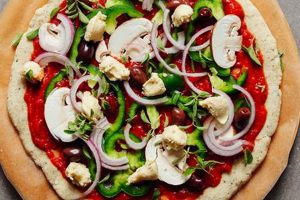
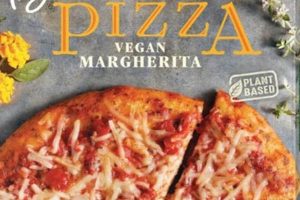
Plant-based pizza presents a dietary alternative to traditional cheese and meat-laden options. Its composition typically includes a flour-based crust, tomato sauce, vegetables, and plant-derived cheese substitutes. An evaluation of the nutritional profile of this food item reveals variations depending on the specific ingredients and preparation methods employed.
The rise in popularity of plant-based diets has contributed to increased interest in the health implications of this pizza style. Potential advantages include reduced saturated fat and cholesterol content, along with increased fiber intake derived from vegetables and whole grain crust options. Historically, pizza has been associated with less healthy dietary patterns, but the vegan adaptation seeks to address these concerns.
A deeper exploration of the nutritional componentssuch as macronutrient ratios, micronutrient availability, and the role of specific plant-based ingredientsis warranted to provide a complete understanding. Subsequent sections will delve into these elements, examining the influence of crust type, sauce composition, cheese alternatives, and vegetable toppings on the overall nutritional value.
Optimizing Plant-Based Pizza’s Dietary Value
The following guidelines aim to enhance the nutritional profile of plant-based pizza, focusing on informed ingredient selection and preparation techniques to maximize health benefits.
Tip 1: Crust Selection for Enhanced Fiber: Opt for whole-grain crusts over refined flour varieties. Whole grains contribute significantly to increased fiber intake, promoting digestive health and satiety.
Tip 2: Prioritize Fresh Vegetable Toppings: Incorporate a diverse range of fresh, non-starchy vegetables such as spinach, bell peppers, mushrooms, and onions. These provide essential vitamins, minerals, and antioxidants.
Tip 3: Moderate Sodium Content in Sauce: Be mindful of the sodium levels in pre-made tomato sauce. Consider using low-sodium options or preparing homemade sauce to control salt content.
Tip 4: Choose Plant-Based Cheeses Wisely: Not all plant-based cheeses are created equal. Prioritize options that are lower in saturated fat and higher in protein or fiber, if available. Cashew-based cheeses can offer a richer flavor and texture, but should be consumed in moderation due to their fat content.
Tip 5: Enhance Protein Content: Add plant-based protein sources such as lentils, beans, or crumbled tofu to increase the protein content of the pizza, promoting satiety and supporting muscle health.
Tip 6: Limit Processed Ingredients: Minimize the use of highly processed vegan meats or cheese alternatives, as these may contain undesirable additives or unhealthy fats. Focus on whole, unprocessed ingredients whenever possible.
Tip 7: Control Portion Sizes: Even healthy foods should be consumed in moderation. Pay attention to portion sizes to maintain a balanced caloric intake.
By adhering to these guidelines, individuals can create a plant-based pizza that is both palatable and nutritionally sound, offering a healthy and satisfying meal option.
The subsequent sections will explore specific ingredient choices and their impact on the overall healthfulness of the final product, providing further insights into making informed decisions.
1. Calorie density

Calorie density, defined as the number of calories per unit weight or volume of food, is a critical factor influencing the nutritional value of plant-based pizza. The relationship between calorie density and the overall health impact of this food is multifaceted. High calorie density, stemming from ingredients such as refined flour crusts, oil-rich sauces, or processed vegan cheeses, can contribute to excessive energy intake, potentially leading to weight gain if not carefully managed. Conversely, a plant-based pizza featuring a whole-grain crust, lean tomato sauce, and ample low-calorie vegetables will exhibit lower calorie density, facilitating portion control and potentially supporting weight management.
Consider two contrasting examples: a plant-based pizza consisting of a thick, white flour crust, smothered in a creamy cashew-based cheese alternative, and topped with deep-fried vegetables will possess a significantly higher calorie density compared to one made with a thin, whole-wheat crust, a tomato-based sauce, a sprinkle of nutritional yeast, and an abundance of fresh, grilled vegetables. The former, while still technically “vegan,” may contribute to negative health outcomes due to its concentrated calorie content. The latter, by prioritizing nutrient-rich, low-calorie ingredients, offers a more balanced and health-conscious dietary option. The practical significance of understanding calorie density lies in empowering individuals to make informed choices, favoring ingredient combinations that promote satiety and nutritional adequacy without contributing to excessive energy consumption.
In summary, calorie density serves as a crucial component in evaluating the overall nutritional profile of plant-based pizza. Recognizing the impact of ingredient choices on the pizza’s calorie density enables individuals to construct healthier variations. While plant-based pizza can offer a valuable dietary alternative, a focus on optimizing calorie density through mindful ingredient selection is essential for realizing its full potential as a nutritious and satisfying meal choice. The primary challenge lies in balancing flavor and texture preferences with the need for lower calorie options, demonstrating the importance of recipe modification and ingredient awareness.
2. Macronutrient balance

Macronutrient balance, the proportion of carbohydrates, proteins, and fats in a food item, plays a crucial role in defining the nutritional value of plant-based pizza. An imbalance in macronutrients can negate the potential health benefits associated with a plant-based diet. For instance, a pizza predominantly composed of a refined flour crust and plant-based cheese alternatives high in saturated fat may offer insufficient protein and excessive carbohydrates, leading to rapid blood sugar spikes and reduced satiety. Conversely, a pizza incorporating a whole-grain crust, abundant vegetables, and a protein source such as lentils or beans can provide a more balanced macronutrient profile, promoting sustained energy and supporting muscle maintenance. The cause-and-effect relationship between macronutrient ratios and metabolic outcomes necessitates a careful consideration of ingredient selection.
The practical significance of achieving macronutrient balance in plant-based pizza preparation extends to various aspects of health management. Adequate protein intake is essential for satiety and tissue repair, while complex carbohydrates from whole grains offer a sustained energy source. The type and quantity of fats are also critical; prioritizing unsaturated fats from sources like avocado or olive oil over saturated fats present in some processed vegan cheeses can contribute to improved cardiovascular health. Specific examples include comparing a traditional pizza with a refined crust, high-fat vegan cheese, and minimal vegetables to a whole-wheat crust pizza with tomato sauce, an array of colorful vegetables, and a sprinkle of nutritional yeast. The latter will inherently exhibit a more favorable macronutrient profile, offering a higher fiber content and a more moderate fat load.
In summary, macronutrient balance is a fundamental aspect of plant-based pizza nutrition. Achieving an optimal ratio of carbohydrates, proteins, and fats necessitates a deliberate approach to ingredient selection and portion control. While plant-based pizza can be a nutritious and appealing dietary option, its health benefits are contingent upon a balanced macronutrient composition. The challenge lies in creating recipes that satisfy taste preferences while adhering to nutritional guidelines, highlighting the importance of culinary creativity and nutritional awareness in the development of plant-based meal options. Understanding and addressing this crucial aspect enables a more informed approach to plant-based pizza consumption and its role in a balanced diet.
3. Fiber content
Fiber content represents a crucial element within plant-based pizza, significantly impacting its nutritional value. Dietary fiber, a type of carbohydrate that the body cannot digest, plays a vital role in promoting digestive health, regulating blood sugar levels, and contributing to satiety. Plant-based pizza, by virtue of its reliance on vegetables, whole grains, and legumes, offers the potential for significantly higher fiber content compared to traditional pizza varieties laden with processed meats and cheeses. The cause-and-effect relationship is evident: increased inclusion of fiber-rich ingredients directly elevates the overall nutritional quality of the pizza, yielding positive physiological outcomes. This understanding is not merely theoretical; it is supported by numerous studies demonstrating the health benefits of high-fiber diets. Examples include improved bowel regularity, reduced risk of colorectal cancer, and better management of type 2 diabetes. The practical significance of prioritizing fiber content lies in transforming what is often considered an indulgence into a more health-supportive meal.
The enhancement of fiber content in plant-based pizza involves strategic ingredient selection. Whole-grain crusts, as opposed to refined white flour options, provide a substantial fiber boost. The addition of non-starchy vegetables such as broccoli, spinach, bell peppers, and onions further augments fiber intake. Legumes, such as lentils or beans, can be incorporated as toppings or within the sauce to contribute both fiber and protein. These modifications, while seemingly simple, have a profound impact on the pizza’s overall nutritional profile. For example, a pizza featuring a whole-wheat crust, a tomato sauce base, a generous layer of mixed vegetables, and a sprinkle of lentils will offer significantly greater fiber content than a pizza with a white flour crust, a creamy vegan cheese alternative, and minimal vegetable toppings. This ingredient substitution strategy presents a practical approach to improving the healthfulness of plant-based pizza without sacrificing taste appeal. Furthermore, understanding the fiber content of various ingredients empowers consumers to make informed choices when ordering or preparing plant-based pizza.
In summary, fiber content is an indispensable aspect of plant-based pizza, influencing its nutritional value and contributing to overall health. The intentional incorporation of fiber-rich ingredients, such as whole grains, vegetables, and legumes, transforms this meal into a more healthful and satisfying option. While challenges may exist in balancing taste preferences with the need for higher fiber content, a commitment to mindful ingredient selection can mitigate these concerns. The ultimate goal is to harness the potential of plant-based pizza as a vehicle for delivering essential nutrients, thereby supporting both individual well-being and the broader promotion of plant-based diets. The emphasis on fiber content underscores the importance of viewing food choices through a nutritional lens, recognizing that even seemingly indulgent meals can be modified to align with health-conscious dietary practices.
4. Micronutrient availability

Micronutrient availability represents a critical, yet often overlooked, facet of plant-based pizza nutrition. The term encompasses the degree to which essential vitamins and minerals are present in a food item and, more importantly, accessible for absorption and utilization by the body. The connection between micronutrient availability and plant-based pizza nutrition hinges on the ingredient composition of the pizza itself. The inclusion of diverse vegetables, fortified plant-based cheeses, and nutrient-dense sauces directly influences the micronutrient profile, thereby impacting its overall healthfulness. A plant-based pizza consisting solely of refined crust and minimal toppings provides limited micronutrient value, whereas one loaded with varied vegetables offers a broader spectrum of vitamins and minerals. The practical significance of understanding micronutrient availability lies in the ability to make informed dietary choices, maximizing the nutritional benefits derived from plant-based options. Real-life examples include a pizza featuring spinach and mushrooms providing iron and vitamin D, respectively, while bell peppers contribute vitamin C. Without these varied components, the pizza’s micronutrient content is severely compromised.
Further analysis reveals that the bioavailability of certain micronutrients can be affected by factors present within the pizza. For instance, the presence of phytates in whole-grain crusts can inhibit the absorption of iron and zinc. However, this effect can be mitigated by processes such as soaking or fermentation of the dough. Similarly, the bioavailability of fat-soluble vitamins (A, D, E, and K) is enhanced by the inclusion of healthy fats, such as those found in avocado or olive oil. Fortified plant-based cheeses can also contribute essential micronutrients like vitamin B12, which is not naturally abundant in plant-based foods. Therefore, a conscious effort to incorporate ingredients that promote micronutrient bioavailability is essential for optimizing the nutritional value of plant-based pizza. The challenge lies in balancing taste and texture preferences with the need for micronutrient optimization, requiring creative recipe development and ingredient awareness. Furthermore, the processing methods employed during pizza preparation can also impact micronutrient retention. Overcooking can lead to the loss of water-soluble vitamins, underscoring the importance of proper cooking techniques.
In summary, micronutrient availability is a fundamental consideration in plant-based pizza nutrition. Maximizing the micronutrient content and bioavailability requires a strategic approach to ingredient selection, food preparation methods, and a general awareness of nutrient interactions. While plant-based pizza can serve as a vehicle for delivering essential vitamins and minerals, its nutritional value is contingent upon conscious effort to optimize its micronutrient profile. The challenge of balancing taste and nutritional needs necessitates ongoing research and educational efforts to promote informed dietary choices. A comprehensive understanding of micronutrient availability is crucial for realizing the full potential of plant-based pizza as a healthy and sustainable food option.
5. Sodium levels

Sodium levels are a critical consideration within plant-based pizza due to their potential impact on cardiovascular health and overall dietary balance. The prevalence of processed ingredients in many plant-based pizza recipes can contribute to elevated sodium content, thereby warranting careful attention.
- Sodium Content in Crusts
Commercially prepared pizza crusts, whether traditional or plant-based, often contain significant amounts of sodium. The added salt serves to enhance flavor and improve texture. However, frequent consumption of high-sodium crusts can contribute to exceeding recommended daily sodium intake. Example: a pre-made frozen pizza crust can contain upward of 400mg of sodium per serving. The implications include increased blood pressure and heightened risk of cardiovascular disease.
- Sodium in Sauces
Pre-made tomato sauces, a staple ingredient in pizza, can be a major source of sodium. Manufacturers often add salt to enhance the flavor and extend the shelf life of these sauces. Sodium levels can vary widely between brands. As an example, some commercially available pizza sauces can contain over 300mg of sodium per serving. Excessive sauce usage contributes to elevated overall sodium content of the pizza, thus impacting its nutritional profile negatively.
- Plant-Based Cheese Alternatives
Certain plant-based cheese alternatives, particularly those that are highly processed, may contain elevated sodium levels to mimic the flavor and texture of traditional dairy cheese. The manufacturing process often involves adding salt to achieve the desired taste. One example is some processed vegan cheese brands containing levels nearly equivalent to processed dairy cheese. The implications of this can be significant for individuals seeking to reduce their sodium intake for health reasons.
- Sodium from Vegetable Toppings & Additives
Even vegetable toppings, typically considered healthy components, can contribute to sodium levels if they are pickled, brined, or pre-seasoned with salt. Additionally, ingredients like olives or sun-dried tomatoes are naturally high in sodium. Certain additives and preservatives also add sodium. The practice can significantly increase sodium in a supposedly healthy topping and offset the benefits of including plant-based options.
In summary, addressing sodium levels within plant-based pizza requires a multifaceted approach. This includes selecting low-sodium crusts and sauces, carefully reviewing the nutritional information of plant-based cheese alternatives, and opting for fresh, unseasoned vegetable toppings. By implementing these strategies, it is possible to create a plant-based pizza that is both flavorful and mindful of sodium intake, aligning with the broader goals of a balanced diet.
6. Ingredient processing

Ingredient processing constitutes a significant factor in determining the nutritional profile of plant-based pizza. The extent to which ingredients are processed can substantially alter their nutrient content and overall health impact. Understanding the implications of ingredient processing is therefore essential for making informed dietary choices when consuming or preparing plant-based pizza.
- Crust Refinement
The degree of refinement in the pizza crust significantly impacts its nutritional value. Highly processed white flour crusts are stripped of bran and germ, resulting in reduced fiber, vitamins, and minerals. Conversely, whole-grain crusts retain these components, providing a more nutritious base. An example is the comparison between a pizza made with refined white flour and one made with whole wheat flour; the latter boasts significantly higher fiber content and a more favorable glycemic index, making it a more nutritionally sound option.
- Sauce Processing Methods
Tomato sauces, a primary ingredient, can undergo varying levels of processing. Heavily processed sauces often contain added sugars, sodium, and artificial preservatives. Minimally processed or homemade sauces, utilizing fresh tomatoes and herbs, offer a healthier alternative. A commercial sauce with added sugar may contribute unnecessary calories, whereas a homemade version allows for control over ingredients and nutrient content. The choice between processed and minimally processed sauces has a substantial impact on overall nutritional value.
- Plant-Based Cheese Alterations
Plant-based cheese alternatives exhibit a wide range of processing levels. Some are minimally processed, using ingredients like nuts or seeds, while others are heavily processed with added oils, starches, and artificial flavors. Highly processed vegan cheeses can be high in saturated fat and sodium, negating some of the health benefits associated with plant-based diets. An example is some vegan cheese with additives that lack natural qualities and may be harmful.
- Vegetable Treatment Effects
The method by which vegetables are treated prior to being used as pizza toppings can influence their nutritional value. Fresh, raw, or lightly cooked vegetables retain more vitamins and minerals compared to canned, pickled, or heavily processed options. The canning process of vegetables typically involves added salt and preservatives, reducing its nutritional benefits. Selecting fresh produce for pizza toppings can yield more nutrition.
Ingredient processing exerts a substantial influence on the nutritional characteristics of plant-based pizza. Emphasizing minimally processed, whole food ingredients is essential for maximizing the health benefits of this dietary choice. By carefully selecting crusts, sauces, cheese alternatives, and vegetable toppings, consumers can create a plant-based pizza that aligns with health and wellness goals. A comparison of two seemingly identical plant-based pizzasone made with highly processed components and the other with whole, minimally processed ingredientsreveals significant differences in nutrient density and potential health impact, underscoring the importance of mindful ingredient selection.
Frequently Asked Questions Regarding Plant-Based Pizza Nutrition
This section addresses common inquiries and clarifies misconceptions regarding the nutritional aspects of plant-based pizza. The aim is to provide evidence-based information to facilitate informed dietary decisions.
Question 1: Is plant-based pizza inherently healthier than traditional pizza?
The nutritional value of plant-based pizza is contingent upon ingredient selection and preparation methods. While the absence of animal products may reduce saturated fat and cholesterol, the presence of processed ingredients or excessive sodium can negate these potential benefits. Careful attention to the nutritional composition is therefore essential.
Question 2: Can plant-based pizza provide adequate protein?
Plant-based pizza can be a source of protein, but its protein content may be lower than that of traditional pizza containing meat and cheese. Incorporating protein-rich toppings such as lentils, beans, tofu, or plant-based meat alternatives can augment the protein content. The specific ingredients will determine the final protein amount.
Question 3: Are plant-based cheese alternatives nutritionally equivalent to dairy cheese?
Plant-based cheese alternatives vary significantly in their nutritional profiles. Some may be lower in saturated fat and cholesterol than dairy cheese, while others may be higher in sodium and lack certain essential nutrients, such as vitamin B12. Reviewing the nutritional labels of plant-based cheese alternatives is crucial to make informed decisions.
Question 4: Does plant-based pizza provide sufficient amounts of essential vitamins and minerals?
The micronutrient content of plant-based pizza depends on the variety and quantity of vegetable toppings used. Incorporating a diverse range of vegetables can provide essential vitamins, minerals, and antioxidants. Fortified plant-based ingredients, such as nutritional yeast (vitamin B12) or fortified plant-based cheeses, can also contribute to micronutrient intake.
Question 5: How can sodium content be minimized in plant-based pizza?
Sodium content can be reduced by selecting low-sodium crusts and sauces, using fresh or frozen vegetables without added salt, and opting for plant-based cheese alternatives with lower sodium levels. Preparing homemade pizza sauce also allows for greater control over sodium content.
Question 6: Is plant-based pizza a suitable option for individuals with dietary restrictions or allergies?
Plant-based pizza can be a suitable option for individuals with lactose intolerance, dairy allergies, or those adhering to a vegan diet. However, it is important to be mindful of potential allergens in plant-based cheese alternatives and crusts, such as nuts, soy, or gluten. Careful ingredient selection and label reading are essential to accommodate specific dietary needs.
In conclusion, the nutritional merits of plant-based pizza are highly variable and depend on the chosen ingredients and preparation methods. Mindful selection of nutrient-rich, minimally processed components is essential for maximizing its health benefits.
The subsequent sections will explore advanced considerations for optimizing plant-based pizza for specific dietary needs and health goals.
Vegan Pizza Nutrition
This exploration of vegan pizza nutrition has revealed the complexities inherent in assessing the healthfulness of this increasingly popular dietary option. Key considerations include calorie density, macronutrient balance, fiber content, micronutrient availability, sodium levels, and the degree of ingredient processing. These factors interact to determine the overall nutritional profile of vegan pizza, demonstrating that the mere absence of animal products does not guarantee a nutritionally superior outcome. Thoughtful ingredient selection remains paramount.
The insights presented herein underscore the importance of informed consumer choices and mindful preparation techniques. As plant-based diets continue to gain traction, a deeper understanding of vegan pizza nutrition is essential for maximizing potential health benefits and mitigating potential risks. Continued research and public education are necessary to empower individuals to make well-informed decisions regarding this and other plant-based food options. The future of vegan pizza lies in its ability to evolve into a truly nutritious and sustainable meal, rather than simply a modified version of a less-healthful traditional dish.