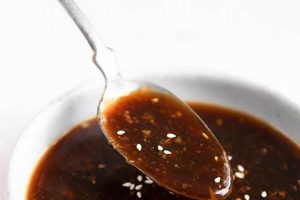
The construction of a plant-based condiment mirroring the flavor profile of traditional buffalo wing sauce involves substituting animal-derived ingredients with plant-based alternatives. This culinary formulation seeks to replicate the spicy, tangy, and buttery characteristics associated with the original, typically achieved through a combination of hot sauce, vinegar, and butter, by employing ingredients such as plant-based butter alternatives, various chili pepper extracts, and acids like vinegar or lemon juice. The result is a sauce suitable for coating vegetables, plant-based protein substitutes, or other foods in lieu of chicken wings.
The rise in the creation and consumption of meatless versions of popular dishes reflects a growing interest in plant-based diets driven by ethical, environmental, and health concerns. This specific adaptation allows individuals adhering to vegan principles to enjoy a flavor experience traditionally linked to animal products. Furthermore, producing such a sauce can broaden dietary choices, potentially offering a lower-cholesterol alternative to the original. The adaptability of the base formula allows for variations in heat level and overall flavor, catering to a wide range of palates and preferences.
Given the foundational understanding of plant-based sauce development, the subsequent discussion will focus on specific formulations, ingredient considerations, and potential applications of this culinary creation. The upcoming sections will delve into the key components that contribute to the desired taste and texture, as well as explore preparation techniques and serving suggestions.
Essential Considerations for Plant-Based Wing Sauce Formulation
Achieving an optimal flavor profile in a plant-based adaptation of classic buffalo wing sauce requires attention to ingredient selection and preparation techniques. The following guidelines offer insights for successful sauce creation.
Tip 1: Select High-Quality Hot Sauce: The hot sauce forms the foundation of the flavor profile. Consider using a vinegar-based cayenne pepper sauce for authenticity, or experiment with other pepper varieties to adjust the heat level and overall taste. Evaluate the sodium content, as some hot sauces can be excessively salty.
Tip 2: Emulsify with Plant-Based Butter Alternatives: The “buttery” element is crucial. Opt for a high-fat, plant-based butter alternative. Melt the butter substitute slowly and thoroughly to ensure proper emulsification with the hot sauce and other liquids. This will prevent separation and contribute to a smooth, rich texture.
Tip 3: Incorporate Vinegar Strategically: Vinegar provides the characteristic tang. White vinegar is a standard choice, but apple cider vinegar can add a subtle sweetness. Introduce the vinegar gradually, tasting frequently to achieve the desired balance of acidity.
Tip 4: Enhance Umami with Nutritional Yeast: To deepen the flavor and provide a savory element, consider adding a small amount of nutritional yeast. This ingredient imparts a cheesy, umami taste that complements the other flavors in the sauce. Start with a small quantity and adjust to taste.
Tip 5: Sweeten with Precision: A touch of sweetness can enhance the overall flavor complexity. Use a modest amount of maple syrup, agave nectar, or date syrup to balance the heat and acidity. Exercise caution to avoid making the sauce overly sweet.
Tip 6: Adjust Consistency as Needed: The thickness of the sauce can be modified by adjusting the amount of plant-based butter alternative or adding a small amount of vegetable broth or water. Simmering the sauce uncovered will also help to reduce its liquid content.
Tip 7: Test and Refine: The most important step is to taste and adjust the seasoning to personal preference. Consider adding a pinch of garlic powder, onion powder, or smoked paprika to further enhance the flavor. Allow the sauce to cool slightly before making final adjustments, as flavors can change as the temperature cools.
Adhering to these guidelines enables the consistent production of a palatable, plant-based wing sauce alternative that captures the essence of the original recipe.
Following the consideration of crucial tips, the subsequent discussion will shift towards addressing frequent challenges faced and recommended solutions for the development of plant-based wing sauces.
1. Flavor Authenticity

Flavor authenticity in the context of meatless buffalo wing sauce is paramount to its successful adoption by consumers familiar with the traditional, animal-product-based version. The degree to which the plant-based alternative mirrors the taste profilecharacterized by spicy heat, tangy acidity, and a rich, buttery undertonedirectly influences its perceived quality and palatability. Failure to achieve a satisfactory level of mimicry results in a product that fails to meet consumer expectations and may be rejected despite its ethical or dietary advantages. An example of this is the use of improperly sourced or processed plant-based butter alternatives, which can impart an off-flavor or fail to emulsify correctly, resulting in an unacceptable deviation from the expected texture and taste.
The achievement of authenticity is not merely about replicating the individual flavor components but also about harmonizing them in the correct proportions. The intensity of the cayenne pepper notes from the hot sauce must be balanced by the acidity of the vinegar and the richness of the plant-based butter. Furthermore, the addition of ingredients such as nutritional yeast can contribute to a savory umami element, replicating some of the complexity found in animal-derived products. This requires careful ingredient selection and meticulous experimentation with ratios. A practical application of this understanding is the implementation of blind taste tests during the sauce development phase, allowing for objective feedback on the sauce’s resemblance to the original flavor profile.
In summary, flavor authenticity is a critical determinant of the viability of any meatless buffalo wing sauce. Its absence undermines the product’s acceptance, regardless of its other merits. Successful replication requires a nuanced understanding of the interplay between individual ingredients and their contribution to the overall sensory experience. While achieving a perfect match may be challenging, a diligent focus on flavor and texture will significantly improve the product’s marketability and consumer satisfaction.
2. Plant-Based Butter
Plant-based butter alternatives serve as a crucial ingredient in the formulation of a meatless buffalo wing sauce, contributing significantly to its overall texture, flavor, and mouthfeel. The successful substitution of dairy butter with a plant-derived counterpart is essential for achieving a product acceptable to vegan consumers while maintaining the sensory characteristics associated with the original recipe.
- Emulsification Properties
Plant-based butters, composed of vegetable oils and emulsifiers, facilitate the homogeneous blending of water-based (hot sauce, vinegar) and oil-based components within the sauce. Effective emulsification is critical to prevent separation and ensure a smooth, consistent texture. For instance, certain plant-based butters containing soy lecithin or sunflower lecithin exhibit enhanced emulsification capabilities compared to those with limited emulsifiers. Insufficient emulsification can result in an oily or separated sauce, negatively impacting its appeal.
- Flavor Contribution
Beyond texture, these butters impart a distinct flavor profile that influences the final taste. Some plant-based butters may possess a neutral flavor, while others exhibit subtle notes of coconut, olive oil, or other ingredients. The choice of butter should complement the other flavors in the sauce. For example, a coconut-based butter could introduce unwanted sweetness or tropical notes that detract from the traditional buffalo wing sauce flavor. A neutral-tasting variety is often preferred to allow the hot sauce and vinegar to remain dominant.
- Fat Content and Mouthfeel
The fat content of plant-based butter directly affects the sauce’s richness and mouthfeel. Higher fat content typically results in a smoother, more luxurious texture, mimicking the richness of dairy butter. However, different types of plant-based fats have varying melting points and textures. Palm oil-based butters may solidify at lower temperatures, affecting the sauce’s consistency. Conversely, those based on liquid oils may not provide sufficient structure. Selecting a plant-based butter with a balanced fat profile is essential for optimal texture and mouthfeel.
- Impact on Sauce Stability
Plant-based butter can influence the shelf stability and heat resistance of the buffalo wing sauce. Some formulations may be more prone to separation or curdling at high temperatures. Additionally, the presence of unsaturated fats can increase the sauce’s susceptibility to oxidation and rancidity over time. Incorporating antioxidants or selecting a butter with a stable fat profile can mitigate these issues, extending the sauce’s shelf life and maintaining its quality during cooking or storage.
The strategic selection and utilization of plant-based butter alternatives are thus fundamental to crafting a successful meatless buffalo wing sauce. Understanding the properties and potential impacts of different formulations ensures a final product that aligns with the dietary requirements of vegan consumers while delivering the flavor, texture, and sensory attributes expected of the dish.
3. Heat Source

The heat source is a defining characteristic of buffalo wing sauce, and its careful consideration is crucial in developing a palatable meatless version. The selection and application of the heat source directly impacts the perceived authenticity and overall enjoyment of the vegan adaptation.
- Type of Pepper
The primary determinant of heat intensity and flavor complexity within a buffalo wing sauce stems from the selection of pepper. Cayenne peppers are frequently used in traditional formulations, providing a characteristic bright heat. However, for meatless versions, various options exist to either replicate or modify this profile. Alternatives include jalapeos (for milder heat), habaneros (for significantly higher intensity), or chili blends that combine different pepper types to achieve a nuanced heat sensation. The choice of pepper must consider both the desired spice level and the overall flavor compatibility with other ingredients. For example, scotch bonnet peppers, while possessing significant heat, may impart a fruity flavor not traditionally associated with buffalo sauce.
- Hot Sauce Composition
Commercially produced hot sauces serve as a convenient and consistent heat source. These sauces vary significantly in their composition, heat level (measured in Scoville Heat Units), and additional ingredients. When selecting a hot sauce for a meatless buffalo wing sauce, it is imperative to examine the ingredient list, ensuring adherence to vegan principles (i.e., absence of animal-derived products). The hot sauce should also complement the desired flavor profile, considering factors such as the presence of vinegar, salt, and other spices. Furthermore, the concentration of peppers within the hot sauce dictates the quantity required to achieve the target heat intensity. Dilution with other ingredients, such as plant-based butter and vinegar, must be accounted for when determining the appropriate volume.
- Pepper Extracts and Oleoresins
Pepper extracts and oleoresins offer a concentrated form of heat, allowing for precise control over the spice level. These substances are derived from peppers through solvent extraction and possess a high concentration of capsaicin, the compound responsible for the sensation of heat. When using extracts or oleoresins, extreme caution is required due to their potency. A small quantity can significantly increase the sauce’s heat level. These ingredients are best suited for experienced cooks or commercial producers who can accurately measure and disperse the concentrated heat. Improper use can result in an unbalanced and unpalatable sauce.
- Dry Spices and Powders
Dried pepper powders, such as cayenne pepper, chili powder, or ancho chili powder, represent another avenue for introducing heat into a meatless buffalo wing sauce. These powders offer versatility in terms of flavor and intensity. They can be combined to create custom spice blends that cater to specific taste preferences. However, dry spices require careful hydration and incorporation into the sauce to avoid a grainy texture or uneven distribution. Blooming the spices in oil or rehydrating them in a liquid component of the sauce can enhance their flavor and prevent clumping. Furthermore, the age and quality of the spices directly influence their flavor potency, requiring adjustments in quantity to achieve the desired heat level.
In conclusion, the selection and application of the heat source are pivotal to the creation of a compelling plant-based buffalo wing sauce. Whether utilizing fresh peppers, commercial hot sauces, extracts, or dry spices, a thorough understanding of their individual characteristics and interactions with other ingredients is necessary to achieve a balanced and flavorful final product.
4. Tangy Acidity
Tangy acidity is a critical flavor component in buffalo wing sauce, contributing to its characteristic zesty and piquant profile. In vegan formulations, achieving the appropriate level and type of acidity requires careful selection of ingredients to replicate the effects traditionally provided by vinegar and other acidic agents.
- Vinegar Selection
Vinegar serves as a primary source of acidity in both traditional and vegan buffalo wing sauces. White distilled vinegar offers a clean, sharp tang, while apple cider vinegar introduces subtle fruity notes. The choice depends on the desired flavor complexity. Balsamic vinegar, although less conventional, can add a deeper, more complex acidity if used sparingly. The concentration of acetic acid in the vinegar influences the intensity of the tang; higher concentrations necessitate a more measured approach to avoid overwhelming other flavors. For example, a sauce using a high-acidity vinegar might require a lower volume or the addition of a balancing element, such as a sweetener.
- Citrus Juice Integration
Citrus juices, such as lemon or lime, provide an alternative or complementary source of acidity. Lemon juice offers a bright, clean tartness, while lime juice contributes a slightly more floral and aromatic character. The acidity of citrus juice is derived from citric acid. The addition of citrus juice not only enhances the tangy element but can also brighten the overall flavor profile of the sauce. When substituting or complementing vinegar with citrus, it is essential to consider the potential for destabilizing the emulsion. Citrus may cause plant-based butter to separate, requiring adjustments in the recipe or the use of stabilizers.
- Fermented Ingredients
Fermented ingredients, such as kimchi juice or sauerkraut brine, can introduce a complex and nuanced acidity to vegan buffalo wing sauce. These ingredients offer a depth of flavor beyond simple tartness, often accompanied by umami notes. The lactic acid produced during fermentation contributes to a smoother, less aggressive acidity compared to vinegar. However, fermented ingredients can also introduce strong flavors that may not align with the traditional buffalo wing sauce profile. Therefore, their use requires careful consideration of the potential flavor impact and adjustments to balance the overall taste.
- Acid Phosphoric Alternatives
In some commercial formulations, acid phosphoric or citric acid may be used to adjust the pH level and enhance the perceived acidity. These ingredients provide a consistent and predictable source of tartness. When incorporating them into a plant-based buffalo wing sauce, it is crucial to use them judiciously to avoid creating an artificial or overly acidic flavor. The concentration of these acids allows for precise control over the acidity level, but an excessive amount can result in an unpleasant chemical taste. Regular taste testing during the development process is essential to ensure a balanced and palatable outcome.
In summary, the strategic management of tangy acidity is fundamental to achieving a successful meatless buffalo wing sauce. By carefully selecting and balancing various acidic agents, a sauce can be created that effectively replicates the essential flavor characteristics of the traditional recipe while adhering to vegan dietary principles. The interaction between different acids and other flavor components requires precise adjustments to ensure a harmonious and appealing final product.
5. Texture Consistency

Texture consistency is a defining characteristic of a successful plant-based buffalo wing sauce, influencing its palatability and overall sensory experience. A homogeneous, smooth texture is generally preferred, mimicking the emulsified nature of traditional sauces that rely on animal-derived butter. Achieving this in a vegan adaptation requires careful ingredient selection and adherence to precise preparation techniques.
- Emulsification Stability
The primary challenge in maintaining texture consistency lies in achieving and preserving a stable emulsion between the aqueous (hot sauce, vinegar) and oleaginous (plant-based butter) components. Plant-based butters often exhibit different emulsification properties compared to dairy butter, potentially leading to separation or a grainy texture. Stabilizers such as lecithin or xanthan gum are frequently employed to prevent phase separation and ensure a uniform consistency over time and temperature variations. For example, a sauce lacking adequate emulsification may separate upon cooling, resulting in an oily surface and a watery base, thereby compromising its appeal.
- Solid Particle Suspension
Many recipes incorporate finely ground spices or herbs to enhance flavor. Maintaining a uniform suspension of these solid particles is crucial for preventing sedimentation and ensuring consistent flavor distribution throughout the sauce. Inadequate suspension can result in a gritty texture or localized flavor concentrations. High-shear mixing or the addition of thickening agents, such as cornstarch or tapioca starch, can improve particle suspension. For instance, a sauce with coarsely ground spices may exhibit a gritty mouthfeel if not properly suspended, detracting from the overall eating experience.
- Viscosity Control
The viscosity of the sauce directly impacts its coating ability and mouthfeel. A sauce that is too thin may not adhere adequately to the substrate (e.g., cauliflower wings), resulting in an uneven flavor distribution. Conversely, a sauce that is too thick may be perceived as gloppy or pasty. Achieving the desired viscosity requires careful adjustment of liquid and solid ingredient ratios, as well as the potential use of thickening agents. A real-world example is a sauce with excessive liquid content, which may run off the prepared wings, leaving them inadequately coated and lacking the characteristic sauciness.
- Temperature Sensitivity
Texture consistency can be influenced by temperature fluctuations during preparation, storage, and serving. Certain plant-based fats may exhibit phase transitions (solidifying or melting) at different temperatures, leading to changes in sauce viscosity and texture. For example, a sauce formulated with coconut oil may solidify at room temperature, becoming thick and difficult to spread. Selecting plant-based fats with a wider temperature stability range, or incorporating stabilizers, can mitigate these temperature-related texture variations.
Maintaining texture consistency in a plant-based buffalo wing sauce is a multifaceted challenge that requires careful attention to ingredient selection, formulation, and preparation techniques. The stability of the emulsion, suspension of solid particles, viscosity control, and temperature sensitivity all contribute to the overall sensory experience. By addressing these factors, a plant-based sauce can effectively mimic the texture and palatability of its traditional counterpart, appealing to a broader range of consumers.
6. Ingredient Quality

The selection of high-quality ingredients is paramount in the creation of a palatable and authentic-tasting plant-based buffalo wing sauce. The inherent characteristics of each component directly influence the flavor, texture, and overall sensory experience of the final product. Compromises in ingredient quality can result in a sauce that fails to meet consumer expectations and lacks the desired characteristics of traditional buffalo wing sauce.
- Hot Sauce Authenticity
The hot sauce constitutes the foundational flavor element. High-quality hot sauces, crafted with aged peppers and minimal artificial additives, provide a complex and nuanced heat profile. Conversely, lower-quality options may rely on artificial capsaicin extracts or excessive vinegar, resulting in a harsh or unbalanced flavor. The sourcing and processing methods employed in hot sauce production significantly impact its final taste and aroma. For example, a hot sauce utilizing sun-ripened cayenne peppers aged in oak barrels will offer a more sophisticated flavor than one using mass-produced, artificially flavored ingredients. In the context of a meatless buffalo wing sauce, a superior hot sauce can elevate the entire sauce profile, masking any potential deficiencies in other plant-based ingredients.
- Plant-Based Butter Purity
The selection of plant-based butter alternatives directly affects the texture and richness of the sauce. High-quality plant-based butters, formulated with refined vegetable oils and minimal trans fats, contribute a smooth and creamy mouthfeel. Inferior products, often containing excessive water content or artificial flavors, can result in a greasy or separated sauce. The sourcing and processing of the vegetable oils are also critical factors. For example, a plant-based butter derived from sustainably sourced, cold-pressed oils will generally exhibit a cleaner flavor and superior emulsification properties compared to one made with heavily processed, commodity oils. Within the plant-based buffalo wing sauce recipe, superior butter alternative creates authentic buttery texture.
- Vinegar Acidity and Complexity
The vinegar component contributes the essential tangy acidity to balance the heat and richness of the sauce. High-quality vinegars, such as aged apple cider vinegar or white wine vinegar, offer a more complex and nuanced acidity compared to standard white distilled vinegar. These vinegars often possess subtle fruity or floral notes that enhance the overall flavor profile. Conversely, lower-quality vinegars may exhibit a harsh or one-dimensional acidity. The production method also plays a role; traditionally fermented vinegars often retain more of the original fruit or grain’s characteristics, resulting in a more flavorful product. A plant-based buffalo wing sauce benefits from vinegar with deep profile.
- Spice Freshness and Potency
The spices used in buffalo wing sauce, such as garlic powder, onion powder, and paprika, contribute subtle but important flavor notes. Fresh, high-quality spices possess a more intense aroma and flavor compared to older, stale spices. The storage conditions and processing methods employed during spice production influence their potency. For example, whole spices that are freshly ground retain more of their essential oils and deliver a more vibrant flavor. Conversely, pre-ground spices that have been stored improperly may lose their potency and contribute little to the overall taste. For a vegan buffalo wing sauce recipe, adding spices can give an authentic flavor.
The interplay between these high-quality ingredients results in a synergistic effect, elevating the final product beyond the sum of its parts. In contrast, using lower-quality components can diminish the overall sensory experience, regardless of the recipe’s precision or technical execution. The selection of superior hot sauce, plant-based butter, vinegar, and spices is therefore essential for achieving a truly exceptional plant-based buffalo wing sauce that satisfies discerning palates.
Frequently Asked Questions
This section addresses common inquiries concerning the formulation, ingredients, and application of a plant-based adaptation of buffalo wing sauce. The information provided aims to clarify potential points of confusion and offer guidance for successful preparation.
Question 1: Is it possible to achieve an authentic buffalo wing sauce flavor without using butter?
Achieving a comparable flavor profile is attainable through strategic selection of plant-based butter alternatives. Formulations with high fat content and neutral flavor profiles most effectively mimic the richness and mouthfeel of dairy butter. Proper emulsification is essential to replicate the smooth texture of traditional sauces.
Question 2: What type of hot sauce is most suitable for a plant-based buffalo wing sauce?
Vinegar-based cayenne pepper sauces are generally recommended for their authentic flavor. However, alternative pepper varieties can be utilized to adjust the heat level and flavor complexity. It is imperative to verify that the selected hot sauce does not contain any animal-derived ingredients.
Question 3: How can the heat level of a plant-based buffalo wing sauce be controlled?
The heat intensity is primarily determined by the type and quantity of pepper used. Incorporating milder peppers, such as jalapeos, or diluting the hot sauce with other ingredients can reduce the overall heat. Conversely, adding hotter peppers or pepper extracts will increase the spice level. Precise measurements are crucial for achieving the desired intensity.
Question 4: What can be used to thicken a vegan buffalo wing sauce if it is too thin?
Thickening agents such as cornstarch, tapioca starch, or xanthan gum can be employed to increase the viscosity of the sauce. It is important to use these ingredients sparingly, as excessive amounts can result in a gummy or pasty texture. A slurry of starch and cold water should be prepared before adding it to the sauce to prevent clumping.
Question 5: How long can a plant-based buffalo wing sauce be stored?
Properly prepared and stored plant-based buffalo wing sauce can typically be refrigerated for up to one week. The shelf life may vary depending on the specific ingredients used and the storage conditions. It is advisable to store the sauce in an airtight container to prevent contamination and maintain its quality.
Question 6: Can nutritional yeast be used in this recipe, and what purpose does it serve?
Nutritional yeast can be incorporated to enhance the umami flavor and add a savory dimension to the sauce. Its distinct taste contributes a depth that is often lacking in purely plant-based formulations. However, it is important to use nutritional yeast in moderation, as excessive amounts can impart an overpowering or cheesy flavor.
In conclusion, the successful creation of a plant-based buffalo wing sauce relies on a thorough understanding of ingredient properties and preparation techniques. Addressing the points outlined above will contribute to a more satisfying and authentic culinary experience.
Having addressed common inquiries, the subsequent section will explore specific serving suggestions and potential applications for the newly formulated plant-based buffalo wing sauce.
Conclusion
The preceding discussion has comprehensively explored the nuances involved in creating a palatable “vegan buffalo wing sauce recipe.” Emphasis has been placed on achieving authentic flavor through strategic ingredient selection, including plant-based butter alternatives, appropriate hot sauce varieties, and balanced acidity. Texture consistency, heat control, and overall ingredient quality are identified as critical factors influencing the success of the final product. Careful attention to these elements is necessary to replicate the sensory experience of traditional buffalo wing sauce while adhering to vegan dietary principles.
The information presented aims to equip culinary professionals and home cooks with the knowledge required to formulate a satisfying plant-based alternative. Further experimentation with ingredient ratios and flavor combinations is encouraged to refine personal preferences. The ongoing evolution of plant-based cuisine suggests a continuing demand for innovative recipes that address dietary restrictions without compromising taste or culinary integrity. The development of a successful plant-based adaptation requires consistent adherence to the outlined principles and practices.