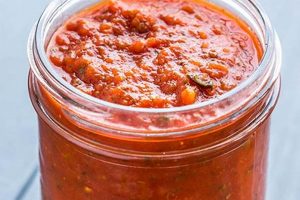
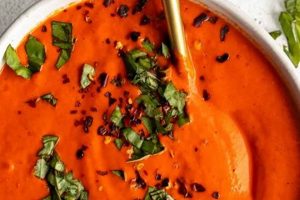
The term “korean bbq sauce vegan” represents a condiment mirroring traditional Korean barbecue flavors, formulated without any animal-derived ingredients. This includes the omission of common components like fish sauce, honey, or meat-based broths. Examples often feature a base of soy sauce, gochujang (Korean chili paste), and incorporate elements such as garlic, ginger, sesame oil, and fruit purees to replicate the characteristic savory-sweet profile.
Its significance lies in its accessibility for individuals adhering to vegan dietary principles, allowing them to partake in Korean cuisine without compromising their ethical choices. The increasing demand for plant-based alternatives fuels its prominence. This option broadens the culinary landscape and caters to a growing segment of consumers focused on animal welfare and sustainable food practices. Historically, while traditional Korean sauces relied on animal products, the emergence of vegan alternatives reflects a modern adaptation to evolving dietary preferences.
The remainder of this discussion will delve into the ingredients typically found in these sauces, explore regional variations, provide methods for homemade preparation, and address their suitability for various culinary applications, including marinade uses and dipping sauces.
Tips for Optimal Use
Achieving the best culinary results requires careful consideration of several key aspects when utilizing an animal-free version of a popular Korean condiment.
Tip 1: Flavor Balancing is Crucial. The omission of traditional ingredients necessitates a thorough understanding of flavor profiles. Evaluate the sweetness, spice level, and umami presence and adjust ingredients accordingly. Employ fruit purees (pear or apple) for sweetness, gochujang or gochugaru for spice, and fermented soybean paste (doenjang) for umami depth.
Tip 2: Marinade Duration Impacts Flavor Intensity. When used as a marinade, the length of time the protein or vegetables are exposed significantly affects the final taste. For delicate items, a shorter marinade (30 minutes to 1 hour) is recommended to avoid overpowering. Heartier items may benefit from longer marinades (up to overnight).
Tip 3: Control Sodium Content. Soy sauce, a primary ingredient, is high in sodium. Opt for low-sodium soy sauce or tamari to mitigate excessive saltiness. Adjust the amount used based on personal preference and dietary needs. Consider adding water or unsalted broth to dilute the sauce if necessary.
Tip 4: Consider Ingredient Freshness. Freshly minced garlic and ginger impart a more vibrant and aromatic character compared to powdered versions. Whenever possible, use fresh ingredients to elevate the overall flavor profile. Store unused portions properly to maintain freshness.
Tip 5: Experiment with Variations. Explore different flavor combinations to customize the sauce. Incorporate ingredients like toasted sesame seeds, rice vinegar, or maple syrup to create unique variations tailored to specific dishes or preferences.
Tip 6: Adjust Consistency for Intended Use. The consistency can be modified to suit various applications. For a thinner dipping sauce, add water or rice vinegar. For a thicker glaze, reduce the sauce over low heat or add a cornstarch slurry.
Optimizing the use hinges on understanding flavor dynamics, carefully controlling the marinade process, and paying close attention to sodium levels. By adjusting ingredients and consistency, the sauce can be tailored to suit various culinary applications.
The subsequent sections will explore specific recipes and applications to further illustrate these principles.
1. Ingredient Substitution

Ingredient substitution is paramount in crafting an authentic animal-free version of a traditional Korean barbecue sauce. The essence of successfully producing this product lies in identifying and replacing animal-derived components with plant-based alternatives that maintain the sauce’s characteristic savory, sweet, and umami flavors. This substitution must be executed with precision to ensure the final product is both vegan-compliant and palatable.
- Fish Sauce Replacement
Fish sauce is a common ingredient, providing a distinct umami flavor. A typical substitute is seaweed or kelp flakes blended into a soy sauce base. Shiitake mushroom broth is another viable option, offering a savory depth comparable to fish-derived products. The quantity requires careful calibration to avoid overpowering the other flavors.
- Honey Alternatives
Honey is frequently used as a sweetener and to contribute to the sauce’s viscosity. Alternatives include maple syrup, agave nectar, or brown rice syrup. Each sweetener imparts a slightly different flavor profile, requiring adjustments to the overall recipe. Maple syrup, for instance, offers a richer, more complex sweetness than agave.
- Animal Broth Omission
Traditional recipes may utilize beef or chicken broth for added depth. Plant-based alternatives such as vegetable broth or mushroom broth serve as adequate replacements. The use of homemade vegetable broth allows for greater control over the flavor profile, preventing excessive saltiness or unwanted vegetable notes.
- Egg Wash Replacement (if applicable)
Although less common in the sauce itself, egg wash may be used during cooking with traditional KBBQ to promote browning and adherence of seasonings. In a vegan context, a mixture of maple syrup and a plant-based milk can provide similar browning effects.
The strategic replacement of key ingredients allows for the creation of a vegan-friendly Korean barbecue sauce that closely mimics the flavor and texture of its traditional counterpart. Successful substitution relies on understanding the individual roles of each ingredient and selecting appropriate plant-based alternatives that complement the overall flavor profile. Careful attention to ratios and ingredient quality is crucial for achieving a palatable and authentic result.
2. Flavor Profile Mimicry

Flavor profile mimicry constitutes a critical element in the successful formulation of a vegan Korean barbecue sauce. The central objective is to replicate the complex tapestry of tastes found in traditional preparations, specifically the interplay of savory, sweet, spicy, and umami notes, while adhering to strict plant-based dietary guidelines. The absence of common animal-derived components such as fish sauce and honey necessitates strategic ingredient substitutions and flavor enhancements to achieve a comparable sensory experience. The accurate imitation of the original’s flavor is not merely about replicating a taste; it’s about offering a credible and appealing alternative that satisfies the expectations of consumers familiar with authentic Korean barbecue.
One example lies in replacing the fermented, pungent flavor of fish sauce. Options include the incorporation of seaweed extracts, which introduce a marine-like umami, or the use of shiitake mushroom powder to impart a savory depth. Brown sugar, maple syrup or agave nectar may replicate the viscous sweetness that honey provides. Gochujang (Korean chili paste) remains a key component, providing the characteristic spice and fermentation notes, yet its specific formulation must be carefully considered as some commercial varieties may contain trace amounts of animal products. Furthermore, the balance of garlic, ginger, sesame oil, and soy sauce must be precisely calibrated to achieve the desired harmony of flavors. When done effectively, the imitation product should exhibit a similar complexity and depth as its traditional counterpart, successfully mitigating the absence of animal ingredients.
In summary, flavor profile mimicry represents a significant challenge in the creation of vegan Korean barbecue sauce, requiring both a deep understanding of traditional Korean flavors and an innovative approach to plant-based ingredient selection. The success of flavor profile mimicry is directly linked to consumer acceptance and the viability of such alternatives in the marketplace. Meeting this challenge ensures that vegan options can authentically represent the original culinary experience.
3. Application Versatility

Application versatility is a core attribute of plant-based Korean barbecue sauce, enhancing its value and broadening its culinary appeal. The adaptability of this condiment allows it to be seamlessly integrated into a wide array of dishes, extending beyond its traditional use with grilled meats.
- Marinade for Plant-Based Proteins
It serves as an effective marinade for tofu, tempeh, and seitan. Its complex flavor profile penetrates these proteins, imparting a savory-sweet taste and tenderizing the texture. For instance, tofu marinated overnight in the sauce prior to grilling or baking yields a flavorful, caramelized exterior and a moist interior.
- Dipping Sauce for Vegetables and Appetizers
Its use extends to a dipping sauce for various vegetables, such as spring rolls, dumplings, and vegetable skewers. The sauce provides a concentrated burst of flavor that complements the freshness of raw or lightly cooked vegetables, offering a balanced and satisfying culinary experience.
- Base for Stir-Fries and Noodle Dishes
It can be incorporated into stir-fries and noodle dishes as a base flavor component. When combined with vegetables, rice noodles, and plant-based protein, it creates a balanced and flavorful dish. This functionality enables individuals to craft Korean-inspired dishes at home without relying on animal products.
- Glaze for Roasted Vegetables
The sauce is suitable as a glaze for roasted vegetables, enhancing their natural sweetness and adding a complex savory note. Vegetables such as Brussels sprouts, carrots, and sweet potatoes benefit from the caramelization and depth of flavor imparted by the sauce during roasting.
These varied applications highlight the adaptability and versatility of plant-based Korean barbecue sauce, showcasing its value beyond traditional grilling applications. This versatility expands its market appeal, allowing it to cater to a broader range of dietary preferences and culinary applications.
4. Regional Variations

Regional variations in Korean barbecue sauces reflect diverse culinary traditions across the Korean peninsula. These variations, traditionally defined by differing ingredients and preparation techniques, directly influence the formulation and flavor profiles of vegan adaptations. Understanding these regional nuances is essential for creating authentic and culturally sensitive plant-based options.
- Gyeonggi-do Sweetness
The Gyeonggi province, surrounding Seoul, is known for sweeter sauces. Traditional recipes often incorporate pears or apples to achieve this sweetness. Vegan versions emulate this by using fruit purees or maple syrup in greater quantities, carefully balancing the sweetness with savory elements like soy sauce and gochujang to avoid an overly sugary profile.
- Jeolla-do Fermented Depth
Jeolla province, in the southwest, emphasizes fermented ingredients like doenjang (soybean paste) and gochujang. Vegan adaptations leverage these fermented components to create deep umami flavors, using aged versions or supplementing with mushroom extracts to compensate for the absence of animal-based fermentation products like fish sauce. The resulting sauces are often richer and more complex.
- Gyeongsang-do Spice Levels
Gyeongsang province, in the southeast, is known for its spicier cuisine. Sauces here tend to have a higher concentration of gochugaru (Korean chili powder) and other chili-based ingredients. Vegan versions mirror this by increasing the amount of chili powder or incorporating other spicy elements like chili oil, while ensuring that the heat is balanced with the other flavor components to prevent it from being overwhelming.
- Island Regionality
Jeju Island’s BBQ scene often features seafood due to its geographical location. Vegan versions need to be creative with their incorporation of sea vegetables for more local authenticity. Seaweed extracts may also be infused into the sauce profile for depth.
These regional differences underscore the complexity of Korean barbecue culture and the importance of considering specific geographic influences when developing vegan alternatives. By understanding and respecting these nuances, it becomes possible to create plant-based options that are not only delicious but also culturally authentic and representative of the diverse culinary landscape of Korea. Commercial producers and home cooks must tailor their recipes, taking into account flavor differences influenced by location.
5. Preparation Methods

The preparation methods employed in creating plant-based Korean barbecue sauce significantly impact the final product’s flavor, texture, and overall authenticity. These methods range from simple blending of pre-made ingredients to more complex fermentation processes designed to mimic traditional flavors.
- Raw Blending Method
The raw blending method involves combining fresh ingredients like soy sauce, gochujang, garlic, ginger, sesame oil, and sweeteners in a blender until smooth. This technique is quick and straightforward, suitable for home cooks seeking a simple, ready-to-use sauce. The result is a fresh-tasting sauce, although it may lack the depth and complexity of sauces prepared using more elaborate methods. Commercial applications often utilize this method for its efficiency and scalability.
- Simmering/Reducing Method
The simmering or reducing method builds upon the raw blending approach by gently simmering the blended ingredients in a saucepan. This process allows the flavors to meld and deepen, resulting in a more complex and nuanced sauce. The reduction process thickens the sauce, creating a glaze-like consistency ideal for marinades and basting. This method enhances the savory and umami notes, making it suitable for replicating the flavors of traditional sauces that have undergone extended cooking.
- Fermentation-Enhanced Method
The fermentation-enhanced method seeks to replicate the complex flavors of traditional Korean sauces that rely on fermentation processes. This involves incorporating fermented ingredients such as doenjang (soybean paste) or gochujang, and potentially adding other fermented elements like miso or tempeh, to introduce deeper umami notes and complexity. The resulting sauce exhibits a more robust and nuanced flavor profile, closely resembling the taste of traditionally prepared Korean barbecue sauces. This is often utilized for commercial products seeking to offer a more authentic-tasting vegan option.
- Smoked Ingredient Method
Some preparations incorporate smoked ingredients like smoked paprika or smoked tofu to add a smoky depth, emulating the barbecue flavor often associated with grilled meats. This approach introduces a distinctive flavor dimension that can elevate the sauce. This may also impart an aroma closer to barbecued dishes traditionally made with meat.
These preparation methods each contribute unique qualities to vegan Korean barbecue sauce, influencing its flavor intensity, texture, and overall appeal. The selection of a particular method depends on the desired outcome, available resources, and the level of flavor complexity sought. By mastering these techniques, one can create plant-based Korean barbecue sauces that authentically capture the essence of traditional Korean cuisine.
6. Commercial Availability

Commercial availability significantly influences the accessibility and adoption of plant-based Korean barbecue sauce. Increased shelf presence in grocery stores, specialty food markets, and online retailers directly correlates with consumer awareness and purchase rates. The wider the distribution network, the greater the potential for individuals adhering to vegan diets, or those simply seeking plant-based alternatives, to discover and incorporate this product into their culinary practices. This accessibility drives the overall demand and normalization of vegan alternatives within the broader food market. The presence of well-known brands alongside smaller, artisanal producers further increases consumer confidence and selection.
Examples of this impact can be observed in the proliferation of various brands now offering these sauces. Major grocery chains now stock multiple brands, indicating a growing consumer demand. Online retailers, such as Amazon and specialized vegan marketplaces, also offer a broad range of options, catering to niche preferences and providing access to products not readily available in physical stores. The success of brands like Mother in Law’s and smaller, local producers highlights the increasing market for diverse flavor profiles and quality ingredients. Moreover, the inclusion of plant-based Korean barbecue sauce on restaurant menus, either as a condiment or as part of a dedicated vegan dish, further enhances its commercial viability and broadens its consumer base.
Ultimately, commercial availability functions as a pivotal component in the overall ecosystem of plant-based Korean barbecue sauce. It dictates the ease with which consumers can access and integrate this product into their diets. Increased availability not only validates the demand for such alternatives but also fosters further product innovation and market growth. The ongoing challenge resides in expanding distribution channels to reach a wider audience and ensuring product affordability without compromising ingredient quality, therefore, continued efforts to enhance both availability and affordability are crucial for the sustained growth of the plant-based Korean barbecue sauce market.
Frequently Asked Questions
The following addresses common inquiries regarding plant-based Korean barbecue sauce, providing factual answers to ensure informed decisions about its use and consumption.
Question 1: What ingredients typically substitute fish sauce in a commercially produced Korean BBQ sauce vegan product?
Kelp extracts, seaweed flakes, or shiitake mushroom broth are common substitutes for fish sauce. These plant-based options provide umami notes without relying on animal-derived ingredients.
Question 2: Are all brands of Gochujang vegan-compliant?
No. Some brands of Gochujang may contain trace amounts of fish sauce or other animal-derived ingredients. It is essential to carefully review the ingredient list or select certified vegan brands to ensure compliance.
Question 3: How does the shelf life of Korean BBQ sauce vegan compare to traditional versions?
The shelf life is generally comparable, provided proper storage conditions are maintained. Refrigeration after opening is essential for both vegan and traditional versions. Ingredient quality and preservation methods can affect the exact duration.
Question 4: Can Korean BBQ sauce vegan be used as a marinade?
Yes. Its application as a marinade is suitable for plant-based proteins such as tofu, tempeh, and seitan. Marinating duration depends on the protein’s density, typically ranging from 30 minutes to overnight for optimal flavor infusion.
Question 5: How does the flavor profile of Korean BBQ sauce vegan differ from traditional sauces?
While the aim is to replicate the savory-sweet-spicy profile, some subtle differences may exist due to ingredient substitutions. Careful formulation and flavor balancing are crucial to minimize any noticeable disparities.
Question 6: Is homemade Korean BBQ sauce vegan always superior to commercially produced versions?
Not necessarily. Homemade versions offer greater control over ingredients and customization. However, commercially produced sauces often benefit from optimized formulations, consistent flavor profiles, and extended shelf life.
Understanding these factors enables a more informed approach to selecting and utilizing Korean BBQ sauce vegan, ensuring it meets individual dietary needs and culinary preferences.
The subsequent discussion will delve into relevant product recommendations and purchasing guidelines.
Conclusion
This exposition has thoroughly examined Korean BBQ sauce vegan, detailing its composition, utilization, and significance within contemporary culinary practices. The analysis encompassed ingredient substitutions, flavor replication strategies, application versatility, regional distinctions, preparation methodologies, and commercial accessibility. Crucially, a comprehensive understanding of these elements allows for the informed selection and application of this condiment.
The ongoing evolution of plant-based dietary preferences suggests a sustained demand for credible alternatives to traditional culinary staples. Korean BBQ sauce vegan represents one such adaptation, bridging cultural culinary traditions with evolving dietary ethics. Continued innovation in ingredient sourcing and preparation techniques will likely further refine the flavor profiles and accessibility of this product, solidifying its place in the global culinary landscape.