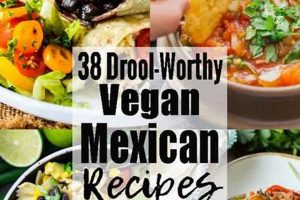
Plant-based cuisine within the San Francisco Bay Area comprises a diverse range of culinary options, catering to individuals who abstain from animal products. This dietary preference encompasses establishments offering meals prepared without meat, dairy, eggs, or honey. As an example, a restaurant in Berkeley might specialize in entirely plant-derived Mexican dishes, offering alternatives like jackfruit carnitas and cashew-based queso.
The significance of this culinary landscape stems from its contribution to sustainability efforts, reduced environmental impact, and promotion of animal welfare. Furthermore, it addresses the growing consumer demand for healthier food choices and accommodates various ethical and health-related considerations. The emergence of this culinary sector reflects a broader historical trend towards conscious consumption and dietary awareness within the region.
The subsequent sections will delve into the variety of restaurants, types of cuisines, the geographical distribution of establishments, and the evolving trends within the plant-based dining scene of this Northern California region.
Successfully exploring the region’s plant-based options requires careful planning and consideration. These guidelines enhance the dining experience and ensure satisfaction.
Tip 1: Utilize Online Resources. Platforms such as HappyCow and Yelp offer filters specifically for plant-based establishments and menus, allowing for targeted searches based on location and cuisine.
Tip 2: Confirm Ingredient Sourcing. Inquire about the origin of ingredients, especially for items like tofu or tempeh. Local, organic options often contribute to a superior culinary experience and support sustainable agriculture.
Tip 3: Explore Ethnic Cuisine. Many ethnic cuisines, such as Indian and Ethiopian, naturally feature a variety of plant-based dishes. Seeking out these options expands culinary horizons and often provides flavorful and affordable meals.
Tip 4: Investigate Dedicated Vegan Bakeries. Numerous dedicated vegan bakeries offer desserts and pastries free from animal products. These establishments provide excellent options for those with dietary restrictions or ethical considerations.
Tip 5: Read Restaurant Reviews Critically. Pay attention to comments regarding the availability of plant-based options, the knowledge of the staff about ingredients, and the overall satisfaction of diners with similar dietary needs.
Tip 6: Plan Ahead for Special Occasions. When dining out for celebrations, it is advisable to contact the restaurant in advance to discuss available options and ensure suitable plant-based choices are available.
Tip 7: Consider Farmers’ Markets and Local Produce. Utilizing farmers’ markets to purchase fresh, seasonal produce allows for preparing plant-based meals at home, fostering a connection to the local food system and promoting healthy eating habits.
Adhering to these suggestions facilitates a more rewarding and informed experience with plant-based dining throughout the area.
The concluding section will summarize the prominent aspects of the local plant-based culinary environment and consider potential future developments.
1. Diversity

The concept of culinary diversity is intrinsically linked to the plant-based food scene within the San Francisco Bay Area. This diversity manifests in various forms, ranging from the breadth of available cuisines to the innovative approaches employed in preparing plant-based dishes. The resulting richness elevates the region as a significant hub for those seeking alternatives to conventional animal-based meals.
- Cuisine Variety
The area showcases a remarkable range of culinary traditions, each adapted to accommodate plant-based diets. Examples include Ethiopian restaurants offering entirely plant-based platters of stews and injera, Vietnamese establishments serving pho with vegetable broths and tofu, and Mexican eateries providing tacos filled with plant-based proteins like jackfruit or mushrooms. This breadth of options ensures diners can experience a global array of flavors without consuming animal products.
- Ingredient Sourcing
Diversity extends to the origin and types of ingredients used in plant-based cuisine. The regions proximity to agricultural areas allows for sourcing a wide variety of seasonal fruits, vegetables, and grains. Additionally, local producers offer unique plant-based proteins like tempeh and seitan, contributing to the distinct character of the area’s plant-based dishes. The use of globally-sourced spices and ingredients further enhances the variety of flavors.
- Dietary Adaptations
The plant-based culinary environment caters to various dietary needs and preferences beyond strict abstinence from animal products. Many establishments offer gluten-free, soy-free, and nut-free options, ensuring inclusivity for individuals with allergies or sensitivities. The adaptability of chefs and restaurants to accommodate diverse dietary requirements reflects a commitment to serving a broad customer base.
- Restaurant Types
The region features a variety of restaurant formats specializing in or offering plant-based cuisine. These range from entirely plant-based fine dining establishments to casual cafes, food trucks, and restaurants with extensive vegan menus. This array of options allows consumers to choose based on budget, dining occasion, and preferred atmosphere.
In conclusion, the multifaceted nature of diversity within the San Francisco Bay Area’s plant-based food scene contributes to its vibrancy and appeal. The range of cuisines, ingredient sourcing practices, dietary adaptations, and restaurant types collectively establish the region as a leading destination for plant-based dining, catering to a broad spectrum of tastes and needs.
2. Accessibility

Accessibility constitutes a pivotal factor in evaluating the pervasiveness and impact of plant-based cuisine within the San Francisco Bay Area. The ease with which individuals can locate, afford, and consume plant-based meals dictates the extent to which this culinary sector can influence dietary habits and promote broader adoption of animal-free diets.
- Geographic Proximity
The density of plant-based establishments varies significantly across the region. Concentrations are notably higher in urban centers such as San Francisco, Berkeley, and Oakland, while suburban and rural areas may exhibit a relative scarcity of dedicated plant-based dining options. This geographical disparity affects the ease with which individuals can access plant-based meals depending on their location, necessitating reliance on transportation or meal preparation for those residing in less saturated areas.
- Menu Inclusivity in Conventional Restaurants
Accessibility extends beyond dedicated plant-based restaurants to include the availability of clearly marked options at conventional eateries. Restaurants that offer a selection of thoughtfully designed plant-based dishes cater to a broader audience and facilitate integration of plant-based meals into mainstream dining habits. The presence of such options reduces the need for specialized research or extensive menu inquiries.
- Pricing Considerations
The cost of plant-based meals can be a substantial barrier to accessibility for some segments of the population. While some plant-based ingredients are inherently inexpensive, specialized preparations or the use of premium ingredients can drive up prices. The availability of affordable plant-based options, such as those offered at fast-casual establishments or through community-supported agriculture programs, is crucial for ensuring equitable access.
- Information Transparency
Clear and readily available information about ingredients, preparation methods, and potential allergens enhances accessibility for individuals with dietary restrictions or concerns. Restaurants that proactively disclose detailed ingredient lists and nutritional information empower consumers to make informed choices and navigate plant-based menus with confidence. Online resources and review platforms also play a vital role in disseminating information and promoting transparency.
Collectively, geographic distribution, menu inclusivity, pricing, and transparency represent key determinants of accessibility within the region’s plant-based culinary ecosystem. Improving these elements will broaden the appeal and impact of plant-based eating, facilitating its adoption by a more diverse population and contributing to a more sustainable and equitable food system.
3. Sustainability

Sustainability represents a fundamental consideration within the plant-based culinary landscape of the San Francisco Bay Area. This emphasis reflects a commitment to minimizing environmental impact, supporting ethical agricultural practices, and fostering a resilient food system.
- Reduced Carbon Footprint
Plant-based diets inherently contribute to a smaller carbon footprint compared to those reliant on animal agriculture. Livestock production generates significant greenhouse gas emissions, deforestation for grazing land, and resource depletion. Embracing plant-based meals mitigates these environmental burdens, supporting regional and global efforts to combat climate change. Local restaurants often highlight this benefit, promoting dishes with reduced environmental effects.
- Water Conservation
Animal agriculture is a water-intensive industry, requiring substantial amounts of water for animal consumption, feed production, and processing. Transitioning to plant-based diets reduces the demand for water resources, particularly in drought-prone regions like California. Plant-based restaurants prioritize water-efficient practices, contributing to sustainable water management.
- Land Use Optimization
Plant-based agriculture generally requires less land compared to animal agriculture, allowing for more efficient use of arable land. This can lead to reforestation efforts, habitat restoration, and increased biodiversity. The plant-based sector of the Bay Area supports farms dedicated to plant-based crops, leading to minimized land-use impact.
- Ethical Sourcing and Local Agriculture
Sustainability extends to ethical considerations regarding animal welfare and fair labor practices. Many plant-based restaurants prioritize sourcing ingredients from local, organic farms that adhere to stringent ethical standards. Supporting local agriculture reduces transportation emissions, promotes regional food security, and fosters a more resilient food system.
The collective adoption of sustainable practices by plant-based establishments in the region contributes to a more environmentally responsible culinary ecosystem. This approach not only benefits the environment but also aligns with consumer values and preferences, driving demand for sustainable food options.
4. Innovation

The connection between innovation and plant-based cuisine in the San Francisco Bay Area is significant. Culinary innovation is a driving force behind the evolution and increasing popularity of plant-based diets. A direct cause-and-effect relationship exists: demand for varied and appealing plant-based options spurs culinary professionals to develop novel techniques and ingredients, thereby enriching the area’s plant-based food scene. Innovation is not merely a trend but a vital component sustaining the momentum of plant-based dining.
Examples illustrating innovation in this sector include the development of plant-based alternatives that mimic the textures and flavors of animal products. Companies such as Impossible Foods and Beyond Meat, both with a strong presence in the Bay Area, have revolutionized the market with plant-based burgers that closely resemble beef. Local chefs and restaurants are further enhancing the dining experience by experimenting with fermentation techniques, utilizing previously underutilized ingredients, and creating entirely new dishes that highlight the versatility of plant-based ingredients. This can be seen in the proliferation of plant-based seafood alternatives and the creative use of aquafaba (chickpea brine) in vegan desserts.
Understanding the role of innovation provides insights into the future trajectory of plant-based eating. Continued advancements in food technology and culinary arts will likely lead to even more diverse and appealing plant-based options. However, challenges remain, including ensuring affordability and accessibility of these innovations and addressing consumer concerns regarding processed ingredients. The practical significance lies in recognizing that ongoing innovation is essential for fostering broader acceptance and integration of plant-based diets into mainstream culinary culture within the San Francisco Bay Area and beyond.
5. Community
The concept of community is intrinsically linked to the plant-based food landscape of the San Francisco Bay Area, fostering a network of individuals and organizations connected by shared values and dietary preferences. This interconnectedness shapes the consumption, production, and promotion of plant-based cuisine within the region.
- Support Networks and Social Groups
The Bay Area supports a robust network of formal and informal groups centered on plant-based eating. These include vegan meetups, potlucks, and online forums. These groups offer a space for sharing recipes, restaurant recommendations, and moral support, especially valuable for individuals new to plant-based diets. Such networks foster a sense of belonging and facilitate the exchange of knowledge.
- Collaboration Among Businesses
Collaboration among plant-based businesses strengthens the local economy and amplifies the reach of this culinary sector. Examples include cross-promotional events, joint marketing campaigns, and shared sourcing initiatives. Independent plant-based restaurants often partner with local farms and producers, reinforcing a community-driven supply chain and promoting regional sustainability.
- Activism and Advocacy
The community is actively involved in promoting plant-based diets through advocacy and activism. Organizations engage in outreach efforts, educational programs, and campaigns to raise awareness about the environmental, ethical, and health benefits of plant-based eating. These efforts contribute to a broader societal shift towards greater acceptance and adoption of plant-based choices, creating a positive feedback loop within the local plant-based community.
- Educational Initiatives
Numerous educational initiatives exist within the Bay Area aimed at promoting plant-based cooking and nutrition. Cooking classes, workshops, and educational events are regularly offered, providing individuals with the skills and knowledge to prepare plant-based meals at home and navigate the nutritional aspects of a plant-based diet. These initiatives empower individuals to make informed dietary choices and contribute to a more knowledgeable and engaged community.
These community-driven elements significantly influence the character and growth of the plant-based food scene. By fostering connection, collaboration, and education, the San Francisco Bay Area has cultivated a thriving ecosystem that supports and promotes plant-based eating. This interconnectedness underscores the importance of community in shaping dietary trends and advancing sustainable food systems.
6. Health

The prevalence of plant-based cuisine in the San Francisco Bay Area directly correlates with a heightened awareness of dietary impacts on health. Plant-based diets, when well-planned, offer several potential health advantages. The availability of diverse plant-based options in this region caters to individuals seeking to manage or mitigate various health conditions through dietary modification.
- Cardiovascular Health
Plant-based diets, often lower in saturated fat and cholesterol, can contribute to improved cardiovascular health. Studies indicate that reduced consumption of animal products correlates with lower blood pressure, improved cholesterol levels, and a decreased risk of heart disease. Plant-based restaurants in the Bay Area frequently offer menus featuring heart-healthy ingredients such as whole grains, legumes, and unsaturated fats.
- Weight Management
Plant-based diets, typically rich in fiber and lower in caloric density, may facilitate weight management. The increased satiety provided by fiber-rich foods can aid in appetite control and reduce overall calorie intake. Many Bay Area establishments provide calorie-conscious plant-based options and promote healthy portion sizes, supporting weight management goals.
- Diabetes Management
A well-planned plant-based diet can be a valuable tool in managing type 2 diabetes. Plant-based meals often have a lower glycemic index, leading to more stable blood sugar levels. The high fiber content can improve insulin sensitivity. Plant-based eateries in the region offer carbohydrate-conscious options, incorporating complex carbohydrates and limiting processed sugars.
- Cancer Prevention
Some research suggests that plant-based diets, abundant in fruits, vegetables, and whole grains, may reduce the risk of certain types of cancer. The antioxidant and anti-inflammatory compounds found in plant foods can protect cells from damage. Plant-based restaurants in the Bay Area often emphasize the use of fresh, seasonal produce, maximizing nutrient intake and potentially contributing to cancer prevention efforts.
The emphasis on health within the plant-based food environment of the San Francisco Bay Area extends beyond mere dietary restrictions. It promotes a holistic approach to well-being, integrating nutritious ingredients and mindful preparation techniques to support overall health outcomes. These elements contribute to the regions reputation as a hub for health-conscious individuals seeking to optimize their diets through plant-based choices.
7. Ethics

Ethical considerations form a cornerstone of the plant-based food movement in the San Francisco Bay Area. Abstinence from animal products in this region is frequently motivated by concerns regarding animal welfare, environmental stewardship, and social justice. The ethical dimension is not merely a dietary preference but a deeply held value that shapes consumer choices and business practices within the plant-based sector. The causal relationship is clear: ethical concerns drive demand for plant-based options, and this demand, in turn, fuels the growth of plant-based businesses in the area. For example, many restaurants prominently feature their commitment to animal welfare and sustainable sourcing practices, appealing directly to ethically conscious consumers. This demonstrates the practical significance of acknowledging and addressing ethical considerations within the plant-based market.
The importance of ethical considerations extends beyond individual consumer choices. The plant-based sector provides an alternative economic model that challenges traditional animal agriculture practices. Companies and restaurants prioritize fair labor practices, offering employees competitive wages and benefits. Furthermore, many plant-based businesses actively support animal sanctuaries and environmental organizations, channeling a portion of their profits towards causes aligned with their ethical values. A concrete example is a local bakery that donates a percentage of its sales to an animal rescue organization, fostering a direct link between consumer purchases and tangible support for animal welfare. This highlights the potential for plant-based businesses to contribute positively to both the local community and broader ethical objectives.
While the ethical motivations behind plant-based eating are often clear, challenges remain. Ensuring transparency in the supply chain and avoiding exploitation of labor in the production of plant-based ingredients are crucial. The increasing demand for certain plant-based foods, such as avocados and quinoa, can also have unintended consequences, including environmental degradation and displacement of local communities in producing regions. These challenges underscore the need for ongoing critical evaluation of the ethical implications of plant-based food systems. Ultimately, a commitment to ethics must extend beyond the avoidance of animal products and encompass a broader concern for social and environmental responsibility. It is this holistic approach that will ensure the long-term sustainability and ethical integrity of the plant-based food movement in the San Francisco Bay Area.
Frequently Asked Questions
The following section addresses common inquiries regarding plant-based dining options within the San Francisco Bay Area, providing clarity and concise answers to frequently raised concerns.
Question 1: What distinguishes a plant-based restaurant from a vegetarian restaurant in this region?
A plant-based restaurant exclusively serves food derived from plant sources, excluding all animal products, including dairy, eggs, and honey. A vegetarian restaurant, while omitting meat, may include dairy and eggs in its menu offerings.
Question 2: How can one locate exclusively plant-based establishments in the San Francisco Bay Area?
Online resources, such as HappyCow and dedicated search filters on Yelp, provide directories of exclusively plant-based restaurants. Utilizing specific keywords, such as “vegan,” when searching online is also effective.
Question 3: Are plant-based options readily available in conventional restaurants throughout the region?
Availability varies significantly. While some conventional restaurants offer dedicated plant-based menus or clearly marked options, others may have limited or no plant-based choices. Reviewing menus online beforehand is advisable.
Question 4: Are plant-based meals generally more expensive compared to conventional meals in the Bay Area?
The cost of plant-based meals can fluctuate depending on the establishment and ingredients utilized. Some plant-based options are competitively priced, while specialized or gourmet preparations may command a higher cost. Exploring diverse restaurant types can reveal budget-friendly choices.
Question 5: How does the local plant-based food scene contribute to environmental sustainability?
The emphasis on local sourcing, reduced reliance on animal agriculture, and waste reduction initiatives within the plant-based sector promotes environmental sustainability. Plant-based diets generally have a lower carbon footprint and reduced water usage compared to meat-centric diets.
Question 6: What measures are in place to ensure accurate labeling of plant-based ingredients and allergen information?
While regulations may vary, reputable plant-based establishments prioritize transparent ingredient labeling and allergen information. Contacting the restaurant directly to inquire about specific ingredients is recommended, especially for individuals with allergies or sensitivities.
These answers provide a foundation for navigating plant-based dining in the region. Further exploration and inquiry can enhance individual experiences within this evolving culinary landscape.
The following section will summarize the prominent aspects of the local plant-based culinary environment and consider potential future developments.
Vegan Food Bay Area
This exploration of vegan food bay area has revealed a complex and multifaceted culinary landscape. The region’s plant-based dining scene is characterized by its diversity of cuisines, accessibility for consumers, commitment to sustainable practices, and ongoing innovation. Community support, health considerations, and ethical motivations further define this sector, reflecting a confluence of dietary preferences and philosophical values.
The future trajectory of vegan food bay area hinges on continued advancements in culinary techniques, transparent sourcing practices, and equitable pricing models. As consumer awareness grows and dietary habits evolve, the region’s plant-based food environment is poised to exert an increasing influence on culinary trends and contribute to a more sustainable and ethical food system. Its ongoing development merits continued observation and critical engagement.