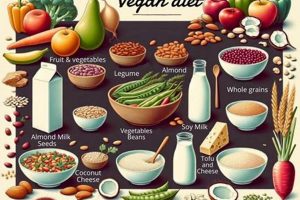
Plant-based cuisine options within the context of a Mexican eatery are the focus. These menu items exclude all animal products, including meat, dairy, and eggs, and rely on ingredients like beans, rice, vegetables, and plant-based protein substitutes. Examples include bean burritos (without cheese or sour cream), vegetable fajitas, and dishes featuring tofu or tempeh prepared with Mexican spices and sauces.
The increasing demand for alternatives in dining reflects a broader shift toward conscious consumerism and dietary inclusivity. Historically, traditional dishes were heavily reliant on animal products. However, culinary innovation and awareness of dietary needs are leading to wider availability and acceptance. Benefits range from catering to specific dietary requirements to offering environmentally sustainable choices.
The following sections will delve into the specifics of available dishes, common ingredient substitutions, challenges in preparation, and strategies for navigating a menu to identify suitable options, providing a comprehensive understanding of enjoying a plant-based meal in this culinary setting.
The following guidance assists individuals seeking plant-based meal options within the context of Mexican cuisine. These recommendations emphasize careful menu evaluation and proactive communication with restaurant staff.
Tip 1: Scrutinize Ingredient Lists. Carefully examine menu descriptions. Many dishes may appear vegetarian but contain hidden animal products, such as lard in refried beans or chicken broth in rice.
Tip 2: Request Ingredient Modifications. Do not hesitate to request alterations to existing dishes. Removing cheese, sour cream, or other dairy-based toppings is often a simple modification.
Tip 3: Inquire About Cooking Methods. Verify that vegetables are not cooked with animal fats or broths. Request that they be prepared with vegetable oil or water.
Tip 4: Focus on Bean-Based Dishes. Bean burritos, tacos, or tostadas are typically plant-based if dairy products are omitted. Confirm the composition of the beans.
Tip 5: Explore Vegetable Fajitas. Fajitas featuring grilled vegetables offer a customizable and inherently plant-based option. Ensure that the accompanying tortillas are not made with lard.
Tip 6: Seek Out Guacamole and Salsas. Guacamole and most salsas are naturally plant-based and provide flavorful accompaniments. Confirm that no dairy products have been added.
Tip 7: Call ahead and Ask. Call before you arrive and ask to talk to chef or manager, to make sure there is possibility to have vegan options.
Adhering to these guidelines will enhance the likelihood of a successful and satisfying plant-based dining experience. Thoughtful menu evaluation and clear communication are essential.
The subsequent section will address specific challenges and considerations related to plant-based meal preparation in this culinary environment.
1. Ingredient Substitution

Ingredient substitution is paramount in the adaptation of traditional Mexican dishes to meet plant-based dietary needs. The successful modification of menu items hinges on the creative and informed replacement of animal-derived components with plant-based alternatives, maintaining culinary integrity while adhering to dietary restrictions.
- Dairy Replacements
Dairy products, such as cheese, sour cream, and milk, are frequently used in Mexican cuisine. Plant-based substitutes include nut-based cheeses (cashew or almond), tofu-based sour cream, and plant-based milks. The efficacy of these replacements depends on their ability to replicate the texture and flavor profile of the original dairy product. Improper substitution can significantly alter the dish’s taste and presentation.
- Animal Fat Alternatives
Lard, commonly used in the preparation of refried beans and tortillas, requires replacement with vegetable oil or other plant-based fats. This substitution is critical not only for dietary compliance but also for the overall health profile of the dish. The choice of replacement fat can influence the texture and taste of the final product, necessitating careful selection.
- Meat Analogues
Dishes traditionally containing meat, such as tacos or enchiladas, can be adapted using plant-based meat substitutes like textured vegetable protein (TVP), tofu, tempeh, or mushrooms. The seasoning and preparation of these meat analogues are vital to replicating the flavor and texture of the original meat, ensuring a satisfying culinary experience. Over-processed substitutes should be avoided.
- Egg Replacements
Eggs can be replaced in many baking and binding applications with flax eggs (flaxseed meal mixed with water), mashed banana, or commercial egg replacers. These can be important for dishes like Chile Rellenos if the batter traditionally contains egg. The texture and overall result may vary by recipe.
The strategic and informed application of these substitutions is essential for ensuring the availability of palatable and authentic plant-based options within the context of Mexican dining. Careful consideration of flavor profiles and cooking techniques is crucial to delivering a satisfying culinary experience that adheres to the requirements of a plant-based diet.
2. Menu Interpretation

Menu interpretation is a critical skill for individuals seeking plant-based meal options within Mexican restaurants. The ability to accurately decipher menu descriptions and identify potential hidden animal products is essential for dietary adherence and a positive dining experience.
- Hidden Ingredients Identification
Many Mexican dishes contain ingredients not explicitly listed on the menu, such as lard in refried beans, chicken broth in rice, or dairy in sauces. Accurate interpretation requires vigilance and the ability to recognize potentially non-plant-based components. Failure to identify these hidden ingredients can lead to inadvertent consumption of animal products.
- Ambiguous Terminology Clarification
Menu descriptions often employ vague terminology, such as “vegetable medley” or “house sauce,” which may not clearly indicate the presence or absence of animal products. Clarifying ambiguous terms with restaurant staff is crucial. Assuming a dish is plant-based based solely on its name can be misleading.
- Ingredient Modification Assessment
Evaluating the feasibility of modifying existing dishes to remove animal products is an important aspect of menu interpretation. Determining whether a dish can be prepared without cheese, sour cream, or other non-plant-based ingredients requires careful consideration of the dish’s composition and the restaurant’s willingness to accommodate requests. Not all dishes are easily modified.
- Cross-Contamination Awareness
Menu descriptions typically do not address the risk of cross-contamination during food preparation. Plant-based dishes may be prepared on the same surfaces or with the same utensils as meat-containing items. Individuals with strict dietary requirements must inquire about cross-contamination prevention measures. This consideration extends beyond the listed ingredients.
Effective menu interpretation is an ongoing process that combines careful reading, proactive inquiry, and a thorough understanding of Mexican cuisine. The ability to accurately assess menu options and potential modifications is essential for a successful and satisfying dining experience.
3. Cross-Contamination Risks

Cross-contamination presents a significant challenge to ensuring the integrity of plant-based food in Mexican restaurants. The shared use of cooking surfaces, utensils, and fryers can inadvertently introduce animal products into dishes intended to be free of them. For example, vegetables grilled on a surface previously used for meat, or plant-based items fried in oil that has also been used for breaded chicken, represent common sources of contamination. Individuals adhering to strict plant-based diets must be acutely aware of these risks, as even trace amounts of animal products are unacceptable.
The potential for cross-contamination necessitates proactive communication with restaurant staff. Diners should explicitly inquire about the kitchen’s procedures for preventing contamination and request that their food be prepared separately from animal products. Some establishments may be able to accommodate these requests, while others may lack the necessary infrastructure or training. Consider the instance of refried beans prepared on a griddle used for cooking meat, where residual animal fat could contaminate the plant-based dish. Similarly, the use of shared cutting boards poses a risk, emphasizing the need for dedicated surfaces and utensils.
Ultimately, understanding and mitigating cross-contamination risks is essential for reliably obtaining plant-based food in Mexican restaurants. While ingredient awareness is important, it is insufficient without addressing the potential for contamination during preparation. Diners must exercise diligence in their inquiries and choose establishments that demonstrate a commitment to accommodating dietary restrictions. The challenges of cross-contamination highlight the need for greater transparency and standardization in food handling practices within the restaurant industry.
4. Flavor Profile Adaptation

Flavor profile adaptation constitutes a critical element in the successful execution of plant-based dishes within Mexican cuisine. Traditional Mexican flavors are often derived from animal products, necessitating creative modifications to achieve comparable taste experiences using plant-based ingredients. The cause-and-effect relationship is evident: failure to adapt flavor profiles adequately results in dishes that lack the authenticity and complexity expected of Mexican cuisine, diminishing customer satisfaction and potentially undermining the appeal of plant-based options.
The importance of flavor adaptation is underscored by the widespread use of animal fats and broths in traditional Mexican recipes. Consider the deep, savory flavor imparted by lard in refried beans. A plant-based version requires careful seasoning with spices like cumin, chili powder, and smoked paprika, along with umami-rich ingredients like mushrooms or roasted vegetables, to compensate for the missing animal fat. Similarly, the richness of mole sauces, often built on chicken or beef broth, can be replicated using vegetable broth fortified with toasted nuts, seeds, and dried chiles. The practical significance of this understanding lies in the ability to offer plant-based dishes that are not merely substitutes, but compelling culinary experiences in their own right.
Flavor profile adaptation presents challenges, particularly in recreating the nuances of certain traditional dishes. However, through thoughtful experimentation with spices, herbs, and plant-based ingredients, chefs can create plant-based Mexican meals that are both authentic in spirit and satisfying in taste. The successful integration of flavor adaptation is pivotal in expanding the accessibility and appeal of Mexican cuisine to individuals seeking plant-based options.
5. Nutritional Completeness

The achievement of nutritional completeness represents a significant consideration when consuming plant-based meals within the context of Mexican restaurants. Traditional Mexican cuisine, while flavorful, may not inherently provide all essential nutrients in sufficient quantities when animal products are excluded. Consequently, careful meal planning and ingredient selection are crucial to ensure that plant-based options deliver adequate protein, vitamins, minerals, and essential fatty acids. A bean and rice burrito, for example, while a common choice, may lack sufficient vitamin B12 (found primarily in animal products) or omega-3 fatty acids without strategic supplementation or the inclusion of other nutrient-rich ingredients.
Plant-based diners at Mexican establishments should prioritize dishes that incorporate a variety of whole foods, such as legumes, vegetables, whole grains, nuts, and seeds. These ingredients, when combined thoughtfully, can provide a more balanced nutritional profile. For instance, a vegetable fajita platter, if supplemented with beans, avocado, and a variety of colorful vegetables, offers a more complete range of nutrients than a simple rice and bean dish. Furthermore, awareness of potential nutrient deficiencies is vital. Vitamin B12 supplementation, the inclusion of fortified foods, or the consumption of nutritional yeast are often necessary to meet daily requirements. Similarly, incorporating chia seeds or flax seeds provides a source of omega-3 fatty acids, which are often lacking in standard plant-based fare. Careful attention to portion sizes and the specific nutrient content of each dish contributes to achieving nutritional completeness.
In summary, while Mexican restaurants can offer a variety of palatable plant-based options, ensuring nutritional completeness requires proactive planning and informed food choices. Addressing potential nutrient deficiencies through strategic ingredient selection, supplementation, or fortification is essential for maintaining optimal health. Plant-based dining should not be viewed solely as a means of avoiding animal products but also as an opportunity to consume a diverse and nutrient-rich diet. The ability to construct nutritionally balanced meals from the available options is a key factor in the long-term sustainability and health benefits of plant-based diets.
6. Dietary Customization

Dietary customization represents a cornerstone of the accessibility and appeal of plant-based options within Mexican restaurants. The inherent flexibility of many Mexican dishes lends itself to adaptation, enabling diners to modify menu items to align with plant-based dietary restrictions. This customization, driven by customer demand and culinary innovation, directly impacts the availability and variety of plant-based choices. The ability to request ingredient substitutions, such as omitting cheese or sour cream, or replacing meat with plant-based proteins, is crucial for transforming standard menu items into compliant and palatable options. This adaptability stems from the layered construction of many Mexican dishes, where components can be added, removed, or substituted without fundamentally altering the dish’s core character. For example, a bean burrito, readily available in most Mexican restaurants, can be transformed into a plant-based meal by omitting cheese and sour cream, demonstrating the direct impact of dietary customization.
The practical significance of dietary customization extends beyond simple ingredient omissions. It necessitates clear communication between restaurant staff and patrons regarding dietary requirements and ingredient compositions. Restaurants that actively accommodate dietary customization often develop a deeper understanding of plant-based cuisine and may create entirely new menu items to cater to this growing market segment. Consider the example of a restaurant proactively offering grilled vegetables as a meat substitute in fajitas or enchiladas. This demonstrates a commitment to dietary inclusivity and enhances the dining experience for individuals with plant-based restrictions. The absence of dietary customization severely limits plant-based dining options, restricting choices to a narrow selection of inherently plant-based dishes and excluding the potential for adapting more complex or flavorful menu items.
In conclusion, dietary customization is a key factor in expanding the possibilities for plant-based meals within Mexican restaurants. The ability to adapt menu items to align with plant-based requirements allows for a greater variety of choices and enhances the overall dining experience. Restaurants that embrace dietary customization demonstrate a commitment to inclusivity and cater to a broader range of dietary needs, fostering a more positive and accessible environment for plant-based diners. The continued emphasis on dietary customization will drive further innovation and broaden the scope of plant-based options within the realm of Mexican cuisine, ultimately contributing to a more diverse and inclusive culinary landscape.
Frequently Asked Questions
The following addresses common inquiries regarding the availability, preparation, and nutritional aspects of plant-based food options at Mexican restaurants.
Question 1: Are refried beans at Mexican restaurants typically plant-based?
Refried beans often contain lard, an animal fat. It is essential to confirm with restaurant staff whether the refried beans are prepared without lard.
Question 2: How can cross-contamination of plant-based dishes be avoided in a restaurant kitchen?
Specify the need for separate preparation surfaces and utensils to restaurant staff. Inquire about measures taken to prevent cross-contamination with animal products.
Question 3: What are common animal-derived ingredients to watch out for on Mexican restaurant menus?
Lard, cheese, sour cream, chicken broth, and gelatin are frequently used. Scrutinize ingredient lists and inquire about potentially hidden animal products.
Question 4: Is it possible to obtain sufficient protein from plant-based options at a Mexican restaurant?
Yes, dishes featuring beans, lentils, tofu, or tempeh provide significant protein. Combine these with whole grains for a complete protein source.
Question 5: How can the nutritional value of a plant-based meal at a Mexican restaurant be enhanced?
Incorporate a variety of vegetables, whole grains, nuts, and seeds. Consider supplementation with vitamin B12 if dietary intake is insufficient.
Question 6: Can existing menu items be modified to accommodate a plant-based diet?
Many dishes can be adapted by omitting cheese, sour cream, or meat. Request substitutions and verify that modifications adhere to plant-based principles.
The information provided offers practical guidance for navigating plant-based dining at Mexican establishments.
The subsequent section will present strategies for effectively communicating dietary requirements to restaurant staff.
Conclusion
The exploration of vegan food at mexican restaurant reveals the complexities and nuances of navigating a traditionally meat and dairy-centric cuisine. The preceding analysis underscores the importance of ingredient awareness, proactive communication, and culinary adaptation in ensuring a satisfying and nutritionally complete plant-based dining experience. Key considerations include scrutinizing ingredient lists, requesting ingredient modifications, and mitigating the risks of cross-contamination.
The sustained growth of plant-based diets necessitates ongoing collaboration between diners and restaurant establishments to expand the availability and enhance the quality of vegan options. A continued emphasis on culinary innovation and transparency in food preparation practices will contribute to a more inclusive and sustainable culinary landscape, enabling individuals to confidently enjoy the diverse flavors of Mexican cuisine while adhering to their dietary principles.