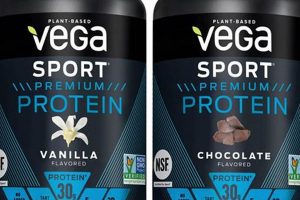
The central topic concerns two prominent sources of dietary protein: one derived from dairy, and the other from plant-based ingredients. The former is a byproduct of cheese production, while the latter is typically formulated from a combination of sources such as soy, pea, rice, and hemp. These protein sources serve as dietary supplements often used by athletes and individuals seeking to increase their protein intake.
The significance of understanding the distinctions between these two categories lies in their varied nutritional profiles, digestibility, and ethical considerations. Dairy-derived protein has historically been favored for its complete amino acid profile and rapid absorption rate. However, increasing awareness of lactose intolerance, environmental impact, and personal dietary preferences has led to a surge in the popularity and availability of plant-based alternatives. This shift underscores a broader trend toward more sustainable and inclusive dietary practices.
The following analysis will delve into the specific characteristics of each protein source, examining their amino acid composition, potential benefits and drawbacks, and their respective roles in supporting muscle growth, weight management, and overall health. This exploration aims to provide a balanced perspective, enabling informed decision-making regarding protein supplementation strategies.
Practical Considerations for Protein Source Selection
Optimizing protein intake necessitates considering individual needs and circumstances. The following guidelines provide practical advice when evaluating protein options derived from dairy or plant-based sources.
Tip 1: Assess Individual Dietary Needs: Determine daily protein requirements based on activity level, body weight, and health goals. Consulting a registered dietitian or nutritionist can provide personalized recommendations.
Tip 2: Evaluate Amino Acid Profiles: Ensure that chosen protein sources provide a complete array of essential amino acids, particularly if relying solely on plant-based options. Consider combining different plant sources to achieve a more balanced amino acid intake.
Tip 3: Consider Digestibility and Tolerance: Some individuals may experience digestive discomfort from dairy-based protein due to lactose intolerance. Plant-based alternatives may offer improved digestibility for sensitive individuals.
Tip 4: Review Ingredient Lists Carefully: Scrutinize product labels for added sugars, artificial sweeteners, and other undesirable ingredients. Opt for minimally processed options with transparent ingredient sourcing.
Tip 5: Understand Environmental Impact: Acknowledge that plant-based protein sources generally have a lower environmental footprint compared to dairy-based options. Consider the sustainability aspects of each choice.
Tip 6: Factor in Allergen Considerations: Be mindful of potential allergens. Dairy-based protein poses risks for individuals with dairy allergies, while soy-based protein may be problematic for those with soy allergies. Carefully review labels and consider alternative protein sources if necessary.
Tip 7: Evaluate Cost-Effectiveness: Compare the cost per serving of different protein sources, factoring in serving size and protein content. Plant-based options are sometimes, but not always, more economical.
Careful evaluation of individual needs, product composition, and external factors such as environmental impact and cost enables a more informed and effective approach to protein supplementation.
The succeeding sections will present a concise overview, emphasizing the critical aspects previously addressed, thereby concluding the detailed examination.
1. Amino Acid Profile

The amino acid profile is a primary differentiator between whey and vegan protein sources, directly influencing their biological value and effectiveness in supporting physiological processes. Whey protein, derived from dairy, is generally considered a complete protein, meaning it contains all nine essential amino acids in sufficient quantities. These essential amino acids cannot be synthesized by the human body and must be obtained through dietary sources. The presence of a full complement of essential amino acids is critical for muscle protein synthesis, tissue repair, and various metabolic functions.
Vegan protein sources, on the other hand, often require careful consideration to ensure a complete amino acid profile. Single-source vegan proteins, such as rice protein, may be deficient in certain essential amino acids, such as lysine. To address this, vegan protein blends often combine multiple plant-based sources, such as pea, brown rice, and soy, to create a more comprehensive amino acid profile. For example, a blend of pea and rice protein can provide a complementary amino acid profile, with pea protein rich in lysine and rice protein rich in methionine. However, it’s essential to note that even with careful blending, the amino acid profile of vegan proteins may not perfectly mirror that of whey protein in terms of the precise ratios of each amino acid.
The practical significance of understanding the amino acid profile lies in optimizing protein intake for specific goals. For individuals seeking to maximize muscle growth or recovery, the complete amino acid profile of whey protein may offer a slight advantage. However, well-formulated vegan protein blends can still effectively support these goals, provided they are consumed in adequate quantities and combined strategically with other dietary sources. Ultimately, the choice between whey and vegan protein based on amino acid profile depends on individual dietary needs, preferences, and the overall composition of the diet.
2. Digestibility Factors

Digestibility significantly influences the efficacy of protein supplementation. The differing structures and compositions inherent in whey and vegan protein sources lead to variations in how efficiently the body can break them down and absorb their constituent amino acids. Whey protein, particularly whey protein isolate, is known for its rapid digestion and absorption. This is attributable to its relatively simple protein structure and the presence of enzymes in the small intestine that readily hydrolyze it into smaller peptides and amino acids. This rapid assimilation is often favored post-exercise to promote muscle recovery and protein synthesis by quickly delivering amino acids to muscle tissues. Individuals with certain gastrointestinal conditions, however, may experience discomfort due to lactose content in some whey concentrates, underscoring the importance of considering individual tolerances.
Vegan protein sources, derived from plants such as soy, pea, rice, and hemp, exhibit more complex digestive profiles. The presence of fiber, phytates, and other anti-nutritional factors can impede protein digestion and absorption. For instance, the trypsin inhibitors found in raw soybeans can hinder protein digestion unless properly processed. Therefore, appropriate processing techniques, such as heat treatment and enzyme supplementation, are crucial to enhance the digestibility and bioavailability of vegan proteins. Pea protein isolate, for example, undergoes processing to remove much of its fiber and anti-nutritional factors, resulting in improved digestibility compared to raw peas. The rate of digestion for most vegan proteins is generally slower than that of whey, which can provide a sustained release of amino acids over a longer period, potentially benefiting individuals seeking prolonged satiety or those with impaired glucose tolerance. Real-world examples include athletes who prefer vegan protein blends for sustained energy or individuals with lactose intolerance who find plant-based options easier to digest.
In summary, digestibility plays a critical role in determining the utility of different protein sources. While whey protein offers rapid assimilation, its potential for causing digestive issues in some individuals necessitates consideration of alternative protein options. Vegan protein sources, while often requiring more processing to enhance digestibility, present viable alternatives for those with dietary restrictions or preferences, offering a slower, more sustained release of amino acids. The choice between whey and vegan protein should therefore be guided by individual digestive tolerances, dietary requirements, and overall health goals, ensuring that the selected protein source is effectively utilized by the body to meet its protein needs.
3. Allergen Potential
The allergenic potential represents a significant point of divergence between whey and vegan protein sources, directly influencing their suitability for diverse populations. Whey protein, being a dairy derivative, inherently poses an allergy risk for individuals with cow’s milk allergy. The primary allergens in whey include casein and beta-lactoglobulin, eliciting immune responses that can range from mild gastrointestinal discomfort to severe anaphylactic reactions. In individuals with lactose intolerance, while not an allergy, the lactose content in whey concentrates can trigger digestive symptoms, further limiting its accessibility. The implications are substantial, as even trace amounts of whey in processed foods can trigger allergic reactions in sensitive individuals. The practical significance lies in the necessity for meticulous ingredient label reading and awareness of cross-contamination risks during food production.
Vegan protein sources, while eliminating dairy-related allergens, introduce alternative allergenic possibilities. Soy protein, a common ingredient in vegan protein powders, is a well-recognized allergen, capable of inducing allergic reactions in susceptible individuals. Other vegan protein sources, such as pea protein and certain grain-based proteins, are emerging as potential allergens, although their prevalence is generally lower than that of soy or dairy. The increasing popularity of plant-based diets necessitates a heightened awareness of these alternative allergens and the importance of clear labeling practices. Real-life examples include instances where individuals unknowingly consumed vegan protein bars containing soy, leading to allergic reactions due to inadequate labeling or cross-reactivity.
In summary, allergen potential is a critical consideration when choosing between whey and vegan protein. Whey presents a risk to individuals with dairy allergies or lactose intolerance, while vegan sources introduce soy and other plant-based allergens. Effective management of allergenic risks requires thorough ingredient awareness, proper labeling, and understanding of individual sensitivities. The challenge lies in ensuring that all protein supplements are clearly labeled with accurate allergen information, allowing individuals to make informed choices that safeguard their health and well-being. This understanding contributes to the broader theme of personalized nutrition, where dietary choices are tailored to individual needs and tolerances.
4. Environmental Impact

Environmental impact is a significant differentiator between whey and vegan protein sources. The production methods associated with each protein type have distinct ecological footprints that warrant careful consideration. Evaluating these impacts contributes to informed dietary choices aligned with sustainability goals.
- Land Use
Livestock farming, the source of whey protein, demands extensive land for grazing and feed production. Deforestation to create pastureland contributes to habitat loss and reduced carbon sequestration. Conversely, vegan protein sources, such as soy and pea, generally require less land per unit of protein produced, though land-use practices vary depending on crop type and agricultural management.
- Greenhouse Gas Emissions
Dairy farming is a substantial contributor to greenhouse gas emissions, primarily through methane released by livestock and nitrous oxide from fertilizer use. Transportation and processing of dairy products further add to the carbon footprint. Vegan protein production typically generates fewer greenhouse gases, although transportation and processing considerations remain relevant factors.
- Water Consumption
Water usage in dairy farming is considerable, encompassing irrigation for feed crops, animal consumption, and cleaning processes. Certain vegan protein crops, particularly those grown in arid regions, may also have high water demands. Analyzing water footprint involves assessing both direct and indirect water usage throughout the production chain.
- Pollution
Manure from dairy farms can lead to water pollution through nutrient runoff, impacting aquatic ecosystems. Over-application of fertilizers in feed crop production also contributes to water pollution. Vegan protein production, if not managed sustainably, can also contribute to pollution through pesticide and fertilizer use, highlighting the importance of responsible agricultural practices.
These facets of environmental impact demonstrate that the choice between whey and vegan protein extends beyond nutritional considerations. Selecting protein sources with lower ecological footprints supports sustainable food systems and mitigates environmental degradation. Further research and improved agricultural practices are essential to minimizing the environmental consequences of both whey and vegan protein production.
5. Cost Comparison
Evaluating the financial implications associated with acquiring protein from various sources is fundamental to informed dietary planning. The subsequent analysis explores the cost dynamics inherent in choosing between whey and vegan protein, examining relevant factors influencing pricing and overall value.
- Raw Material Costs
The underlying expense of the raw materials from which these proteins are derived significantly impacts the final cost. Whey protein production is intertwined with dairy farming, where feed costs, animal maintenance, and processing expenses collectively contribute to the raw material price. Vegan protein sources, such as soy, pea, and rice, exhibit varying raw material costs depending on crop yields, market demand, and agricultural subsidies. Instances of drought or supply chain disruptions can substantially alter raw material prices, affecting the overall cost-effectiveness of vegan protein options.
- Processing and Manufacturing
Transforming raw materials into consumable protein supplements involves distinct processing methods that influence manufacturing costs. Whey protein undergoes filtration, concentration, and drying to produce various forms, such as concentrate, isolate, and hydrolysate. Vegan protein extraction and isolation processes involve mechanical separation, enzyme treatment, and purification steps, each contributing to the overall expense. Advanced filtration technologies and specialized manufacturing processes can elevate the cost of both whey and vegan protein products, influencing the consumer price.
- Retail Pricing and Market Dynamics
Retail pricing reflects a combination of production costs, marketing expenses, brand positioning, and competitive pressures. Whey protein has historically benefited from established distribution networks and economies of scale, often resulting in competitive pricing. However, the increasing demand for vegan protein alternatives has driven market competition, leading to a wider range of price points and promotional offers. Premium vegan protein formulations, incorporating organic ingredients or specialized processing methods, may command higher retail prices compared to standard whey protein products.
- Serving Size and Protein Content
Direct cost comparisons necessitate analyzing the protein content per serving and adjusting for differences in serving size recommendations. Some protein supplements may require larger serving sizes to deliver comparable amounts of protein, effectively increasing the per-serving cost. Evaluating the price per gram of protein allows for a more standardized comparison, factoring in variations in protein concentration and serving suggestions. Calculating the cost per unit of protein helps consumers assess the true value proposition of different whey and vegan protein products.
These cost-related facets underscore the complexities involved in selecting protein sources. While whey protein has traditionally enjoyed a cost advantage, evolving market dynamics and technological advancements are narrowing the price gap. Informed consumers consider raw material costs, processing methods, retail pricing, and protein content to optimize their protein supplementation strategy, aligning their choices with both dietary needs and budgetary constraints.
6. Bioavailability Differences

The bioavailability differences between whey and vegan protein sources constitute a critical aspect of their comparative analysis, influencing the efficiency with which the body can utilize ingested protein. Bioavailability refers to the proportion of a nutrient that is absorbed from the diet and becomes available for use in the body. Several factors affect protein bioavailability, including digestibility, amino acid profile, and the presence of antinutritional factors. Whey protein, particularly whey protein isolate and hydrolysate, generally exhibits high bioavailability due to its rapid digestion and absorption rates. The branched-chain amino acids (BCAAs) abundant in whey protein are quickly delivered to muscle tissues, stimulating muscle protein synthesis. This rapid absorption is advantageous in post-exercise recovery, where timely amino acid delivery is crucial for muscle repair and growth. In contrast, vegan protein sources may present bioavailability challenges due to the presence of fiber and antinutritional factors, such as phytates and tannins, which can interfere with protein digestion and amino acid absorption. However, processing techniques such as soaking, sprouting, and fermentation can mitigate these effects and enhance the bioavailability of vegan proteins. For instance, sprouted brown rice protein exhibits improved digestibility and bioavailability compared to its unsprouted counterpart. The consequences of these bioavailability differences include variations in muscle protein synthesis rates, nitrogen retention, and overall anabolic response. Individuals seeking to optimize muscle growth or recovery may prioritize protein sources with high bioavailability, while others may prioritize other factors such as dietary preferences or ethical considerations.
Further analysis reveals that the bioavailability of vegan proteins can be significantly enhanced through strategic blending of different plant-based sources. Combining complementary protein sources, such as pea and rice protein, can create a more complete amino acid profile and improve overall protein utilization. Moreover, enzyme supplementation, specifically the inclusion of digestive enzymes such as proteases, can aid in the breakdown of complex vegan proteins, further improving their bioavailability. Real-world examples include athletes who strategically combine various vegan protein sources and digestive enzymes to achieve comparable muscle growth and recovery outcomes as those consuming whey protein. Conversely, individuals relying solely on single-source vegan proteins without proper processing or supplementation may experience suboptimal protein utilization. Bioavailability differences also influence the timing of protein consumption. Due to their slower absorption rates, vegan proteins may be more effective when consumed as part of a meal or before prolonged periods without food intake, providing a sustained release of amino acids.
In conclusion, bioavailability differences represent a nuanced aspect of the whey versus vegan protein comparison. While whey protein generally exhibits higher bioavailability due to its rapid digestion and absorption, vegan protein sources can achieve comparable results through strategic blending, processing techniques, and enzyme supplementation. The key insight lies in understanding the factors influencing protein bioavailability and tailoring protein consumption strategies to individual needs and dietary preferences. Challenges include accurately assessing the bioavailability of specific protein products and translating research findings into practical dietary recommendations. By considering the bioavailability of different protein sources, individuals can make informed decisions that optimize their protein intake and support their health and fitness goals.
Frequently Asked Questions
The subsequent questions address common inquiries and clarify misconceptions regarding whey and vegan protein supplementation. The aim is to provide concise, evidence-based answers to facilitate informed decision-making.
Question 1: Are vegan protein sources inherently inferior to whey protein for muscle growth?
The assertion that vegan protein is categorically inferior lacks comprehensive support. While whey protein benefits from rapid absorption and a complete amino acid profile, strategically combined and appropriately processed vegan protein sources can effectively support muscle protein synthesis and growth. Key factors include adequate protein intake, a balanced amino acid profile achieved through blending, and sufficient caloric intake to support muscle accretion.
Question 2: Does lactose intolerance preclude the use of all whey protein products?
Lactose intolerance does not automatically exclude all whey protein. Whey protein isolate undergoes processing to remove the majority of lactose, rendering it tolerable for many individuals with lactose sensitivities. However, whey protein concentrate retains a higher lactose content, potentially triggering digestive distress in susceptible individuals. Careful product selection and assessment of individual tolerance are essential.
Question 3: Is soy protein, a common vegan source, a safe and effective protein option?
Soy protein represents a viable protein source for numerous individuals. Concerns surrounding its potential estrogenic effects lack conclusive scientific backing when consumed in moderate amounts as part of a balanced diet. However, individuals with soy allergies must avoid soy protein. Additionally, the nutritional value and digestibility of soy protein depend on processing methods.
Question 4: How can the bioavailability of vegan protein sources be optimized?
Optimizing vegan protein bioavailability involves employing strategies such as combining complementary protein sources to ensure a complete amino acid profile, utilizing processing techniques like sprouting or fermentation to reduce antinutritional factors, and incorporating digestive enzymes to enhance protein breakdown and absorption. Careful attention to these factors can significantly improve the utilization of vegan protein.
Question 5: Are there environmental advantages associated with choosing vegan protein over whey protein?
Vegan protein production generally exhibits a reduced environmental impact compared to whey protein. Plant-based agriculture typically requires less land and water resources and generates fewer greenhouse gas emissions than dairy farming. Opting for vegan protein aligns with sustainability goals, although responsible agricultural practices remain crucial for minimizing the environmental footprint of plant-based protein production.
Question 6: Is cost a reliable indicator of protein quality when comparing whey and vegan protein supplements?
Cost alone does not serve as a definitive indicator of protein quality. Factors such as raw material sourcing, processing methods, and added ingredients influence the pricing of both whey and vegan protein supplements. A comprehensive assessment, incorporating amino acid profile, digestibility, and the presence of undesirable additives, is necessary to accurately evaluate protein quality.
In conclusion, the selection of whey or vegan protein entails careful consideration of individual dietary needs, tolerances, and ethical considerations. A thorough understanding of the factors discussed above facilitates informed choices that align with personal health and sustainability goals.
The subsequent section will synthesize the information presented and offer concluding remarks regarding the comparative analysis of whey and vegan protein.
Conclusion
The exploration of whey vs vegan protein reveals nuanced differences that extend beyond simple categorization. Whey protein offers established benefits in terms of rapid absorption and complete amino acid profile, while vegan protein presents a viable, often more sustainable alternative, particularly when thoughtfully sourced and strategically combined. Factors such as digestibility, allergen potential, and environmental impact further differentiate these protein sources, necessitating a holistic evaluation.
Ultimately, the choice between whey vs vegan protein hinges on individual needs, dietary restrictions, and ethical considerations. A thorough understanding of the attributes discussed herein empowers informed decision-making, fostering dietary practices aligned with personal health goals and broader societal values. Further research into protein bioavailability and sustainable food systems will continue to refine our understanding of optimal protein consumption strategies.