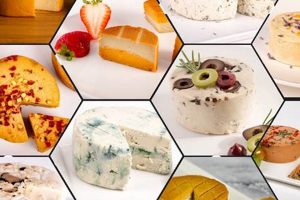
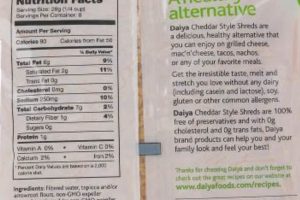
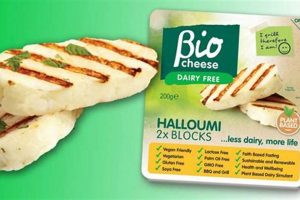
The sensory experience of dairy-free cheese analogs is a multifaceted one. It varies greatly depending on the ingredients utilized, the manufacturing processes employed, and the specific style of cheese being imitated. While some varieties successfully replicate the creamy texture and tangy flavor profiles of traditional dairy cheeses, others may present markedly different characteristics, often exhibiting subtle nuttiness or a distinctive taste derived from plant-based components. For instance, a cashew-based mozzarella alternative will likely have a different flavor profile than one crafted from tapioca starch and coconut oil.
The increasing popularity of these alternatives stems from diverse factors, including dietary restrictions, ethical considerations regarding animal welfare, and environmental concerns related to dairy production. Historically, early iterations of non-dairy cheeses faced challenges in achieving palatable textures and flavors. However, advancements in food science and technology have led to significant improvements, broadening the appeal of these products to a wider consumer base and allowing for the creation of products suitable for diverse culinary applications.
Understanding the nuances of these plant-based offerings requires an examination of their composition, the techniques used to achieve particular textures, and a comparative analysis against traditional dairy-based counterparts. This exploration encompasses consideration of meltability, stretchiness, and overall suitability for various culinary uses, providing a detailed overview of the current landscape of dairy-free cheese alternatives.
The following guidelines offer perspectives on understanding and appreciating the diverse flavor profiles of dairy-free cheese.
Tip 1: Ingredient Awareness: Scrutinize ingredient lists. Cashew, almond, soy, and coconut oil bases yield distinct taste profiles. Consider the primary ingredient as a preliminary indicator of the final flavor.
Tip 2: Processing Methods: Fermentation can introduce a tangy, cultured taste, mimicking traditional cheese-making. Cultured vegan cheeses often possess more complex and nuanced flavors compared to unfermented alternatives.
Tip 3: Age and Maturity: Certain artisanal varieties undergo aging processes, which can intensify and develop flavor complexity. Aged vegan cheeses represent a higher tier of flavor sophistication.
Tip 4: Pairing Considerations: Complement the taste of the cheese alternative with appropriate accompaniments. A robust vegan cheese might pair well with acidic fruits or full-bodied wines, while a milder variety benefits from neutral crackers or vegetables.
Tip 5: Cooking Applications: Heat can alter the flavor and texture. Some alternatives melt exceptionally well, while others remain firm. Understanding the product’s behavior under heat is crucial for culinary success.
Tip 6: Seek Reputable Brands: Established brands with positive reviews are more likely to deliver a consistent and palatable product. Researching customer feedback can inform purchase decisions.
Tip 7: Temper Expectations: While advancements have significantly improved the quality, complete replication of traditional dairy cheese remains challenging. Approach each alternative with an open mind and focus on its unique characteristics.
These considerations highlight the importance of informed consumption and thoughtful experimentation when exploring the world of dairy-free cheese. Understanding these nuances enables a more rewarding culinary experience.
The insights above offer a foundation for further exploration of this evolving food category, enabling more informed and satisfying choices based on personal preference and intended use.
1. Base ingredients

The selection of primary components in plant-based cheese alternatives fundamentally dictates the final flavor profile. These constituents provide the foundation upon which the sensory experience is built, influencing both the initial taste and the lingering aftertaste. Understanding these base ingredients is crucial for anticipating the overall characteristics of the product.
- Cashew-Based Cheeses
Cashews, due to their high fat content and mild flavor, offer a creamy texture and a slightly sweet, nutty undertone. This base allows for the incorporation of diverse flavors, mimicking soft cheeses like brie or ricotta. However, the inherent sweetness necessitates careful balancing to avoid an overly saccharine taste.
- Soy-Based Cheeses
Soy products contribute a more neutral base, enabling a greater degree of flavor manipulation. Soy-based alternatives often replicate harder cheeses like cheddar or provolone. The inherent characteristic of soy requires careful flavor masking to achieve palatability for many consumers, and potential aftertaste can be a crucial consideration.
- Coconut Oil-Based Cheeses
Coconut oil provides a smooth, meltable texture, making it suitable for mozzarella or pizza-style alternatives. However, the distinct tropical flavor of coconut can be pronounced, requiring significant modification to create a convincing cheese flavor profile. Fractionated coconut oil, which removes some of the coconut flavor, is often preferred.
- Nutritional Yeast Enhanced Alternatives
Nutritional yeast is commonly used in many bases (especially cashew and tapioca) to impart a savory, umami flavor, often described as “cheesy.” While not a base ingredient on its own, its presence significantly affects the overall taste, adding depth and complexity to the final product by mimicking mature cheese flavours.
The aforementioned examples underscore the impact of base ingredients on the flavor characteristics of vegan cheese alternatives. Careful consideration of the inherent flavor qualities of these components, coupled with skillful flavoring techniques, is essential for producing convincing and palatable dairy-free options. Ultimately, the base material defines the potential and limitations of the resulting flavor profile.
2. Manufacturing Process

The method by which dairy-free cheese alternatives are produced exerts a considerable influence on their resultant flavor profiles. Variations in processing techniques can introduce subtle yet significant differences in taste, texture, and overall sensory experience. The manufacturing process, therefore, constitutes a key determinant in assessing the organoleptic qualities of these products.
Fermentation, for example, represents a critical processing step that introduces complex flavor notes mimicking those found in traditional aged cheeses. Culturing plant-based milks with specific bacterial strains generates lactic acid, imparting a characteristic tang and enhancing the overall depth of flavor. Conversely, products relying solely on blending and homogenization of ingredients often lack this nuanced complexity and may exhibit a blander, less developed taste. The use of enzymes to modify proteins and starches also affects the final texture and flavor, as these enzymatic reactions can release flavorful compounds. Furthermore, processes such as smoking or the addition of molds can impart distinctive flavor characteristics, expanding the range of available taste profiles.
In conclusion, the manufacturing process is intrinsically linked to the final sensory attributes of dairy-free cheese. Variations in fermentation techniques, enzyme usage, and smoking processes all contribute to diverse and distinct taste profiles. Understanding the implications of these manufacturing choices provides consumers with valuable insight into the expected flavor characteristics and enables more informed purchasing decisions, recognizing that these alternatives strive to capture elements of what consumers associate with “cheese.”
3. Analog imitation

The flavor profile of dairy-free cheese is fundamentally shaped by the degree to which it successfully mimics the taste characteristics of its dairy-based counterpart. “Analog imitation,” in this context, refers to the deliberate effort to replicate the sensory attributes of traditional cheeses using plant-derived ingredients and innovative production techniques. The extent and accuracy of this imitation directly dictate the overall palatability and acceptance of the resulting vegan product. A poorly executed analog imitation may result in a product that bears little resemblance to the intended cheese type, leading to consumer dissatisfaction and a perception of inferior taste. Conversely, a skillfully crafted analog imitation can closely approximate the desired flavor and texture, thereby increasing consumer appeal and market success. For example, a vegan cheddar that accurately replicates the sharp, tangy notes and crumbly texture of aged cheddar is far more likely to be favorably received than a product that lacks these essential characteristics.
The pursuit of successful analog imitation often involves a combination of scientific understanding, culinary artistry, and advanced food processing technologies. Manufacturers meticulously analyze the chemical composition and sensory properties of various cheeses, identifying key flavor compounds, aroma profiles, and textural elements. They then employ a range of techniques, such as fermentation, enzymatic modification, and the strategic incorporation of flavor additives, to recreate these attributes using plant-based ingredients. The selection of appropriate base ingredients, such as cashew, soy, or coconut oil, is also critical, as each imparts its own unique flavor and textural characteristics. The creation of a convincing vegan mozzarella analog, for instance, necessitates the use of ingredients and techniques that can replicate the cheese’s characteristic meltability, stretchiness, and mild, milky flavor. The practical significance of this analog process lies in its ability to provide consumers with a palatable and satisfying alternative to dairy cheese, while aligning with ethical and dietary considerations.
Ultimately, the quest to understand the taste of dairy-free cheese is inextricably linked to the effectiveness of analog imitation. The challenges inherent in this endeavor are considerable, given the complex and nuanced flavors of traditional cheeses. However, ongoing research and innovation in the field of food science continue to push the boundaries of what is possible, leading to increasingly sophisticated and convincing vegan cheese alternatives. While achieving perfect replication may remain an elusive goal, the pursuit of improved analog imitation is driving the evolution of this product category and expanding the range of options available to consumers seeking plant-based alternatives.
4. Flavor Additives

The sensory profile of plant-based cheese alternatives is significantly influenced by the incorporation of various flavor additives. These components serve to mimic, enhance, or modify the inherent tastes of the base ingredients, contributing to a more convincing and palatable final product. Careful selection and application of these additives are crucial in achieving the desired cheese-like characteristics.
- Acids and Acidulants
Acids, such as lactic acid, citric acid, and acetic acid (vinegar), are frequently employed to impart the characteristic tanginess associated with many traditional cheeses. These compounds lower the pH of the product, contributing to a more complex and appealing flavor. Lactic acid, in particular, is often used to replicate the fermented notes found in aged cheeses, while citric acid can provide a sharper, more immediate tang. The specific acid used and its concentration directly impact the overall perceived acidity and flavor complexity of the dairy-free cheese.
- Enzymes and Cultures
Enzymes and starter cultures are used in the production of some plant-based cheeses to break down proteins and fats, generating flavorful compounds. These processes mimic the enzymatic reactions that occur during traditional cheese-making. Specific enzymes can be used to create distinct flavor profiles, such as the peppery notes found in some cheddar varieties. Similarly, different starter cultures produce varying amounts of lactic acid and other flavor-active compounds, allowing for the creation of diverse taste profiles.
- Salt and Minerals
Sodium chloride (salt) serves multiple functions, including enhancing flavor, controlling microbial growth, and influencing texture. The type and amount of salt used can significantly alter the perceived taste, with sea salt often preferred for its subtle mineral notes. In addition to sodium chloride, other minerals, such as calcium chloride, may be added to improve the firmness and meltability of the cheese alternative.
- Umami Enhancers
Umami compounds, such as monosodium glutamate (MSG) and nutritional yeast, contribute a savory, umami flavor that enhances the overall richness and depth of the plant-based cheese. Nutritional yeast, in particular, is a popular ingredient due to its naturally “cheesy” flavor and nutritional benefits. These umami enhancers help to balance the sweetness and nuttiness of the base ingredients, creating a more satisfying and cheese-like taste experience. Additionally, hydrolyzed vegetable protein (HVP) can contribute to an umami profile.
The strategic deployment of flavor additives, therefore, represents a critical aspect of plant-based cheese production. Through careful manipulation of acidity, enzymatic activity, salt levels, and umami enhancement, manufacturers can effectively modulate the flavor profile of their products, creating convincing and appealing alternatives to traditional dairy cheese. The effective combination of carefully selected flavour additives is central in modulating the overall organoleptic qualities.
5. Textural properties

The tactile sensation elicited by vegan cheese alternatives represents an integral component of the overall gustatory experience. Textural properties significantly modulate the perception of flavor, influencing the consumer’s acceptance and enjoyment of the product. The interplay between mouthfeel and taste is such that an undesirable texture can negatively impact the perceived flavor, even if the chemical flavor profile is accurately replicated. For example, a plant-based cheddar analog possessing a grainy or rubbery texture will likely be deemed unpalatable, regardless of how closely it matches the characteristic tang and sharpness of traditional cheddar. Conversely, a smooth, creamy texture can enhance the perception of richness and flavor, potentially compensating for minor deficiencies in the chemical flavor profile.
Achieving desirable textural attributes in dairy-free cheese requires careful manipulation of ingredients and processing techniques. The choice of base ingredients, such as cashews, soy, or coconut oil, plays a crucial role in determining the inherent textural properties of the product. Additionally, the inclusion of hydrocolloids, such as carrageenan or xanthan gum, can modify viscosity, improve meltability, and prevent syneresis (water separation). Emulsification processes are also critical in creating a smooth, homogenous texture, preventing the formation of undesirable lumps or grittiness. The temperature and duration of heating processes can further impact the final texture, influencing firmness, elasticity, and meltability. The practical implications of understanding the relationship between textural properties and perceived flavor are significant for manufacturers seeking to develop successful vegan cheese alternatives. By prioritizing the achievement of desirable textures, producers can enhance the overall palatability and consumer acceptance of their products.
In summary, the textural characteristics of plant-based cheese analogs are inextricably linked to their flavor perception. An optimal texture can augment the perceived flavor, while an undesirable texture can detract from it. Manufacturers must, therefore, prioritize the careful selection of ingredients and the application of appropriate processing techniques to achieve desirable textural properties, thereby enhancing the overall sensory experience and promoting consumer satisfaction. Continued research into the interplay between texture and flavor will undoubtedly lead to further innovations in the development of increasingly convincing and palatable dairy-free cheese alternatives, addressing the unique challenges of mimicking dairy’s complex structure.
6. Aroma impact

The olfactory contribution significantly influences the perceived flavor of plant-based cheese alternatives. Aroma compounds, volatile organic substances released by the product, stimulate olfactory receptors in the nasal cavity, generating sensory signals that are integrated with taste information to create a holistic flavor experience. The absence of characteristic cheese-related aromas, or the presence of off-odors derived from plant-based ingredients, can detract from the overall palatability, irrespective of the taste profile. Aroma therefore plays a pivotal role in determining “what does vegan cheese taste like.” For instance, a cashew-based brie analog lacking the earthy, mushroom-like aroma associated with traditional brie may be perceived as less authentic, even if its texture and basic taste profile are reasonably accurate.
The source of aroma compounds in vegan cheeses varies depending on the ingredients and manufacturing processes employed. Fermentation processes, if utilized, can generate a complex array of aromatic compounds, including esters, aldehydes, and ketones, which contribute to cheesy, tangy, or fruity notes. Flavor additives, such as nutritional yeast, smoked paprika, or truffle oil, can also introduce distinct aromatic signatures. However, base ingredients, such as coconut oil or soy protein, may contribute undesirable aromas that require careful masking or modification. For example, the distinct tropical aroma of coconut oil can overpower the desired cheese-like aroma, necessitating the use of deodorized coconut oil or the incorporation of other aromatic compounds to balance the sensory profile. The effectiveness of aroma simulation directly impacts the success of the vegan cheese. A product formulated to mimic parmesan flavor should therefore exhibit characteristic nutty, sharp, and slightly pungent aromas, similar to those produced by aging.
In conclusion, aroma represents an indispensable component of the sensory experience associated with dairy-free cheese alternatives. Careful attention to aroma profiles, through strategic ingredient selection, controlled fermentation, and the judicious use of flavor additives, is essential for creating convincing and palatable products. Overcoming challenges associated with undesirable aromas from plant-based ingredients and accurately replicating the complex aromatic nuances of traditional cheeses are key objectives in ongoing product development, ultimately improving and defining the very qualities of what it is these alternatives “taste like”.
7. Melt characteristics
The melting behavior of non-dairy cheese alternatives significantly influences their perceived taste and overall suitability for diverse culinary applications. The ability to uniformly melt, stretch, and develop a desirable texture under heat directly affects the final sensory experience, influencing whether a plant-based cheese is considered a successful substitute.
- Impact on Flavor Release
The melting process facilitates the release of volatile aroma compounds, thereby intensifying the perceived flavor of the cheese alternative. A product that melts evenly and smoothly allows for a more consistent and widespread distribution of these aromatic molecules, resulting in a more pronounced and balanced taste. Conversely, a product that melts poorly, forming a greasy or separated mass, may inhibit the release of aroma compounds, leading to a muted or distorted flavor perception.
- Texture Transformation
Melting alters the texture of non-dairy cheese, transforming it from a solid or semi-solid state to a viscous, molten form. This textural transformation significantly impacts the mouthfeel and overall enjoyment of the product. A well-melting cheese alternative should exhibit a smooth, creamy texture without graininess or separation. The textural properties of the melted product directly influence the consumer’s perception of its quality and authenticity.
- Influence on Culinary Applications
The melting characteristics of a dairy-free cheese alternative determine its suitability for specific culinary applications. For instance, a pizza topping requires excellent meltability and stretch to achieve the desired stringy texture and uniform coverage. Similarly, a grilled cheese sandwich necessitates a cheese alternative that melts evenly and browns attractively. Products that fail to melt properly may be unsuitable for these applications, limiting their versatility and consumer appeal.
- Role of Ingredients and Formulation
The meltability of vegan cheese largely relies on the ingredients and formulation. High-fat content, particularly from sources like coconut oil, often contributes to enhanced melting. Additives like modified food starches and gums also play a crucial role in emulsifying the ingredients and preventing separation during melting. Therefore, ingredient selection directly affects the final melting characteristics and, consequently, the perceived taste and usability of the product.
The attributes of melt greatly influence the eating experience when considering dairy-free alternatives, and it’s flavor profiles. The points presented contribute significantly to our understanding of how non-dairy alternatives can be successful depending on heat, structure, and intended use.
Frequently Asked Questions
The following addresses common inquiries regarding the sensory characteristics of plant-based cheese alternatives, providing factual and objective information.
Question 1: What factors most significantly affect the flavor of vegan cheese?
The primary determinants include the base ingredient (e.g., cashew, soy, coconut), the manufacturing process (fermented vs. unfermented), and the addition of flavorings designed to mimic traditional cheese varieties. Base ingredients impart inherent flavor notes, while fermentation can introduce complexity. Flavorings play a crucial role in approximating the taste profiles of cheddar, mozzarella, and other cheese types.
Question 2: Do all vegan cheeses melt in the same manner?
No. Melting characteristics vary substantially based on formulation. Some products, particularly those with high coconut oil content and modified starches, exhibit good meltability. Others may become oily or separate upon heating. The intended culinary application should guide product selection.
Question 3: Can vegan cheese replicate the sharpness of aged cheddar?
Achieving a truly sharp flavor profile is challenging. Fermentation processes and the addition of carefully selected flavor compounds, such as lactic acid and nutritional yeast, can approximate the desired sharpness. However, subtle differences from traditional cheddar are often present.
Question 4: Is it possible to find a vegan cheese that tastes exactly like dairy cheese?
Complete replication remains difficult due to the complex chemical composition of dairy cheese. While advancements in food technology have led to significant improvements, subtle differences in taste and texture are often discernible.
Question 5: What ingredients are commonly used to enhance the “cheesy” flavor in vegan alternatives?
Nutritional yeast is a frequent addition, contributing a savory, umami flavor often described as cheesy. Other additives, such as lactic acid, smoked paprika, and miso paste, can further enhance the flavor profile and mimic specific cheese characteristics.
Question 6: How does the texture of vegan cheese compare to dairy cheese?
Texture varies considerably. Some alternatives achieve a creamy, smooth texture, while others may be firmer or more crumbly. The inclusion of hydrocolloids, such as carrageenan or xanthan gum, can modify texture and improve mouthfeel. Precise replication of dairy cheese texture remains an ongoing area of development.
In summary, tasting plant-based cheese alternatives requires an understanding of ingredients, manufacturing processes, and the inherent limitations of mimicking complex dairy flavors. While perfect replication remains elusive, many products offer palatable and satisfying options for individuals seeking dairy-free alternatives.
The following article section explores preparation methods for incorporating alternatives into cooking, with discussion of heat, technique, and common errors.
Decoding the Dairy-Free Palate
This exploration of “what does vegan cheese taste like” reveals a complex sensory landscape. The flavor profiles are dictated by base ingredients, manufacturing processes, analog imitation attempts, and the strategic use of flavor additives. Understanding these factors is crucial for both consumers and producers navigating the diverse options available. The quest for authentic replication of traditional cheese flavors continues to drive innovation in this rapidly evolving food category.
As technological advancements refine plant-based formulations, the palatability and versatility of dairy-free cheese alternatives will likely increase. The future of this segment hinges on continued research and development, as the ethical and environmental considerations that fuel its growth become increasingly prominent. The ongoing exploration of flavor and texture ultimately shapes the consumer experience, defining the perceived value and long-term viability of these products.