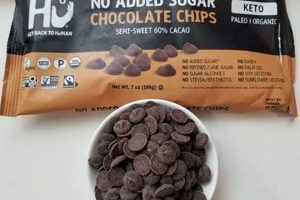
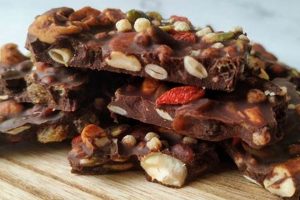
The central topic involves identifying chocolate products suitable for individuals adhering to a vegan diet. This dietary choice excludes all animal products, thus impacting the ingredients permitted in the confection. Traditional milk chocolate, for example, is ineligible due to its inclusion of dairy milk.
Understanding the composition of chocolate contributes to informed consumer choices and ethical consumption practices. Increased awareness of plant-based alternatives provides options for those seeking to avoid animal-derived ingredients. Historically, chocolate formulations relied heavily on dairy, but evolving consumer demand has spurred the development of numerous dairy-free alternatives.
The discussion will further investigate ingredients that render chocolate vegan, the potential health implications, and brands specializing in such offerings. Subsequent sections will also address common misconceptions and provide guidance for selecting appropriate chocolate products.
Identifying Vegan Chocolate
Selecting chocolate that aligns with a vegan lifestyle requires careful attention to ingredient labels and manufacturing processes. The following tips provide guidance for discerning appropriate products.
Tip 1: Scrutinize the Ingredient List: Thoroughly examine the ingredient list for any animal-derived products. Common non-vegan ingredients include milk solids, whey, casein, butterfat, and honey.
Tip 2: Seek Out “Vegan” Certification: Look for official vegan certifications from reputable organizations. These certifications provide an assurance that the product has undergone independent verification.
Tip 3: Understand Dark Chocolate Composition: While many dark chocolates are naturally vegan, it is crucial to confirm the absence of dairy or other animal products. Opt for dark chocolate with a high cocoa percentage, as this reduces the likelihood of added dairy.
Tip 4: Be Aware of Potential Cross-Contamination: Even if a product’s ingredients appear vegan, consider the potential for cross-contamination in shared manufacturing facilities. Contact the manufacturer if concerned about cross-contamination issues.
Tip 5: Explore Alternative Sweeteners: Some chocolates use honey as a sweetener. Verify that sweeteners such as refined beet sugar or maple syrup are used instead.
Tip 6: Check for “May Contain” Statements: Read “may contain” statements carefully, as they indicate potential allergen cross-contamination, including milk.
Tip 7: Research Brands and Manufacturers: Investigate brands known for their vegan chocolate offerings. Many companies are transparent about their vegan practices and ingredient sourcing.
Adhering to these guidelines increases the likelihood of selecting chocolate products that align with vegan principles, ensuring ethical and informed consumer choices.
These tips provide a foundation for making informed decisions when purchasing chocolate. The subsequent sections will address specific product recommendations and delve into the nutritional aspects of vegan chocolate.
1. Ingredient Exclusion

Ingredient exclusion forms the foundational principle for determining whether chocolate aligns with vegan dietary standards. The deliberate omission of any animal-derived component is paramount in defining what qualifies as vegan chocolate. Scrutiny of the ingredient list is therefore essential for ensuring adherence to these standards.
- Dairy Solids
The exclusion of dairy solids, encompassing milk powder, whey, casein, and butterfat, is critical. These components, commonly found in traditional milk chocolate, are strictly prohibited in vegan alternatives. The absence of these dairy-based elements necessitates the utilization of plant-derived substitutes to achieve a similar texture and flavor profile.
- Animal Fats and Emulsifiers
Certain chocolate formulations may include animal fats or emulsifiers derived from animal sources. Lecithin, while often soy-based, can occasionally be derived from eggs. The exclusion of these ingredients requires manufacturers to employ plant-based alternatives, such as sunflower lecithin or specific vegetable oils, to maintain the desired consistency and mouthfeel of the chocolate.
- Honey and Beeswax
Honey, a sweetener produced by bees, and beeswax, sometimes used as a glazing agent, are not considered vegan. Vegan chocolate formulations typically substitute honey with alternatives like maple syrup, agave nectar, or beet sugar. The avoidance of beeswax necessitates the use of plant-based glazes or the omission of a glazing agent altogether.
- Gelatin and Confectioner’s Glaze
Gelatin, derived from animal collagen, is occasionally used in chocolate products, particularly in fillings or coatings. Confectioner’s glaze, derived from insect secretions, is another prohibited ingredient. Vegan options utilize plant-based gelling agents, such as agar-agar or pectin, and avoid confectioner’s glaze in favor of alternative coating methods.
The systematic exclusion of these animal-derived ingredients defines the core criteria for identifying chocolate that conforms to vegan guidelines. The successful substitution of these elements with plant-based alternatives allows for the creation of chocolate products that align with ethical and dietary restrictions. Ultimately, ingredient exclusion is a fundamental principle in determining what chocolate is vegan.
2. Dairy Alternatives

The formulation of chocolate suitable for vegan consumption relies heavily on the effective substitution of dairy components with plant-based alternatives. These dairy alternatives play a pivotal role in replicating the textural and flavor characteristics traditionally associated with milk chocolate, ensuring a palatable product for consumers adhering to vegan dietary principles.
- Plant-Based Milks
The primary substitution involves the utilization of plant-based milks such as soy milk, almond milk, oat milk, rice milk, and coconut milk. These alternatives contribute to the creaminess and mouthfeel of the chocolate, mimicking the role of dairy milk. The specific type of plant-based milk employed can influence the final flavor profile of the chocolate, with coconut milk imparting a distinct tropical note and almond milk contributing a subtle nuttiness. Manufacturers often blend various plant-based milks to achieve a balanced taste and texture.
- Cocoa Butter Enhancement
Cocoa butter, a vegetable fat derived from cocoa beans, is an essential ingredient in all chocolate, including vegan varieties. In vegan chocolate, the proportion of cocoa butter is often increased to compensate for the absence of dairy fat. This adjustment enhances the smoothness and richness of the chocolate, providing a luxurious mouthfeel comparable to that of conventional milk chocolate. Carefully controlling the tempering process is crucial for maximizing the impact of cocoa butter on the final product’s texture and stability.
- Plant-Based Creamers
In certain formulations, plant-based creamers derived from ingredients such as cashews, coconut, or oats are incorporated to enhance the creaminess and richness of the chocolate. These creamers can impart a more decadent texture compared to using plant-based milks alone. The selection of a specific plant-based creamer depends on its compatibility with the other ingredients and its ability to contribute to the desired flavor profile.
- Lecithin Alternatives
Lecithin, an emulsifier used to bind ingredients and improve texture, is commonly derived from soy. However, alternatives such as sunflower lecithin are increasingly used in vegan chocolate formulations to address potential soy allergies or sensitivities. These alternatives function similarly to soy lecithin, ensuring a smooth and homogeneous consistency in the final product. The choice between soy and sunflower lecithin typically does not significantly impact the overall flavor profile of the chocolate.
The successful implementation of these dairy alternatives is central to crafting vegan chocolate that replicates the sensory experience of traditional milk chocolate. These substitutions enable the creation of a diverse range of vegan chocolate products, catering to varying consumer preferences and dietary requirements. The careful selection and blending of these ingredients are paramount in achieving a palatable and satisfying vegan chocolate offering.
3. Vegan Certification

Vegan certification serves as a critical verification mechanism in the determination of what chocolate is vegan. The certification process provides an independent assessment of a product’s ingredients and manufacturing procedures, ensuring adherence to established vegan standards. This validation offers consumers a degree of assurance regarding the absence of animal-derived components, addressing concerns related to hidden ingredients or cross-contamination during production. The Vegan Society trademark, for example, is a globally recognized symbol signifying that a product has met stringent vegan criteria, including the absence of animal products and the avoidance of animal testing. The presence of such a certification mark on chocolate packaging effectively communicates the product’s alignment with vegan principles.
The effect of vegan certification extends beyond mere ingredient verification. It compels manufacturers to implement robust quality control measures to prevent cross-contamination in shared production facilities. Certification bodies often conduct audits of manufacturing plants to ensure compliance with vegan standards, thereby mitigating the risk of accidental exposure to animal-derived substances. For example, a chocolate manufacturer seeking vegan certification may be required to segregate production lines or implement thorough cleaning protocols to prevent cross-contamination with dairy products. The commitment to these rigorous standards translates to a higher level of confidence for vegan consumers, enabling informed purchasing decisions.
In summary, vegan certification is a crucial component in identifying what chocolate is vegan. It provides an independent verification of a product’s compliance with vegan standards, mitigating concerns related to hidden ingredients, cross-contamination, and ethical sourcing. While certification is not a legal requirement, its presence significantly enhances consumer trust and facilitates informed purchasing decisions within the vegan market. The ongoing development and refinement of vegan certification standards contribute to the growing accessibility and reliability of vegan chocolate options.
4. Production Process

The production process significantly influences whether chocolate aligns with vegan principles. Even with carefully selected ingredients, lapses in manufacturing can render a product unsuitable for vegan consumption. The process determines not only the final composition but also the potential for cross-contamination, a critical factor for individuals adhering to strict dietary guidelines. The stages involved, from bean sourcing to packaging, necessitate meticulous attention to detail to maintain vegan integrity.
Consider, for example, a chocolate manufacturer producing both milk and dark chocolate. If the same equipment is used for both without thorough cleaning, traces of dairy milk could contaminate the dark chocolate, rendering it non-vegan despite its nominally vegan ingredients. Similarly, the use of animal-based processing aids during refining or tempering would violate vegan standards. Conversely, a manufacturer dedicated to producing exclusively vegan chocolate can implement safeguards to prevent such contamination. This might involve dedicated equipment, rigorous cleaning protocols, and comprehensive staff training. The practical significance lies in understanding that ingredient lists alone are insufficient; the production environment and practices must also meet vegan requirements.
In summary, the production process is an integral component of what constitutes vegan chocolate. It determines whether chocolate, despite possessing plant-based ingredients, remains free from animal-derived contaminants. Manufacturers committed to producing vegan chocolate must implement stringent controls to prevent cross-contamination and ensure adherence to vegan principles throughout the entire production cycle. The understanding of the production process enhances consumer awareness and supports informed purchasing decisions within the vegan chocolate market.
5. Cross-contamination

Cross-contamination represents a significant concern in determining what chocolate is vegan. It refers to the unintentional introduction of non-vegan substances, particularly dairy, into a product intended to be free of animal-derived ingredients. This can occur during manufacturing, processing, or packaging, even if the primary ingredients of the chocolate are plant-based. A common scenario involves shared equipment used for both milk and dark chocolate production. If cleaning protocols are insufficient, residual milk solids from previous production runs can contaminate subsequent batches of dark chocolate, thereby rendering it unsuitable for vegan consumption. The consequence is that a product with a seemingly vegan ingredient list might, in reality, contain trace amounts of dairy, undermining its vegan status.
The importance of mitigating cross-contamination is underscored by the dietary restrictions and ethical considerations of vegan consumers. For individuals with dairy allergies or sensitivities, even trace amounts of milk can trigger adverse reactions. Furthermore, for those adhering to veganism for ethical reasons, the presence of animal products, however minute, violates their principles. Practical measures to prevent cross-contamination include dedicated production lines for vegan products, rigorous cleaning and sanitation procedures for shared equipment, and thorough staff training on allergen control. Manufacturers may also implement testing protocols to detect the presence of dairy residues, providing an additional layer of assurance. The absence of documented controls and testing significantly increases the risk of unintended dairy content.
Ultimately, cross-contamination represents a critical challenge in defining what chocolate is vegan. Its control requires proactive measures throughout the production process, from ingredient sourcing to packaging. Consumers must be vigilant in examining product labeling, seeking certifications, and contacting manufacturers for clarification on their contamination control practices. While a product might claim to be vegan based on its ingredients, the potential for cross-contamination necessitates careful consideration and due diligence to ensure its suitability for vegan consumption. Vigilance helps to ensure compliance with dietary restrictions and ethical commitment.
6. Ethical Sourcing
Ethical sourcing constitutes an integral, albeit often overlooked, dimension of what truly defines chocolate as vegan. While the absence of animal-derived ingredients is the primary criterion, the ethical implications of cocoa production exert a significant influence on the overall alignment of a product with vegan principles. Conventional cocoa farming practices are frequently associated with issues such as child labor, forced labor, deforestation, and unfair compensation for farmers. These practices contradict the compassionate ethos that underpins veganism, thereby raising ethical questions regarding the consumption of chocolate produced under exploitative conditions. Veganism extends beyond dietary restrictions to encompass a broader commitment to minimizing harm to all sentient beings, and therefore, a consideration of ethical sourcing becomes crucial.
The practical significance of ethical sourcing manifests in several key areas. Firstly, it supports fair wages and improved working conditions for cocoa farmers and their communities. Examples include Fair Trade certification, which guarantees a minimum price for cocoa beans and ensures that farmers receive a premium for community development projects. Secondly, ethical sourcing promotes environmentally sustainable farming practices that mitigate deforestation and protect biodiversity. This includes shade-grown cocoa, which preserves forest ecosystems and provides habitat for wildlife. Thirdly, it addresses the issue of child labor through monitoring and remediation programs that aim to eliminate the exploitation of children in cocoa-producing regions. Companies committed to ethical sourcing often work with certification organizations and NGOs to implement these programs and ensure transparency throughout their supply chains.
In conclusion, ethical sourcing is a critical component in determining what chocolate is genuinely vegan. While ingredient lists confirm the absence of animal products, responsible sourcing ensures that the production process aligns with the ethical considerations inherent in veganism. By prioritizing ethically sourced chocolate, consumers can support fair labor practices, environmental sustainability, and the well-being of cocoa-farming communities. The consideration of ethical sourcing transforms the act of consuming vegan chocolate into a tangible expression of compassion and commitment to a more just and sustainable world. Failure to consider this aspect undermines the core principles of veganism itself, rendering the consumption of even dairy-free chocolate ethically compromised.
Frequently Asked Questions
This section addresses common inquiries and clarifies ambiguities surrounding the identification and selection of chocolate suitable for vegan consumption.
Question 1: Are all dark chocolates inherently vegan?
No, not all dark chocolate is vegan. While many dark chocolates are formulated without dairy, it is essential to scrutinize the ingredient list for hidden animal-derived components, such as milk solids, butter oil, or honey.
Question 2: What ingredients should be avoided to ensure chocolate is vegan?
Ingredients to avoid include milk solids, whey, casein, butterfat, honey, beeswax, gelatin, and confectioner’s glaze. Additionally, be vigilant for lecithin derived from eggs and potential cross-contamination disclaimers.
Question 3: How reliable are “may contain milk” statements?
“May contain milk” statements indicate that the chocolate was produced in a facility that also processes dairy. While the chocolate may not contain dairy as an ingredient, the risk of cross-contamination exists. Individuals with severe dairy allergies should exercise caution.
Question 4: What are common plant-based alternatives used in vegan chocolate?
Plant-based alternatives commonly used in vegan chocolate include soy milk, almond milk, oat milk, coconut milk, and rice milk. Cocoa butter is often increased to enhance richness. Alternative sweeteners such as maple syrup or agave nectar replace honey.
Question 5: Is vegan certification a guarantee of ethical sourcing?
Vegan certification primarily verifies the absence of animal-derived ingredients. While some certification bodies consider ethical sourcing practices, it is not always a standard requirement. Independent investigation into the brand’s ethical practices is recommended.
Question 6: How does cross-contamination occur in chocolate production?
Cross-contamination can occur when shared equipment is used for both dairy and non-dairy chocolate production. Inadequate cleaning between batches allows for the transfer of milk solids. Dedicated production lines and rigorous cleaning protocols are necessary to prevent cross-contamination.
In summary, identifying chocolate that is vegan requires diligent attention to ingredient lists, an awareness of potential cross-contamination, and an understanding of ethical sourcing considerations. Vegan certification can offer a degree of assurance, but thorough investigation is always advisable.
The subsequent sections will explore specific brands recognized for their commitment to producing high-quality, ethically sourced vegan chocolate.
Conclusion
The determination of what chocolate is vegan transcends a simple reading of the ingredient list. It necessitates a comprehensive evaluation encompassing ingredient exclusion, dairy alternatives, certification processes, production methods, cross-contamination risks, and ethical sourcing considerations. Successfully navigating these multifaceted aspects empowers consumers to make informed choices that align with their dietary requirements and ethical principles.
The ongoing evolution of food production and consumer awareness underscores the increasing importance of transparency and accountability within the chocolate industry. Continued vigilance and a commitment to supporting ethically responsible manufacturers will contribute to a more sustainable and compassionate future for all. The ultimate decision rests with the individual, informed by a thorough understanding of what truly constitutes vegan chocolate.
![Best Vegan Chocolate Rabbit for Easter [Plant-Based] | Discover Delicious Vegan Food, Beauty Swaps, and Zero-Waste Tips for a Greener Life](https://thisvegangirl.com/wp-content/uploads/2026/04/th-301-300x200.jpg "Best Vegan Chocolate Rabbit for Easter [Plant-Based] Discover Delicious Vegan Food, Beauty Swaps, and Zero-Waste Tips for a Greener Life")