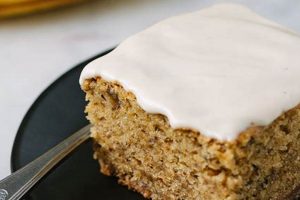
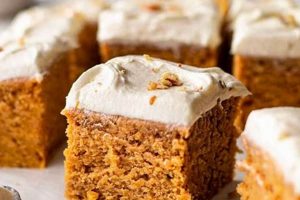
A baked good excluding animal products that incorporates shredded summer squash as a primary ingredient. This particular confection aligns with dietary guidelines that prohibit the consumption of meat, dairy, eggs, and honey. The squash contributes moisture and a subtle sweetness to the final product, enhancing its texture and flavor profile.
This dessert choice offers several advantages. It presents a method for utilizing excess garden produce, promoting sustainability and reducing food waste. The inclusion of vegetables can boost the nutritional content, adding fiber and vitamins often lacking in traditional baked goods. Furthermore, adapting recipes to omit animal-derived ingredients expands culinary options for individuals with dietary restrictions or ethical considerations. The development and evolution of these recipes reflect increasing awareness and demand for plant-based alternatives.
The following sections will delve into the specific ingredient substitutions employed in creating a plant-based variant, explore different preparation techniques for optimal results, and provide guidance on adapting traditional recipes. Further examination will be dedicated to exploring variations with add-ins and frostings, and nutritional considerations that make it a healthful indulgence.
Baking Considerations
Achieving optimal results requires careful attention to detail and understanding the nuances of plant-based baking.
Tip 1: Moisture Management: Zucchini contains a high water content. Squeeze excess moisture from the shredded vegetable using cheesecloth or a clean kitchen towel before incorporating it into the batter. Failure to do so may result in a soggy final product.
Tip 2: Flour Selection: All-purpose flour provides a reliable structure, but substituting a portion with whole wheat flour increases fiber content. Consider experimenting with gluten-free flour blends for individuals with gluten sensitivities; however, these may require binding agents like xanthan gum.
Tip 3: Egg Replacers: Applesauce, mashed banana, or flaxseed meal mixed with water (a “flax egg”) serve as effective binding agents. The choice of substitute may impact the overall flavor profile; applesauce adds subtle sweetness, while flaxseed meal contributes a nutty undertone.
Tip 4: Sweetener Alternatives: Refined sugars can be replaced with natural sweeteners such as maple syrup, agave nectar, or coconut sugar. Adjust liquid quantities accordingly, as liquid sweeteners may affect batter consistency.
Tip 5: Fat Source: Vegetable oil, melted coconut oil, or even avocado oil can provide moisture and richness. Be mindful of the flavor profile of the chosen oil, as it will impact the final product.
Tip 6: Spice Enhancement: Cinnamon, nutmeg, and ginger complement the zucchini’s subtle flavor. Experiment with adding cardamom or allspice for a more complex flavor profile.
Tip 7: Baking Temperature and Time: Lowering the baking temperature slightly and extending the baking time may prevent the exterior from browning too quickly while ensuring the center is fully cooked. Monitor progress with a toothpick test; it should come out clean or with only a few moist crumbs.
These strategies ensure a successfully baked dessert that remains moist and flavorful while adhering to plant-based dietary requirements.
The subsequent sections will focus on creative flavor additions and frosting options.
1. Moisture Management

Effective control of water content is paramount in the preparation of baked goods incorporating summer squash. The inherent high moisture level of the vegetable necessitates strategic handling to prevent a final product that is overly dense or undercooked.
- Extraction Techniques
The process of manually removing excess water from shredded squash prior to incorporation into the batter is critical. Methods include pressing the vegetable between layers of absorbent paper towels, using a cheesecloth to wring out the liquid, or employing a salad spinner. The degree of extraction will influence the final texture; aggressive removal results in a drier, potentially crumbly cake, while insufficient extraction leads to a gummy consistency.
- Flour Adjustments
Compensating for the moisture contributed by the squash involves adjusting the ratio of dry to wet ingredients. Increasing the proportion of flour, particularly higher-protein varieties, can help absorb excess liquid and provide structural integrity. Consideration should also be given to the type of flour; whole wheat flour absorbs more moisture than all-purpose flour, influencing the necessary adjustments.
- Baking Time Modification
Elevated moisture levels require extended baking times to ensure the center of the item is fully cooked. Monitoring the internal temperature with a probe thermometer provides the most accurate assessment of doneness. Visual cues, such as a golden-brown crust and slight shrinking away from the sides of the pan, also indicate readiness. Failure to adequately bake can result in a sunken center and a dense, undercooked texture.
- Impact on Sweetener Selection
The type of sweetener used can further impact the water content. Liquid sweeteners like maple syrup or agave nectar add additional moisture, compounding the challenges presented by the squash. Granulated sugars, while not contributing additional liquid, can dissolve during baking and create a moist environment. Adjustments to other wet ingredients may be necessary to counterbalance the chosen sweetener.
Ultimately, successful incorporation of summer squash into plant-based baked goods depends on a multifaceted approach to moisture management. Careful extraction, strategic flour adjustments, modified baking times, and mindful sweetener selection collectively contribute to a final product characterized by a desirable texture and optimal flavor profile.
2. Ingredient Substitutions

The creation of a plant-based confection from a conventionally animal-product-containing recipe necessitates strategic ingredient substitutions. These modifications are not merely omissions but carefully considered replacements designed to maintain the desired texture, flavor, and structural integrity of the final product.
- Egg Replacements
Eggs contribute binding, moisture, and leavening properties. In a plant-based version, these attributes must be replicated using alternative ingredients. Common substitutes include flaxseed meal mixed with water (creating a “flax egg”), applesauce, mashed banana, or commercial egg replacers. The choice depends on the desired flavor profile and texture; flax eggs provide a slightly nutty flavor and dense texture, while applesauce adds sweetness and moisture.
- Dairy Replacements
Dairy ingredients, such as milk and butter, contribute moisture, richness, and tenderness. Non-dairy milks, including almond, soy, oat, or coconut milk, can replace cow’s milk in equal proportions. Plant-based butter alternatives, typically made from vegetable oils, are used as direct substitutes for dairy butter. The fat content and flavor of the chosen non-dairy milk and butter will impact the final taste and texture.
- Sweetener Alternatives
While granulated sugar is often a plant-based ingredient, some recipes call for honey. Maple syrup, agave nectar, or coconut sugar are viable alternatives. These liquid sweeteners introduce additional moisture, requiring adjustments to the dry ingredients. The unique flavor profiles of these sweeteners can also subtly alter the taste.
- Fat Modifications
Some conventional versions rely on animal fats for richness and flavor. Plant-based oils, such as vegetable oil, coconut oil, or olive oil, serve as suitable replacements. The choice of oil can impact the final flavor; coconut oil imparts a distinct coconut flavor, while vegetable oil provides a neutral taste. Avocado can also be used as a fat replacement, adding moisture and a subtle green hue.
The successful creation of a plant-based baked item hinges on the careful selection and strategic application of ingredient substitutions. Understanding the functional properties of each ingredient and its plant-based counterpart allows for a seamless transformation without sacrificing quality or flavor. These adjustments are crucial in adapting the traditional confection to align with dietary restrictions and ethical considerations.
3. Flavour pairings

The inherent mildness of summer squash necessitates strategic flavor pairings in a plant-based cake. Without careful consideration, the resulting confection may lack depth and complexity. The squash acts as a neutral canvas upon which complementary flavors are layered. The selection of these pairings directly impacts the final taste profile, ranging from subtly spiced to richly decadent. For example, the addition of cinnamon and nutmeg evokes warmth and complements the squash’s subtle sweetness. Conversely, incorporating lemon zest and poppy seeds introduces a bright, citrusy note that contrasts the vegetable’s earthiness. The absence of thoughtful flavor pairings often results in a bland and unremarkable finished product.
Practical application of this principle extends to the use of extracts and spices. Vanilla extract enhances the overall sweetness and adds a layer of complexity. The judicious use of ginger, cloves, or allspice can create a more pronounced flavor profile, particularly during cooler months. Furthermore, the inclusion of ingredients like toasted nuts or chocolate chips introduces textural contrast and complementary flavors that elevate the sensory experience. The choice of plant-based milk also influences the flavor; almond milk contributes a nutty note, while coconut milk adds a subtle tropical undertone.
The significance of flavor pairings in achieving a palatable and compelling plant-based dessert cannot be overstated. The subtle nature of summer squash requires deliberate enhancement through complementary flavors. Careful selection of spices, extracts, nuts, and even the plant-based milk used directly impacts the final taste. Challenges arise in balancing these flavors to avoid overpowering the inherent qualities of the squash, ultimately creating a harmonious and satisfying plant-based creation.
4. Texture Optimization
Achieving a desirable texture in a plant-based dessert incorporating summer squash presents a significant challenge. The absence of animal-derived ingredients, such as eggs and butter, necessitates specific techniques to replicate their structural and moisturizing effects. Failure to optimize texture results in a final product that is either excessively dense, gummy, or dry. The primary goal is to create a light, moist, and tender crumb despite the limitations imposed by the vegan formulation. This requires a nuanced understanding of ingredient interactions and their impact on the overall mouthfeel.
One critical aspect involves manipulating the gluten development within the batter. Overmixing plant-based batters, particularly those containing wheat flour, leads to excessive gluten formation, resulting in a tough texture. Therefore, gentle mixing techniques are crucial. Furthermore, the addition of acidic ingredients, such as lemon juice or apple cider vinegar, can inhibit gluten development, contributing to a more tender crumb. The selection of fat is equally important; plant-based oils, like melted coconut oil or canola oil, provide moisture and contribute to a softer texture compared to solid fats. Emulsifiers, such as soy lecithin, can also be used to improve the distribution of fat and moisture throughout the batter, resulting in a more uniform texture.
Ultimately, texture optimization in the creation of a plant-based summer squash confection is a complex interplay of ingredient selection and preparation techniques. Careful consideration of gluten development, fat choice, and the use of emulsifiers are all essential components. By prioritizing these elements, a baker can overcome the challenges inherent in vegan baking and achieve a dessert characterized by a light, moist, and satisfying texture. The success of such a creation hinges not only on flavour but also on the sensory experience delivered through its optimized textural qualities.
5. Nutritional considerations

The nutritional profile of a plant-based dessert incorporating summer squash is a significant consideration, particularly given the frequent perception of baked goods as nutritionally lacking. Modifying traditional recipes to align with plant-based diets presents opportunities to enhance the nutrient density while maintaining palatability. Thoughtful ingredient choices can transform a treat into a more healthful indulgence.
- Fiber Content Enhancement
Increasing dietary fiber is a key nutritional advantage. Replacing a portion of all-purpose flour with whole wheat flour significantly boosts fiber content, promoting digestive health and satiety. The incorporation of oats or other high-fiber ingredients further contributes to this benefit. These modifications address the common deficiency of fiber in many processed foods. For example, a standard slice made with all-purpose flour might contain less than 1 gram of fiber, whereas a version using whole wheat could offer 3-4 grams.
- Reduced Saturated Fat
Traditional baking often relies on butter or other saturated fats. Plant-based alternatives, such as unsaturated vegetable oils or nut butters, offer a healthier fat profile. Careful selection of oils, such as olive or avocado oil, provides monounsaturated fats known for their cardiovascular benefits. Using applesauce or mashed banana as binding agents can further reduce the need for added fats, demonstrating how ingredient substitution can lower the saturated fat content without compromising texture. Replacing butter with applesauce reduces total fat content and introduces additional vitamins and minerals.
- Micronutrient Boost
The inclusion of summer squash inherently adds vitamins and minerals, particularly Vitamin A and Vitamin C. Furthermore, fortifying the recipe with other nutrient-rich ingredients, such as nuts and seeds, enhances the overall micronutrient profile. Walnuts, for example, provide omega-3 fatty acids, while flaxseeds offer lignans, which possess antioxidant properties. These additions transform the dessert from a source of empty calories into a more substantial source of essential nutrients, addressing potential deficiencies often associated with highly processed foods.
- Sugar Reduction Strategies
Minimizing added sugar is crucial for optimizing the nutritional value. Employing natural sweeteners, such as maple syrup or dates, in moderation is one approach. Alternatively, reducing the overall quantity of sweetener while enhancing other flavors, such as spices or vanilla extract, can maintain palatability with less sugar. Comparing a recipe with refined sugar to one using maple syrup reveals a difference in glycemic index and potential vitamin content, which could be important to certain consumers.
The convergence of these nutritional considerations within the context of a plant-based summer squash confection represents a significant opportunity. Strategic ingredient substitutions and mindful formulation techniques allow for the creation of a dessert that not only satisfies cravings but also contributes positively to overall dietary intake. For example, the inclusion of whole wheat flour and flaxseed elevates the nutritional value, while the use of unsaturated fats and reduced sugar content mitigates potential health concerns, offering a guilt-free indulgence that aligns with contemporary dietary guidelines.
Frequently Asked Questions
The following section addresses common inquiries and misconceptions surrounding the creation and consumption of baked goods of this nature. Information provided aims to clarify preparation techniques, ingredient considerations, and nutritional aspects.
Question 1: Can a zucchini cake truly be both plant-based and palatable?
Yes. Careful substitution of animal products with plant-derived alternatives, coupled with strategic flavor pairings, results in a confection comparable in taste and texture to conventional versions. The key lies in understanding the functional properties of ingredients and their replacements.
Question 2: What are the primary challenges in adapting a traditional recipe?
The most significant challenges include replicating the binding properties of eggs, the richness of dairy fats, and maintaining proper moisture levels. Addressing these requires strategic ingredient substitutions and adjustments to baking techniques.
Question 3: How does the nutritional profile compare to a conventional counterpart?
Plant-based versions can offer improved nutritional benefits, including higher fiber content, reduced saturated fat, and increased micronutrients, depending on the specific ingredients used. Whole wheat flour, nuts, and seeds contribute to a more nutrient-dense final product.
Question 4: Does the type of summer squash used affect the final outcome?
While different varieties can be used, the primary consideration is the moisture content. Regardless of the type, excess moisture should be removed prior to incorporation into the batter to prevent a soggy texture. Size is only a factor if needing to adjust the amount required for the recipe.
Question 5: What is the best method for storing it to maintain freshness?
Storage in an airtight container at room temperature for up to three days, or refrigerated for up to a week, is recommended. Freezing is also an option for longer-term storage; however, thawing may slightly alter the texture.
Question 6: Can this cake be adapted for individuals with gluten sensitivities?
Yes, gluten-free flour blends can be substituted for wheat flour. However, these blends may require the addition of binding agents, such as xanthan gum, to compensate for the lack of gluten. Additionally, monitoring the baking time is critical as gluten-free flours behave differently than conventional flours.
In summary, producing a successful plant-based dessert requires a nuanced understanding of ingredient substitutions, baking techniques, and flavor pairings. By addressing common challenges and misconceptions, individuals can confidently create a palatable and nutritionally enhanced version of this classic baked good.
The subsequent section will explore creative variations and recipe adaptations.
Conclusion
The preceding examination of vegan zucchini cake has elucidated essential aspects of its creation and nutritional profile. Strategies for moisture management, effective ingredient substitutions, and optimized flavour pairings, alongside textural and nutritional considerations, all contribute to the production of a palatable and healthful confection. Key findings underscore the necessity of controlled water extraction from the zucchini, the strategic use of plant-based alternatives to animal products, and the potential for enhanced nutritional value through careful ingredient selection.
Further research and experimentation in plant-based baking may yield even greater innovations in flavour and texture. The growing demand for plant-based options indicates a continuing shift in culinary preferences, highlighting the importance of continued refinement and adaptation in the food industry. Individuals seeking to explore innovative culinary approaches may find value in applying the principles outlined to develop their own variations.