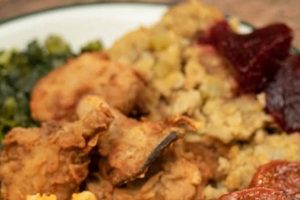
Plant-based Christmas cuisine presents a compelling alternative to traditional holiday meals, focusing on dishes prepared without animal products. This encompasses a wide variety of options, from savory mains like lentil loaf and mushroom Wellington to sweet treats such as fruitcake and mince pies crafted with plant-derived ingredients.
The significance of plant-based Christmas meals stems from multiple factors, including ethical considerations, environmental awareness, and health benefits. Choosing dishes that exclude meat, dairy, and eggs can align with values of animal welfare and sustainability. Furthermore, these meals often incorporate nutrient-rich vegetables, fruits, and legumes, potentially contributing to a healthier diet. The concept, while gaining increased traction recently, draws from long-standing traditions of vegetarian and vegan cooking, adapting classic holiday recipes to modern dietary preferences.
The following sections will explore specific recipes, ingredient substitutions, and preparation techniques to facilitate the creation of a memorable and delicious holiday feast centered around plant-based fare. This includes considerations for appetizers, main courses, side dishes, and desserts, ensuring a comprehensive guide for those seeking to create a festive and compassionate culinary experience.
Essential Considerations for Plant-Based Holiday Cuisine
Successfully navigating a plant-based Christmas feast requires careful planning and attention to detail. The following tips offer guidance for crafting a memorable and satisfying culinary experience.
Tip 1: Advance Planning is Critical: Menu planning should begin well in advance to allow ample time for recipe selection, ingredient sourcing, and potential trial runs. Consider dietary restrictions and preferences of guests when crafting the menu.
Tip 2: Emphasize Flavor Enhancement Techniques: Plant-based dishes often benefit from robust seasoning and flavor layering. Utilize herbs, spices, marinades, and concentrated vegetable stocks to create depth and complexity.
Tip 3: Explore Plant-Based Protein Sources: Integrate a variety of protein sources, such as lentils, tofu, tempeh, and seitan, to ensure nutritional balance and satiety. Experiment with different preparations to find appealing textures and flavors.
Tip 4: Master Ingredient Substitutions: Familiarize yourself with common ingredient substitutions for dairy and eggs. Aquafaba (chickpea brine) can replace eggs in baking, while plant-based milks and creams provide alternatives to dairy.
Tip 5: Prioritize Presentation and Visual Appeal: The visual presentation of plant-based dishes can significantly enhance the dining experience. Employ vibrant colors, creative plating techniques, and appealing garnishes.
Tip 6: Consider Texture Diversity: A well-rounded menu should incorporate a range of textures, from creamy sauces and crispy vegetables to chewy protein sources and crunchy toppings. This prevents monotony and enhances overall satisfaction.
Tip 7: Embrace Festive Garnishes: Utilize seasonal fruits, vegetables, and herbs as garnishes to enhance the festive atmosphere and add visual interest to the dishes. Examples include cranberries, pomegranate seeds, and rosemary sprigs.
By implementing these strategies, one can create a plant-based Christmas meal that is both delicious and satisfying, demonstrating that compassionate and flavorful cuisine can be achieved without animal products.
The final section will provide specific recipe recommendations and resources for further exploration of plant-based holiday culinary options.
1. Ingredient Sourcing

The procurement of ingredients constitutes a foundational element in the preparation of plant-based Christmas cuisine. The selection and origin of these components significantly impact the nutritional profile, flavor characteristics, and overall success of holiday dishes.
- Availability and Seasonality
Seasonality plays a crucial role in ingredient sourcing. Opting for fruits and vegetables that are in season not only enhances flavor but also often reduces environmental impact and cost. For example, sourcing locally grown winter squash or cranberries directly from farms during the holiday season supports regional agriculture and ensures peak freshness for dishes. Conversely, relying on out-of-season ingredients may necessitate increased transportation distances and compromise product quality.
- Specialty Items and Substitutions
Vegan Christmas recipes often require specialty items or substitutions for animal-derived ingredients. This necessitates identifying reliable suppliers for items such as plant-based cheeses, vegan meat alternatives (seitan, tempeh), and egg replacers (aquafaba, flaxseed meal). Consideration should be given to the ingredients and processing methods used in these products, as some may contain additives or allergens. Sourcing high-quality substitutions is critical for replicating the textures and flavors expected in traditional holiday fare.
- Organic and Ethical Considerations
For individuals prioritizing ethical and environmental considerations, sourcing organic and sustainably produced ingredients is paramount. This involves seeking out certified organic produce, ethically sourced nuts and seeds, and plant-based products from companies with transparent and responsible supply chains. Prioritizing these options minimizes exposure to pesticides and supports sustainable agricultural practices, aligning with the ethical values often associated with plant-based diets.
- Accessibility and Cost-Effectiveness
Ingredient sourcing must also account for accessibility and cost-effectiveness. While specialty items may be desirable, it is important to identify readily available and affordable alternatives. This may involve substituting less common ingredients with more accessible options or preparing certain components from scratch to reduce cost. Balancing the desire for premium ingredients with the realities of budget constraints is an essential consideration when planning a plant-based Christmas menu.
The strategic sourcing of ingredients directly influences the quality and feasibility of plant-based holiday meals. Considerations spanning seasonality, specialty items, ethical concerns, accessibility, and cost-effectiveness collectively shape the composition of the Christmas table and contribute to a satisfying and responsible culinary experience. Successfully navigating these factors ensures that plant-based celebrations remain both delicious and conscientious.
2. Flavor Development

Flavor development is a critical determinant in the successful execution of plant-based Christmas cuisine. The absence of animal-derived fats and proteins necessitates strategic techniques to achieve satisfying and complex flavor profiles that resonate with traditional expectations. Without careful attention to flavor, plant-based alternatives can be perceived as lacking depth or richness, potentially diminishing the overall dining experience. For example, a traditional gravy relies on meat drippings for its savory character. A vegan gravy, therefore, requires the deliberate layering of umami-rich ingredients such as roasted vegetables, mushrooms, soy sauce, and nutritional yeast to compensate for this absence and achieve a comparable level of savory satisfaction.
The importance of flavor development extends to all facets of the meal, from appetizers to desserts. Roasting vegetables, caramelizing onions, and employing aromatic herbs and spices become essential techniques for building depth of flavor in savory dishes. In sweet preparations, the use of high-quality extracts, citrus zest, and warming spices like cinnamon, nutmeg, and cloves can elevate plant-based desserts to a level of complexity comparable to their traditional counterparts. Furthermore, techniques such as smoking vegetables, infusing oils, and preparing homemade spice blends provide additional avenues for enhancing the flavor profiles of plant-based holiday meals. Consider, for instance, a vegan stuffing that traditionally relies on sausage for its flavor; careful sauting of mushrooms with sage and thyme, followed by the addition of vegetable broth and toasted nuts, can create a rich and nuanced flavor base that rivals the original.
In conclusion, flavor development represents a cornerstone of successful plant-based Christmas cuisine. The strategic use of techniques that build depth, complexity, and umami is essential to compensate for the absence of animal products and create dishes that are both satisfying and memorable. The challenges inherent in replicating traditional flavors necessitate a proactive and creative approach to ingredient selection and preparation methods. A thorough understanding of these principles allows for the creation of plant-based holiday meals that are not simply substitutes but compelling culinary experiences in their own right.
3. Nutritional Balance
Maintaining nutritional balance within plant-based Christmas cuisine requires careful consideration, particularly given the potential for these meals to deviate significantly from standard dietary recommendations if not planned appropriately. Holiday feasts, by their nature, often prioritize indulgence, and a plant-based version is no exception; thus, a conscious effort is required to ensure adequate intake of essential nutrients.
- Protein Adequacy
Ensuring sufficient protein intake is paramount in plant-based diets. Christmas meals can be designed to include multiple high-protein plant sources, such as lentils in a loaf, tofu in a quiche, or nuts and seeds incorporated into side dishes and desserts. Variety is key, as different plant proteins offer different amino acid profiles. The quantity and diversity of protein sources should be strategically planned to meet individual needs.
- Vitamin and Mineral Considerations
Plant-based diets necessitate attention to certain vitamins and minerals that may be less readily available or less easily absorbed. Vitamin B12 is virtually absent in plant foods and must be supplemented or obtained from fortified products. Iron absorption can be enhanced by consuming iron-rich foods (e.g., spinach, lentils) alongside vitamin C. Vitamin D intake should also be monitored, especially during winter months when sunlight exposure is limited. Calcium can be sourced from fortified plant milks and dark leafy greens.
- Omega-3 Fatty Acid Intake
Omega-3 fatty acids, particularly EPA and DHA, are crucial for cardiovascular and brain health. Plant-based sources of omega-3s include flaxseeds, chia seeds, and walnuts, which contain ALA (alpha-linolenic acid). However, the conversion of ALA to EPA and DHA is often inefficient. Therefore, supplementation with algae-derived EPA and DHA may be advisable to ensure adequate intake, especially for individuals with specific health concerns.
- Fiber and Digestive Health
Plant-based diets are generally high in fiber, which is beneficial for digestive health and blood sugar control. Christmas meals can capitalize on this advantage by including a variety of vegetables, fruits, legumes, and whole grains. However, a sudden increase in fiber intake can lead to gastrointestinal discomfort. Therefore, it is important to gradually increase fiber consumption and ensure adequate hydration. Furthermore, individuals with pre-existing digestive issues should be particularly mindful of fiber content and consider appropriate food preparation techniques.
The facets of protein, vitamin/mineral balance, omega-3 intake, and fiber underscore the necessity of mindful meal planning. The focus should shift beyond simply creating plant-based versions of traditional dishes to ensuring that those dishes also contribute to overall health and well-being. Proper attention to these elements transforms plant-based Christmas meals from indulgent treats into nutritionally sound and satisfying culinary experiences.
4. Recipe Adaptation

Recipe adaptation forms a critical juncture in the creation of plant-based Christmas cuisine. The process necessitates a thorough understanding of both traditional recipes and plant-based ingredient alternatives. This undertaking extends beyond simple ingredient substitution, requiring adjustments to techniques and methodologies to achieve desired textures, flavors, and structural integrity in the final product.
- Dairy Replacement Strategies
Traditional Christmas recipes often rely heavily on dairy products for richness and texture. Successful adaptation requires identifying appropriate plant-based substitutes for milk, cream, butter, and cheese. Options include plant-based milks derived from soy, almond, oat, or coconut; vegan butter alternatives composed of plant-based oils; and various vegan cheese substitutes made from nuts, soy, or other plant-derived ingredients. Furthermore, techniques such as cashew cream preparation or aquafaba foam can mimic the texture and function of dairy products in specific applications, such as sauces or meringues.
- Egg Substitution Techniques
Eggs serve multiple functions in traditional baking, acting as binders, leaveners, and emulsifiers. Replacing eggs in vegan Christmas baking requires understanding their specific roles in each recipe. Common egg substitutes include flaxseed meal mixed with water, chia seed gel, applesauce, mashed banana, or commercially available egg replacer products. The choice of substitute depends on the desired texture and the specific requirements of the recipe. For instance, flaxseed meal is suitable for binding in cookies, while aquafaba can be whipped to create volume in meringues or mousses.
- Meat Analogues and Flavor Mimicry
Many traditional Christmas dishes feature meat as a central component. Plant-based adaptations often involve the use of meat analogues or creative flavor mimicry. Meat analogues, such as seitan, tempeh, or textured vegetable protein (TVP), can be seasoned and prepared to resemble the flavor and texture of traditional meats. Alternatively, flavor mimicry involves using plant-based ingredients to create similar flavor profiles without directly replicating meat. For example, a mushroom-based Wellington can evoke the savory richness of a beef Wellington through careful seasoning and layering of flavors.
- Adjusting for Moisture Content and Texture
Plant-based ingredients often possess different moisture content and textural properties compared to their animal-derived counterparts. Recipe adaptation may necessitate adjustments to liquid ratios, cooking times, and mixing techniques to achieve optimal results. For example, plant-based doughs may require more or less liquid than traditional doughs. Furthermore, the absence of gluten in some plant-based flours can necessitate the addition of binding agents or modified mixing techniques to develop structure. Careful attention to these details is crucial for achieving the desired texture and consistency in the final product.
The facets of dairy replacement, egg substitution, meat analogues and flavor mimicry, and moisture/texture adjustment underscore the complex nature of recipe adaptation. Each alteration requires a considered understanding of both the original recipe’s chemical and physical properties and the characteristics of the vegan ingredients being utilized. Mastery of these techniques allows for the creation of plant-based Christmas fare that respects tradition while embracing the values of a plant-based lifestyle.
5. Festive Presentation

Festive presentation is an integral component of any Christmas meal, and its importance is amplified in the context of plant-based cuisine. Visual appeal can significantly enhance the perceived quality and desirability of dishes, addressing potential preconceptions about vegan food and contributing to a positive dining experience.
- Color Palette and Garnishes
The strategic use of color is paramount in festive presentation. Plant-based ingredients offer a wide spectrum of vibrant colors that can be leveraged to create visually appealing dishes. Incorporating naturally colorful vegetables, fruits, and herbs elevates the presentation. Garnishes such as cranberries, pomegranate seeds, fresh herbs (rosemary, thyme, sage), and edible flowers add visual interest and complement the flavors of the dishes. For example, a lentil loaf adorned with a cranberry glaze and rosemary sprigs is more visually appealing than a plain loaf.
- Plating Techniques and Arrangements
The manner in which food is arranged on the plate contributes significantly to the overall presentation. Employing techniques such as layering, stacking, and strategic spacing enhances visual appeal. Consideration should be given to creating balanced and harmonious compositions. Individual plating, as opposed to family-style serving, can allow for greater control over the presentation of each portion. For example, a vegan shepherd’s pie can be attractively served in individual ramekins topped with piped mashed sweet potato.
- Table Setting and Ambiance
The overall table setting and ambiance contribute to the festive presentation of the meal. Incorporating seasonal decorations, such as candles, tablecloths, and centerpieces, enhances the dining experience. Coordinating the colors and style of the table setting with the colors of the food creates a cohesive and visually appealing presentation. Attention to detail, such as the selection of appropriate serving dishes and utensils, elevates the perceived quality of the meal. A table decorated with pinecones, candles, and a festive tablecloth complements the visual appeal of the dishes.
- Texture and Visual Contrast
Incorporating diverse textures into each dish and the meal as a whole adds visual interest and enhances the dining experience. Combining creamy sauces, crispy vegetables, and crunchy toppings creates textural contrast that is both visually appealing and satisfying to eat. For example, a roasted vegetable platter can include a variety of textures, from the soft flesh of roasted squash to the crisp edges of Brussels sprouts, drizzled with a creamy cashew sauce and sprinkled with toasted nuts.
These aspects of color, plating, table setting and texture, when diligently applied, can significantly elevate the perception and enjoyment of plant-based Christmas cuisine. A visually appealing meal demonstrates care and attention to detail, reinforcing the notion that plant-based food can be both delicious and aesthetically pleasing, enhancing the overall festive experience.
Frequently Asked Questions
This section addresses common inquiries and concerns surrounding plant-based Christmas food, providing informative answers to facilitate successful meal planning and preparation.
Question 1: Is plant-based Christmas food nutritionally adequate for all age groups?
When properly planned, plant-based Christmas meals can provide complete nutrition for all age groups. Attention must be given to ensuring adequate protein intake, vitamin B12 supplementation or fortification, and sufficient iron and calcium sources. Consultation with a registered dietitian is recommended for individuals with specific dietary needs or concerns.
Question 2: Can traditional Christmas dishes be successfully adapted to be plant-based without compromising flavor?
Yes, traditional Christmas dishes can be adapted to be plant-based while maintaining and, in some cases, enhancing flavor profiles. Techniques such as strategic seasoning, flavor layering, and the use of umami-rich ingredients are essential to compensate for the absence of animal products. Successful adaptation requires a thorough understanding of both the original recipe and plant-based alternatives.
Question 3: Are specialized ingredients required for plant-based Christmas recipes, and where can they be sourced?
While some plant-based Christmas recipes may call for specialized ingredients, many dishes can be prepared using readily available components. Specialty items, such as vegan cheeses or meat alternatives, can be found at health food stores, specialty grocery stores, and online retailers. Substitutions for common ingredients, such as plant-based milks and egg replacers, are widely accessible.
Question 4: What are the key considerations for ensuring food safety when preparing plant-based Christmas meals?
Food safety practices are crucial when preparing any meal, including plant-based Christmas food. Proper hygiene, including handwashing and surface sanitization, is essential. When working with raw plant-based ingredients, prevent cross-contamination with other foods. Cook plant-based dishes to appropriate internal temperatures to eliminate potential pathogens. Store leftovers promptly and properly to prevent spoilage.
Question 5: How can plant-based Christmas food be made appealing to individuals who are not accustomed to plant-based diets?
To appeal to those unfamiliar with plant-based diets, focus on flavor, presentation, and familiarity. Serve dishes that resemble or are inspired by traditional Christmas fare, but with plant-based twists. Ensure that the food is well-seasoned, visually appealing, and texturally diverse. Offer a variety of dishes to cater to different preferences. Transparent labeling of ingredients and dishes can alleviate concerns and encourage experimentation.
Question 6: What are the environmental benefits of choosing plant-based Christmas food?
Choosing plant-based Christmas food offers several environmental benefits. Plant-based diets generally have a lower carbon footprint compared to diets that include animal products. Reducing or eliminating meat consumption can decrease greenhouse gas emissions, land use, and water consumption associated with animal agriculture. Plant-based diets also tend to promote biodiversity and reduce pollution from animal waste.
The keys to successful plant-based holiday meals are planning, nutritional awareness, and creative cooking. The versatility of plant-based ingredients ensures a memorable and delicious holiday feast.
The subsequent article explores specific plant-based Christmas recipes and menu planning strategies.
Vegan Xmas Food
This article has comprehensively explored plant-based Christmas cuisine, examining its nutritional aspects, adaptation strategies, flavor development, and festive presentation. The information presented underscores the feasibility and benefits of creating compelling holiday meals without animal products. Emphasis has been placed on the need for meticulous planning, thoughtful ingredient selection, and skillful execution to ensure that plant-based dishes are both satisfying and nutritious.
Adopting plant-based options for the Christmas holiday presents a significant opportunity to align culinary traditions with ethical and environmental values. Further exploration and adoption of these practices have the potential to contribute to a more sustainable and compassionate food system, redefining festive meals as celebrations of both culinary artistry and conscious living.