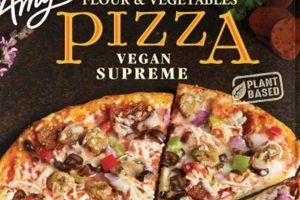
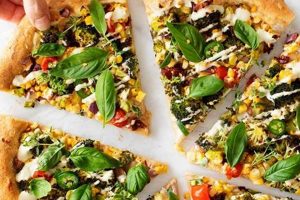
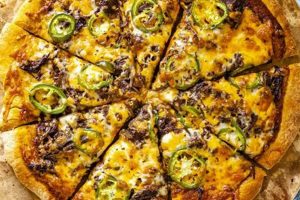
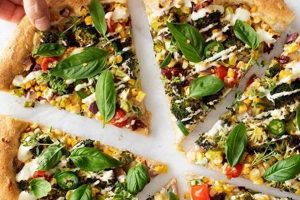
A plant-based variation of a traditionally cheese-laden flatbread, this dish substitutes dairy-based ingredients with alternatives derived from plants. These alternatives often include cashew-based creams, nutritional yeast, or other manufactured cheeses designed to replicate the texture and flavor of conventional dairy. For example, a pizza featuring a creamy cashew sauce, roasted garlic, spinach, and mushrooms on a whole-wheat crust exemplifies this culinary adaptation.
This approach to pizza preparation offers several advantages, appealing to individuals adhering to a plant-based diet, those with lactose intolerance, or consumers seeking healthier alternatives. Its popularity reflects the growing demand for sustainable and ethical food choices. Historically, the development of viable dairy substitutes has been crucial to the feasibility and wider adoption of such dishes, allowing individuals to enjoy familiar flavors while aligning with their dietary preferences.
The subsequent sections will delve into specific techniques for crafting delicious, plant-based white flatbreads, exploring ingredient options, discussing flavor profiles, and offering practical tips for achieving optimal results in a home kitchen environment. This includes assessing different dairy alternatives and constructing a satisfying white base.
Crafting a Superior Plant-Based White Flatbread
Achieving an exemplary version of this dish requires attention to detail and careful ingredient selection. The following recommendations offer insights into optimizing the preparation process.
Tip 1: Select High-Quality Dairy Replacements: The foundation of any successful iteration relies on the chosen substitutes. Evaluate options such as cashew cream, almond ricotta, or commercially available plant-based mozzarella. Consider the flavor profile and melting properties of each alternative.
Tip 2: Optimize Flavor with Aromatic Infusions: Enhance the complexity of the sauce by infusing olive oil with garlic, herbs (such as rosemary or thyme), or chili flakes. This imparts a depth of flavor that complements the subtler notes of the dairy-free cheese alternatives.
Tip 3: Employ a Pre-Baking Technique: Partially baking the crust before adding toppings prevents a soggy base. This ensures structural integrity and enhances the overall textural experience.
Tip 4: Incorporate Roasted Vegetables: Roasting vegetables such as garlic, onions, mushrooms, or bell peppers intensifies their sweetness and adds a savory dimension to the flatbread.
Tip 5: Utilize Nutritional Yeast Strategically: Nutritional yeast provides a cheesy, umami flavor that can augment the dairy-free cheese alternatives. Use it sparingly, as excessive amounts can result in an overpowering taste.
Tip 6: Adjust Baking Time Based on Crust Thickness: Monitor the crust closely during baking. Thinner crusts require less time, while thicker crusts may necessitate extended periods to ensure thorough cooking.
Tip 7: Finish with Fresh Herbs and a Drizzle of High-Quality Olive Oil: After baking, garnish with fresh basil, oregano, or parsley. A final drizzle of extra virgin olive oil adds richness and enhances the overall presentation.
By adhering to these principles, one can effectively produce a satisfying and flavorful plant-based white flatbread that rivals its traditional counterpart.
The subsequent section will conclude by summarizing the key points discussed and offering concluding thoughts on the ongoing evolution of plant-based cuisine.
1. Crust Texture

Crust texture is a pivotal element in the overall sensory experience of plant-based white flatbread. It provides the structural foundation, impacts the perceived quality, and influences the interplay of flavors and other components.
- Thin and Crispy Crusts
Thin crusts offer a light and delicate texture, allowing the flavors of the toppings to take precedence. They often require higher baking temperatures and shorter cooking times to achieve the desired crispness. In the context of plant-based white flatbread, this style can be particularly effective when paired with lighter toppings and creamy cashew-based sauces, preventing an overly heavy or greasy final product.
- Thick and Chewy Crusts
Thick crusts provide a substantial base with a more pronounced chewiness. These crusts often require longer proofing times to develop their characteristic texture. When used in plant-based white flatbread, a thicker crust can effectively support heavier toppings and sauces, offering a more robust and filling dish. The breadier texture can also complement the savory flavors of roasted vegetables and dairy-free cheese alternatives.
- Gluten-Free Crusts
Gluten-free crusts introduce unique textural challenges due to the absence of gluten, which provides elasticity and structure. Achieving a desirable texture often requires specialized flour blends and binders. When used in a plant-based white flatbread, a well-formulated gluten-free crust can broaden the appeal to individuals with gluten sensitivities while still delivering a satisfactory textural experience. Common ingredients include rice flour, tapioca starch, and potato starch, often combined with xanthan gum.
- Whole Wheat Crusts
Whole wheat crusts offer a nuttier flavor and a slightly denser texture compared to white flour crusts. They also provide increased nutritional value due to the presence of bran and germ. A whole wheat crust can add complexity and depth to the flavor profile of a plant-based white flatbread, especially when paired with earthy toppings such as mushrooms, spinach, or roasted garlic.
In summary, the selection of crust texture significantly impacts the overall enjoyment of a plant-based white flatbread. The ideal choice depends on the desired balance of flavors, the weight and type of toppings, and individual preferences. Careful consideration of these factors is essential for creating a satisfying and well-balanced dish.
2. Sauce Creaminess
Sauce creaminess stands as a critical element in achieving a palatable and texturally satisfying plant-based white flatbread. It replicates the richness and mouthfeel traditionally associated with dairy-based sauces, contributing significantly to the overall sensory experience.
- Cashew-Based Sauces
Cashews, when soaked and blended, create a naturally creamy base suitable for a white sauce alternative. The process of soaking softens the nuts, allowing them to blend into a smooth, luxurious texture. This option provides a neutral flavor profile, easily adaptable to various seasonings and herb infusions. Its versatility makes it a prevalent choice for emulating the richness of traditional cream-based sauces on plant-based white flatbread.
- Sunflower Seed-Based Sauces
Sunflower seeds offer another alternative for achieving sauce creaminess. Similar to cashews, sunflower seeds require soaking to soften before blending. This results in a sauce with a somewhat earthier flavor compared to cashew-based options. Its affordability and accessibility make it a practical alternative. However, the flavor may require adjustments with lemon juice or vinegar to balance the inherent nuttiness, particularly when emulating the flavor of ricotta or similar cheeses.
- Coconut Cream-Based Sauces
Coconut cream, derived from the thick, solid portion of refrigerated coconut milk, presents a naturally creamy option. Its distinct flavor, however, necessitates careful consideration when incorporated into a white sauce. While providing a desirable texture, the coconut flavor may clash with certain herbs or toppings traditionally associated with white flatbread. This option is best suited for dishes where the subtle sweetness of coconut complements the overall flavor profile.
- Thickening Agents: Modified Starches and Gums
Beyond nut- and seed-based options, thickening agents like modified starches (tapioca, cornstarch) and gums (xanthan, guar) play a crucial role in achieving and maintaining sauce creaminess. These ingredients impart viscosity, preventing the sauce from becoming watery or thin during baking. Their inclusion ensures a stable, consistent texture that adheres well to the crust and toppings, contributing to a more satisfying eating experience.
The selection and skillful application of methods for achieving sauce creaminess significantly impact the success of a plant-based white flatbread. Whether employing cashew cream, sunflower seed mixtures, coconut cream, or carefully calibrated thickening agents, the resulting texture determines the level of approximation to its dairy-based counterpart and contributes substantially to consumer satisfaction.
3. Dairy Alternatives
The successful execution of plant-based white flatbread relies fundamentally on the selection and application of dairy alternatives. These substitutes aim to replicate the textural and flavor characteristics of traditional dairy products, enabling individuals adhering to plant-based diets to enjoy familiar culinary experiences. The following explores key facets of these alternatives.
- Plant-Based Cheeses
These products, often manufactured from nuts (cashews, almonds), seeds (sunflower, sesame), soy, or coconut oil, represent a direct substitute for dairy cheese. Their formulation attempts to emulate the melting properties, stretch, and flavor profiles of mozzarella, ricotta, and parmesan. Examples include commercially available vegan mozzarella made from tapioca starch and coconut oil, or cashew-based ricotta crafted through fermentation and careful seasoning. The success of plant-based white flatbread often hinges on the quality and suitability of these cheeses.
- Nutritional Yeast
This deactivated yeast, known for its savory and umami flavor, serves as a flavor enhancer in plant-based cuisine. Its “cheesy” notes make it a valuable addition to white sauce preparations, providing depth and complexity. While it does not replicate the texture of cheese, its flavor contribution is significant. Nutritional yeast is frequently sprinkled directly onto the flatbread or incorporated into cashew-based creams to amplify their savory character.
- Plant-Based Cream Sauces
As previously outlined, creamy sauces derived from cashews, sunflower seeds, or coconut milk offer an alternative to dairy-based cream sauces. These sauces provide the necessary moisture and richness to the flatbread, acting as a base for other toppings and flavorings. Proper preparation, including soaking and blending, is crucial for achieving a smooth and desirable consistency. These sauces may also incorporate vegetable purees (cauliflower, potato) to further enhance creaminess and add subtle flavor nuances.
- Tofu-Based Ricotta
Tofu, particularly firm or extra-firm varieties, can be processed to mimic the texture and appearance of ricotta cheese. Crumbled and seasoned with herbs, lemon juice, and nutritional yeast, it offers a protein-rich and relatively neutral-flavored alternative. This approach provides a more affordable and accessible option compared to some commercially produced plant-based cheeses, although achieving a precise replication of ricotta’s flavor and texture requires careful preparation.
The utilization of these dairy alternatives represents a spectrum of approaches to replicating the essence of traditional white flatbread in a plant-based context. Each option presents distinct advantages and disadvantages, influencing the final product’s flavor, texture, and overall appeal. The ongoing innovation in plant-based food technology continues to expand the range and quality of these substitutes, contributing to the increasing feasibility and desirability of plant-based white flatbread.
4. Herb Infusions
Herb infusions play a pivotal role in elevating the flavor profile of plant-based white flatbread, effectively compensating for the absence of dairy’s inherent richness. Infusing oils, particularly olive oil, with aromatic herbs allows for the extraction and concentration of volatile compounds, transferring their essence into the flatbread. This process not only enhances the base flavor but also contributes to a more complex and satisfying sensory experience. For instance, garlic-infused olive oil introduces pungent, savory notes, while rosemary-infused oil imparts an earthy, aromatic dimension. Without these infusions, the plant-based flatbread may lack depth and complexity, potentially resulting in a bland or uninspired culinary outcome.
The selection of appropriate herbs for infusion directly impacts the final taste profile. Basil, oregano, and thyme are frequently employed to evoke traditional Italian flavors, aligning with the culinary origins of the flatbread. The infusion process itself requires careful consideration; prolonged exposure to heat can degrade the herbs, leading to bitter or off-flavors. A gentle, controlled heating process, typically involving simmering the herbs in oil for a specified duration, is essential to extract the desired aromatic compounds without compromising their integrity. Furthermore, the type of oil used influences the infusion’s quality; extra virgin olive oil, known for its robust flavor and high polyphenol content, serves as an optimal medium for these infusions.
In conclusion, herb infusions represent an indispensable component of plant-based white flatbread, serving to augment flavor complexity and compensate for the lack of dairy-derived umami. The meticulous selection of herbs, coupled with a controlled infusion process, directly dictates the success of the dish. This understanding is crucial for chefs and home cooks alike seeking to craft a satisfying and flavorful plant-based alternative to traditional white flatbread. The continued exploration of novel herb combinations and infusion techniques holds the potential to further refine and elevate this culinary adaptation.
5. Vegetable Roasting

Vegetable roasting constitutes a critical process in the preparation of plant-based white flatbread. The application of dry heat to vegetables, typically at temperatures exceeding 400F, induces Maillard reactions and caramelization. These chemical transformations result in enhanced sweetness, intensified savory flavors (umami), and altered textures within the vegetables. This is not just about cooking vegetables; its about unlocking deeper flavors that are essential when dairy is removed. For example, roasting garlic transforms its pungent flavor into a mellow sweetness that infuses the entire flatbread. Similarly, roasted onions develop a depth of flavor that contrasts nicely with the base. The absence of these intensified flavors creates a void that necessitates alternative methods of enhancing the dish’s palatability.
The selection of vegetables for roasting is dictated by their inherent flavor profiles and their ability to complement the other components of the plant-based flatbread. Root vegetables, such as carrots and parsnips, yield particularly well to roasting, developing a concentrated sweetness. Members of the allium family, including garlic and onions, release complex flavors that are integral to the overall taste. Peppers, both sweet and spicy, contribute a textural contrast and nuanced heat. The practical significance lies in understanding that the roasting process must be carefully controlled to prevent burning or undercooking. Factors such as vegetable density, size, and moisture content influence the optimal roasting time. Also, knowing that the caramelized sugars contribute to a savory flavor profile rather than a sweet dessert-like flavor and how it combines well is extremely important.
In summary, vegetable roasting acts as a pivotal flavor enhancement technique in plant-based white flatbread, compensating for the absence of dairy-derived richness. Controlled application of dry heat transforms vegetables, unlocking complex flavors and textures that are essential to achieving a satisfying culinary outcome. The appropriate selection of vegetables and careful management of the roasting process ensure that the resulting dish is both flavorful and texturally appealing. Ignoring this step results in a lacking final version of vegan white pizza.
Frequently Asked Questions About Vegan White Pizza
The following questions address common inquiries and concerns regarding the preparation, ingredients, and characteristics of this variation of traditional pizza. These answers aim to provide clarity and dispel misconceptions.
Question 1: What distinguishes this flatbread from traditional white pizza?
The primary distinction lies in the substitution of dairy-based ingredients with plant-derived alternatives. Traditional white pizza relies on cheeses such as ricotta and mozzarella, whereas this flatbread employs cashew cream, plant-based mozzarella, or similar substitutes.
Question 2: What are common dairy alternatives used?
Typical replacements include cashew-based creams, nutritional yeast, almond ricotta, and commercially produced plant-based mozzarella cheeses derived from tapioca or other starches.
Question 3: Does the absence of dairy impact flavor?
While a slight difference in taste profile is unavoidable, careful seasoning and strategic use of umami-rich ingredients such as roasted garlic, herbs, and nutritional yeast can effectively compensate, resulting in a satisfying flavor experience.
Question 4: Is it suitable for individuals with allergies?
Consideration must be given to the specific ingredients used. Nut-based dairy substitutes are unsuitable for individuals with nut allergies, and soy-based options pose a risk for those with soy sensitivities. Alternatives based on sunflower seeds or coconut may be more appropriate in such cases.
Question 5: Is its preparation more difficult than traditional pizza?
The preparation is not inherently more complex, though familiarity with the behavior and handling of dairy substitutes is beneficial. Some ingredients, such as cashew cream, may require advance preparation or longer soaking times.
Question 6: What nutritional benefits does it offer?
The nutritional profile varies based on the ingredients. It may offer lower levels of saturated fat and cholesterol compared to its traditional counterpart. The inclusion of whole grains and vegetables can enhance its fiber and vitamin content.
The answers above offer foundational insights into the nature and characteristics of this type of flatbread. Further exploration of specific recipes and techniques can provide more detailed understanding.
The subsequent section will address common myths and misconceptions surrounding plant-based cuisine in general.
Conclusion
This exploration has illuminated the key components and techniques involved in crafting satisfactory plant-based white flatbread. The substitution of dairy products necessitates careful consideration of flavor profiles, textures, and ingredient interactions. Emphasis has been placed on optimizing crust characteristics, achieving sauce creaminess, and strategically employing dairy alternatives, herb infusions, and roasted vegetables.
The continued evolution of plant-based cuisine suggests an expanding repertoire of ingredients and techniques. Further refinement of dairy substitutes and increased understanding of flavor dynamics will contribute to the ongoing improvement and wider acceptance of dishes such as vegan white pizza. Continued exploration and experimentation within this culinary domain are warranted, reflecting a commitment to both dietary diversity and culinary innovation.