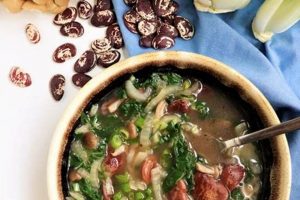
A plant-based adaptation of a traditionally meat-laden dish, this comforting broth features small pasta, often pastina or acini di pepe, and a medley of vegetables such as spinach, kale, or escarole. The absence of animal products necessitates creative substitutions, often employing plant-based “meatballs” crafted from legumes, grains, and vegetables, and a vegetable broth base rich in flavor. It’s a hearty and flavorful alternative, suitable for those adhering to a vegan lifestyle or seeking a lighter, healthier option.
This variation provides a compassionate and inclusive option for celebratory meals, particularly weddings, where dietary restrictions and preferences are increasingly common. By omitting meat and dairy, the dish becomes accessible to a wider range of guests, promoting inclusivity and aligning with ethical considerations. Moreover, this plant-based iteration can offer significant health benefits due to the increased intake of fiber and reduced levels of saturated fat found in animal products.
The following sections will explore specific recipes, ingredient substitutions, preparation techniques, and regional variations of this evolving culinary creation, providing a comprehensive guide to creating a delicious and satisfying meal.
Tips for Preparing a Superior Vegan Wedding Soup
Achieving exceptional flavor and texture in a plant-based rendition of this classic dish requires careful consideration of ingredients and techniques. The following tips offer guidance for elevating the final product.
Tip 1: Prioritize a Rich Broth. The foundation of the flavor profile rests on the quality of the vegetable broth. Utilize homemade broth, or opt for a low-sodium variety with nuanced vegetal notes. Consider enhancing the broth with dried mushrooms or a splash of white wine during the simmering process for added depth.
Tip 2: Master the Art of Plant-Based Meatballs. The “meatballs” are central to replicating the traditional experience. A combination of lentils, grains (such as quinoa or brown rice), finely chopped vegetables (onion, carrots, celery), and herbs (parsley, oregano) yields a satisfying texture and flavor. Ensure the mixture is well-bound with a flax egg or breadcrumbs to prevent disintegration during cooking.
Tip 3: Employ Nutritional Yeast for Umami. To compensate for the savory notes typically derived from meat, incorporate nutritional yeast into the broth and/or meatball mixture. This deactivated yeast imparts a cheesy, umami flavor that enhances the overall taste profile.
Tip 4: Blanch Greens Strategically. To prevent bitterness and maintain vibrant color, blanch leafy greens (spinach, kale, escarole) separately before adding them to the soup. Briefly immerse them in boiling water, then shock them in ice water to halt the cooking process. This ensures a more palatable texture and visual appeal.
Tip 5: Choose Small Pasta Varieties Judiciously. Acini di pepe or pastina are ideal for this dish. Monitor the cooking time closely to avoid overcooking and mushiness. Adding the pasta towards the end of the simmering process ensures a perfectly al dente texture.
Tip 6: Temper the Tofu (If Using). If incorporating tofu for protein, press it thoroughly to remove excess water. Crumble and pan-fry the tofu with seasonings before adding it to the soup for improved texture and flavor.
Tip 7: Season to Taste Incrementally. Add salt, pepper, and other seasonings gradually, tasting and adjusting as needed. The flavors will meld and intensify as the soup simmers. Consider a squeeze of lemon juice just before serving to brighten the overall flavor.
These guidelines will assist in developing a flavorful, texturally pleasing, and visually appealing plant-based rendition of the traditional dish, suitable for any occasion.
The subsequent sections will address serving suggestions, potential variations, and storage recommendations to ensure optimal enjoyment of this refined culinary creation.
1. Broth foundation (flavor).

The flavor profile of the dish hinges predominantly on the broth foundation. As a plant-based adaptation omits traditional meat-based broths, careful selection and preparation of the vegetable broth are essential to replicating the depth and complexity of the original recipe.
- Vegetable Selection and Roasting
The choice of vegetables directly impacts the broth’s flavor. Roasting vegetables like onions, carrots, celery, and garlic before simmering them in water caramelizes their sugars, resulting in a richer, sweeter, and more complex flavor profile. This technique mimics some of the Maillard reaction products found in meat-based broths, contributing to a greater sense of umami.
- Herb and Spice Infusion
Herbs and spices contribute layers of aroma and flavor. Bay leaves, thyme, rosemary, and parsley are common choices. Toasting spices like peppercorns, coriander seeds, or fennel seeds before adding them to the broth releases their volatile oils, intensifying their flavor. The judicious use of these aromatics can compensate for the absence of meat-derived flavors.
- Mushroom Incorporation
Dried mushrooms, such as shiitake or porcini, are a potent source of umami. Simmering them in the broth infuses it with a deep, savory flavor that approximates the richness found in traditional meat-based broths. The broth can then be strained to remove the mushrooms, leaving behind their essence.
- Deglazing with Wine or Vinegar
Deglazing the pot with a splash of white wine or a touch of vinegar after roasting the vegetables adds acidity and complexity to the broth. The wine or vinegar loosens any flavorful fond stuck to the bottom of the pot, incorporating it into the broth. This technique contributes to a more balanced and nuanced flavor profile.
These techniques collectively contribute to a robust and flavorful broth foundation, which is crucial for the success of the dish. By carefully selecting vegetables, incorporating herbs and spices, utilizing mushrooms, and deglazing with wine or vinegar, the resulting broth can provide the depth and complexity needed to create a satisfying and flavorful plant-based rendition. Without a well-developed broth, the final product may lack the essential savory notes and overall richness that defines the dish.
2. Plant-based meatballs (texture).

The textural component of plant-based meatballs is pivotal to replicating the sensory experience of traditional meat-based versions within the context of a plant-based wedding soup. The absence of ground meat necessitates a deliberate construction of texture using alternative ingredients and techniques. The success of this substitution directly influences the overall palatability and satisfaction derived from the dish. For instance, if the meatballs are overly dense or mushy, they fail to emulate the springy, slightly yielding texture of their meat-based counterparts, detracting from the anticipated culinary experience. Conversely, a well-executed plant-based meatball can provide a textural anchor that complements the soft pasta and tender vegetables, contributing significantly to a more complete and enjoyable plant-based version.
Achieving optimal texture in plant-based meatballs involves careful consideration of ingredient ratios and processing methods. A common approach combines legumes (such as lentils or chickpeas), cooked grains (quinoa or brown rice), and finely diced vegetables (onions, carrots, celery). Binders, such as breadcrumbs or flaxseed meal, are essential for holding the mixture together and preventing it from crumbling during cooking. The addition of ingredients like shredded tofu or mashed potatoes can further enhance the moistness and create a more tender texture. Examples of successful plant-based meatballs include those utilizing a blend of black beans, cooked rice, and finely chopped walnuts, providing a hearty and satisfying texture; or those incorporating crumbled tempeh, offering a slightly firm and chewy bite.
In summary, the textural attributes of plant-based meatballs are not merely an ancillary detail, but a critical factor determining the success of a plant-based wedding soup. By carefully manipulating ingredient combinations and cooking techniques, it is possible to create plant-based meatballs that provide a compelling textural counterpoint to the other components of the soup, resulting in a more satisfying and authentic plant-based culinary experience. Challenges remain in perfectly replicating the texture of meat, but continued experimentation and refinement of recipes are yielding increasingly convincing results.
3. Greens (nutrient source).
The inclusion of greens within a plant-based version of this comforting dish represents a significant nutritional enhancement compared to traditional iterations. These leafy vegetables contribute essential vitamins, minerals, and dietary fiber, underscoring their importance as a foundational element of the recipe.
- Vitamin Provision
Leafy greens are rich sources of vitamins A, C, and K. Vitamin A supports vision and immune function; vitamin C acts as an antioxidant and aids in collagen synthesis; and vitamin K is crucial for blood clotting and bone health. The inclusion of greens such as spinach or kale significantly boosts the vitamin content of the soup, promoting overall well-being.
- Mineral Content
Greens provide essential minerals, including iron, calcium, and potassium. Iron is vital for oxygen transport; calcium is necessary for bone health; and potassium aids in maintaining healthy blood pressure. The specific mineral content varies depending on the type of green incorporated; for example, collard greens are particularly high in calcium, while spinach is a good source of iron.
- Dietary Fiber Contribution
Dietary fiber, abundant in leafy greens, promotes digestive health and contributes to feelings of satiety. Fiber helps regulate blood sugar levels and may reduce the risk of chronic diseases such as type 2 diabetes and heart disease. The addition of greens to the soup increases its fiber content, enhancing its nutritional value.
- Antioxidant Properties
Many leafy greens contain antioxidants, such as flavonoids and carotenoids, which protect cells from damage caused by free radicals. These antioxidants contribute to reducing inflammation and may lower the risk of certain cancers. The presence of these compounds elevates the soup’s health-promoting qualities.
Therefore, the incorporation of greens into this dish is not merely a culinary consideration but a deliberate strategy to increase its nutrient density and promote health. The synergistic effect of vitamins, minerals, fiber, and antioxidants from the leafy vegetables transforms the soup into a nourishing and wholesome meal, suitable for individuals seeking both comfort and nutritional benefits. Choosing a variety of greens further enhances the dish’s nutritional profile, ensuring a comprehensive array of beneficial compounds.
4. Pasta (structure).

The structural integrity of pasta within a plant-based adaptation of this classic soup significantly influences its overall texture and palatability. Selection of appropriate pasta varieties and precise cooking techniques are crucial to maintaining a desirable consistency and preventing disintegration within the broth.
- Variety Selection: Acini di Pepe and Pastina
Acini di pepe and pastina are commonly employed due to their small size and relatively quick cooking time. These miniature pasta shapes contribute to the soup’s delicate texture without overwhelming the other components. The small size allows for even distribution throughout the broth, ensuring a consistent textural experience in each spoonful.
- Cooking Time and Texture Degradation
Overcooking pasta results in starch release, leading to a thickened and potentially gluey broth. Precise monitoring of cooking time is essential to prevent textural degradation. The pasta should be cooked “al dente,” retaining a slight firmness to the bite. Residual cooking continues even after the heat source is removed; therefore, undercooking slightly is often preferable to overcooking.
- Starch Content and Broth Viscosity
Pasta varieties differ in their starch content, impacting the viscosity of the broth. High-starch pasta can contribute to an excessively thick and starchy soup, while lower-starch options maintain a more delicate consistency. Consideration of starch content is particularly important when adapting traditional recipes to plant-based versions, as the absence of meat-derived gelatin necessitates careful management of broth thickness.
- Gluten-Free Alternatives and Structural Integrity
Gluten-free pasta options, crafted from ingredients such as rice flour or corn flour, present unique structural challenges. These alternatives often have a more fragile texture and are more susceptible to disintegration during cooking. When using gluten-free pasta, vigilant monitoring of cooking time and gentle handling are crucial to maintaining structural integrity.
The interplay between pasta variety, cooking time, starch content, and the potential use of gluten-free alternatives underscores the importance of a deliberate approach to pasta selection and preparation. Achieving a balance between structural integrity and textural contribution is critical to the success of a plant-based rendition. Neglecting these factors can compromise the overall sensory experience and detract from the dish’s intended comforting qualities.
5. Seasoning (balancing tastes).

The role of seasoning is critical in transforming simple ingredients into a cohesive and flavorful plant-based adaptation of traditional cuisine. In the context of plant-based wedding soup, the strategic application of seasonings is essential to compensating for the absence of meat-derived umami and achieving a balanced, satisfying taste profile.
- Salt and Sodium Chloride Dynamics
Salt, the primary source of sodium chloride, serves as a foundational seasoning, enhancing the inherent flavors of the other ingredients. Its judicious use elevates the sweetness of vegetables, balances acidity, and amplifies umami notes derived from mushrooms or nutritional yeast. Over-salting masks subtle flavors, while insufficient salt results in a bland and uninspired dish. Low-sodium alternatives may be employed, requiring careful adjustments to maintain the desired taste intensity. The sourcing of salt, from sea salt to kosher salt, can subtly alter the final flavor profile.
- Acidity and its Balancing Role
The introduction of acidic elements, such as lemon juice, vinegar, or white wine, provides a counterpoint to the richness of the broth and plant-based meatballs. Acidity cuts through the perceived heaviness of the soup, creating a more balanced and refreshing taste experience. Lemon juice, added towards the end of the cooking process, brightens the overall flavor and complements the herbaceous notes of the other seasonings. Excessive acidity, however, can result in a sour or tart soup, necessitating careful calibration.
- Herbs and Spices as Flavor Modifiers
Aromatic herbs and spices contribute layers of complexity and depth to the flavor profile. Bay leaves, thyme, rosemary, oregano, and parsley are commonly used to impart herbaceous notes. Spices such as black pepper, nutmeg, and garlic powder add warmth and subtle pungency. The careful selection and proportioning of these herbs and spices is crucial to achieving a harmonious blend of flavors. Overuse of any single herb or spice can dominate the overall taste, overshadowing the other ingredients.
- Umami Enhancement Strategies
The absence of meat necessitates strategies to replicate the umami notes traditionally associated with animal products. Nutritional yeast, a deactivated yeast with a cheesy, savory flavor, serves as an effective umami enhancer. Dried mushrooms, particularly shiitake or porcini, contribute a deep, earthy flavor that mimics the richness of meat-based broths. Soy sauce or tamari, in moderation, can also provide umami depth. Careful experimentation with these ingredients is essential to achieving a satisfying umami profile without overpowering the other flavors.
Ultimately, the successful seasoning of plant-based wedding soup depends on a nuanced understanding of flavor interactions and a willingness to adjust the seasoning levels iteratively throughout the cooking process. Balancing saltiness, acidity, herbaceousness, and umami is essential to creating a harmonious and flavorful dish that satisfies the palate and compensates for the absence of meat-derived flavors. This process of flavor calibration is an ongoing refinement, adapting to the specific ingredients and individual taste preferences.
6. Ingredient sourcing (freshness).

The quality and flavor profile of a plant-based wedding soup are inextricably linked to the freshness of its constituent ingredients. Unlike preparations relying on animal-derived fats or long-simmered broths to mask subtle flavor deficiencies, plant-based cuisine demands heightened attention to ingredient quality. Suboptimal freshness in vegetables, herbs, or even dried goods directly translates to a diminished sensory experience, impacting the overall success of the dish.
The impact is multifaceted. Wilted greens, for instance, impart a bitter and less vibrant flavor, detracting from the soup’s visual appeal and nutritional value. Stale herbs lack their characteristic aromatic intensity, compromising the complexity of the broth. Even the age of dried legumes used for plant-based meatballs influences their texture and cooking time, potentially resulting in a less cohesive and flavorful final product. Conversely, utilizing freshly harvested vegetables, recently dried herbs, and newly purchased legumes ensures optimal flavor expression, contributing to a more vibrant and nuanced plant-based wedding soup. Examples include using garden-fresh spinach versus pre-packaged, older spinach, which will have significantly more flavor and a better texture after cooking. Similarly, using herbs recently dried versus herbs that have been sitting in a pantry for a year or more will impart a more potent and complex aroma.
Ingredient sourcing and freshness, therefore, transcend mere logistical considerations. They represent a fundamental principle in plant-based cuisine, dictating the final quality and enjoyment of the dish. While skillful cooking techniques can enhance flavors, they cannot fully compensate for inherently substandard ingredients. Prioritizing the procurement of fresh, high-quality components is paramount to creating a plant-based wedding soup that rivals or surpasses its traditional counterpart in flavor, texture, and nutritional value. This commitment ensures the finished dish reflects the true potential of plant-based ingredients and honors the intention behind a wholesome, celebratory meal.
7. Serving (presentation).
The visual presentation of plant-based adaptations of classic dishes, such as the featured soup, significantly influences the diner’s initial perception and overall satisfaction. Skillful plating techniques and thoughtful garnishing elevate the dish beyond mere sustenance, transforming it into an aesthetically pleasing and celebratory culinary experience.
- Garnish Selection and Color Contrasts
The strategic use of garnishes introduces visual interest and textural variety. Fresh herbs, such as parsley or chives, provide a vibrant green counterpoint to the soup’s dominant color palette. A swirl of plant-based cream or a drizzle of high-quality olive oil adds visual richness and enhances the perceived luxuriousness of the dish. Edible flowers, when appropriate, contribute a delicate and elegant touch. Consideration of color contrasts ensures a visually appealing presentation that stimulates the appetite.
- Bowl Selection and Soup Proportions
The choice of serving bowl influences the perceived portion size and overall aesthetic. Shallow bowls highlight the ingredients and broth, while deeper bowls create a sense of abundance. The proportion of soup to solids is crucial; an excessive amount of broth can appear watery and unappetizing, while insufficient broth may result in a dry and unfulfilling experience. Garnishing the rim of the bowl with herbs or a sprinkle of spices adds a finishing touch that elevates the presentation.
- Temperature Considerations and Visual Appeal
Serving temperature directly impacts the sensory experience. Serving the soup at an optimal temperature, neither scalding hot nor lukewarm, ensures the flavors are fully expressed and the texture remains pleasing. Maintaining the structural integrity of the ingredients during plating prevents a mushy or unappetizing appearance. Overcrowding the bowl with ingredients detracts from the visual appeal and makes it difficult to appreciate the individual components of the dish.
- Plating Techniques for Height and Dimension
Elevating the presentation through techniques such as layering and creating height adds visual dimension. Strategically arranging the plant-based meatballs and vegetables on top of the pasta creates a more dynamic and visually interesting presentation. Dusting the rim of the bowl with a fine layer of paprika or nutritional yeast introduces subtle color variations and textural contrasts. Consideration of negative space allows the ingredients to stand out, preventing a cluttered and overwhelming appearance.
The art of presentation extends beyond mere aesthetics. It reflects a respect for the ingredients and a commitment to providing a complete and satisfying dining experience. By thoughtfully considering garnish selection, bowl choice, temperature control, and plating techniques, one can transform a simple bowl of soup into a visually stunning and memorable culinary creation. The careful attention to detail inherent in the plating process underscores the importance of presentation in elevating the perception and enjoyment of this plant-based adaptation.
Frequently Asked Questions
The following elucidates common inquiries regarding the creation and consumption of plant-based adaptations of a traditionally meat-based soup, aiming to provide clarity and dispel misconceptions.
Question 1: Is a plant-based rendition authentically reflective of its traditional counterpart?
While the fundamental structure remains, the absence of animal products necessitates ingredient substitutions. A plant-based adaptation prioritizes replicating the core flavor profile and textural elements through alternative means, resulting in a variation rather than an identical replica.
Question 2: What are the primary protein sources in a plant-based adaptation?
Protein is derived from legumes (lentils, chickpeas), grains (quinoa, brown rice), and plant-based meat alternatives, such as crumbled tempeh or tofu. Careful combination of these ingredients ensures adequate protein content and textural diversity.
Question 3: Does a plant-based iteration offer comparable nutritional value to the original?
A plant-based version can surpass the nutritional value of the traditional recipe due to the increased fiber content from vegetables and legumes, reduced saturated fat, and the absence of cholesterol. Vitamin and mineral content are contingent on the specific vegetables incorporated.
Question 4: What strategies mitigate the potential blandness associated with meatless broths?
Enhancing the broth with roasted vegetables, dried mushrooms, nutritional yeast, and a careful balance of herbs and spices contributes depth and complexity. Long simmering times allow flavors to meld and intensify.
Question 5: Can this culinary creation accommodate individuals with gluten sensitivities?
Yes, gluten-free pasta alternatives (rice flour, corn flour) can be substituted. Binders used in plant-based meatballs, such as breadcrumbs, must also be replaced with gluten-free options like almond flour or gluten-free breadcrumbs.
Question 6: How does the storage of a plant-based adaptation compare to that of the traditional dish?
Plant-based versions generally exhibit comparable shelf life to their meat-containing counterparts, provided proper refrigeration and storage techniques are employed. However, monitoring for signs of spoilage remains crucial.
In summary, plant-based adaptations represent a versatile and nutritious alternative to traditional recipes, offering dietary inclusivity and ethical considerations without sacrificing flavor or enjoyment.
The following segment will explore potential variations and creative adaptations of this plant-based culinary creation.
Conclusion
This exploration of “vegan wedding soup” has illuminated its potential as a flavorful, nutritious, and ethically considerate alternative to traditional recipes. The key elements for a successful plant-based adaptationa rich broth, texturally pleasing plant-based meatballs, strategically selected greens, and appropriately chosen pastademand careful consideration and execution. Addressing potential challenges, such as replicating umami and maintaining structural integrity, requires informed ingredient selection and precise cooking techniques.
The widespread adoption of plant-based diets and the increasing awareness of dietary sensitivities necessitate culinary innovations that cater to diverse needs and values. “Vegan wedding soup” exemplifies this trend, demonstrating that classic dishes can be reimagined to align with contemporary ethical and health concerns. As culinary landscapes continue to evolve, further experimentation and refinement of plant-based recipes will undoubtedly expand the repertoire of inclusive and satisfying meals. Consider exploring the many variations of this dish and adapting it to your personal preferences and dietary requirements, contributing to the ongoing evolution of plant-based cuisine.