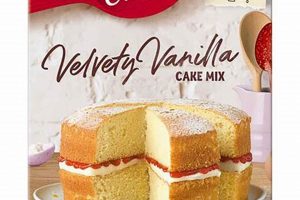
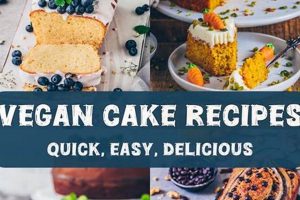
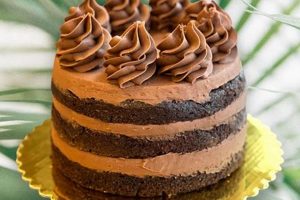
A plant-based adaptation of a classic dessert, this confection replaces traditional animal-derived ingredients like eggs, butter, and milk with suitable vegan alternatives. Common substitutes include plant-based butter alternatives, plant-based milks (such as soy, almond, or oat milk), and egg replacers derived from ingredients like applesauce, flaxseed, or aquafaba. The result is a layered cake typically filled with jam and plant-based cream, aiming to replicate the texture and flavor profile of the original Victoria sponge.
This type of baking allows individuals adhering to a vegan lifestyle or with specific dietary restrictions to enjoy a familiar and beloved treat. Its rise in popularity reflects a growing awareness of ethical and environmental concerns associated with animal agriculture. The historical context of the standard Victoria sponge, originating in 19th-century England, adds a layer of cultural significance to its vegan counterpart, demonstrating how traditions can be adapted to meet contemporary needs and values.
The subsequent sections will delve into the specific ingredients commonly used in creating a plant-based version, explore various techniques for achieving optimal texture and flavor, and provide guidance on troubleshooting potential challenges encountered during the baking process. Recipe variations and suggestions for fillings and toppings will also be discussed.
Essential Guidance for Plant-Based Victoria Sponge
Achieving a successful result requires careful attention to ingredient selection and baking techniques. The following guidelines are crucial for creating a palatable and visually appealing plant-based rendition of this classic dessert.
Tip 1: Selection of Plant-Based Butter: The choice of plant-based butter significantly impacts the final texture and flavor. Opt for a variety with a high fat content (typically 70% or higher) to mimic the richness of dairy butter. Avoid those with excessive water content, as they can lead to a dense and soggy cake.
Tip 2: Egg Replacer Considerations: Different egg replacers offer varying degrees of binding and leavening. Applesauce contributes moisture and mild sweetness, while flaxseed meal provides binding. Aquafaba, the liquid from canned chickpeas, can be whipped to provide aeration, mimicking the function of egg whites. Experimentation with different combinations may be necessary to achieve the desired outcome.
Tip 3: Flour Selection and Gluten Development: Cake flour, with its lower protein content, is generally preferred to minimize gluten development and produce a tender crumb. Overmixing the batter can result in a tough cake. Gently fold wet and dry ingredients together until just combined.
Tip 4: Oven Temperature and Baking Time: Accurate oven temperature is paramount. An oven thermometer is recommended to ensure precise readings. Begin checking for doneness several minutes before the suggested baking time, using a toothpick inserted into the center of the cake; it should come out clean or with a few moist crumbs.
Tip 5: Cooling and Layering: Allow the cake layers to cool completely in their pans before inverting them onto a wire rack. This prevents crumbling and ensures structural integrity. Leveling the tops of the cooled cakes with a serrated knife prior to layering will create a more visually appealing and stable final product.
Tip 6: Jam and Cream Selection: Choose a high-quality jam with a vibrant flavor profile to complement the cake. Plant-based whipping cream should be chilled thoroughly before whipping to achieve optimal volume and stability. Consider adding a stabilizer, such as a small amount of cornstarch, to prevent the cream from deflating.
Adhering to these guidelines will increase the likelihood of producing a plant-based iteration that rivals the traditional version in both taste and texture. Careful ingredient selection and precise execution are essential for success.
The following section provides detailed instructions for a specific recipe, incorporating the tips outlined above.
1. Ingredient substitutions

The creation of a plant-based version hinges entirely on strategic ingredient substitutions. Traditional Victoria sponge relies heavily on eggs, butter, and milk, each contributing unique properties to the final product. Eggs provide binding, leavening, and moisture; butter contributes to richness, tenderness, and flavor; and milk adds moisture and helps emulsify the batter. To create a convincing, plant-based analogue, each of these roles must be fulfilled by alternative ingredients.
For instance, plant-based butter alternatives, often made from vegetable oils, replace dairy butter to provide fat content and contribute to tenderness. However, variations in fat and water content among plant-based butters can significantly impact the cake’s texture. Egg replacers, such as flaxseed meal mixed with water, applesauce, or aquafaba, are used to mimic the binding and leavening properties of eggs. Different egg replacers offer varying results; flaxseed meal primarily provides binding, while aquafaba can be whipped to create airiness. Plant-based milks, like soy, almond, or oat milk, substitute dairy milk, adding moisture and aiding in batter consistency. The specific choice and proportions of these substitutions directly determine the final outcome of the confection.
Successfully navigating these substitutions is paramount. Understanding the functional properties of each ingredient, both traditional and plant-based, allows for informed decisions that yield a palatable and texturally pleasing cake. Without careful consideration of these substitutions, the resulting plant-based cake may lack the desired characteristics of a Victoria sponge, highlighting the critical role ingredient substitution plays in vegan baking and the re-creation of classic recipes.
2. Texture optimization

Texture optimization is a critical factor in the successful creation of a plant-based version. The defining characteristic of a traditional Victoria sponge is its light, airy, and tender crumb. Replicating this texture without the binding and emulsifying properties of eggs and dairy presents a significant challenge. Ineffective optimization results in a dense, rubbery, or crumbly cake, failing to meet the textural expectations associated with the classic dessert. For example, using an excess of heavy plant-based butter or insufficient leavening can lead to a dense cake. Conversely, over-reliance on certain egg replacers without appropriate fat content may produce an overly crumbly result. Therefore, achieving the desired texture necessitates careful control over ingredient ratios and baking techniques.
Several strategies are employed to enhance the texture. Sifting dry ingredients, particularly flour, promotes a lighter crumb by preventing clumping. The use of cake flour, with its lower gluten content compared to all-purpose flour, minimizes gluten development and contributes to tenderness. Proper creaming of plant-based butter and sugar incorporates air into the batter, which expands during baking, creating a lighter texture. Gentle folding of wet and dry ingredients avoids overmixing, preventing excessive gluten formation. The addition of a small amount of acid, such as lemon juice or vinegar, can tenderize the gluten strands further. These techniques collectively work to counteract the absence of animal-derived ingredients and emulate the desired textural qualities.
In summary, achieving optimal texture represents a central hurdle in producing a desirable plant-based Victoria sponge. The interplay between ingredient substitutions and baking techniques directly influences the final result. By implementing strategies focused on minimizing gluten development, incorporating air, and maintaining adequate moisture, it is possible to create a plant-based rendition that closely resembles the traditional cake in texture, thereby enhancing its overall appeal and satisfying the expectations of consumers familiar with the classic dessert.
3. Flavor balancing

Flavor balancing is a critical element in the successful adaptation of a traditional Victoria sponge recipe to its plant-based equivalent. The absence of dairy and eggs necessitates careful consideration of alternative ingredients to achieve a palatable and satisfying taste profile, avoiding any undesirable or overpowering flavors.
- The Role of Plant-Based Butter:
Plant-based butter alternatives, crucial for replicating the richness of dairy butter, often possess distinct flavors that can affect the overall taste of the cake. Some varieties exhibit a subtle coconut or olive oil flavor. Selection of a neutral-tasting option is vital to avoid overpowering the delicate flavor of the sponge. For instance, a heavily flavored plant-based butter may mask the intended notes of vanilla or almond extract. This facet underscores the importance of careful ingredient selection in vegan baking.
- Addressing Egg Replacer Tastes:
Egg replacers, such as flaxseed meal or applesauce, contribute subtle but noticeable flavors. Flaxseed meal can impart a slightly nutty taste, while applesauce adds sweetness. It is important to adjust the recipe to balance these flavors. For example, reducing the added sugar content may be necessary when using applesauce as an egg replacement to prevent an overly sweet final product. This highlights the need for meticulous recipe adjustments when employing alternative ingredients.
- Enhancing Vanilla Notes:
Vanilla extract plays a vital role in flavor enhancement, compensating for the absence of dairy’s inherent richness. High-quality vanilla extract or vanilla bean paste enhances the perceived sweetness and adds complexity to the flavor profile. Increasing the amount of vanilla may be necessary in plant-based versions to replicate the full flavor experience of a traditional Victoria sponge. This illustrates the need to amplify existing flavors to achieve comparable taste intensity.
- Balancing Acidity:
A small amount of acidity, often achieved through lemon juice or apple cider vinegar, can brighten the flavors and prevent the cake from tasting flat or one-dimensional. The acidity balances the sweetness and enhances the other flavors present. A balanced approach is key; excessive acidity can result in a tangy or sour taste. Precise measurement and careful addition are required to achieve optimal flavor balance. This emphasizes the importance of understanding how acidity interacts with other flavors in vegan baking.
Successfully balancing these flavor considerations is essential for creating a plant-based iteration that is appealing and satisfying. The absence of traditional ingredients requires a nuanced approach to ingredient selection, flavor enhancement, and careful adjustment of recipe parameters. Only through mindful attention to flavor balancing can a truly comparable plant-based version be realized.
4. Moisture retention

Moisture retention is a paramount determinant of quality in plant-based Victoria sponge cake. The absence of eggs and dairy, which naturally contribute to moisture and binding, makes this aspect particularly challenging. A plant-based cake lacking adequate moisture becomes dry, crumbly, and unpalatable, deviating significantly from the intended texture and enjoyment associated with the traditional version. The cause of inadequate moisture retention often stems from improper ingredient substitutions or imbalances in the wet-to-dry ingredient ratio. An over-reliance on dry ingredients, such as flour, combined with insufficient liquid components, like plant-based milk or egg replacers, will inevitably lead to a dry final product. Similarly, over-baking, regardless of ingredient composition, will exacerbate moisture loss, resulting in a less desirable outcome.
Specific ingredient choices directly impact moisture retention. Certain plant-based butter alternatives have a lower water content than dairy butter, requiring adjustments to the liquid content of the recipe. Egg replacers like applesauce not only provide binding but also contribute moisture. However, the moisture content of different applesauce varieties can vary. The selection of plant-based milk also plays a role. For instance, oat milk, due to its higher fat content compared to almond milk, may contribute to a moister cake. Understanding the properties of these ingredients and their individual impact on moisture is crucial. Practical examples include adding a tablespoon or two of plant-based yogurt to the batter to enhance moisture retention or using a simple syrup glaze after baking to infuse the cake with additional moisture.
In conclusion, moisture retention is a key component for a successful plant-based Victoria sponge cake. Addressing the challenges of moisture loss requires a comprehensive understanding of ingredient interactions and baking techniques. Strategic adjustments to ingredient ratios, the incorporation of moisture-enhancing ingredients, and careful monitoring of baking time are essential. By prioritizing moisture retention, bakers can create a plant-based version that closely mirrors the texture and enjoyment of the traditional dessert. The practical significance lies in producing a palatable, moist, and texturally satisfying cake that adheres to plant-based dietary requirements without sacrificing the intended qualities of a classic Victoria sponge.
5. Structural integrity

Structural integrity, concerning the ability of a baked good to maintain its shape and form, presents a considerable challenge in the creation of plant-based Victoria sponge cake. The omission of eggs, a primary binding agent in traditional recipes, necessitates alternative strategies to prevent the cake from crumbling, sinking, or losing its intended layered structure. Without adequate structural support, the final product may lack aesthetic appeal and functional stability, impacting both presentation and enjoyment.
- Gluten Development Management
Gluten development significantly impacts structural integrity. Overmixing the batter, particularly when using all-purpose flour, leads to excessive gluten formation, resulting in a tough cake. Conversely, undermixing compromises the cake’s ability to hold its shape. Plant-based versions often benefit from the use of cake flour, which has a lower protein content, thereby minimizing gluten development. Techniques such as gentle folding of wet and dry ingredients are crucial for achieving a balance between structural support and a tender crumb. Inadequate gluten development, for example, could lead to a cake that crumbles excessively upon slicing.
- Selection and Application of Binding Agents
Plant-based binding agents, such as flaxseed meal, chia seeds, or commercial egg replacers, play a pivotal role in structural support. These ingredients provide adhesion and cohesion, compensating for the absence of eggs. The appropriate quantity and preparation method are critical. For instance, flaxseed meal requires hydration to form a gel-like consistency, effectively binding the ingredients. Insufficient or improper use of binding agents weakens the cake’s structure, potentially causing it to collapse or become overly fragile. An example of effective binding can be seen in cakes where the layers hold together firmly during assembly and slicing, showcasing a cohesive and stable structure.
- Leavening Agent Balance
Baking powder and baking soda contribute to the cake’s rise and overall structure. An imbalance in these leavening agents can compromise its integrity. Excess baking powder may cause the cake to rise rapidly and then collapse, while insufficient leavening results in a dense and compact structure. The leavening agents must be carefully measured and properly incorporated to achieve a uniform rise and prevent structural failure. A well-balanced leavening system produces a cake with a consistent crumb structure and sufficient internal support.
- Temperature Control During Baking and Cooling
Consistent oven temperature is crucial for uniform baking and structural stability. Fluctuations in temperature can lead to uneven rising and potential collapse. Allowing the cake to cool completely in the pan before inverting is equally important, as it allows the structure to set properly. Premature removal can result in breakage or deformation. Proper temperature management ensures that the cake develops a solid and stable framework, minimizing the risk of structural issues during and after baking. Cakes that are cooled completely in the pan maintain their shape and are less prone to crumbling or cracking upon handling.
These considerations collectively influence the structural integrity of plant-based Victoria sponge. Successfully managing gluten development, selecting and applying appropriate binding agents, balancing leavening agents, and maintaining proper temperature control are vital for creating a stable, visually appealing, and structurally sound cake. In practical terms, a well-executed cake will exhibit clean slices, maintain its layered form without collapsing, and possess a firm yet tender texture. In turn, it successfully replicates the structural attributes of its traditional counterpart.
6. Visual appeal

The visual appeal of a vegan Victoria sponge cake is a critical factor influencing consumer perception and acceptance. It establishes an immediate impression of quality and can significantly affect the overall enjoyment of the dessert. Given that plant-based versions often aim to replicate the sensory experience of their traditional counterparts, a failure to achieve comparable visual aesthetics can undermine the perceived success of the vegan adaptation. For instance, a poorly executed version, displaying a sunken top, uneven layers, or a dull, unappetizing color, may be rejected even before tasting, regardless of the underlying flavor profile.
Achieving compelling visual appeal requires careful attention to detail throughout the baking process. The uniform rise and level surface of the cake layers are paramount, demanding precise measurement of ingredients and consistent oven temperature. The color should be a delicate golden brown, indicative of proper baking and a balanced flavor. The filling, typically consisting of plant-based whipped cream and jam, must be neatly applied to create visually distinct and appealing layers. Garnishes, such as a dusting of powdered sugar or fresh berries, can enhance the cake’s presentation, adding a touch of elegance and sophistication. A cake with well-defined layers, a smooth cream filling, and an evenly distributed dusting of powdered sugar creates an image of refined quality and enticing flavors, encouraging consumption.
In conclusion, visual appeal plays a decisive role in the success of plant-based Victoria sponge. Achieving a high level of visual similarity to the traditional version reinforces positive expectations and contributes to the overall sensory experience. Factors such as the cake’s shape, color, layering, and garnishes each contribute to its perceived quality and desirability. Mastering the techniques necessary to create a visually appealing plant-based cake, such as proper baking, careful filling application, and thoughtful garnishing, is, therefore, essential for both home bakers and commercial producers aiming to satisfy discerning palates and dietary preferences.
7. Recipe variations

Recipe variations represent a significant aspect of the plant-based Victoria sponge cake landscape, reflecting adaptations designed to address dietary restrictions, flavor preferences, or ingredient availability. These modifications can impact texture, taste, and structural integrity, necessitating careful consideration and adjustments to the fundamental recipe.
- Gluten-Free Adaptations
Gluten-free variations involve substituting wheat flour with alternative flours such as rice flour, almond flour, or gluten-free blends. This adaptation caters to individuals with celiac disease or gluten sensitivity. The absence of gluten, a protein providing structure, often requires the addition of binding agents like xanthan gum to prevent excessive crumbling. Texture can be further optimized by combining multiple gluten-free flours to mimic the properties of wheat flour. An example is using a blend of rice flour for lightness, almond flour for moisture, and tapioca starch for binding.
- Sugar-Reduced or Sugar-Free Modifications
Modifications to reduce or eliminate refined sugar cater to individuals managing diabetes or those seeking to lower their sugar intake. Substitutions often involve natural sweeteners such as maple syrup, agave nectar, or stevia. These alternatives can affect the cake’s moisture content and browning characteristics. Maple syrup, for example, adds moisture and may result in a denser texture, while stevia, a non-nutritive sweetener, lacks bulking properties, potentially impacting texture. Careful adjustment of liquid and dry ingredient ratios is necessary to compensate for these differences. Some recipes incorporate fruit purees, like applesauce, to provide both sweetness and moisture, reducing the need for added sweeteners.
- Flavor Enhancements and Additions
Variations in flavor are achieved through the incorporation of additional ingredients, expanding beyond the traditional vanilla and jam combination. Examples include adding citrus zest (lemon, orange) for brightness, spices (cinnamon, nutmeg) for warmth, or extracts (almond, raspberry) for depth of flavor. The choice of jam can also significantly alter the flavor profile, with options ranging from classic strawberry to more complex flavors like raspberry-rose or fig-balsamic. Chocolate versions can be created by adding cocoa powder to the batter and incorporating chocolate ganache or plant-based chocolate chips. These additions allow for personalization and cater to diverse taste preferences.
- Fat Content Adjustments
Modifications to the fat content aim to alter the cake’s richness and calorie density. This can involve using different types of plant-based butter alternatives, varying their quantity, or incorporating other sources of fat, such as nut butters or avocado. Recipes might reduce the amount of plant-based butter and incorporate applesauce or mashed banana to maintain moisture while lowering the overall fat content. The texture and mouthfeel of the cake are directly influenced by these adjustments. Lowering fat content often results in a less tender crumb, necessitating careful balancing of wet and dry ingredients.
In conclusion, recipe variations provide opportunities to customize the plant-based Victoria sponge cake to accommodate diverse dietary needs and flavor preferences. Understanding the impact of ingredient substitutions and adjustments on texture, taste, and structure is crucial for achieving a successful outcome. These variations, ranging from gluten-free adaptations to flavor enhancements, demonstrate the versatility and adaptability of this classic dessert within the realm of plant-based baking.
Frequently Asked Questions
The following addresses common inquiries and misconceptions surrounding plant-based versions of this traditional dessert.
Question 1: Is the texture of a plant-based Victoria sponge cake comparable to that of a traditional version?
Achieving a texture that closely resembles the traditional version is possible, although it requires careful attention to ingredient selection and baking techniques. Plant-based butter alternatives, egg replacers, and appropriate flour choices play a significant role in replicating the desired light and airy crumb.
Question 2: What are the most common challenges encountered when baking this type of cake?
Challenges often involve achieving adequate rise, maintaining moisture, and preventing a dense or rubbery texture. Successful baking necessitates a thorough understanding of ingredient substitutions and their impact on the final product.
Question 3: Can this cake truly replicate the flavor profile of its non-vegan counterpart?
While the flavor profile may differ slightly due to the absence of dairy and eggs, strategic use of vanilla extract, plant-based butter alternatives, and quality jam fillings can effectively mimic the classic taste. The specific ingredients employed directly impact the perceived flavor.
Question 4: Is it more difficult to bake than a standard Victoria sponge cake?
Baking a plant-based version presents unique challenges due to the absence of animal-derived binding agents. However, with accurate measurements, appropriate ingredient substitutions, and careful attention to baking techniques, successful results are achievable.
Question 5: Are there any specific plant-based butter alternatives that are recommended for this cake?
Plant-based butter alternatives with a high fat content (typically 70% or higher) are generally recommended to provide the richness and tenderness associated with dairy butter. Alternatives with excessive water content should be avoided.
Question 6: How does the shelf life of this cake compare to a traditional Victoria sponge?
The shelf life may be slightly shorter due to the absence of preservatives found in some traditional ingredients. Proper storage in an airtight container at room temperature or in the refrigerator is recommended to maintain freshness.
The key takeaways from this FAQ section emphasize that creating a palatable and visually appealing plant-based Victoria sponge cake requires careful planning, attention to detail, and a thorough understanding of ingredient interactions.
The following will explore specific recipes and techniques for producing plant-based versions of other popular baked goods.
Vegan Victoria Sponge Cake
The preceding discussion has elucidated the multifaceted nature of the plant-based version, exploring ingredient substitutions, texture optimization, flavor balancing, and structural integrity considerations. The ability to replicate the classic dessert hinges on understanding the individual roles of traditional ingredients and identifying effective plant-based alternatives to fulfill those functions. The successful creation of a palatable version represents a triumph of culinary adaptation.
The continued evolution of plant-based baking techniques promises further refinements in replicating traditional flavors and textures. As consumer demand for vegan options expands, continued experimentation and innovation will undoubtedly elevate the quality and accessibility of this and other plant-based desserts. Further research into the functional properties of plant-based ingredients remains essential for advancing the art of vegan confectionery, ensuring that dietary preferences do not necessitate a compromise in taste or enjoyment.