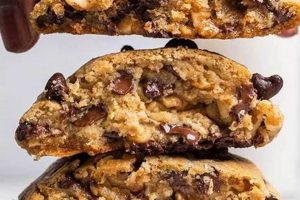
These baked goods represent a fusion of culinary traditions, combining a plant-based approach with the distinct flavor profile of a purple yam. The result is a confection free from animal products, yet retaining a sweet, earthy, and slightly nutty taste derived from its primary flavoring agent. As an illustration, individuals with dietary restrictions or ethical considerations can enjoy a sweet treat without compromising their principles.
The creation and increasing popularity of these items are driven by several factors. Firstly, there is a growing demand for plant-based alternatives to traditional foods. Secondly, the unique and vibrant color of the main flavoring agent provides an appealing aesthetic. Historically, this yam has been a staple ingredient in various cultures, lending itself well to both savory and sweet applications. Its inclusion in such recipes contributes to a broader appreciation of diverse culinary practices.
The following sections will delve into specific aspects such as ingredient substitutions, recipe development considerations, variations in baking techniques, and the nutritional properties of key components used to create this contemporary adaptation of a classic baked item.
Baking Considerations
Achieving optimal results when preparing these baked items requires careful attention to ingredient selection and baking techniques. The following guidelines address common challenges and provide recommendations for success.
Tip 1: Ube Preparation: Ensure the yam is fully cooked and pureed until exceptionally smooth. Lumps will negatively impact the texture of the final product. Consider using a food processor or blender for optimal smoothness.
Tip 2: Flour Selection: All-purpose flour can be used, but a combination of all-purpose and pastry flour may result in a more tender cookie. Experiment to determine the preferred texture.
Tip 3: Vegan Butter Substitute: Opt for a high-quality vegan butter substitute with a firm texture. Softer substitutes may lead to excessive spreading during baking.
Tip 4: Binding Agents: In the absence of eggs, binding agents such as flaxseed meal or applesauce are crucial. Hydrate flaxseed meal thoroughly before incorporating it into the dough.
Tip 5: Dough Chilling: Chilling the dough for at least 30 minutes, and preferably longer, is essential. This prevents excessive spreading and allows the flavors to meld.
Tip 6: Baking Temperature: Monitor baking temperature closely. Ovens vary, and slight adjustments may be needed to prevent burning or underbaking. Utilize an oven thermometer for accuracy.
Tip 7: Cooling Process: Allow the baked items to cool completely on the baking sheet before transferring them to a wire rack. They are delicate when warm and prone to breaking.
Proper execution of these techniques will contribute significantly to the creation of a delectable and visually appealing final product.
The next section will explore advanced variations and flavor pairings that complement the distinct taste of these unique treats.
1. Ube's Flavor Profile

The success of recipes integrating the purple yam hinges critically on the characteristic flavor profile it imparts. This profile is not merely sweet; it encompasses a nuanced blend of earthy, subtly nutty, and vanilla-like notes. The intensity of these flavors, which may vary based on the specific cultivar and preparation method of the yam, directly influences the final gustatory experience. Without a pronounced presence of these characteristics, a baked good incorporating this yam risks being perceived as bland or indistinct.
In the context of plant-based baking, this flavor becomes particularly important. The absence of dairy and eggs necessitates that the yam contribute not only to the color and texture of the cookie but also to the overall richness and complexity of the flavor. A pale, under-flavored yam, for example, may result in a final product that lacks depth and relies excessively on added sugar to compensate. Conversely, a well-prepared yam with a robust flavor profile can naturally enhance the sweetness and provide a more satisfying sensory experience, limiting the need for excessive sugar additions.
Understanding the flavor profile, therefore, is essential for achieving the desired balance of sweetness, earthiness, and nuttiness. Careful selection of the yam, proper cooking techniques to maximize its flavor potential, and strategic incorporation into the recipe are all critical steps in creating plant-based baked goods that authentically capture the essence of this unique ingredient. Failure to do so can compromise the integrity and overall appeal of the finished product.
2. Vegan Butter Quality

The structural and flavor integrity of plant-based purple yam baked goods is inextricably linked to the quality of the vegan butter employed. The absence of animal fats necessitates that the substitute replicate not only the physical properties but also contribute positively to the final taste. A subpar butter substitute, characterized by excessive water content or an off-putting flavor profile, can dramatically alter the cookie’s texture, leading to excessive spreading during baking, resulting in a flat, greasy product. Conversely, a high-quality vegan butter, formulated with appropriate fats and emulsifiers, provides the necessary structure and richness, contributing to a desirable chewy texture and a subtly buttery flavor that complements the yam’s inherent sweetness. For instance, brands utilizing refined coconut oil or sustainably sourced palm oil often exhibit superior performance in baking applications.
Consider, as an example, two batches prepared identically except for the vegan butter. One uses a generic, inexpensive spread, while the other uses a higher-end, European-style plant-based butter. The former exhibits excessive spreading, producing a thin, almost crispy cookie with a noticeably artificial aftertaste. The latter, however, maintains its shape, resulting in a thicker, chewier cookie with a delicate buttery flavor that enhances the yam’s natural profile. This demonstrates the direct causal relationship between butter quality and the final product’s attributes. Furthermore, certain vegan butters contain additives or preservatives that can impart undesirable flavors or interfere with the baking process, highlighting the importance of scrutinizing ingredient lists and opting for simpler, cleaner formulations.
In conclusion, the selection of a high-quality butter substitute is paramount in crafting successful purple yam plant-based treats. The practical significance of this understanding lies in its ability to elevate the final product from a simple, potentially flawed, attempt to a truly delicious and satisfying indulgence. While premium options may represent a higher upfront cost, the improved texture, flavor, and overall enjoyment justify the investment. Prioritizing butter quality ultimately mitigates the risk of undesirable outcomes and unlocks the full potential of the recipe.
3. Flour Type Impact

The selection of flour significantly influences the texture, structure, and overall quality of plant-based purple yam baked items. Understanding the properties of various flour types and their interaction with other ingredients is crucial for achieving the desired characteristics in the final product. The absence of gluten development from animal products necessitates careful consideration of flour choices to compensate for the lack of structural support.
- Gluten Content and Structure
Different flours possess varying levels of gluten, a protein complex responsible for elasticity and structure in baked goods. High-gluten flours, such as bread flour, create a chewier texture, while low-gluten flours, like cake flour, yield a more tender and delicate crumb. In the context of plant-based purple yam items, using a flour with moderate gluten content, such as all-purpose flour, provides a balance between structure and tenderness. Alternatively, combining all-purpose flour with a gluten-free flour, such as rice flour, can reduce gluten development and create a softer texture. The impact on the overall structure is substantial, directly affecting the height, density, and chewiness of the baked product.
- Protein Content and Binding
The protein content of flour contributes to its binding properties and its ability to absorb liquids. Higher-protein flours tend to absorb more liquid, resulting in a denser final product. This is particularly relevant in plant-based baking where eggs, a primary binding agent, are absent. Flours with moderate protein content, such as all-purpose flour or pastry flour, provide sufficient binding without making the final product overly dense. Conversely, gluten-free flours, which often lack protein, may require additional binding agents, such as flaxseed meal or chia seeds, to compensate for the deficiency. The protein-water interaction is a key determinant of texture.
- Moisture Absorption and Hydration
Different flours exhibit varying degrees of moisture absorption. Whole wheat flour, for example, absorbs significantly more liquid than all-purpose flour. In the production of plant-based purple yam items, the flour’s capacity to absorb moisture directly affects the dough consistency and spread during baking. Overly dry dough can result in crumbly, dry baked goods, while overly wet dough can lead to excessive spreading and a flat, greasy final product. Understanding the hydration properties of the chosen flour and adjusting the liquid content accordingly is essential for achieving the desired dough consistency and final texture. This moisture management is critical for success.
- Flavor Profile and Complementary Notes
Certain flours possess distinct flavor profiles that can either complement or clash with the inherent flavor of purple yam. Whole wheat flour, for instance, has a slightly nutty flavor that can enhance the earthy notes of the yam. Alternatively, some gluten-free flours may impart a slightly bitter or metallic taste that can detract from the overall flavor experience. Selecting flours with neutral or complementary flavor profiles is crucial for allowing the yam’s unique taste to shine through. Experimentation with different flour blends can also help to achieve a more nuanced and balanced flavor profile in the final product. This consideration for flavor harmony is frequently overlooked but crucial.
In conclusion, the choice of flour extends beyond a mere ingredient selection; it represents a crucial determinant of the textural and gustatory characteristics of plant-based purple yam confectionaries. Careful consideration of gluten content, protein levels, moisture absorption, and flavor profiles ensures a harmonious blend of structure, tenderness, and taste. The interplay between flour and other ingredients, particularly the vegan butter and binding agents, necessitates a nuanced understanding of baking principles to achieve optimal results. By prioritizing flour selection, bakers can elevate plant-based purple yam goods from simple imitations to genuinely delightful culinary experiences.
4. Binding Agent Selection

The structural integrity of a plant-based purple yam baked good is profoundly dependent on the correct selection of binding agents. Traditional baking relies on eggs for this purpose, providing both cohesion and moisture. In their absence, a carefully chosen alternative must fulfill these roles to prevent excessive crumbling, dryness, or undesirable textural outcomes. Flaxseed meal, for instance, when hydrated, forms a viscous gel that mimics the binding properties of eggs. Conversely, applesauce contributes both moisture and a subtle sweetness, potentially reducing the amount of added sugar required. The effectiveness of a binding agent is inextricably linked to the overall success of the recipe; a poorly chosen agent results in a final product that fails to meet textural expectations.
Consider two scenarios: In the first, a recipe omits a binding agent entirely. The resulting purple yam confection crumbles readily, lacks cohesion, and possesses a dry, unpalatable texture. In the second, a recipe incorporates an inadequate amount of binding agent. While some structure is present, the treat remains fragile and prone to breaking. Conversely, excessive use of binding agents can lead to a dense, gummy texture, highlighting the importance of precise measurement and appropriate agent selection. The practical application of this understanding allows for the creation of plant-based treats that possess the desired chewy or tender consistency.
In conclusion, binding agent selection represents a critical step in the creation of plant-based purple yam baked items. The choice of agent directly affects the texture, moisture content, and overall structural integrity of the final product. Mastery of this aspect requires a thorough understanding of the properties of various binding agents and their interactions with other ingredients. A well-executed selection of binding agents transforms a potentially flawed product into a delightful and satisfying culinary creation. The challenge lies in finding the optimal balance that replicates the binding properties of eggs without compromising the flavor or texture of the treat.
5. Chilling Time Crucial

The chilling period is a critical, often underestimated, stage in the preparation of plant-based purple yam baked items. This process, involving the refrigeration of the dough prior to baking, directly influences the texture, spread, and overall structural integrity of the final product. Insufficient chilling results in excessive spreading during baking, yielding a thin, flat confection lacking the desired chewiness or height. The cause lies in the relaxation of gluten strands (when present) and the solidification of fats, preventing rapid expansion and maintaining the dough’s form. The plant-based nature of the recipe amplifies this need; vegan butter substitutes, typically possessing a lower melting point than dairy butter, necessitate extended chilling to achieve adequate firmness. Without this step, the fat melts prematurely, causing the cookie to flatten and become greasy. As a result, chilling time becomes more than a step; it’s a key to achieving a product that fulfills expectation.
Practical application reveals that even slight variations in chilling duration impact the final outcome. For instance, a dough chilled for only 30 minutes might still exhibit noticeable spreading, whereas one chilled for two hours or longer retains its shape more effectively, resulting in a thicker, chewier cookie. Moreover, prolonged chilling allows flavors to meld and deepen, enhancing the overall taste profile. One might find, by direct comparison, that the flavor complexity after a long chill is noticeably superior to a cookie baked after a short rest. Recipes that incorporate high-moisture ingredients, such as pureed purple yam, particularly benefit from extended chilling, as it allows the flour to fully hydrate and absorb excess liquid, preventing a soggy texture. The specific chilling time may need to be adjusted based on environmental temperature and the specific fat or fats used in the recipe.
In summary, the chilling phase is an indispensable component in the successful execution of these recipes. It addresses the challenges posed by plant-based fat alternatives and ensures the desired texture and flavor profile are achieved. By understanding the scientific principles underpinning this process and implementing it diligently, the baker can significantly improve the quality and consistency of plant-based purple yam baked goods. Short cuts in this area invariably compromise the final product, highlighting the practical significance of meticulous adherence to recommended chilling times.
6. Baking Temperature Control
Precise baking temperature management is a pivotal factor in achieving desired textural and visual outcomes in plant-based purple yam confectionaries. Variations in oven temperature, even within a seemingly narrow range, can significantly alter the final product’s characteristics, impacting everything from spread and browning to internal doneness and overall palatability.
- Enzyme Activity and Starch Gelatinization
At elevated temperatures, enzymatic activity within the dough accelerates, influencing sugar breakdown and carbon dioxide production, affecting rise and texture. Simultaneously, starch gelatinization occurs, where starch granules absorb water and swell, contributing to the cookie’s structure. Insufficient temperature hinders these processes, resulting in a dense, underbaked product. Conversely, excessive temperature can lead to premature browning before the interior sets. The specific formulation of plant-based items, often lacking the binding power of eggs, necessitates precise temperature control to ensure proper enzymatic reactions and gelatinization for optimal structure.
- Sugar Caramelization and Maillard Reaction
Baking temperature directly controls sugar caramelization and the Maillard reaction, both critical for flavor development and browning. Caramelization involves the thermal decomposition of sugars, creating complex flavors and colors. The Maillard reaction, a non-enzymatic browning process, occurs between reducing sugars and amino acids, contributing to the cookie’s characteristic aroma and golden-brown surface. Suboptimal temperature may result in pale, under-flavored confections, while excessive temperature can lead to burnt edges and a bitter taste. Therefore, precise temperature regulation is essential for unlocking the desired flavor and visual appeal, especially given plant-based ingredient substitutions that may influence browning.
- Fat Melting Point and Dough Spread
The melting point of fats significantly influences the cookie’s spread during baking. Vegan butter substitutes, commonly used in plant-based recipes, often have lower melting points than traditional dairy butter. Elevated oven temperatures cause these fats to melt rapidly, leading to excessive spreading and a thin, flat confection. Conversely, insufficient temperature may prevent the fats from melting properly, resulting in a dense, crumbly texture. Therefore, careful temperature management, often involving a lower baking temperature or a pre-chilling of the dough, is crucial for controlling the spread and achieving the desired shape and texture. The properties of these fats are pivotal in regulating spread.
- Moisture Evaporation and Internal Texture
Baking temperature regulates moisture evaporation from the dough, affecting the final internal texture. Rapid evaporation, caused by excessive temperature, can lead to a dry, crumbly cookie. Conversely, insufficient temperature may result in a soggy, underbaked interior. The ideal baking temperature promotes gradual moisture evaporation, creating a tender, slightly chewy texture. Plant-based recipes, often incorporating ingredients with high moisture content like purple yam, require careful attention to temperature control to prevent excessive moisture retention. Monitoring internal temperature with a thermometer ensures proper doneness and prevents undesirable texture issues.
In conclusion, baking temperature control is not merely a procedural step but a crucial determinant of the quality and characteristics of these baked items. By understanding and meticulously managing temperature, bakers can optimize enzymatic activity, caramelization, fat melting, and moisture evaporation, ultimately achieving the desired texture, flavor, and visual appeal in plant-based purple yam creations. Slight variations can significantly alter the success of the end product, emphasizing the practical need for precision.
7. Texture and Doneness

Achieving the ideal texture and degree of doneness represents a critical challenge in the production of plant-based purple yam baked items. The absence of animal-derived ingredients necessitates precise control over various factors to replicate the characteristic chewiness, tenderness, and moistness typically associated with traditional recipes. An understanding of these factors is essential for successful execution.
- Internal Moisture Content
The level of moisture retained within the baked item significantly influences its perceived texture. Overbaking leads to excessive moisture evaporation, resulting in a dry, crumbly product. Conversely, underbaking leaves the interior excessively moist, yielding a gummy, unpalatable consistency. The use of purple yam, which has a high water content, compounds this challenge. Careful monitoring of internal temperature, using a food thermometer, is critical to achieving the optimal balance of moisture and structure. This internal moisture dictates if the end-product is pleasant.
- Starch Gelatinization
The gelatinization of starch, a process wherein starch granules absorb water and swell during baking, plays a crucial role in developing the desired structure. Insufficient gelatinization, caused by underbaking or low oven temperature, results in a soft, doughy texture lacking structural integrity. Conversely, excessive gelatinization, due to overbaking, can lead to a dry, brittle product. Maintaining the correct oven temperature and baking time is essential to ensuring proper starch gelatinization and achieving the ideal chewy or tender consistency that is desired.
- Fat Solidification
The solidification of fats during cooling contributes significantly to the cookie’s final texture. Vegan butter substitutes, often used in plant-based recipes, exhibit different melting and solidification properties compared to dairy butter. Incomplete solidification can result in a greasy, unpleasant mouthfeel. Allowing the baked item to cool completely on a wire rack promotes proper fat solidification, enhancing the overall texture and preventing a soggy bottom. The full solidification is essential for the right mouthfeel.
- Crust Development
The development of a slightly crisp outer crust provides a textural contrast to the soft interior, enhancing the overall sensory experience. Proper crust formation requires a balance of temperature, humidity, and baking time. Insufficient crust development, caused by low oven temperature or excessive moisture, results in a pale, soft surface lacking textural complexity. Conversely, excessive crust development, due to high oven temperature or overbaking, can lead to a hard, burnt surface. Monitoring crust color and texture provides a visual cue for determining doneness and achieving the desired balance of crispness and chewiness.
These interconnected factors collectively determine the final texture and doneness of plant-based purple yam baked items. By carefully controlling internal moisture content, starch gelatinization, fat solidification, and crust development, bakers can create plant-based treats that meet or exceed the textural expectations associated with traditional recipes. Attention to these details is the key to transforming a potentially flawed product into a satisfying and delicious culinary creation. They directly affect enjoyment of purple yam confectionaries.
Frequently Asked Questions
The following addresses common inquiries regarding the composition, preparation, and characteristics of plant-based purple yam baked items. It aims to clarify potential misconceptions and provide informative answers.
Question 1: What exactly defines a “vegan ube cookie”?
It refers to a baked confection utilizing the purple yam as a primary flavoring and coloring agent, formulated without any animal-derived ingredients. This includes the exclusion of eggs, dairy products, and honey, relying instead on plant-based alternatives for binding, leavening, and sweetness.
Question 2: How does the absence of eggs impact the texture of these cookies?
The absence of eggs, a traditional binding agent, necessitates the use of substitutes such as flaxseed meal, applesauce, or other plant-based binders. The correct selection and proportion of these agents are crucial for replicating the desired chewiness and preventing excessive crumbling or dryness.
Question 3: Are these cookies inherently gluten-free?
No, the standard recipes typically utilize wheat flour. Gluten-free versions require the substitution of wheat flour with gluten-free alternatives such as rice flour, almond flour, or a commercially available gluten-free blend. Careful consideration must be given to the altered binding properties when using gluten-free flours.
Question 4: What accounts for the distinctive purple color?
The characteristic hue originates entirely from the natural pigments present in the purple yam. The intensity of the color can vary depending on the variety of yam used and the preparation method, but no artificial coloring is necessary in authentic recipes.
Question 5: How should these cookies be stored to maintain freshness?
Optimal storage involves placing the baked items in an airtight container at room temperature. Proper storage minimizes moisture loss and prevents the cookies from becoming stale or absorbing undesirable odors. Consumption within several days of baking is recommended for peak flavor and texture.
Question 6: Is there a significant difference in taste between traditional and plant-based versions?
While subtle differences may exist due to the absence of animal fats and the use of plant-based alternatives, a well-formulated recipe can closely mimic the taste and texture of traditional baked goods. The distinctive flavor of the purple yam remains the dominant characteristic, providing a unique and satisfying gustatory experience.
The above addresses core considerations when engaging with or preparing plant-based purple yam-flavored baked items. Understanding these frequently asked questions should aid in informed decision-making.
The subsequent discussion explores recipe adaptation for varying dietary needs.
Conclusion
This exploration has underscored the multifaceted nature of creating desirable plant-based purple yam-flavored baked items. Factors such as ingredient selection specifically the quality of butter substitutes and flour type alongside procedural nuances like chilling time and temperature regulation, fundamentally determine the final products textural integrity and overall appeal. The absence of traditional animal-derived binders necessitates precision in execution and an understanding of alternative binding agents.
The pursuit of optimized formulations for plant-based purple yam confectionaries remains an ongoing endeavor, warranting continued experimentation and refinement. By adhering to established best practices and fostering a commitment to culinary innovation, the creation of truly exceptional plant-based alternatives becomes an achievable objective. The growing demand for such items underscores the potential for significant advancements in this specific area of plant-based cuisine, paving the way for increased accessibility and enjoyment.