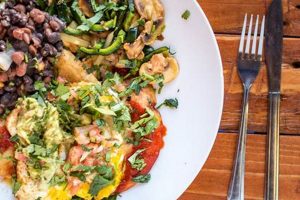
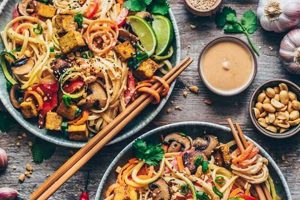
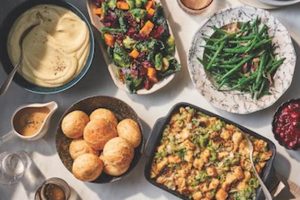
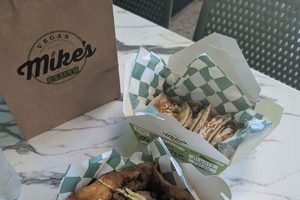
Plant-based options suitable for consumption during the Super Bowl encompass a diverse range of culinary preparations. These dishes, formulated without animal products, cater to individuals adhering to a vegan dietary regimen or those seeking to reduce their intake of animal-derived ingredients. Examples include jackfruit-based “pulled pork” sliders, cauliflower “wings” with various sauces, and layered dips with plant-based cheeses and crudits.
The rising popularity of these culinary alternatives reflects growing awareness regarding ethical considerations, environmental sustainability, and potential health benefits associated with plant-based diets. Furthermore, the inclusion of these items expands dietary inclusivity during social gatherings, ensuring that individuals with varying dietary preferences can partake in the celebratory event. Historically, typical Super Bowl spreads were heavily reliant on meat and dairy; the shift towards plant-based alternatives marks a significant evolution in food trends and dietary practices.
The subsequent sections will delve into specific recipes and preparation techniques, explore readily available ingredients and substitutions, and address common misconceptions surrounding the flavor profiles and nutritional value of these celebratory dishes.
Vegan Super Bowl Food Preparation and Selection
The following recommendations aim to optimize the planning and execution of plant-based menus suitable for Super Bowl gatherings, ensuring both culinary satisfaction and adherence to vegan dietary principles.
Tip 1: Prioritize Flavor Complexity. Implement techniques such as marinating, smoking, and spice layering to enhance the taste profiles of plant-based ingredients. For instance, marinating tofu in a savory blend of soy sauce, ginger, and garlic prior to grilling can yield a more robust and flavorful outcome.
Tip 2: Leverage Textural Variation. Incorporate a range of textures to maintain interest and prevent monotony. Consider combining creamy elements like avocado-based dips with crunchy components such as toasted nuts or baked tortilla chips.
Tip 3: Ensure Adequate Protein Sources. Include dishes featuring protein-rich ingredients such as lentils, beans, tempeh, or seitan to provide satiety and nutritional balance. Offer chili featuring multiple bean varieties, or tempeh “ribs” marinated in barbecue sauce.
Tip 4: Offer Diverse Dip Options. Provide a selection of plant-based dips with varying flavor profiles and textures. Examples include a creamy cashew-based queso, a smoky black bean dip, and a vibrant guacamole.
Tip 5: Substitute Dairy Ingredients Strategically. When adapting traditional recipes, utilize plant-based alternatives such as cashew cream, coconut milk, or vegan cheeses to replicate the desired texture and flavor. Be mindful of variations in taste and consistency between different brands and products.
Tip 6: Presentation Matters. Arrange dishes attractively to enhance visual appeal. Garnish plates with fresh herbs, colorful vegetables, or edible flowers to elevate the presentation.
Tip 7: Plan Ahead. Many plant-based Super Bowl recipes can be prepared in advance, simplifying the day-of cooking process. Prepare dips, sauces, and marinades the day before to save time and reduce stress.
By adhering to these guidelines, hosts can create a memorable and inclusive culinary experience, showcasing the versatility and appeal of plant-based options during the Super Bowl.
The subsequent section will address considerations related to ingredient sourcing and accessibility.
1. Flavor Profiles

The strategic development of flavor profiles is critical to the successful implementation and widespread acceptance of plant-based options, particularly within the context of Super Bowl gatherings. Replicating the sensory experiences associated with traditional Super Bowl fare, while adhering to vegan dietary principles, necessitates careful consideration of taste, aroma, and texture.
- Umami Enhancement
Umami, often described as a savory or meaty flavor, is essential for replicating the satisfying qualities of dishes traditionally containing animal products. Ingredients such as mushrooms, roasted tomatoes, nutritional yeast, and soy sauce contribute to umami enhancement. For instance, incorporating a mushroom-based duxelles into vegan sliders can mimic the savory depth of traditional beef patties.
- Spice Blending and Heat Management
Strategic spice blending and controlled heat levels play a crucial role in creating complex and balanced flavor profiles. Utilizing chili powders, smoked paprika, cumin, and cayenne pepper allows for the development of flavors ranging from mild warmth to intense spiciness. Control over heat intensity is particularly important, ensuring that the overall flavor profile remains palatable and enjoyable for a diverse audience.
- Acidity and Brightness
Acidity and brightness provide balance and contrast to richer, heavier flavors. Ingredients such as lime juice, vinegar, and pickled vegetables can cut through the richness of plant-based cheeses and sauces, preventing palate fatigue. Incorporating a lime crema or a pickled onion relish can elevate the overall flavor profile of vegan tacos or nachos.
- Textural Contrast
While not strictly a flavor element, textural contrast significantly impacts flavor perception. Combining creamy elements, such as cashew-based dips, with crunchy components, like toasted nuts or crispy fried onions, creates a more engaging and satisfying sensory experience. This textural diversity enhances the overall perception of flavor and contributes to the success of plant-based offerings.
The thoughtful manipulation of umami, spice, acidity, and texture ensures that plant-based alternatives offer a compelling and satisfying culinary experience. The strategic application of these principles enables the creation of vegan Super Bowl dishes that appeal to a broad range of palates, demonstrating that plant-based food can be both flavorful and inclusive.
2. Ingredient Sourcing

Ingredient sourcing constitutes a critical component in the planning and execution of a successful plant-based spread appropriate for Super Bowl gatherings. The selection of high-quality, ethically obtained ingredients not only impacts the flavor and nutritional profile of the final dishes but also aligns with the underlying principles of veganism. Attention to detail in sourcing is, therefore, paramount.
- Availability and Seasonality
The availability of specific produce items fluctuates based on seasonal cycles and geographical location. Menu planning should prioritize ingredients that are in season and readily accessible to minimize transportation costs and environmental impact. For instance, incorporating local, in-season vegetables like winter squash or root vegetables into dips or side dishes aligns with sustainability goals and often yields superior flavor compared to out-of-season alternatives.
- Organic and Sustainable Practices
Opting for organically grown produce and ingredients sourced from sustainable farms supports environmentally responsible agricultural practices. This reduces exposure to synthetic pesticides and fertilizers, contributing to both personal health and ecological well-being. Selecting brands that prioritize sustainable packaging and ethical labor practices further reinforces these values. An example includes choosing organic tempeh or tofu from producers committed to minimizing their carbon footprint.
- Plant-Based Protein Sources
The selection of appropriate protein sources is vital in ensuring the nutritional adequacy of a vegan Super Bowl menu. Options include lentils, beans, tofu, tempeh, seitan, and various plant-based protein powders. Sourcing these ingredients from reputable suppliers that prioritize quality and non-GMO certification can enhance the nutritional value and overall appeal of dishes. Utilizing a variety of protein sources provides a more diverse amino acid profile.
- Specialty Vegan Ingredients
Certain recipes may require specialty vegan ingredients such as plant-based cheeses, egg replacements, or vegan mayonnaise. Careful consideration should be given to the sourcing of these items, focusing on brands that offer high-quality, minimally processed alternatives with acceptable flavor profiles. Evaluating ingredient lists and nutritional information is essential to ensure alignment with dietary preferences and health goals. An example is the careful selection of cashew-based cheeses with minimal artificial additives.
These considerations emphasize the interconnectedness of ethical consumption, culinary excellence, and nutritional completeness within the context of plant-based options. Prioritizing sustainable and ethically sourced ingredients contributes to a more fulfilling and responsible Super Bowl experience.
3. Nutritional Value

The nutritional value of plant-based options for Super Bowl gatherings represents a critical consideration, moving beyond mere dietary restriction to encompass health benefits and balanced macronutrient profiles. A thoughtful approach to food selection can transform traditionally indulgent occasions into opportunities for improved well-being.
- Macronutrient Balance
Plant-based alternatives offer the potential for a superior macronutrient balance compared to conventional Super Bowl fare. Control over fat content, particularly saturated fat, can be readily achieved. Dishes emphasizing legumes, whole grains, and vegetables offer complex carbohydrates and fiber, promoting satiety and regulating blood sugar levels. For instance, a black bean burger on a whole-wheat bun provides a more sustained energy release than a processed meat patty on a white bun. This conscious macronutrient management supports sustained energy levels and reduces the risk of post-meal lethargy.
- Micronutrient Density
Plant-based ingredients are inherently rich in micronutrients, including vitamins, minerals, and antioxidants. Incorporating a variety of colorful fruits and vegetables ensures a diverse intake of these essential nutrients. Dishes such as guacamole, containing avocados rich in potassium and healthy fats, or salads with dark leafy greens, packed with vitamins A and C, contribute significantly to overall micronutrient intake. This elevated micronutrient density supports immune function and reduces oxidative stress.
- Fiber Content and Digestive Health
A significant advantage of plant-based diets is their naturally high fiber content. Fiber promotes digestive health, aids in weight management, and contributes to feelings of fullness. Dishes featuring beans, lentils, whole grains, and vegetables provide substantial fiber intake. For example, a chili made with multiple bean varieties delivers significantly more fiber than traditional meat-based chili. This increased fiber intake supports gut health and overall digestive well-being.
- Reduced Saturated Fat and Cholesterol
Plant-based diets are inherently lower in saturated fat and cholesterol compared to diets rich in animal products. This can contribute to improved cardiovascular health and reduced risk of heart disease. Substituting plant-based oils, such as olive oil or avocado oil, for butter or lard further reduces saturated fat intake. Preparing vegan versions of typically high-fat dishes, like nachos with cashew-based cheese sauce instead of dairy cheese, significantly decreases saturated fat and cholesterol levels. This reduction directly supports cardiovascular health and reduces the risk factors associated with heart disease.
In conclusion, the careful selection of plant-based items during the Super Bowl offers a valuable opportunity to enhance the nutritional profile of a traditionally indulgent occasion. By prioritizing macronutrient balance, micronutrient density, fiber content, and reduced saturated fat, individuals can enjoy satisfying and flavorful meals while promoting their overall health and well-being.
4. Preparation Time

The time required for the creation of plant-based meals significantly impacts their viability as options for Super Bowl gatherings. Efficient preparation methods are crucial to ensure both culinary quality and minimal disruption to the events schedule.
- Make-Ahead Components
The strategic preparation of components in advance mitigates time constraints on the day of the event. Dips, sauces, and marinades often benefit from overnight refrigeration, allowing flavors to meld and intensify. Additionally, ingredients such as vegetables can be pre-chopped or roasted, reducing active cooking time. For example, preparing a cashew-based queso dip the day before allows for flavor development and reduces the workload during the Super Bowl. Make-ahead strategies are crucial for effective time management.
- One-Pot and Minimal-Prep Dishes
Dishes that require minimal active preparation and rely on a single cooking vessel can significantly reduce overall time investment. Soups, stews, and chilis exemplify this approach. These options often involve simple ingredient combinations and extended simmering, requiring minimal attention. A lentil soup, for instance, can be largely unattended while it simmers, freeing up time for other preparations. These streamlined preparations are ideal when minimizing effort and maximizing efficiency.
- Leveraging Convenience Products
The judicious use of pre-prepared or partially processed ingredients offers an alternative approach to time efficiency. Pre-cooked beans, frozen vegetables, and store-bought vegan cheeses can significantly reduce preparation time. While emphasizing fresh ingredients is often desirable, strategic incorporation of convenience items can be pragmatic. Utilizing pre-made pizza dough or frozen vegetable medleys can substantially reduce cooking time for a vegan pizza or stir-fry. This approach balances convenience with quality.
- Efficient Workflow and Organization
A well-organized kitchen workflow contributes significantly to time savings. Mise en place, or the practice of preparing all ingredients before commencing cooking, streamlines the preparation process. Having ingredients pre-measured and readily available minimizes delays and errors. Similarly, maintaining a clean and organized work space promotes efficiency. A properly organized mise en place for vegan nachos, for example, can significantly reduce preparation time and enhance the overall cooking experience.
The strategic management of preparation time, whether through make-ahead components, simplified recipes, the utilization of convenience products, or efficient kitchen organization, is paramount to the successful integration of these culinary alternatives into Super Bowl celebrations. These considerations ensure that plant-based options are both delectable and logistically feasible.
5. Accessibility

The successful integration of plant-based options into Super Bowl gatherings is contingent upon ingredient accessibility, reflecting a complex interplay of geographic location, socioeconomic factors, and culinary awareness. Limited access to specialized ingredients or affordable produce can present a significant barrier, effectively excluding individuals from participating in this dietary adaptation. The availability of ingredients, such as vegan cheeses or plant-based protein alternatives, directly influences the feasibility of creating diverse menus. As an example, communities lacking well-stocked grocery stores may face substantial challenges in acquiring the necessary components for complex vegan recipes, thereby limiting the potential for widespread adoption. This accessibility gap underscores the need for resourceful menu planning and strategic ingredient substitutions.
Enhancing the accessibility of vegan Super Bowl options extends beyond mere ingredient availability. Culinary literacy and recipe comprehension also play a critical role. Many individuals may lack the knowledge or confidence to prepare plant-based meals, even when ingredients are readily available. The provision of clear, concise recipes, coupled with educational resources on basic vegan cooking techniques, can help bridge this gap. Community-based cooking classes or online tutorials demonstrating cost-effective vegan meal preparation offer practical solutions for addressing this challenge. Furthermore, showcasing the ease and versatility of plant-based recipes through readily accessible platforms, such as social media and cooking blogs, can demystify the process and encourage broader experimentation.
Addressing the accessibility challenges surrounding plant-based options requires a multifaceted approach encompassing both supply-side and demand-side interventions. Ensuring the availability of affordable, high-quality ingredients through community initiatives and policy changes is paramount. Simultaneously, empowering individuals with the knowledge and skills to prepare nutritious and appealing plant-based meals promotes dietary inclusivity and encourages wider adoption. Overcoming these accessibility barriers is essential for creating a more equitable and sustainable food system, ensuring that individuals from all backgrounds can partake in the culinary traditions of the Super Bowl while aligning with their dietary preferences and ethical considerations.
6. Visual Appeal
The visual appeal of culinary offerings, particularly within the context of social gatherings like Super Bowl parties, is directly correlated with their acceptance and consumption. Plant-based options, frequently perceived as less palatable than their traditional counterparts, must overcome this bias through strategic visual presentation. The aesthetic arrangement of vegan Super Bowl food serves not only to entice but also to communicate the dish’s quality, flavor profile, and nutritional value. A visually appealing spread can significantly influence perceptions and encourage individuals, who might otherwise be hesitant, to sample plant-based alternatives. Examples include colorful crudits platters with vibrant vegan dips, artfully arranged vegan sushi rolls, or meticulously crafted vegan burgers with appealing toppings. These visual cues signal freshness, flavor, and attention to detail, thus enhancing the overall dining experience.
Effective visual presentation extends beyond surface aesthetics. It involves the considered use of color, texture, and form to create a cohesive and inviting display. For example, the strategic use of contrasting colorssuch as vibrant red bell peppers alongside deep green guacamolecan draw the eye and stimulate appetite. Varying textures, from the smooth creaminess of cashew-based dips to the crispy crunch of fried tofu, adds a sensory dimension that enhances visual interest. Furthermore, the careful arrangement of individual elements on a platter or serving dish elevates the presentation from functional to artistic. Consideration of plateware, garnishes, and overall table setting contributes to a unified and appealing aesthetic that reinforces the positive attributes of the plant-based menu.
In summary, visual appeal is a critical determinant of the success of plant-based Super Bowl food. It functions as a marketing tool, communicating quality and desirability, and influences consumption patterns by overcoming pre-existing biases. By prioritizing strategic use of color, texture, and arrangement, hosts can transform what might be perceived as dietary compromises into visually stunning and highly appealing culinary experiences. The practical significance of this understanding lies in its ability to promote wider acceptance of plant-based diets and contribute to a more inclusive and sustainable food culture.
Frequently Asked Questions
This section addresses common inquiries and dispels misconceptions regarding the preparation and consumption of plant-based alternatives during Super Bowl gatherings, providing concise and informative answers.
Question 1: Is plant-based cuisine inherently more expensive than traditional Super Bowl fare?
The cost of plant-based cuisine varies depending on ingredient selection and preparation complexity. While some specialty vegan products can be costly, dishes centered on legumes, grains, and seasonal vegetables often represent economical alternatives. Careful menu planning and bulk purchasing can further mitigate expenses.
Question 2: Does the flavor profile of plant-based options necessitate compromise on taste and satisfaction?
A skilled implementation of culinary techniques and strategic spice blending can yield flavor profiles comparable to, or exceeding, those of traditional dishes. The addition of umami-rich ingredients, controlled heat levels, and varied textures contributes to a satisfying sensory experience.
Question 3: Are plant-based diets inherently deficient in essential nutrients such as protein and vitamin B12?
Plant-based diets, when properly planned and executed, can provide all essential nutrients. Adequate protein intake can be achieved through the consumption of legumes, tofu, tempeh, and other plant-based protein sources. Vitamin B12 supplementation is often recommended, as it is not readily available from plant-based sources.
Question 4: Is extensive culinary expertise required to prepare plant-based options suitable for Super Bowl gatherings?
Many plant-based recipes are relatively simple and require minimal culinary expertise. Emphasis on one-pot dishes, make-ahead components, and strategic utilization of convenience products can simplify the preparation process.
Question 5: How can inclusivity be ensured when offering plant-based options at a Super Bowl gathering?
Clear labeling of dishes, providing detailed ingredient lists, and offering a diverse range of options caters to individuals with varying dietary restrictions and preferences. Transparency and open communication foster a welcoming and inclusive environment.
Question 6: What are the primary environmental benefits associated with opting for plant-based Super Bowl dishes?
Plant-based diets generally have a lower environmental impact compared to diets rich in animal products. Reduced greenhouse gas emissions, lower water consumption, and decreased land usage are among the key ecological advantages.
In summary, addressing common misconceptions and highlighting the potential benefits associated with these culinary adaptations encourages broader acceptance and implementation.
The following section will explore specific recipes suitable for vegan Super Bowl gatherings.
Vegan Superbowl Food
This exploration has elucidated the multifaceted nature of “vegan superbowl food,” extending beyond mere dietary restriction to encompass ethical considerations, nutritional implications, and logistical challenges. The discourse has highlighted the crucial aspects of flavor profiling, ingredient sourcing, preparation efficiency, accessibility, and visual appeal, underscoring the necessity of a holistic approach to menu planning.
The increasing visibility of plant-based options reflects a broader societal shift towards conscious consumption and dietary inclusivity. Further research and development in ingredient innovation, recipe refinement, and community education will be vital in ensuring the continued growth and accessibility of this culinary sector. A commitment to informed decision-making is essential for creating a more sustainable and equitable food landscape, one that aligns culinary traditions with evolving ethical and environmental imperatives.