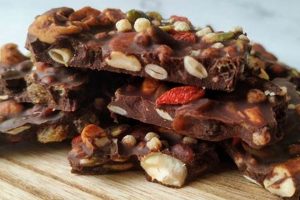
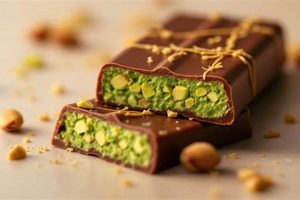
This food product is a confectionery item formulated without animal-derived ingredients and refined sugars. Common replacements for traditional components include plant-based milk alternatives like almond or coconut milk, and sweeteners such as stevia or erythritol. A product may contain cocoa butter, cocoa solids, and other flavorings, adhering to both vegan and sugar-free dietary requirements.
The significance of these products lies in their ability to cater to individuals with specific dietary needs or preferences. It allows consumers adhering to a vegan lifestyle to enjoy chocolate without compromising their principles. Similarly, those managing diabetes or seeking to reduce sugar intake can indulge without the negative impacts associated with conventional sweets. The development of these items reflects a growing awareness of dietary needs and ethical consumption.
The subsequent sections will delve into the specific ingredients used, manufacturing processes, nutritional aspects, and market availability of this type of confectionery. Consideration will be given to the potential health implications and the ongoing innovations within this food category.
Tips for Selecting and Enjoying Vegan Sugar Free Chocolate
Selecting and enjoying confectionery devoid of animal products and refined sugars necessitates careful consideration to ensure both satisfaction and alignment with dietary goals. The following guidelines offer insights into navigating the available options.
Tip 1: Scrutinize the Ingredient List: Examine the product label for potential hidden sugars. Ingredients ending in “-ol,” such as maltitol and sorbitol, are sugar alcohols that, while lower in calories, can affect blood sugar levels and cause digestive discomfort in some individuals. Prioritize products using stevia, erythritol, or monk fruit as primary sweeteners.
Tip 2: Verify Vegan Certification: Look for recognized vegan certification labels from organizations like Vegan Action or The Vegan Society. This ensures the product has undergone scrutiny and adheres to strict vegan standards throughout its production process.
Tip 3: Assess Cocoa Percentage: A higher cocoa percentage typically indicates a richer, more intense chocolate flavor and a lower reliance on sweeteners. Consider selecting options with 70% cocoa or higher for a more satisfying experience.
Tip 4: Explore Different Plant-Based Milks: Vegan chocolate utilizes various plant-based milk alternatives, such as oat milk, almond milk, or coconut milk. Experiment with different varieties to discover which provides the most palatable texture and flavor profile.
Tip 5: Pay Attention to Fat Content: Some products may compensate for the absence of sugar with increased fat content. Review the nutritional information to ensure the fat content aligns with your dietary requirements.
Tip 6: Consider Additives and Fillers: Be mindful of artificial flavors, preservatives, and other additives. Opt for products with minimal and recognizable ingredients.
Tip 7: Proper storage is key: Store in a cool, dry place away from direct sunlight. This helps maintain the texture and flavor profile of the chocolate, preventing it from melting or blooming (developing a white coating).
Adhering to these recommendations will enable informed decision-making when purchasing and consuming products suitable for vegan and sugar-restricted diets. Understanding these nuances maximizes both enjoyment and alignment with individual dietary goals.
The subsequent discussion will address specific recipes and utilization methods within diverse culinary applications.
1. Ingredients

The composition of confectionery designed for vegan and sugar-restricted diets relies on specific ingredients to replicate the taste and texture of traditional chocolate. These components serve as the foundation for a product that adheres to both dietary constraints.
- Cocoa Solids
Cocoa solids, derived from the cacao bean, provide the characteristic chocolate flavor. The quality and processing of these solids significantly influence the final product’s taste profile. Ethical sourcing of cocoa solids, ensuring fair labor practices and environmental sustainability, has become increasingly important to consumers.
- Plant-Based Milk Alternatives
Traditional dairy milk is replaced with plant-based alternatives such as almond, soy, coconut, or oat milk. Each alternative imparts a distinct flavor and texture to the chocolate. The selection of the milk alternative affects the overall creaminess and mouthfeel of the finished product.
- Sugar Replacements
Refined sugars are omitted and substituted with low-calorie or non-nutritive sweeteners. Common examples include stevia, erythritol, monk fruit extract, and xylitol. The choice of sweetener impacts the sweetness level and potential aftertaste of the chocolate. Some sugar replacers can affect the glycemic index differently, necessitating careful consideration for individuals managing blood sugar levels.
- Cocoa Butter and Vegetable Fats
Cocoa butter provides the smooth texture and melting properties associated with chocolate. In some formulations, cocoa butter may be partially replaced with other vegetable fats, such as shea butter or palm oil (though the latter is often avoided due to sustainability concerns). The type and quantity of fats influence the overall consistency and mouthfeel of the confectionery.
The careful selection and combination of these ingredients are essential for creating confectionery that meets both vegan and sugar-free requirements while delivering a satisfying sensory experience. The interplay between these components determines the product’s overall quality and appeal to consumers with specific dietary needs.
2. Sweeteners

Sweeteners are a pivotal element in the formulation of confectionery designed for vegan and sugar-restricted diets. The absence of traditional refined sugars necessitates the incorporation of alternative sweetening agents to achieve a palatable taste profile. These substitutes significantly impact the sensory characteristics and nutritional properties of the final product.
- Stevia Glycosides
Stevia, derived from the Stevia rebaudiana plant, provides a natural, non-caloric sweetness. Its application in vegan sugar-free chocolate offers a plant-based sweetening solution. However, some formulations may exhibit a slight aftertaste, which manufacturers often mitigate through blending with other sweeteners or flavorings.
- Erythritol
Erythritol, a sugar alcohol produced through fermentation, possesses a sweetness level approximately 60-80% that of sucrose. Its minimal impact on blood sugar levels makes it suitable for individuals managing diabetes. In vegan sugar-free chocolate, erythritol contributes bulk and texture, enhancing the overall mouthfeel.
- Monk Fruit Extract
Monk fruit, also known as Luo Han Guo, yields an extract that is significantly sweeter than sucrose. Its natural origin and negligible caloric content make it an attractive alternative. Its use in vegan sugar-free chocolate can provide a clean, sweet flavor without contributing to glycemic load. However, it can be expensive compared to other alternatives.
- Xylitol
Xylitol is a sugar alcohol that is almost as sweet as sugar but with 40% fewer calories. In vegan sugar-free chocolate, xylitol helps contribute to the desired sweetness. However, it must be noted that Xylitol is toxic to dogs and cats so caution is needed if you own pets.
The strategic selection and combination of these sweeteners are crucial in achieving a balanced flavor profile in vegan sugar-free chocolate. Formulators must carefully consider the individual properties of each sweetener, including sweetness intensity, potential aftertaste, and impact on texture, to deliver a product that satisfies consumer expectations while adhering to specific dietary requirements.
3. Cocoa Content

Cocoa content, in the context of confectionery that is both plant-based and devoid of refined sugars, directly impacts the flavor profile and overall sensory experience. A higher percentage of cocoa solids contributes to a more intense, bitter, and complex flavor, mitigating the need for excessive sweeteners. Conversely, a lower cocoa content necessitates a greater reliance on alternative sweetening agents and flavor enhancers to achieve palatability. For instance, a product labeled as 70% cocoa typically exhibits a pronounced chocolate intensity, allowing for minimal sugar substitutes, whereas a product with 50% cocoa may require increased levels of sweeteners to compensate for the reduced chocolate flavor.
The sourcing and processing of cocoa also contribute significantly to the final product. Single-origin cocoa, for example, often imparts unique flavor nuances influenced by geographical location and cultivation practices. Furthermore, the roasting and conching processes affect the texture and aroma of the cocoa solids. Manufacturers of vegan sugar-free chocolates often prioritize high-quality cocoa sources to minimize the dependence on added ingredients. Examples include the use of Arriba Nacional cocoa from Ecuador or Criollo cocoa from Venezuela, both known for their distinctive flavor characteristics.
Ultimately, the optimal cocoa content in confectionery that is both plant-based and devoid of refined sugars hinges on a delicate balance between flavor intensity, sweetness level, and ingredient composition. While a higher cocoa percentage generally reduces the requirement for added sweeteners, consumer preference plays a crucial role. Manufacturers must carefully consider these factors to create products that align with both dietary restrictions and taste expectations. The exploration of novel cocoa varieties and processing techniques remains essential for continued innovation in this specialized segment of the confectionery market.
4. Production

The manufacturing process is crucial in ensuring that confectionery meets both vegan and sugar-free criteria. Strict protocols are essential to prevent cross-contamination with animal-derived ingredients during all stages, from raw material handling to final packaging. Equipment cleanliness and dedicated production lines are often necessary to guarantee adherence to vegan standards. For example, shared machinery used for conventional chocolate production must undergo rigorous cleaning procedures before being utilized for the creation of vegan alternatives.
The absence of refined sugars introduces unique challenges during production. Traditional conching processes, which rely on sugar to refine texture, must be adapted. Alternative techniques, such as prolonged conching times or the incorporation of specific plant-based fats, are employed to achieve a smooth, desirable mouthfeel. Ingredient sourcing is also vital; manufacturers often establish direct relationships with suppliers to verify the plant-based origin and sugar-free status of all components. This might involve auditing facilities to confirm that no animal products are used in the cultivation or processing of ingredients like cocoa or plant-based milk alternatives.
Ultimately, the success of producing confectionery that conforms to both vegan and sugar-free standards hinges on meticulous attention to detail throughout the manufacturing process. Quality control measures must be implemented to verify the absence of prohibited substances and ensure that the final product aligns with both ethical and dietary specifications. Overcoming these challenges is fundamental to providing consumers with a product that meets their needs and expectations. This emphasis on meticulous processes contributes significantly to the integrity and credibility of the vegan sugar-free confectionery market.
5. Certification

Certification provides independent verification that a product meets specific criteria related to its composition, manufacturing process, and ethical sourcing. In the context of confectionery that is both plant-based and devoid of refined sugars, certification schemes offer assurance to consumers regarding adherence to vegan and sugar-free claims. The absence of universally regulated definitions necessitates third-party certification to establish credibility and build trust. For example, a product displaying the Vegan Action logo indicates it has undergone assessment to confirm the absence of animal-derived ingredients. Similarly, certifications related to sugar content, while less common, can validate claims regarding the use of alternative sweeteners and the exclusion of refined sugars.
The importance of certification extends beyond mere labeling; it impacts consumer confidence and market access. Retailers often require certification as a prerequisite for stocking products in specialized sections catering to vegan or diabetic consumers. Furthermore, certification schemes promote standardization within the industry, fostering transparency and comparability. Organizations such as the Gluten-Free Certification Organization (GFCO) provide analogous examples in other dietary categories, highlighting the market value of third-party validation. The impact of certifications can lead to a product selling more often and with more ease.
Ultimately, certification is an essential component in the ecosystem surrounding confectionery adhering to both vegan and sugar-free dietary requirements. It facilitates informed consumer choices, incentivizes responsible manufacturing practices, and contributes to the growth and integrity of the market. While challenges remain in harmonizing certification standards across different regions, the role of independent verification is indispensable in establishing credibility and promoting consumer confidence.
6. Taste
Taste is a critical factor in the acceptance and adoption of confectionery formulated without animal products and refined sugars. Replicating the sensory experience of conventional chocolate presents significant formulation challenges, as both dairy and sugar contribute substantially to its characteristic flavor profile.
- Impact of Sweetener Selection
The choice of alternative sweeteners significantly influences the taste. Stevia, erythritol, monk fruit, and other options each impart unique flavor nuances, ranging from subtle sweetness to distinct aftertastes. For example, stevia can leave a licorice-like aftertaste for some individuals, while erythritol may produce a cooling sensation. Formulators must carefully balance these sweeteners to minimize undesirable sensory effects and create a harmonious overall flavor.
- Role of Cocoa Quality and Concentration
The quality and concentration of cocoa solids play a crucial role in taste. Higher cocoa percentages often result in a more intense, bitter flavor that can offset the need for excessive sweeteners. Conversely, lower cocoa concentrations may require more significant adjustments to sweetness levels. The origin and processing of cocoa beans also contribute to the final taste profile. For instance, single-origin cocoa beans can impart distinct fruity or floral notes.
- Influence of Plant-Based Milk Alternatives
The selection of plant-based milk alternatives introduces variations in taste and texture. Almond milk, coconut milk, soy milk, and oat milk each contribute unique characteristics. Coconut milk can impart a tropical flavor, while oat milk may offer a smoother, creamier texture compared to almond milk. These subtle differences can significantly influence the overall sensory experience.
- Modulation Through Flavor Enhancers
Flavor enhancers, such as vanilla extract, natural fruit extracts, and spices, are frequently employed to enhance the taste. These ingredients can mask any lingering aftertastes from alternative sweeteners and complement the cocoa flavor. For example, a hint of cinnamon or peppermint extract can add complexity and depth to the overall taste profile.
The interplay of sweetener selection, cocoa quality, plant-based milk alternatives, and flavor enhancers ultimately determines the success of vegan sugar-free confectionery in replicating the taste of traditional chocolate. Careful consideration of these factors is essential to create products that appeal to a broad range of consumers while adhering to specific dietary requirements. Continuous innovation in ingredient technology and formulation techniques remains essential to further refine the taste and improve the sensory experience.
7. Availability

The market presence of confectionery adhering to both vegan and sugar-free standards is directly correlated with consumer demand, manufacturing capabilities, and distribution networks. Limited availability can impede market growth, restrict consumer choice, and hinder the widespread adoption of these specialized products. Conversely, increased accessibility fosters greater market penetration, expands consumer awareness, and promotes the normalization of vegan sugar-free options. For instance, the presence of such confectionery in mainstream supermarkets, as opposed to solely specialty health food stores, significantly broadens its consumer base. This increased visibility can lead to higher sales volumes and greater brand recognition.
Geographical factors also influence the accessibility. Urban areas with diverse populations and established health-conscious consumer bases tend to exhibit greater availability compared to rural regions. Online retailers play a crucial role in bridging this gap, providing access to a wider range of products irrespective of geographical limitations. The logistical challenges associated with maintaining product integrity, particularly regarding temperature-sensitive items like chocolate, can impact distribution strategies. Manufacturers must invest in appropriate packaging and shipping methods to ensure product quality during transit. This involves not only providing a quality product but also providing the product to the masses with ease.
In conclusion, the accessibility of confectionery adhering to both vegan and sugar-free criteria is a multifaceted issue encompassing consumer demand, distribution networks, and logistical considerations. Expanding availability through strategic partnerships with retailers, investment in efficient supply chains, and effective marketing efforts is crucial for promoting the widespread adoption of these specialized products. Overcoming these challenges will contribute to the normalization of dietary alternatives and increase the availability of items that meet particular needs and preferences.
Frequently Asked Questions About Vegan Sugar Free Chocolate
This section addresses common queries and misconceptions regarding confectionery formulated without animal-derived ingredients and refined sugars. The information aims to provide clarity on various aspects of these specialized food items.
Question 1: Is “vegan sugar free chocolate” truly free of sugar?
The term indicates the absence of refined sucrose. Alternative sweeteners, such as stevia or erythritol, are typically used. It is imperative to scrutinize product labels to ascertain the specific sweeteners used and their potential impact on blood glucose levels.
Question 2: What ingredients replace dairy in “vegan sugar free chocolate”?
Plant-based milk alternatives, including almond milk, coconut milk, soy milk, and oat milk, serve as replacements for dairy milk. The selection of a specific alternative affects the flavor profile and texture of the final product.
Question 3: Does “vegan sugar free chocolate” taste the same as conventional chocolate?
The taste profile differs from conventional confectionery due to the absence of refined sugar and dairy. However, advancements in formulation techniques and ingredient selection have enabled the creation of products that closely approximate the sensory experience of traditional chocolate.
Question 4: Can “vegan sugar free chocolate” be consumed by individuals with diabetes?
The suitability depends on the specific sweeteners used and their impact on blood glucose levels. Erythritol and stevia generally have a minimal effect, while other sugar alcohols may require moderation. Consultation with a healthcare professional or registered dietitian is advisable.
Question 5: Is “vegan sugar free chocolate” more expensive than regular chocolate?
The price point can be higher due to the use of specialized ingredients and the complexity of the manufacturing process. However, market competition and increasing consumer demand are contributing to a gradual reduction in price differentials.
Question 6: How should “vegan sugar free chocolate” be stored?
Optimal storage conditions involve a cool, dry environment away from direct sunlight. Proper storage helps preserve the texture, flavor, and overall quality of the product. Elevated temperatures can cause melting or blooming, which affects the appearance and texture.
In summary, confectionery that adheres to both vegan and sugar-free guidelines offers viable alternatives for individuals with specific dietary needs or preferences. Awareness of ingredients, potential health implications, and proper storage techniques are essential for informed consumption.
The subsequent section will address the culinary applications and recipe integrations of this specialized confectionery.
Vegan Sugar Free Chocolate
This exploration has elucidated the complexities surrounding confectionery formulated without animal products and refined sugars. Key aspects, including ingredient selection, production methods, certification processes, and market availability, have been examined. The intent has been to deliver a comprehensive understanding of this specialized food category. Factors such as taste, dietary considerations, and ingredient sourcing have been detailed to provide a multi-faceted perspective.
The continued innovation within the vegan sugar free chocolate segment suggests a promising trajectory. As awareness of dietary needs and ethical consumption increases, demand for these products will likely expand. Manufacturers must remain committed to quality, transparency, and responsible sourcing practices. The information provided aims to empower consumers to make informed choices and contribute to the evolution of a more sustainable and inclusive food system. The responsibility for continued advancements rests upon both producers and consumers alike.