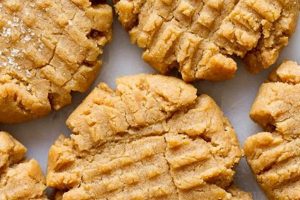
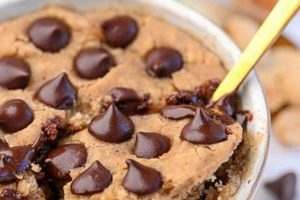
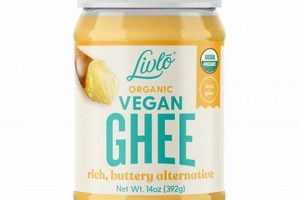
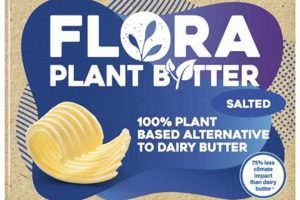
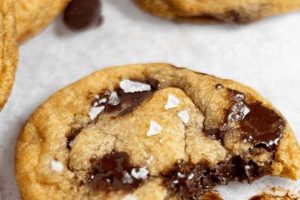
A plant-based alternative emulates the functionality of dairy butter in baked goods. These products aim to provide similar texture, flavor, and binding properties without using animal-derived ingredients. Examples include oil-based spreads, coconut oil, applesauce, avocado, and nut butters, each offering a unique impact on the final result.
The use of these alternatives is driven by dietary restrictions, ethical concerns, and health considerations. Historically, vegetable oils and shortening were common substitutes, but the rise of veganism and awareness of dairy sensitivities have spurred innovation, resulting in a wider array of options that attempt to mimic butter’s specific qualities in baking.
The subsequent sections will delve into the variety of these stand-ins, detailing their distinct characteristics, appropriate applications within diverse recipes, and potential impacts on the overall taste and texture of baked items.
Tips for Employing Plant-Based Butter Alternatives in Baking
Achieving optimal results when replacing traditional dairy butter requires careful consideration of the substitute’s properties and its interaction with other ingredients. The following recommendations aim to guide bakers in successfully adapting recipes to incorporate these alternatives.
Tip 1: Select the Appropriate Substitute: Different plant-based options offer varying fat contents and moisture levels. Oil-based spreads are often suitable for cakes, while coconut oil may be better suited for denser items like cookies. Understanding the fat composition of the plant-based option is key to matching the functionality of dairy butter.
Tip 2: Adjust Liquid Ratios: Certain substitutes, such as applesauce or mashed banana, introduce additional moisture. Reduce the amount of other liquids in the recipe to prevent a soggy or overly dense final product. Trial and error with small batch tests will assist in achieving optimum consistency.
Tip 3: Observe Mixing Time: Overmixing can lead to gluten development, resulting in a tougher texture. Incorporate the substitute gently, ceasing mixing when ingredients are just combined. This is especially crucial when using alternatives that are already high in moisture.
Tip 4: Consider Flavor Profiles: Coconut oil and certain nut butters impart distinct flavors. Choose substitutes that complement the other ingredients in the recipe, or opt for flavorless refined oils if neutrality is desired. Test smaller quantities to analyze taste impact before scaling the recipe.
Tip 5: Chill or Solidify Substitutes When Necessary: Recipes that require cold or solid butter, such as pie crusts, necessitate using a plant-based alternative that can mimic this characteristic. Chilled coconut oil or a specialized vegan butter stick may be necessary to achieve the desired flakiness.
Tip 6: Monitor Baking Time: Plant-based substitutes can influence baking time. Regularly check the doneness of the baked goods, as they may bake faster or slower than when using dairy butter. A toothpick test in the center of the product can indicate appropriate cooking.
Tip 7: Be Mindful of Browning: Some plant-based fats, particularly those with higher sugar content like applesauce, may promote faster browning. Reduce oven temperature or cover the baked goods with foil if excessive browning occurs before the center is fully cooked.
By carefully selecting and implementing these methods, bakers can successfully utilize plant-based alternatives, accommodating dietary requirements and preferences without sacrificing the quality or taste of their baked goods.
The next section will address common challenges and troubleshooting techniques associated with these alternative baking methods.
1. Fat Content
Fat content is a pivotal consideration when selecting a plant-based alternative, as it profoundly impacts the texture, mouthfeel, and overall success of baked goods. The degree to which a substitute mirrors the fat composition of dairy butter directly affects its functional equivalence in various recipes.
- Impact on Texture
The fat content significantly influences the final product’s texture. Higher fat content contributes to a more tender crumb in cakes and a richer, chewier texture in cookies. Substitutes with lower fat content, such as applesauce, may result in a drier or denser texture unless compensating adjustments are made.
- Effect on Moisture Retention
Fat content plays a crucial role in moisture retention during baking. Fats slow down the evaporation of water, leading to a moister final product. Therefore, substitutes lacking sufficient fat may require the addition of other hydrating ingredients to prevent dryness.
- Influence on Flavor Delivery
Fats are carriers of flavor, enhancing the overall taste experience. Plant-based options with naturally occurring fats, such as coconut oil or nut butters, can impart their own distinct flavors, influencing the final flavor profile of the baked item. Choosing a neutral-tasting alternative may be preferable in situations where a buttery flavor is desired without additional flavor complexities.
- Role in Emulsification
Fat aids in emulsification, the process of combining ingredients that typically do not mix, such as oil and water. Plant-based alternatives with appropriate fat content contribute to a stable emulsion, leading to a uniform batter and a consistent texture throughout the baked good. Inadequate fat content can result in separation and an uneven texture.
Therefore, understanding the fat composition of any given plant-based replacement is paramount. It dictates its suitability for various baking applications and determines the necessity of compensatory adjustments to other ingredients or techniques. The proper manipulation of fat content is crucial to replicating the desirable attributes of dairy butter in vegan baking.
2. Moisture Balance

Moisture balance represents a critical consideration when using plant-based butter replacements, significantly influencing the texture and overall quality of baked goods. Dairy butter contributes both fat and a degree of moisture to recipes; substituting it with alternatives necessitates a careful evaluation of how each plant-based option impacts hydration levels. Some substitutions, such as applesauce or pureed pumpkin, inherently increase moisture content, potentially leading to a final product that is overly dense or gummy. Conversely, other substitutes might contain less moisture than dairy butter, resulting in a dry, crumbly texture. Therefore, achieving successful results requires a precise understanding of the substitute’s water content and appropriate adjustments to the recipe’s liquid ratios.
For example, when replacing butter with coconut oil, which contains virtually no water, increasing the liquid volume may be necessary to prevent dryness. In contrast, using applesauce necessitates a reduction in other liquid ingredients to maintain the desired consistency. Bakers must also consider the hygroscopic properties of certain ingredients, such as flour, which absorb moisture from the environment and can further complicate the moisture balance. Recipes that rely on creaming butter and sugar for aeration may also require adaptation, as some plant-based fats do not cream in the same manner. Thoroughly examining the recipe and considering the moisture contribution of each ingredient is essential for successful adaptation.
In summary, maintaining appropriate moisture balance is crucial for effectively integrating substitutes in baking. Neglecting this aspect can lead to significant deviations in texture and quality. While various plant-based replacements can provide acceptable results, a mindful approach, including careful ingredient selection and precise measurement, remains paramount for achieving optimal outcomes. Challenges arise from the inherent variability in moisture content across different substitutes and the environmental factors influencing ingredient hydration. Awareness of these factors and a willingness to experiment are essential for navigating the complexities of substitute baking.
3. Flavor Profile

The inherent flavor of plant-based butter replacements constitutes a significant factor in baking. Dairy butter possesses a distinct, subtle taste that contributes to the overall flavor profile of many baked goods. Substituting it with vegan alternatives can introduce new and sometimes unexpected flavor dimensions.
- Impact of Base Ingredient
The primary ingredient of a plant-based butter replacement significantly shapes its flavor. Coconut oil, for instance, imparts a noticeable coconut flavor, which may complement certain recipes but clash with others. Olive oil, if used, can introduce savory notes. Nut butters, like cashew or almond, contribute nutty undertones. The choice must align with the intended flavor outcome of the baked item.
- Refined vs. Unrefined Options
Refining processes can alter the flavor of plant-based fats. Unrefined coconut oil, for example, retains a strong coconut flavor, while refined versions are more neutral. Similarly, refined vegetable oils offer a milder flavor profile compared to their unrefined counterparts. Bakers should consider the degree of refinement when selecting a substitute to control the level of flavor imparted.
- Compatibility with Other Ingredients
The flavor of a replacement must harmonize with the other ingredients in the recipe. A strong coconut flavor might overwhelm delicate flavors in a vanilla cake, while it could complement chocolate or spices. Carefully consider how the substitute interacts with other components to achieve a balanced flavor profile.
- Masking and Enhancement Strategies
Techniques exist to mitigate or enhance the flavor of plant-based replacements. Strong flavors can be masked by using extracts or spices that complement the substitute’s taste. Conversely, subtle flavors can be enhanced by pairing them with ingredients that accentuate their characteristics. Bakers can also explore the use of flavor enhancers to mimic the richness associated with dairy butter.
In conclusion, awareness of the specific flavor introduced by a given substitute is crucial for successful vegan baking. The selection must consider the interaction with other ingredients, the desired outcome, and the potential need for masking or enhancement strategies to achieve the intended flavor profile.
4. Binding Properties

The binding properties of fats are integral to the structure and texture of baked goods. When dairy butter is replaced with vegan alternatives, understanding how these substitutes affect cohesion becomes essential for replicating the intended result.
- Role of Fats in Cohesion
Fats contribute to binding by coating flour particles, inhibiting gluten development, and creating a tender crumb. In vegan baking, substitutes like coconut oil, vegetable shortening, and nut butters perform similar functions, albeit with varying degrees of efficacy. Insufficient binding leads to crumbly textures, while excessive binding results in dense or tough products.
- Impact of Fat Saturation
Saturated fats, like those found in coconut oil and some processed vegan butter sticks, tend to provide stronger binding compared to unsaturated fats such as olive oil or liquid vegetable oils. This difference stems from their solid or semi-solid state at room temperature, which aids in holding ingredients together. Recipes may require adjustments based on the saturation level of the chosen substitute.
- Influence of Moisture Content
The moisture content of the chosen substitute interacts with its binding properties. High-moisture alternatives like applesauce or pumpkin puree can weaken the binding effect, requiring adjustments to dry ingredient ratios to prevent excessive spread during baking. Conversely, low-moisture substitutes may necessitate additional liquid to ensure adequate cohesion.
- Emulsification Capacity
Fats contribute to binding by facilitating emulsification, which stabilizes mixtures of water and oil. Some vegan substitutes, particularly those high in lecithin (found in some soy-based products), enhance emulsification. This is crucial for creating smooth batters and preventing separation during baking. The emulsification capacity of the substitute affects the overall consistency and texture of the final product.
Consideration of these binding properties allows bakers to choose and adapt substitutes effectively. For instance, a cookie recipe might benefit from a saturated fat alternative to minimize spread, while a cake recipe may require a balance of fat and moisture to achieve a tender crumb. Strategic adjustments, driven by a firm grasp of these principles, enable the successful creation of vegan baked goods that mimic the qualities of their dairy-based counterparts.
5. Browning Effect
The browning effect, a chemical reaction influencing color and flavor development in baked goods, is significantly affected by the nature of the fat employed. Plant-based butter replacements exhibit distinct characteristics that alter the Maillard reaction and caramelization processes, resulting in variations from traditional dairy butter-based recipes.
- Sugar Content and Maillard Reaction Acceleration
Certain plant-based substitutes, such as those incorporating fruit purees (applesauce, banana), inherently introduce higher sugar concentrations. This elevated sugar content accelerates the Maillard reaction, leading to faster browning. While desirable in some contexts, it can result in excessive browning or burning if oven temperatures are not adjusted downward. Monitoring browning and potentially reducing oven temperature or covering the product with foil becomes necessary.
- Fat Composition and Heat Transfer Dynamics
The fat composition of a replacement affects heat transfer. Unsaturated fats may heat differently than saturated fats, impacting the rate at which the surface of the baked good reaches browning temperatures. For instance, oil-based substitutes might conduct heat more rapidly, leading to quicker surface browning compared to solid vegetable shortening or coconut oil. This variance necessitates close observation of browning and possible adjustments to baking time.
- Influence of Protein Content on Color Formation
While the Maillard reaction primarily involves sugars and amino acids, the protein content of certain substitutes can influence color formation. Some nut butters and soy-based replacements contain higher levels of protein than dairy butter, potentially contributing to deeper browning. However, these proteins can also affect texture and moisture retention, indirectly impacting browning patterns.
- Impact of Moisture Content on Surface Browning
The moisture content of a replacement significantly influences surface browning. High-moisture substitutes can initially retard browning by delaying surface temperature elevation. However, once the surface moisture evaporates, the sugars concentrate, leading to rapid browning. Conversely, low-moisture substitutes may promote quicker browning from the outset. Understanding this dynamic allows for proactive control through temperature and time adjustments.
In summation, the browning effect in vegan baking necessitates careful attention to the characteristics of the chosen substitute. Sugar content, fat composition, protein levels, and moisture levels all interact to influence browning patterns. Strategic adjustments to oven temperature, baking time, and recipe formulations are essential to achieving the desired color and flavor development in vegan baked goods.
Frequently Asked Questions
This section addresses common queries concerning the substitution of dairy butter with plant-derived alternatives in baking applications.
Question 1: What are the primary factors to consider when selecting a replacement for dairy butter in baking?
Key considerations include fat content, moisture balance, flavor profile, and binding properties. Each aspect significantly influences the final texture, taste, and structural integrity of baked goods. Evaluating these characteristics in relation to the specific recipe is essential.
Question 2: How does the moisture content of a plant-based butter alternative affect the baking process?
Substitutes with high moisture content, such as applesauce or pumpkin puree, can lead to a dense or gummy texture. Adjustments to the recipe, such as reducing other liquid ingredients, are often necessary to compensate for the added moisture.
Question 3: Can the flavor of a plant-based butter alternative impact the overall taste of the baked product?
Yes. Certain substitutes, such as coconut oil or olive oil, impart distinctive flavors that can either complement or clash with other ingredients. Choosing a neutral-flavored alternative or strategically pairing it with complementary flavors is advisable.
Question 4: How does the fat content of a substitute influence the texture of baked goods?
Higher fat content generally contributes to a more tender and richer texture. Substitutes with lower fat content may result in a drier or denser product, requiring adjustments to fat or liquid ratios to achieve the desired consistency.
Question 5: What strategies can be employed to prevent excessive browning when using plant-based butter alternatives?
Monitor the browning process closely and reduce oven temperature if necessary. Covering the baked goods with foil can also help to prevent over-browning before the interior is fully cooked.
Question 6: Are all plant-based butter alternatives suitable for every baking application?
No. The suitability of a specific substitute depends on the recipe’s requirements. Recipes that rely on solid fats may necessitate alternatives that solidify when chilled, while others may benefit from the unique properties of oil-based replacements. Careful selection is crucial for optimal results.
Understanding these factors enables informed decisions regarding plant-based alternatives, leading to successful adaptation of conventional recipes.
The subsequent section will provide advanced troubleshooting tips for common challenges encountered when employing these substitutes.
Considerations for “vegan substitute for butter in baking”
This exploration has detailed critical facets of plant-based alternatives and their impact on the delicate chemistry of baking. From understanding fat content’s influence on texture to mitigating the altered browning effects, successful adoption necessitates mindful application of outlined principles. The inherent flavor of chosen replacements, crucial binding properties, and adjustments for moisture balance all dictate the quality of the final product.
The informed selection and strategic implementation of these substitutes offers not only dietary accommodation but also an opportunity for innovation within the culinary arts. Further research and experimentation will continue to refine techniques and expand the possibilities within this evolving field, furthering both access and quality.