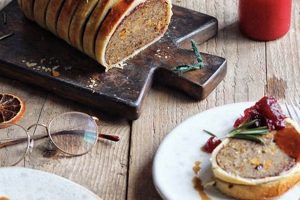
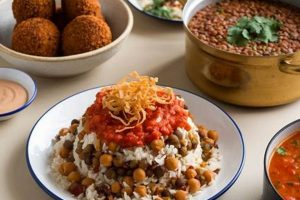
Plant-based adaptations of traditional Iberian dishes offer a diverse culinary experience. These preparations replace meat, fish, and dairy with plant-derived ingredients while retaining the authentic flavors and techniques characteristic of the region. Examples include paella prepared with vegetable broth and saffron-infused rice, gazpacho featuring blended raw vegetables, and patatas bravas accompanied by a dairy-free spicy sauce. The focus remains on utilizing fresh, seasonal produce and traditional seasonings to create flavorful and satisfying meals.
The significance of modifying Iberian gastronomy to adhere to plant-based dietary principles lies in addressing contemporary nutritional and ethical concerns. It provides options for individuals seeking to reduce their consumption of animal products, aligning with environmental sustainability goals and promoting potential health benefits associated with plant-rich diets. Furthermore, it demonstrates the adaptability of culinary traditions, allowing for the preservation of cultural heritage while embracing evolving dietary preferences. The historical context reveals a gradual shift towards greater awareness of plant-based nutrition and its potential impact on both personal well-being and planetary health.
The following sections will delve into specific categories of these reimagined dishes. Exploration will include appetizers, main courses, and desserts, with emphasis on ingredient substitutions, cooking methods, and nutritional considerations. Analysis will also cover the accessibility of necessary ingredients and the resources available for individuals interested in adopting these culinary practices.
Essential Guidance for Plant-Based Iberian Cuisine
The subsequent recommendations offer practical insights for preparing authentic-tasting, plant-based versions of Iberian culinary staples. Adherence to these guidelines enhances the overall quality and flavor profile of the dishes.
Tip 1: Source Authentic Smoked Paprika: Utilize high-quality pimentn de la Vera (smoked paprika) to impart a characteristic smoky flavor to dishes, mirroring the taste often associated with chorizo or other cured meats. The depth of flavor is crucial for replicating traditional tastes.
Tip 2: Employ Saffron Sparingly and Intentionally: Saffron, a key component in paella and other rice dishes, should be used judiciously. Overuse can result in a bitter taste. Infuse saffron threads in warm broth prior to adding them to the dish for optimal flavor extraction.
Tip 3: Embrace Regional Olive Oils: Iberian cuisine relies heavily on olive oil. Experiment with different varietals, such as Arbequina or Picual, to understand the nuances in flavor and how they complement various ingredients. Select extra virgin olive oil for drizzling and finishing dishes, while more economical options are suitable for cooking.
Tip 4: Leverage Legumes as Protein Sources: Beans, chickpeas, and lentils are fundamental to many Iberian dishes and serve as excellent substitutes for meat. Explore traditional bean stews, such as fabada asturiana (veganized), ensuring proper soaking and cooking techniques to maximize digestibility and flavor.
Tip 5: Master the Art of Vegetable Broth: A flavorful vegetable broth is essential for paella, soups, and stews. Create a robust broth using a variety of vegetables, including onions, carrots, celery, and tomatoes, simmered for an extended period to develop depth of flavor.
Tip 6: Consider Sherry Vinegar for Acidity: Sherry vinegar adds a distinctive tang to sauces, dressings, and marinades. Its complex flavor profile is a hallmark of Iberian cuisine and can elevate the overall taste of plant-based dishes.
Tip 7: Explore Vegan Wine Pairings: Research wines produced without animal-derived fining agents to complement plant-based Iberian meals. Many Spanish wines are naturally vegan-friendly; however, it is crucial to verify the production process.
By implementing these suggestions, individuals can more effectively create authentic and satisfying plant-based Iberian dishes, retaining the essence of the cuisine while adhering to dietary preferences.
The subsequent segments of this article will provide detailed recipes and further guidance on mastering these culinary adaptations.
1. Ingredient Alternatives
The successful execution of Iberian plant-based dishes hinges on the strategic selection and implementation of suitable replacements for animal-derived products. The absence of traditional ingredients, such as cured meats and dairy, necessitates the identification of plant-based alternatives capable of replicating or complementing their characteristic flavors and textures. The selection of appropriate alternatives directly impacts the authenticity and palatability of the final preparation. For instance, smoked paprika stands as a key substitute for chorizo, providing the necessary smoky and spicy notes to dishes such as patatas bravas or vegetable stews. Similarly, nutritional yeast can impart a cheesy flavor, crucial for recreating the creamy texture often found in sauces or gratins, commonly employing dairy in their traditional iterations.
Furthermore, the utilization of legumes and grains as protein sources is essential in these adaptations. Chickpeas, lentils, and beans feature prominently in dishes such as cocido madrileo (Madrid stew), traditionally a meat-heavy preparation. By increasing the proportion of legumes and incorporating umami-rich vegetables, the depth of flavor and protein content can be maintained. Regarding the texture, ingredients like firm tofu or seitan can replicate the heartiness of meat in dishes like albndigas (meatballs) when properly seasoned and prepared with Iberian spices. These ingredient substitutions provide opportunities for health enhancement by reducing saturated fat and cholesterol content while increasing dietary fiber.
In summation, the strategic application of ingredient alternatives is not merely a matter of substitution but a fundamental aspect of realizing authentic and appealing plant-based Iberian cuisine. Careful consideration of flavor profiles, textures, and nutritional balance are paramount. Challenges remain in replicating certain textures precisely, however, a growing availability of innovative plant-based products offers expanded opportunities for culinary creativity and the preservation of Iberian gastronomic heritage in a sustainable and ethical context.
2. Flavor Preservation

In the context of plant-based Iberian adaptations, flavor preservation constitutes a core objective and a significant challenge. The traditional iterations of many Spanish dishes derive their distinctive taste profiles from animal-based components such as cured meats, seafood, and dairy products. Removing these elements necessitates a strategic approach to retain the essence of Iberian flavors through alternative means. Failure to prioritize flavor preservation can result in dishes that, while plant-based, lack the characteristic zest and depth associated with the region’s culinary heritage. For example, a vegan paella prepared without adequate attention to flavor development may lack the savory umami notes typically imparted by seafood or meat-based broths. A direct consequence of insufficient flavor preservation is a diminished culinary experience that may not accurately represent Iberian gastronomy.
Techniques for effective flavor preservation in plant-based versions of Spanish dishes include employing smoked paprika to simulate the taste of chorizo, utilizing high-quality olive oil to replicate richness, and creating intensely flavored vegetable broths to substitute meat or seafood stocks. Furthermore, the strategic use of spices, herbs, and sherry vinegar can enhance the complexity and authenticity of the dishes. For instance, a veganized patatas bravas relies heavily on the proper balance of smoked paprika, garlic, and chili to achieve the signature spicy and smoky flavor. Plant-based versions of Iberian stews, such as cocido, necessitate slow cooking with a variety of vegetables and legumes to develop the depth of flavor traditionally achieved through extended simmering with meat.
In conclusion, flavor preservation is paramount to the successful adaptation of Iberian cuisine to plant-based diets. By strategically employing alternative ingredients and flavor-enhancing techniques, it is possible to create dishes that authentically represent the culinary heritage of Spain while adhering to ethical and dietary preferences. The ongoing exploration of innovative plant-based ingredients and cooking methods continues to expand the possibilities for flavor preservation in this context, ensuring a robust future for plant-based Iberian gastronomy.
3. Technique Adaptation

The successful conversion of traditional Iberian dishes into plant-based variations hinges significantly on technique adaptation. The established cooking methods, developed over centuries, often rely on the inherent properties of animal products to achieve desired textures and flavors. Modifying recipes to exclude these components necessitates adjustments to time, temperature, and preparation processes to compensate for the absence of meat, fish, and dairy. For instance, a traditional Spanish tortilla relies on the binding properties of eggs; a plant-based version demands innovative techniques, such as incorporating chickpea flour or a starch slurry, to create a similar cohesive structure. The cause and effect are clear: without altering the method, the intended outcome is unattainable. The importance of technique adaptation is, therefore, paramount to the creation of authentic plant-based Iberian cuisine, ensuring that the essential characteristics of the dish are preserved despite the absence of traditional ingredients.
Consider the case of paella. The traditional preparation involves slowly cooking rice in a broth typically derived from seafood or meat. A plant-based paella requires the creation of a flavorful vegetable broth, often enriched with smoked paprika and saffron, to replicate the umami notes characteristic of its non-vegan counterpart. Further, the rice itself may require a modified cooking time or technique to achieve the desired socarrat, the crispy bottom layer that is a hallmark of well-executed paella. The practical application of this understanding translates to a more informed and successful cooking experience, enabling culinary practitioners to navigate the challenges inherent in recreating familiar dishes using novel ingredients. The adaptation of frying, baking, and stewing methods also plays a key role in achieving the desired texture and flavor profiles.
In summary, technique adaptation is not merely a peripheral consideration but a core element in the realm of plant-based Iberian cuisine. It is the bridge connecting traditional culinary heritage with contemporary dietary preferences. Challenges remain in replicating the precise textures and flavors of certain dishes, requiring ongoing experimentation and innovation. This understanding of technique adaptation is crucial for both preserving cultural identity and promoting sustainable eating practices, thereby contributing to a broader culinary landscape that is both diverse and inclusive.
4. Nutritional Adequacy

Nutritional adequacy is a critical consideration in the context of adapting Iberian cuisine to plant-based diets. The removal of animal products necessitates a careful reassessment of nutrient sources to ensure that all essential dietary requirements are met. This becomes especially relevant when adapting dishes deeply rooted in traditional recipes, where ingredients are chosen for their flavor profiles rather than their nutritional value.
- Protein Sources
Plant-based Iberian dishes must prioritize sufficient protein intake. Traditional preparations often rely on meat, fish, or eggs as primary sources of protein. In vegan adaptations, legumes (such as chickpeas, lentils, and beans) become central. These should be incorporated into stews like cocido and utilized in dishes like albondigas through the use of lentil or textured vegetable protein alternatives. Nuts and seeds also contribute valuable protein, finding their place in salads, sauces, or as garnishes.
- Iron and Vitamin B12
Iron and Vitamin B12 require specific attention. Iron bioavailability is generally lower in plant-based sources. To counter this, combining iron-rich foods like spinach with vitamin C-rich ingredients, such as bell peppers, enhances absorption. Vitamin B12, not naturally found in plant-based foods, must be supplemented through fortified foods (e.g., plant-based milks, nutritional yeast) or direct supplementation to prevent deficiency.
- Omega-3 Fatty Acids
Omega-3 fatty acids are important for cardiovascular health and brain function. While fish are primary sources in traditional Iberian diets, plant-based alternatives include flaxseeds, chia seeds, and walnuts. Incorporating these ingredients into recipes, such as adding flaxseed meal to bread or using walnut-based sauces, helps to ensure adequate intake of these essential fats.
- Calcium
Calcium is vital for bone health. Dairy products, often used in Iberian cuisine, are replaced by plant-based sources like fortified plant milks (almond, soy, or oat milk) and leafy green vegetables such as kale and collard greens. Tofu processed with calcium sulfate is another excellent source of calcium, which can be integrated into various dishes to replace cheese or other dairy-based ingredients. A concerted effort should be made to increase the calcium intake to maintain the adequate value for vegan spanish diet.
Addressing these nutritional considerations is fundamental to creating plant-based Iberian dishes that are both flavorful and health-promoting. Intentional planning and strategic ingredient selection ensure that these culinary adaptations can provide complete and balanced nutrition, supporting overall well-being. Further, careful menu planning, coupled with regular nutritional assessment, helps to realize the full potential of plant-based Iberian cuisine as a viable and sustainable dietary option.
5. Regional Variations

The adaptation of Iberian cuisine to accommodate plant-based dietary preferences encounters significant regional variations. These differences are rooted in the diverse geographical landscapes, climates, and cultural histories of the various Spanish regions, influencing available ingredients and traditional culinary practices. Consequently, plant-based modifications must consider these regional nuances to maintain authenticity and culinary integrity.
- Andalusian Gazpacho and Salmorejo
Andalusia, known for its hot climate, has traditionally embraced cold vegetable soups like gazpacho and salmorejo. These preparations, inherently plant-based, offer a natural entry point for vegan adaptations. Gazpacho, a blend of raw tomatoes, cucumbers, peppers, onions, garlic, olive oil, and vinegar, and salmorejo, a thicker tomato-based soup often garnished with hard-boiled eggs and jamn, require only the omission or substitution of these non-vegan toppings, making them readily accessible to plant-based diets. This reliance on fresh, locally sourced vegetables underscores Andalusias potential as a hub for plant-based Iberian cuisine.
- Galician Vegetable Broths and Stews
Galicia, with its cooler, wetter climate, features hearty vegetable broths and stews utilizing locally grown produce. These preparations often include potatoes, cabbage, beans, and greens. Vegan adaptation typically involves omitting chorizo or other meats, focusing on enhancing the flavor profile with smoked paprika and high-quality olive oil to compensate. The historical context reveals that Galician peasant cuisine traditionally relied on simple, locally sourced ingredients, making it conducive to plant-based interpretations. These stews serve as a comforting and nutritious example of regional variation in plant-based Iberian cuisine.
- Catalan Escalivada and Romesco Sauce
Catalonia presents unique opportunities through dishes like escalivada, a medley of grilled vegetables, including eggplant, peppers, onions, and tomatoes, typically drizzled with olive oil. Romesco sauce, made from roasted tomatoes, peppers, garlic, almonds, and olive oil, offers a versatile plant-based accompaniment. These dishes, already largely plant-based, require minimal alteration to comply with vegan dietary principles. Catalan cuisine, influenced by Mediterranean flavors and a strong emphasis on seasonal produce, provides a fertile ground for plant-based culinary innovation.
- Basque Pintxos (Tapas) Adaptations
The Basque Country, renowned for its pintxos (tapas), presents a challenge and an opportunity for plant-based adaptations. While many traditional pintxos feature meat, seafood, or dairy, creative substitutions can maintain the essence of these bite-sized delicacies. Examples include mushroom-based pintxos, vegetable skewers, and plant-based pats served on crusty bread. The adaptation necessitates a departure from conventional pintxos ingredients, while retaining the visual appeal and flavor complexity that define Basque cuisine. Basque gastronomic societies have begun embracing these modifications, indicating a gradual shift towards inclusive culinary practices.
The regional variations evident across Spain significantly impact the possibilities and challenges associated with developing plant-based versions of traditional dishes. While some regions, like Andalusia, offer a natural inclination towards plant-based cuisine due to their reliance on fresh vegetables, others, like the Basque Country, demand more creative ingredient substitutions and culinary techniques. Understanding and respecting these regional nuances is crucial for maintaining authenticity and culinary integrity in plant-based Iberian cuisine, ensuring that these adaptations honor the diverse and rich gastronomic heritage of Spain.
Frequently Asked Questions about Plant-Based Iberian Cuisine
The following addresses common inquiries regarding the preparation and consumption of plant-based adaptations of traditional Spanish dishes. These questions are intended to provide clarity and guidance for individuals interested in exploring this culinary domain.
Question 1: Is it possible to replicate the authentic flavors of Iberian cuisine without using animal products?
Replicating traditional flavors in plant-based Iberian dishes necessitates the strategic use of ingredient substitutions and enhanced flavoring techniques. Smoked paprika can mimic the flavor of chorizo, while vegetable broths enriched with saffron and herbs can substitute meat or seafood stocks. Through careful ingredient selection and culinary artistry, authentic flavors can be achieved.
Question 2: What are the primary sources of protein in plant-based Iberian recipes?
Legumes, such as chickpeas, lentils, and beans, serve as the primary protein sources in plant-based adaptations. These can be incorporated into stews, soups, and tapas. Nuts and seeds also contribute to protein intake and can be used as garnishes or in sauces.
Question 3: How can nutritional adequacy be ensured when adhering to a plant-based Iberian diet?
Ensuring nutritional adequacy requires careful planning to meet all essential nutrient needs. Attention must be paid to obtaining sufficient iron, vitamin B12, omega-3 fatty acids, and calcium. Fortified plant-based foods and supplements may be necessary to prevent deficiencies.
Question 4: Are there regional variations that influence plant-based adaptations of Iberian cuisine?
Regional variations significantly impact the adaptation process. Some regions, like Andalusia, naturally lend themselves to plant-based dishes due to their reliance on fresh vegetables. Other regions may require more creative ingredient substitutions and culinary techniques to maintain authenticity.
Question 5: What are some common challenges encountered when preparing plant-based Iberian dishes?
Common challenges include replicating the textures of certain animal products, achieving the complex umami flavors traditionally derived from meat or seafood, and ensuring the overall nutritional completeness of the diet.
Question 6: Where can individuals find reliable recipes and resources for plant-based Iberian cooking?
Reliable resources include plant-based cookbooks specializing in Iberian cuisine, reputable online culinary websites, and cooking classes focused on vegan or vegetarian adaptations of traditional Spanish dishes. Verifying the accuracy and authenticity of recipes is crucial.
In summary, the successful creation of plant-based adaptations of Iberian cuisine necessitates a thorough understanding of traditional flavors, strategic ingredient substitutions, and careful attention to nutritional adequacy. With diligent planning and culinary creativity, individuals can enjoy the diverse and flavorful culinary heritage of Spain while adhering to ethical and dietary preferences.
The following section will present a collection of detailed plant-based Iberian recipes for culinary exploration.
Conclusion
This exploration of plant-based Iberian gastronomy has delineated key aspects, ranging from ingredient substitution and flavor preservation to technique adaptation and nutritional adequacy. The diverse regional variations across Spain present both opportunities and challenges for replicating traditional dishes without animal products. Success hinges on a comprehensive understanding of Iberian culinary heritage and a commitment to innovative culinary practices.
The continued evolution of plant-based eating necessitates ongoing research and experimentation within this domain. Further development in plant-based ingredients and culinary expertise will be crucial in expanding the possibilities for authentic and nutritionally sound “vegan spanish recipes”. The broader implications extend to promoting sustainable dietary practices and preserving cultural culinary traditions for future generations.
![Easy Vegan Cauliflower Steak Recipe [Delicious!] | Discover Delicious Vegan Food, Beauty Swaps, and Zero-Waste Tips for a Greener Life](https://thisvegangirl.com/wp-content/uploads/2026/04/th-199-300x200.jpg "Easy Vegan Cauliflower Steak Recipe [Delicious!] Discover Delicious Vegan Food, Beauty Swaps, and Zero-Waste Tips for a Greener Life")