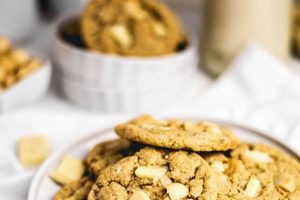
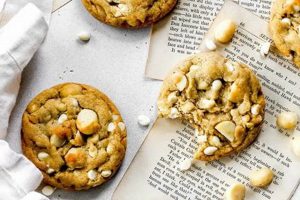
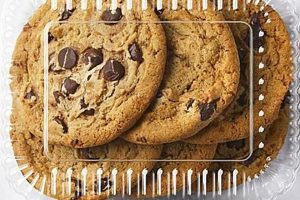
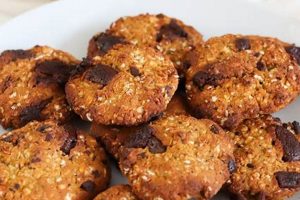
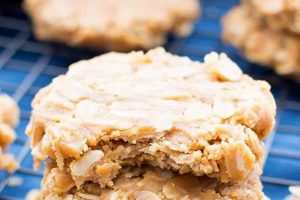
The subject of this discussion is a specific type of baked good that leverages the by-product of sourdough bread making. These treats, created without animal products, offer a way to minimize food waste and create palatable snacks or desserts. They typically incorporate ingredients such as flour, sugar, oil, and flavorings, binding them together to form a cohesive dough that is then baked.
Utilizing the surplus from sourdough starters presents several advantages. It reduces environmental impact by repurposing what would otherwise be thrown away. Furthermore, incorporating sourdough discard imparts a subtle tang and chewier texture to the finished product, enhancing its overall sensory experience. This method also aligns with dietary preferences that exclude animal-derived components, catering to a wider range of consumers.
The following sections will delve into various aspects related to creating these particular baked items, including ingredient selection, preparation techniques, and potential recipe variations, with a focus on optimizing flavor and texture while maintaining a commitment to plant-based ingredients.
Essential Considerations for Successful Baking
Achieving optimal results when preparing these baked goods requires careful attention to detail. The following insights provide guidance on key aspects of the baking process.
Tip 1: Starter Acidity Assessment: Evaluate the sourdough discard for its acidity. A highly acidic discard may result in an overly tangy flavor. Adjust the recipe by incorporating a small amount of baking soda to neutralize excess acidity.
Tip 2: Flour Selection and Hydration: Opt for a high-quality flour with appropriate protein content. The hydration level of the discard will affect the dough’s consistency. Adjust the amount of liquid ingredients accordingly to achieve a manageable, pliable dough.
Tip 3: Fat Source Considerations: The type of fat used significantly impacts the final texture. Coconut oil can provide a firmer consistency, while liquid oils such as canola or sunflower oil yield a softer crumb. Experiment to determine the preferred texture.
Tip 4: Sweetener Selection and Impact: Different sweeteners impact flavor and texture. Granulated sugar contributes to crispness, while brown sugar imparts a chewier texture and a caramel-like flavor. Consider using a combination for a balanced profile.
Tip 5: Baking Time and Temperature Monitoring: Precise temperature control is crucial. Use an oven thermometer to ensure accurate baking temperatures. Monitor the baking process closely to prevent over-baking, which can lead to dryness.
Tip 6: Cooling Protocol: Allow the baked goods to cool completely on a wire rack before storing. This prevents condensation from forming, which can result in a soggy texture.
Tip 7: Flavor Enhancement Strategies: Experiment with various flavor additions, such as chocolate chips, nuts, dried fruit, or spices. Adjust the quantities of each ingredient to achieve the desired flavor profile.
Proper implementation of these techniques ensures a successful outcome, yielding palatable and texturally pleasing baked goods.
The subsequent sections will provide specific recipe examples and advanced baking techniques for further refinement of the process.
1. Texture
Texture, a crucial sensory attribute, plays a pivotal role in the overall enjoyment of these baked goods. It encompasses aspects like chewiness, crispness, softness, and density, all of which contribute to the eating experience. The interaction between ingredients and baking techniques directly influences these textural qualities.
- Fat Source and Dough Consistency
The type of fat employed significantly alters the end product. Solid fats, such as vegan butter or coconut oil, tend to produce a more structured, potentially crisper outcome if used in moderation. Conversely, liquid oils like canola or sunflower oil typically yield a softer, chewier texture. The ratio of fat to other ingredients also dictates the dough’s consistency, ranging from crumbly to smooth, influencing the resulting cookie’s density.
- Sugar Type and Caramelization
The choice of sweetener impacts both flavor and texture. Granulated sugar often promotes a crisper edge due to its propensity to crystallize and caramelize during baking. Brown sugar, with its higher molasses content, draws in moisture, resulting in a softer, chewier cookie. The degree of caramelization also affects the overall texture, with deeper caramelization contributing to a snap or crunch.
- Sourdough Discard Acidity and Gluten Development
The acidity of the sourdough discard can affect gluten development within the dough. A more acidic discard may inhibit gluten formation, leading to a more tender, potentially crumbly texture. Conversely, a less acidic discard allows for greater gluten development, resulting in a chewier structure. Adjustments to the recipe, such as the addition of a small amount of baking soda, can moderate the acidity and influence the final texture.
- Baking Time and Moisture Content
Optimal baking time is critical for achieving the desired texture. Underbaking results in a soft, doughy cookie, while overbaking leads to excessive dryness and a brittle texture. The residual moisture content also plays a role; a higher moisture content generally contributes to a chewier consistency. Careful monitoring of the baking process is essential to achieve the ideal balance of texture and moisture.
These textural elements are interconnected, and mastering their interplay is crucial for crafting desirable these cookies. Understanding how each ingredient and baking technique contributes to the final texture allows for precise control and customization to meet specific preferences.
2. Flavor

Flavor, in the context of the specified baked items, is a multi-faceted characteristic arising from the interplay of ingredients and fermentation processes. The use of sourdough discard introduces a subtle tanginess, a direct consequence of the lactic and acetic acids produced during fermentation. This tang, if uncontrolled, can dominate the flavor profile, necessitating careful balancing with other sweet and savory components. For instance, the addition of vanilla extract or citrus zest can mitigate excessive sourness, creating a more harmonious taste. Chocolate chips or nuts further contribute complementary flavors, enhancing overall palatability. The selection of vegan butter alternatives also impacts flavor; some exhibit a neutral taste, while others possess a distinct coconut or olive oil undertone, influencing the final outcome. A lack of attention to these interactions may result in a product that is either overwhelmingly sour or bland, detracting from its intended appeal.
The perceived sweetness of the cookies is intrinsically linked to the acidic tang imparted by the sourdough discard. Due to this interaction, the quantity of sweetener requires careful calibration. An insufficient amount of sugar can result in an unpleasantly sour cookie, while an excess can mask the sourdough’s characteristic flavor entirely. Brown sugar, with its molasses content, introduces a depth of flavor that complements the tanginess, creating a more complex taste profile compared to granulated sugar alone. Moreover, the baking process itself contributes to flavor development through Maillard reaction, which generates hundreds of volatile compounds that contribute to the overall aroma and taste. Underbaking can result in a doughy texture and underdeveloped flavors, while overbaking can lead to a burnt or bitter taste, both negatively impacting the final product.
In conclusion, flavor is a critical determinant of the success of these particular baked goods. Its management involves a comprehensive understanding of ingredient interactions, fermentation byproducts, and baking processes. The careful selection and balancing of ingredients, coupled with precise baking techniques, are essential to achieving a palatable and enjoyable flavor profile. Challenges lie in mitigating excessive sourness and achieving a balanced sweetness, both of which require meticulous attention to detail. The ability to manipulate flavor effectively transforms what might otherwise be considered a waste product into a desirable and flavorful treat.
3. Ingredients
Ingredient selection is paramount in the creation of palatable and texturally satisfying baked goods of this specific variety. The interplay of components determines the final product’s flavor, structure, and suitability for vegan consumption.
- Flour Type and Gluten Development
The type of flour significantly affects the cookie’s texture. All-purpose flour, while readily available, yields a softer, more delicate cookie. Bread flour, with its higher protein content, promotes increased gluten development, leading to a chewier texture. Gluten-free flour blends, consisting of ingredients like rice flour, tapioca starch, and potato starch, are necessary for gluten-sensitive individuals but require adjustments to liquid ratios and the addition of binding agents, such as xanthan gum, to mimic gluten’s structure-building properties.
- Vegan Fat Source and its Impact
Traditional cookie recipes rely on butter for flavor and texture. In this plant-based context, suitable alternatives are required. Vegan butter substitutes often mimic the functionality of dairy butter, contributing to a similar richness and tenderness. Coconut oil, either refined or unrefined, offers a distinct flavor profile and alters the texture, resulting in a slightly denser cookie. Liquid oils, such as canola or sunflower oil, create a softer, chewier outcome, but may lack the richness associated with solid fats.
- Sweetener Selection and Flavor Contribution
The choice of sweetener influences both the flavor and texture of the final product. Granulated sugar promotes crispness, while brown sugar, due to its molasses content, contributes to chewiness and a caramel-like flavor. Liquid sweeteners, such as maple syrup or agave nectar, add moisture and a subtle flavor nuance, but necessitate adjustments to the dry ingredient ratio to maintain dough consistency. The quantity of sweetener must be carefully balanced against the acidity of the sourdough discard.
- Sourdough Discard: Composition and Function
The sourdough discard itself is a crucial ingredient, contributing a characteristic tang and impacting the texture. Its hydration level (the ratio of water to flour) affects the overall dough consistency. A discard with a higher hydration level will result in a wetter dough, requiring adjustments to other liquid ingredients. The acidity of the discard, influenced by the fermentation process, contributes to the cookie’s unique flavor profile. Baking soda is sometimes added to neutralize excess acidity, preventing an overly sour taste.
The deliberate selection and precise measurement of these ingredients are fundamental to achieving consistent and desirable results. Understanding the functional properties of each component and how they interact is crucial for successful adaptation of conventional cookie recipes to a plant-based format, incorporating the unique characteristics of sourdough discard.
4. Acidity

Acidity is a critical factor in the production of the specified baked items, directly influencing flavor, texture, and overall palatability. The sourdough discard, a byproduct of sourdough starter maintenance, inherently possesses a certain level of acidity due to the presence of lactic and acetic acids produced during fermentation. The management of this acidity is therefore essential for achieving desirable results.
- Source of Acidity
The primary source of acidity is the sourdough discard itself. Lactic acid bacteria and yeast within the starter produce organic acids, lowering the pH. The age of the discard and the feeding schedule of the starter impact the concentration of these acids. A longer fermentation period, or infrequent feedings, leads to a more acidic discard. Different flours used in the starter also affect the acidity profile. Understanding these sources is essential for predicting and controlling the acidity level in the final product.
- Flavor Modulation
Acidity contributes a tangy flavor that is characteristic of sourdough-based products. However, excessive acidity results in an unpleasantly sour taste. The perceived sourness can be modulated through various techniques, including the addition of sweeteners or the incorporation of ingredients with buffering properties. Careful selection of flavoring agents, such as vanilla extract or citrus zest, can mask or complement the acidic notes, creating a more balanced flavor profile. Blindly relying on the discard without accounting for its acid level can lead to inconsistent results.
- Texture Impact
Acidity affects gluten development within the dough. High acidity inhibits gluten formation, resulting in a more tender, potentially crumbly texture. Conversely, lower acidity allows for greater gluten development, leading to a chewier structure. Bakers sometimes employ techniques to moderate the acidity, such as adding baking soda, which neutralizes some of the acids. This adjustment impacts the cookie’s final texture. The hydration level of the discard interacts with acidity to further influence texture, necessitating precise control of liquid ratios.
- pH Measurement and Adjustment
While not always practical for home bakers, measuring the pH of the sourdough discard provides quantitative data on its acidity. pH meters or test strips offer a means of assessing acidity levels and making informed adjustments to the recipe. For example, if the pH indicates high acidity, a small amount of baking soda may be added to neutralize the acids before incorporating the discard into the dough. This proactive approach ensures consistent results and prevents unwelcome surprises in flavor and texture.
The interrelationship between acidity and other ingredients is a defining characteristic of vegan sourdough discard cookies. Successful preparation requires a thorough understanding of these interactions, enabling bakers to create consistently palatable and texturally appealing products. The management of acidity transforms what would otherwise be a waste product into a flavorful and texturally interesting component.
5. Baking time

Baking time, in the context of creating these specific baked goods, is a critical variable that dictates the final texture and flavor profile. Insufficient baking time results in a doughy, undercooked center, rendering the cookies unpalatable. Conversely, excessive baking leads to dryness, brittleness, and potentially burnt edges, diminishing the sensory experience. The optimal baking time is thus a narrow window dependent on several factors, including oven temperature accuracy, cookie size, and the specific ingredients used, particularly the hydration level of the sourdough discard.
The Maillard reaction, a chemical process occurring at high temperatures between amino acids and reducing sugars, is fundamentally tied to baking time. This reaction contributes significantly to the characteristic golden-brown color and complex flavor development associated with baked goods. Inadequate baking time hinders the Maillard reaction, resulting in a pale appearance and a lack of depth in flavor. Over-extension of baking time, however, leads to excessive Maillard reaction, producing undesirable burnt flavors and darkening of the cookie exterior. Furthermore, baking time directly affects moisture content; prolonged baking drives off moisture, leading to a drier cookie, while insufficient baking retains moisture, resulting in a gummy texture.
Achieving the correct baking time for these cookies requires careful observation and attention to detail. Factors such as oven calibration, cookie size consistency, and visual cues like edge browning are essential indicators. Due to the variance in oven performance, adherence to a precise time is less critical than assessing the cookie’s visual and tactile properties. Baking time, therefore, represents a crucial component in the successful production of these baked goods, requiring a nuanced understanding of the underlying chemical processes and a keen awareness of observable indicators.
6. Storage

Proper storage is paramount to maintaining the quality and extending the shelf life of vegan sourdough discard cookies. Deviations from recommended storage practices can lead to undesirable changes in texture, flavor, and overall palatability.
- Airtight Containers and Moisture Control
The primary objective of storage is to prevent moisture absorption or loss. Placing the cookies in an airtight container is crucial. Exposure to air causes cookies to become stale and dry due to moisture evaporation. Conversely, improper sealing in humid environments leads to moisture absorption, resulting in a soft, undesirable texture. Glass or metal containers with tight-fitting lids are generally preferred over plastic containers, which can sometimes allow for moisture transfer.
- Temperature Considerations and Lipid Stability
Storage temperature affects the rate of lipid oxidation in vegan fats, such as those derived from plant-based butters or oils commonly used in the cookies. Elevated temperatures accelerate oxidation, leading to rancidity and off-flavors. Storing the cookies at room temperature (ideally below 75F/24C) is generally acceptable for short-term storage (1-2 days). For extended storage, refrigeration can slow down oxidation, but may also cause the cookies to harden. Freezing the cookies is an option for long-term preservation, but thawing requires careful attention to prevent moisture condensation.
- Ingredient-Specific Storage Implications
The presence of certain ingredients influences storage requirements. Cookies containing high levels of moisture-attracting ingredients, such as brown sugar or molasses, are more susceptible to softening during storage. Conversely, cookies with a high ratio of nuts or seeds may become rancid more quickly due to the unsaturated fats present. Understanding the specific ingredients in the recipe and their individual storage characteristics allows for informed decisions regarding storage methods.
- Separation and Layering Techniques
To prevent sticking and maintain structural integrity, especially for frosted or decorated cookies, it is advisable to layer cookies between sheets of parchment paper or wax paper within the storage container. This separation minimizes surface contact and prevents the transfer of moisture or flavors between cookies. Proper layering also reduces the risk of breakage during storage and handling.
In conclusion, successful storage of vegan sourdough discard cookies necessitates careful consideration of environmental factors, ingredient composition, and appropriate container selection. Adherence to established storage principles ensures that the cookies retain their intended texture, flavor, and overall quality for an extended period.
Frequently Asked Questions About Vegan Sourdough Discard Cookies
The following addresses common inquiries regarding the preparation, properties, and storage of cookies incorporating vegan ingredients and sourdough discard.
Question 1: What is the purpose of incorporating sourdough discard into cookies?
Sourdough discard, a byproduct of sourdough starter maintenance, serves to minimize food waste. Additionally, it imparts a subtle tang and alters the texture, contributing to a unique flavor profile.
Question 2: Can the acidity of the sourdough discard negatively affect the cookies?
Excessive acidity can result in an overly sour flavor. The addition of a small quantity of baking soda neutralizes the acids, mitigating this effect.
Question 3: Are special ingredients required to prepare vegan versions of these cookies?
Traditional butter is replaced with vegan butter substitutes or plant-based oils. Eggs are omitted, as the gluten in the flour and the structure provided by other ingredients are sufficient for binding.
Question 4: How does baking time differ from traditional cookie recipes?
Baking time can vary based on oven calibration and cookie size. Monitoring visual cues, such as edge browning, is more reliable than strictly adhering to a specified time. Overbaking results in dryness, while underbaking leads to a doughy texture.
Question 5: What storage practices are recommended?
Cookies should be stored in an airtight container at room temperature to maintain texture and prevent moisture absorption. Refrigeration can extend shelf life but may alter the texture.
Question 6: Can substitutions be made for specific ingredients?
Flour substitutions, such as gluten-free blends, require adjustments to liquid ratios and the addition of binding agents. Sweetener substitutions may affect both flavor and texture; careful consideration is necessary.
In summary, the successful preparation of these baked items relies on a nuanced understanding of ingredient interactions and baking techniques. Attentive monitoring of visual cues and adjustments to the recipe are key to achieving consistent results.
The next section explores advanced recipe variations and troubleshooting tips.
Vegan Sourdough Discard Cookies
This exploration has illuminated the various facets of producing vegan sourdough discard cookies. From ingredient selection and acidity management to baking time optimization and storage protocols, the process requires a detailed understanding of component interactions. Mastering these elements enables the transformation of a humble sourdough byproduct into a palatable and sustainable baked good.
The successful creation of these cookies stands as a testament to resourcefulness and culinary innovation. By embracing sustainable practices and plant-based ingredients, one not only reduces waste but also expands the realm of palatable dietary options. Continued experimentation and refinement will undoubtedly lead to further advancements in this area, fostering a greater appreciation for both flavor and environmental responsibility.