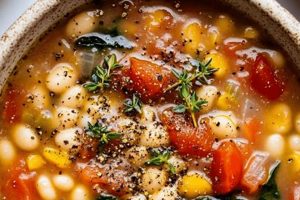
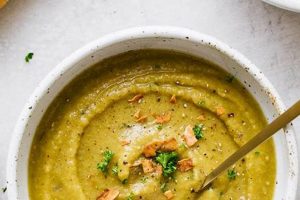
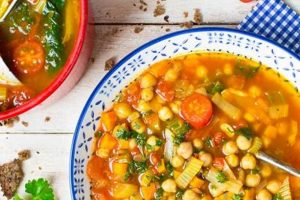
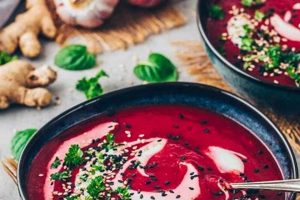
A culinary preparation featuring tomatoes as the primary ingredient, heat-treated in an oven to concentrate their flavors, and subsequently blended into a smooth liquid. The ‘vegan’ descriptor indicates the complete absence of animal-derived products in its composition, aligning with dietary restrictions that exclude meat, dairy, eggs, and honey. An example involves baking tomatoes with herbs and garlic before pureeing them with vegetable broth.
The significance of this dish lies in its nutritional profile and ethical alignment. It typically provides vitamins, minerals, and antioxidants inherent in tomatoes. Furthermore, its plant-based nature makes it suitable for individuals adhering to vegan principles, thereby promoting both personal health and environmentally conscious consumption habits. Historically, tomato-based soups have been a staple in various cultures, adapting over time to incorporate diverse culinary techniques and dietary preferences.
The following sections will elaborate on specific preparation methods, nutritional aspects, ingredient variations, and potential health considerations associated with crafting and consuming this specific type of dish. The focus will remain on providing evidence-based information and practical guidance for individuals interested in incorporating it into their dietary regimen.
Tips for Superior Vegan Roast Tomato Soup
Achieving optimal flavor and texture requires careful attention to several key steps in the preparation process. These guidelines aim to enhance the final product through specific techniques and ingredient selection.
Tip 1: Tomato Selection: Opt for ripe, in-season tomatoes, as their inherent sweetness and acidity will intensify during roasting. Roma or San Marzano varieties are particularly well-suited due to their meaty texture and lower water content.
Tip 2: Roasting Temperature and Duration: Maintain a consistent oven temperature of 400F (200C) for approximately 45-60 minutes. This prolonged exposure to heat allows for deep caramelization and concentrated flavor development.
Tip 3: Herb and Garlic Infusion: Incorporate fresh herbs, such as thyme or basil, and whole garlic cloves into the roasting pan. These aromatics will infuse the tomatoes with subtle nuances, adding complexity to the overall flavor profile.
Tip 4: Controlled Blending: Use an immersion blender or a standard blender to achieve a smooth, consistent texture. Avoid over-blending, as this can introduce excess air and diminish the soup’s velvety mouthfeel.
Tip 5: Vegetable Broth Enhancement: Employ high-quality vegetable broth as the liquid base. Consider using homemade broth or a low-sodium variety to control the salt content and overall flavor intensity.
Tip 6: Balancing Acidity: If the soup exhibits excessive acidity, a small addition of a plant-based sweetener, such as agave nectar or maple syrup, can help to balance the flavor profile. Introduce the sweetener gradually, tasting frequently until the desired equilibrium is achieved.
Tip 7: Finishing Touches: A drizzle of high-quality olive oil or a swirl of coconut cream can add richness and visual appeal to the finished product. These additions should be implemented sparingly to avoid overpowering the inherent tomato flavor.
By adhering to these recommendations, individuals can significantly elevate the quality and taste of this flavorful and nutritious dish.
The following section will discuss potential variations and serving suggestions to further enhance the culinary experience.
1. Roasting tomatoes' sweetness

The process of roasting tomatoes is integral to developing the characteristic flavor profile of a specific preparation. The application of dry heat to tomatoes initiates a cascade of chemical reactions, most notably caramelization. This process, driven by the Maillard reaction and the breakdown of sugars, concentrates the natural sweetness inherent in tomatoes while simultaneously generating complex aromatic compounds. The effect is a transformation from a relatively simple flavor profile to one characterized by depth, richness, and a pronounced sweetness that contrasts with the tomato’s inherent acidity. This sweetening effect is a cornerstone, and an effect that must be considered carefully.
The heightened sweetness achieved through roasting directly influences the overall palatability. By intensifying the fruit’s natural sugars and reducing the moisture content, roasting creates a more concentrated and satisfying taste. For example, a batch of tomatoes roasted at 400F (200C) for approximately one hour will exhibit a markedly different flavor compared to the same tomatoes used fresh or simply simmered. This concentrated sweetness mitigates the need for added sugar or other sweeteners, making the dish inherently more healthful and aligned with the preferences of those seeking naturally sweetened foods. Also, this adds a degree of sweetness that many find pleasant.
Understanding the relationship between the roasting process and the resulting sweetness is critical for optimizing the final culinary product. It enables precise control over the flavor profile, allowing chefs and home cooks to adjust roasting parameters (temperature, duration) to achieve the desired level of sweetness and complexity. By mastering this technique, it is possible to create a consistently delicious and satisfying product, even when using tomatoes that may initially lack optimal sweetness. This principle is key in food chemistry. Thus, by controlling roasting, chefs can make or break a vegan dish.
2. Vegan ingredient sourcing

The preparation of a plant-based version necessitates a rigorous approach to ingredient selection, as the absence of animal products mandates careful consideration of both origin and processing methods. A suitable product can only be achieved through the deliberate procurement of vegetables, herbs, spices, and liquids that are demonstrably free from animal-derived components. This extends beyond obvious exclusions such as meat or dairy; it requires scrutiny of seemingly innocuous ingredients like vegetable broths, which may contain animal-based flavor enhancers. For instance, a product labeled “vegetable broth” could potentially include a flavoring agent derived from hydrolyzed animal protein, rendering it unsuitable for vegan consumption.
The importance of adherence to vegan ingredient sourcing lies in upholding the ethical and dietary principles underlying the plant-based approach. Misidentification or inadvertent inclusion of animal products directly undermines the purpose of the preparation, creating a dish that does not align with the intended dietary restrictions. A practical example of this involves the selection of cooking oil. While most plant-based oils, such as olive oil or sunflower oil, are inherently vegan, their processing may sometimes involve the use of bone char as a filtering agent. Therefore, conscientious sourcing requires verification of the oil’s manufacturing process to ensure its suitability. Also, it’s important to find ingredient substitution.
In summary, ingredient sourcing is fundamental to the integrity of the dish. The challenges associated with guaranteeing the absence of animal products necessitate diligence and meticulous attention to detail at every stage of the supply chain. This dedication to verifying the origin and processing of ingredients is not merely a technicality; it is an essential component of ethical cooking and provides the nutritional value that consumers seek.
3. Tomato variety impacts

The selection of tomato varieties exerts a significant influence on the final characteristics of this dish, affecting flavor profile, texture, and overall nutritional composition. Different cultivars possess distinct levels of acidity, sweetness, and water content, all of which are amplified through the roasting process and ultimately shape the finished product. This influence extends beyond mere taste, impacting the soup’s consistency and the intensity of its inherent flavors.
- Acidity Levels and Roasting
Tomato varieties vary considerably in their natural acidity. Lower-acid varieties, such as Roma or San Marzano, tend to produce a smoother, sweeter flavor when roasted, while higher-acid varieties like Early Girl can impart a tangier, more vibrant taste. The roasting process itself further concentrates these acids, making the initial varietal selection critical for achieving the desired balance.
- Water Content and Texture
Varieties with lower water content, like paste tomatoes, yield a thicker, more concentrated. This is particularly advantageous, as it minimizes the need for thickening agents and enhances the intensity of tomato flavor. Conversely, varieties with higher water content may require longer roasting times to reduce moisture, potentially impacting the overall sweetness and texture.
- Sugar Content and Caramelization
The inherent sugar content of different tomatoes directly affects their caramelization potential during roasting. Varieties with higher natural sugars, like cherry or grape tomatoes, tend to caramelize more readily, developing richer, more complex flavors. This caramelized sweetness complements the savory notes, creating a more balanced and nuanced taste profile. Therefore, it is important to consider the amount of sugar that would improve the final texture.
- Nutritional Composition
Different tomato varieties exhibit varying concentrations of vitamins, minerals, and antioxidants. Heirloom varieties, for example, are often richer in nutrients than commercially produced hybrids. Selecting nutrient-dense varieties enhances the nutritional value, contributing to a healthier final product and increasing the benefits.
Therefore, the impact of tomato variety on the characteristics of a roast preparation is undeniable. By carefully considering the acidity, water content, sugar levels, and nutritional composition of different cultivars, individuals can exert greater control over the flavor, texture, and overall health benefits. Informed selection, aligned with specific culinary goals, is a key determinant of success in creating a delicious and nutritious outcome.
4. Soup texture refinement

The pursuit of optimal consistency is integral to the quality of any blended product, including vegan roast tomato soup. The final texture significantly influences the palatability and overall sensory experience, transforming a simple puree into a culinary experience.
- Blending Techniques and Equipment
Achieving a consistently smooth consistency requires employing appropriate blending techniques and equipment. High-speed blenders and immersion blenders are commonly utilized to break down roasted tomato solids into a homogeneous liquid. The duration and intensity of blending directly impact the final texture, necessitating careful monitoring to avoid over-processing, which can result in a less desirable, aerated texture.
- Strainers and Filtration Methods
For individuals seeking an ultra-smooth texture, the use of strainers and filtration methods can be beneficial. Passing the blended puree through a fine-mesh sieve or cheesecloth removes any remaining fibrous particles, resulting in a velvety consistency. This technique is particularly useful when working with tomato varieties that contain tougher skins or seeds that do not fully break down during blending.
- Liquid Ratio Adjustments
The ratio of roasted tomatoes to liquid (typically vegetable broth) plays a crucial role in determining the final texture. Increasing the liquid content yields a thinner, more fluid consistency, while reducing the liquid results in a thicker, more concentrated preparation. The ideal ratio depends on personal preference and the intended use of the product. For example, a thinner consistency may be preferred for a sipping, while a thicker consistency may be more suitable as a sauce or dip.
- Emulsification and Binding Agents
In certain cases, emulsification and binding agents can be employed to further refine the texture and prevent separation of the liquid and solid components. The addition of a small amount of plant-based cream or a starch-based thickener can help to create a more stable emulsion, resulting in a smoother, more cohesive product. However, these agents should be used sparingly to avoid masking the natural flavor of the roasted tomatoes.
In summary, soup texture refinement is a multifaceted process that involves careful consideration of blending techniques, filtration methods, liquid ratios, and the potential use of emulsification agents. By mastering these techniques, individuals can consistently achieve the desired consistency, enhancing the overall sensory experience and transforming this into a culinary masterpiece.
5. Flavor layering process

The construction of a compelling flavor profile is a cornerstone of culinary art. This process, when applied to plant-based preparations, requires a nuanced understanding of ingredient interactions and the sequential introduction of flavor elements to achieve depth and complexity. In the context of the recipe being discussed, this process determines its ultimate success.
- Base Note Establishment via Roasting
The initial layer of flavor is established through the roasting of tomatoes. This process concentrates the tomatoes’ natural sugars and acids, creating a foundation of sweetness and umami. Complementary vegetables, such as onions and garlic, are often incorporated during roasting to add aromatic complexity. This foundational layer dictates the overall character of the dish.
- Herbal and Spice Infusion
The introduction of herbs and spices represents a critical step in layering flavors. Fresh herbs, such as basil, oregano, or thyme, provide bright, volatile aromas that enhance the perceived freshness of the dish. Spices, such as smoked paprika or chili flakes, can introduce subtle heat and smoky notes. The timing of herb and spice addition is crucial; some are best added during roasting to allow their flavors to meld with the tomatoes, while others are more effectively introduced towards the end of cooking to preserve their vibrancy.
- Acidic Balancing and Depth Enhancement
The addition of an acidic element, such as balsamic vinegar or lemon juice, serves to balance the sweetness and umami developed during roasting. This acidic counterpoint prevents the flavor profile from becoming monotonous and adds a layer of complexity. Furthermore, a small amount of high-quality olive oil, added at the end of cooking, can contribute richness and mouthfeel.
- Umami Amplification (Vegan)
Given the absence of animal-based ingredients, the amplification of umami, often described as savory goodness, is crucial. Ingredients such as nutritional yeast, miso paste, or sun-dried tomatoes can be incorporated to enhance this sensation. These ingredients provide glutamates, which are naturally occurring amino acids that stimulate the umami taste receptors on the tongue. Careful consideration of quantity is required to avoid overpowering the inherent tomato flavor.
In conclusion, the construction of a layered flavor profile involves a sequential and deliberate approach to ingredient addition. Each layer contributes unique characteristics that, when combined, create a cohesive and compelling culinary experience. This nuanced manipulation of flavor elements is fundamental to transforming simple ingredients into a complex and satisfying plant-based product.
6. Nutritional considerations

The nutritional profile is a crucial aspect of any dietary item, and this is especially relevant in the context of vegan roast tomato soup. The dish’s composition directly impacts its contribution to an individual’s overall nutrient intake and health outcomes. Understanding the specific nutrients present, their bioavailability, and potential interactions is essential for informed dietary choices.
- Vitamin Content and Bioavailability
Tomatoes are a significant source of vitamins, particularly Vitamin C and Vitamin A (in the form of beta-carotene). The roasting process can, in some instances, enhance the bioavailability of certain nutrients, making them more readily absorbed by the body. For example, lycopene, a potent antioxidant found in tomatoes, may become more bioavailable after heat treatment. The amount of each vitamin needs to be considered in preparing a meal, and the method must avoid destroying any nutritional benefits.
- Mineral Composition and Dietary Needs
This specific soup provides minerals such as potassium and magnesium, which are essential for maintaining electrolyte balance and supporting various bodily functions. The mineral content can vary depending on the tomato variety and the other ingredients used. The use of high-quality vegetable broth, for instance, can contribute additional minerals and trace elements. Thus, consideration should be paid to the ingredients in addition to the tomatoes.
- Fiber Content and Digestive Health
The fiber content of a plant-based product, derived from the tomato solids and any added vegetables, contributes to digestive health by promoting regularity and supporting beneficial gut bacteria. The specific amount of fiber will depend on whether the soup is strained or consumed with the pulp. Consuming the un-strained variant can significantly increase the fiber intake.
- Sodium Content and Cardiovascular Health
The sodium content requires careful consideration, particularly for individuals monitoring their sodium intake for cardiovascular health reasons. Commercially prepared vegetable broths can be high in sodium, so the selection of low-sodium or homemade broth is crucial. The addition of salt during cooking should also be carefully controlled to minimize sodium levels. The sodium content should also be considered when consuming the meal, or the consumer could consume unhealthy levels of sodium.
The nutritional value of this product extends beyond its basic components. It serves as a versatile platform for incorporating additional nutrient-rich vegetables and legumes, further enhancing its nutritional profile. Moreover, its inherently low-fat and plant-based nature aligns with many dietary guidelines promoting cardiovascular health and weight management. Individuals can make the appropriate decision when all the nutritional components are known.
7. Serving temperature matters
The serving temperature of vegan roast tomato soup exerts a demonstrable influence on its perceived flavor, texture, and overall palatability. The sensory receptors responsible for taste perception function optimally within a specific temperature range. Serving outside this range can diminish the intended gustatory experience and compromise the dish’s intended appeal. For example, serving the soup too cold can mute the roasted flavors and accentuate its acidity, while serving it excessively hot can dull the palate and obscure subtle nuances.
The ideal serving temperature for vegan roast tomato soup typically falls between 150-160F (65-71C). This range allows the volatile aromatic compounds to be released, enhancing the aroma and flavor. Maintaining this temperature throughout service, through the use of warming devices or insulated containers, ensures a consistent and enjoyable experience for the consumer. Furthermore, temperature influences the perceived texture; a properly heated soup will exhibit a smoother, more velvety consistency, while a cold or lukewarm soup may feel less appealing.
In summary, the serving temperature is not merely an afterthought but an integral component of the culinary experience. A deliberate approach to temperature control, guided by an understanding of sensory physiology and ingredient properties, elevates the dish from a simple preparation to a carefully crafted culinary offering. Failing to consider this critical factor risks undermining the effort invested in ingredient selection and preparation techniques, diminishing the impact and enjoyment of the product.
Frequently Asked Questions
This section addresses common inquiries regarding the preparation, ingredients, and nutritional aspects of this specific culinary item. The following questions and answers aim to provide clear and concise information to enhance understanding and facilitate informed consumption.
Question 1: Can frozen tomatoes be substituted for fresh tomatoes?
While fresh, in-season tomatoes are generally preferred for optimal flavor, frozen tomatoes can serve as a viable alternative, particularly during off-season months. It is recommended to thaw the tomatoes completely and drain excess liquid before roasting to prevent a watery final product.
Question 2: Is the use of oil-free roasting permissible?
Yes, oil-free roasting is possible. However, employing a small amount of oil, such as olive oil, aids in caramelization and flavor development. When opting for an oil-free approach, vigilant monitoring is necessary to prevent burning or sticking during the roasting process.
Question 3: What are suitable plant-based thickening agents?
If a thicker consistency is desired, plant-based thickening agents such as cornstarch, arrowroot powder, or a small amount of blended silken tofu can be employed. These agents should be added gradually to avoid over-thickening.
Question 4: How does roasting time affect the final flavor profile?
Prolonged roasting times at moderate temperatures result in deeper caramelization and a more intense sweetness. Shorter roasting times, conversely, yield a brighter, more acidic flavor profile. The ideal roasting time depends on individual preference and the specific tomato variety used.
Question 5: Is the addition of sugar necessary to balance acidity?
The necessity of adding sugar depends on the inherent acidity of the tomatoes and individual taste preferences. Tasting the product during preparation is crucial to determine if a small amount of sweetener, such as maple syrup or agave nectar, is needed to achieve a balanced flavor profile.
Question 6: Can the soup be frozen for later consumption?
Yes, this creation freezes well. Allow the soup to cool completely before transferring it to airtight containers. Thawing in the refrigerator overnight is recommended before reheating.
This Q&A section underscores the importance of informed decision-making in the preparation of this meal. Awareness of ingredient options, cooking techniques, and flavor balancing strategies contributes to a more successful and enjoyable culinary outcome.
The following section will delve into potential variations and adaptations of the recipe, catering to different dietary needs and flavor preferences.
vegan roast tomato soup
The preceding exploration has illuminated various facets of the item in question, encompassing its preparation techniques, ingredient considerations, nutritional implications, and serving nuances. From the strategic selection of tomato varieties to the meticulous layering of flavors, the intricacies of crafting a successful plant-based iteration have been thoroughly addressed. The importance of understanding roasting parameters, texture refinement methods, and the ethical sourcing of vegan-compliant ingredients has been emphasized throughout.
The knowledge presented serves as a foundation for informed culinary practice. It encourages a deliberate and conscientious approach to food preparation, promoting both culinary artistry and nutritional awareness. Further experimentation and adaptation are encouraged, with a focus on optimizing the dish’s flavor profile and nutritional content to meet individual dietary requirements and preferences. The future of plant-based cuisine hinges on such informed exploration and refinement.