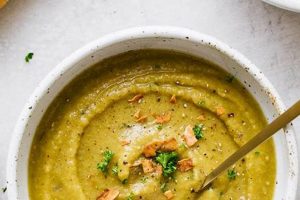
A plant-based substitute designed to mimic the flavor and texture of a traditional condensed soup, this culinary adaptation omits all animal-derived ingredients. Instead, it typically relies on a combination of mushrooms, vegetable broth, plant-based milk (such as cashew, oat, or soy), thickeners like flour or cornstarch, and various seasonings to replicate the creamy, umami-rich profile of its dairy-containing counterpart. For example, one might utilize a blend of sauted cremini mushrooms, vegetable stock, coconut cream, and a touch of nutritional yeast to achieve a similar taste and consistency.
The demand for dairy-free and animal product-free alternatives stems from a growing awareness of dietary restrictions, ethical concerns regarding animal welfare, and environmental sustainability. These substitutes allow individuals following vegan or plant-based diets, or those with lactose intolerance, to enjoy dishes traditionally featuring the classic soup without compromising their dietary choices or health needs. The historical context reflects a broader trend toward plant-based eating and the development of innovative food technologies to replicate familiar flavors and textures using alternative ingredients.
The following discussion will delve into specific ingredients commonly employed in recreating this recipe, various preparation methods, and potential nutritional considerations when selecting or crafting a dairy-free version. Furthermore, it will explore the versatility of this product in diverse culinary applications, ranging from casserole bases to sauce enrichments.
Essential Considerations for Plant-Based Cream of Mushroom Soup Alternatives
Achieving a satisfactory plant-based alternative to traditional cream of mushroom soup requires careful attention to ingredient selection and preparation techniques. The following tips provide guidance for crafting a flavorful and texturally appealing result.
Tip 1: Mushroom Variety Selection: Employ a blend of mushroom types to enhance the depth of flavor. Crimini, shiitake, and oyster mushrooms contribute distinct notes, creating a more complex and nuanced profile than a single variety alone. Sauting the mushrooms before adding liquid develops their umami character, further enhancing the overall taste.
Tip 2: Achieving Creaminess: Plant-based milks vary in their behavior when heated. Cashew cream, created by blending soaked cashews, offers a naturally rich and creamy texture. Alternatively, full-fat coconut milk provides a similar result but may impart a subtle coconut flavor. Oat milk is another viable option, known for its neutral taste and smooth consistency.
Tip 3: Thickening Agents: Cornstarch, tapioca starch, or a roux made with plant-based butter and flour are effective thickening agents. When using starch, create a slurry with cold water before adding it to the simmering soup to prevent clumping. A roux should be cooked to a pale golden color to eliminate any raw flour taste.
Tip 4: Enhancing Umami: Nutritional yeast contributes a savory, cheese-like flavor that complements the earthy notes of mushrooms. Dried porcini mushroom powder, soy sauce (use tamari for gluten-free), or miso paste are additional ingredients that can intensify the umami profile of the soup.
Tip 5: Seasoning Considerations: Fresh herbs, such as thyme, parsley, and chives, add brightness and complexity to the soup. A touch of lemon juice or apple cider vinegar can balance the richness and enhance the overall flavor. Taste and adjust seasonings throughout the cooking process.
Tip 6: Avoiding Graininess: If using cashews or other nuts to create the creamy base, ensure they are thoroughly soaked and blended to a completely smooth consistency before adding them to the soup. A high-speed blender is recommended for this purpose. Straining the mixture through a fine-mesh sieve after blending can further eliminate any residual graininess.
Tip 7: Controlling Sodium Content: Many commercial vegetable broths are high in sodium. Opt for low-sodium or homemade broth to control the salt content of the soup. Consider adding a small amount of sea salt or kosher salt to taste, gradually increasing the amount until the desired flavor is achieved.
By implementing these considerations, individuals can create a satisfying dairy-free soup that captures the essence of traditional cream of mushroom soup while adhering to plant-based dietary principles. The versatility of the finished product allows for its integration into a wide range of recipes and culinary applications.
The subsequent section will offer insights into adapting this alternative to accommodate other dietary requirements and preferences.
1. Mushroom Selection

Mushroom selection is a crucial determinant of the final flavor profile in a plant-based substitute. The type and combination of mushrooms used directly influence the umami intensity, earthiness, and overall palatability of the final product. Different varieties possess distinct flavor characteristics; for instance, cremini mushrooms offer a mild, versatile base, while shiitake mushrooms contribute a more intense, savory depth. Omitting the selection process, or relying solely on one type, can result in a lacking in complexity that is characteristic of traditional cream of mushroom soup. For example, using only white button mushrooms yields a bland result, while incorporating a mix including dried porcini noticeably enhances the depth.
The selection process extends beyond just the type of mushroom. The quality, freshness, and preparation method also contribute significantly. Fresh, high-quality mushrooms contribute a more vibrant flavor compared to older, less-than-optimal specimens. Sauting or roasting the mushrooms prior to incorporating them into the liquid base develops a more pronounced flavor by caramelizing the sugars and concentrating the umami compounds. Ignoring this step results in a soup with a less intense and satisfying flavor. This careful preparation and selection is fundamental to achieving an authentic taste.
In summary, the thoughtful selection of mushrooms is not merely a superficial detail but a fundamental aspect of creating a convincing vegan replacement for a classic recipe. The type, quality, preparation significantly impacts the overall flavor and texture. Mastering these considerations allows one to produce a plant-based option that faithfully mimics, and potentially surpasses, the sensory experience of its traditional counterpart.
2. Creaminess Source

The selection of a suitable creaminess source is paramount in crafting a successful plant-based alternative. Traditional cream of mushroom soup derives its characteristic texture from dairy cream; therefore, an effective substitute must replicate this viscosity and mouthfeel without relying on animal products. The choice directly impacts the flavor profile, textural properties, and overall satisfaction of the finished product. For example, using a watery vegetable broth alone will yield a thin, unsatisfying soup, failing to capture the essential creamy richness of the original. In contrast, incorporating a well-chosen plant-based cream substitute addresses this deficiency and elevates the final result.
Several plant-based options are available, each with distinct advantages and disadvantages. Cashew cream, created by blending soaked cashews, offers a luxurious, naturally sweet flavor and a rich, velvety texture. Coconut cream provides a similar level of richness but may impart a subtle coconut flavor that might not be desirable in all applications. Oat milk presents a more neutral flavor profile and a smooth consistency, but it may not possess the same level of thickness as cashew or coconut cream. The practical significance of this understanding lies in the ability to tailor the creaminess source to specific recipe requirements and personal preferences.
In conclusion, the appropriate creaminess source is not merely an optional ingredient but a fundamental component that dictates the success of the dish. It must effectively replicate the textural qualities of dairy cream while complementing the other flavor elements. Careful consideration and informed selection are essential to achieving a plant-based soup that is both satisfying and representative of the classic flavor. The challenges lie in balancing flavor neutrality with desired thickness and mouthfeel, requiring experimentation to determine the optimal choice for each individual recipe.
3. Thickening Agent
The role of a thickening agent is central to the success of plant-based replicas. Traditional cream of mushroom soup derives its texture, in part, from the fat content of dairy cream. Since a animal free substitute naturally lacks this component, a thickening agent is essential to replicate the characteristic viscosity.
- Starch-Based Thickeners
Starches, such as cornstarch, tapioca starch, and arrowroot powder, function by gelatinizing in liquid, forming a network that increases viscosity. For example, a cornstarch slurry added to simmering plant-based cream of mushroom soup will swell and create a thicker consistency. However, excessive starch can result in a gluey texture, requiring careful measurement and controlled application. The effectiveness of starch-based agents also depends on the pH of the soup; acidic conditions may inhibit gelatinization.
- Flour-Based Thickeners
Flour, particularly when used in a roux (a mixture of fat and flour), serves as a thickening agent through a similar gelatinization process. The flour is cooked with plant-based butter to create a stable base, preventing lumps from forming when liquid is added. The longer the roux is cooked, the more the starch is broken down, resulting in a deeper flavor and less thickening power. For example, a dark brown roux, while flavorful, will not thicken the plant-based cream of mushroom soup as effectively as a blond roux.
- Vegetable Purees
Certain pureed vegetables can function as natural thickening agents. Potatoes, cauliflower, and even soaked and blended cashews contribute both viscosity and flavor. This approach allows for a creamier texture without relying solely on starches or flours. For instance, adding pureed cauliflower to a plant-based cream of mushroom soup not only thickens the mixture but also enhances its nutritional profile. The specific vegetable selected will impact the final flavor, necessitating careful consideration of complementary pairings.
- Reduction
Reducing the liquid volume through simmering can also thicken a plant-based soup, though this method primarily concentrates existing flavors rather than introducing a new thickening agent. It is often used in conjunction with other methods for added control. The process of reduction requires careful monitoring to prevent scorching or excessive concentration of salt. For example, allowing a plant-based mushroom soup to simmer uncovered for an extended period will result in a thicker consistency but may also intensify any sodium present.
The selection and application of a thickening agent significantly impacts the textural outcome of plant-based recipes. Each method presents its own challenges and benefits, requiring careful consideration of flavor profiles, cooking techniques, and desired consistency when crafting a plant-based cream of mushroom soup replacement.
4. Umami Enhancement

The successful replication of traditional cream of mushroom soup flavor profiles in a vegan context relies heavily on strategies for umami enhancement. Umami, often described as a savory or meaty taste, is a key characteristic of both mushrooms and the dairy components typically found in the non-vegan version. Therefore, effectively boosting and mimicking this flavor is critical for a satisfactory plant-based substitute.
- Concentrated Mushroom Broth
Utilizing a concentrated mushroom broth, derived from simmering dried or fresh mushrooms for an extended period, introduces a significant boost of umami. This intensifies the inherent flavor of the fungi, providing a more robust base for the soup. For instance, simmering dried porcini mushrooms to create a concentrated broth infuses the liquid with glutamates, key compounds responsible for umami. The resulting base contributes a depth of flavor often absent in recipes relying solely on vegetable broth or water.
- Nutritional Yeast Addition
Nutritional yeast, an inactive form of Saccharomyces cerevisiae, contributes a savory, cheesy flavor that enhances the umami perception. Its high concentration of glutamic acid mimics the savory notes traditionally provided by dairy. Stirring a small amount of nutritional yeast into a vegan cream of mushroom soup amplifies the existing flavors and adds a layer of complexity, creating a more compelling and satisfying culinary experience.
- Soy Sauce or Tamari Usage
Small additions of soy sauce (or tamari for gluten-free alternatives) can subtly enhance the overall umami. Soy sauce contains glutamates and other flavor compounds that complement the earthy notes of mushrooms. The critical aspect is moderation; excessive soy sauce will overpower the other flavors and create an unbalanced dish. For instance, adding a teaspoon of low-sodium soy sauce to a batch of plant-based soup can deepen the savory character without imparting an overtly soy-like taste.
- Dried Mushroom Powder Incorporation
Incorporating dried mushroom powder, typically made from ground porcini or shiitake mushrooms, provides a concentrated source of umami directly into the dish. The powder disperses evenly and integrates seamlessly, offering a convenient method for intensifying the savory flavor. For example, stirring a tablespoon of porcini mushroom powder into the simmering soup amplifies the inherent earthiness and complexity, replicating the depth found in traditional recipes.
These strategies highlight the critical importance of umami enhancement in successfully replicating the flavor profile of a classic soup. The implementation of one or more of these techniques allows plant-based chefs and home cooks to create a dairy-free dish that satisfies the palate and meets the expectations associated with traditional cream of mushroom soup, while adhering to vegan dietary guidelines.
5. Seasoning Balance
Achieving optimal seasoning balance is critical in vegan substitutions, particularly in recreating complex flavors such as cream of mushroom soup. In the absence of dairy fats and inherent animal-derived umami, careful modulation of salt, acidity, herbs, and spices becomes crucial to achieving a palatable and representative dish. Neglecting this aspect results in a bland, one-dimensional product lacking the depth and richness characteristic of the traditional version.
- Salt Modulation
Sodium chloride, or salt, enhances existing flavors and balances sweetness. In plant-based recipes, where inherent flavor complexity may be lower, the judicious use of salt becomes even more important. Undersalting results in a flat, uninteresting soup, while oversalting masks subtle nuances. Sea salt or kosher salt are often preferred for their cleaner taste compared to iodized table salt. For instance, adding small increments of salt while tasting allows for precise control over the final flavor profile. Using low-sodium vegetable broth can further assist in managing overall salt content.
- Acidity Control
A touch of acidity brightens flavors and balances richness. In dairy-free versions, a small amount of lemon juice, apple cider vinegar, or white wine vinegar can mimic the slight tang present in cream-based soups. The addition of acid cuts through the earthiness of the mushrooms and the richness of plant-based creams, preventing the soup from becoming overly heavy or monotonous. For example, a teaspoon of lemon juice stirred in just before serving can significantly elevate the overall taste.
- Herbal Integration
Fresh and dried herbs contribute aromatic complexity and depth. Thyme, parsley, chives, and dill are commonly used in mushroom soups, offering a range of flavor profiles. The timing of herb addition is crucial; delicate herbs like parsley are best added at the end to preserve their fresh flavor, while heartier herbs like thyme can withstand longer cooking times. The careful selection and integration of herbs adds layers of flavor and prevents the plant-based soup from tasting flat or artificial.
- Spice Nuance
Ground spices, such as black pepper, nutmeg, and garlic powder, introduce subtle background notes that enhance the overall sensory experience. Black pepper adds a mild heat, while nutmeg contributes a warm, earthy aroma. Garlic powder, while less subtle than fresh garlic, provides a consistent and convenient way to add savory depth. The key is to use spices sparingly; overspicing can overwhelm the delicate flavors of the mushrooms and other ingredients. A pinch of nutmeg, for instance, can add a nuanced warmth without dominating the dish.
These facets collectively underscore the significance of seasoning balance in recreating cream of mushroom soup. Careful attention to salt, acidity, herbs, and spices transforms a potentially bland substitute into a flavorful and satisfying dish that mirrors the richness and complexity of the traditional version. Proper execution highlights the inherent potential of plant-based ingredients and demonstrates that flavor need not be sacrificed in the absence of animal products.
6. Texture Smoothness
Achieving a smooth, velvety texture is paramount in the context of a vegan substitute. The absence of dairy fats, which contribute significantly to the mouthfeel of traditional preparations, necessitates strategic approaches to replicate the desired consistency. Texture directly influences palatability and the overall sensory experience.
- High-Speed Blending
The utilization of high-speed blenders is crucial for achieving a uniformly smooth texture, particularly when incorporating ingredients such as nuts or seeds for creaminess. These appliances possess the power to pulverize even fibrous materials into a homogenous suspension, eliminating any undesirable graininess. For instance, a standard blender may leave small particles of cashews intact, resulting in a gritty mouthfeel, whereas a high-speed blender ensures complete homogenization. This difference substantially impacts the final product’s quality.
- Straining Techniques
Employing a fine-mesh sieve or cheesecloth to strain the finished soup eliminates any remaining solid particles that may compromise the smoothness. This process is especially beneficial when using vegetables or legumes that may not fully break down during cooking. For example, small pieces of mushroom or onion can persist even after extensive simmering; straining removes these remnants, leaving behind a perfectly smooth liquid. This step elevates the texture to a level comparable to that of traditional cream-based preparations.
- Emulsification Stability
Maintaining emulsion stability is essential to prevent separation and ensure a consistent texture. Plant-based milks and fats can sometimes separate during cooking or storage, leading to an unappealing appearance and mouthfeel. The addition of a small amount of lecithin or xanthan gum can act as an emulsifier, binding the liquid and fat components together and preventing separation. For instance, adding a pinch of xanthan gum to a plant-based cream of mushroom soup helps maintain a homogenous texture, even after refrigeration and reheating.
- Proper Cooking Time and Temperature
Sufficient cooking time at an appropriate temperature is crucial for breaking down plant-based ingredients and achieving a smooth consistency. Undercooking can leave vegetables or grains with a coarse texture, while overheating can cause starches to clump and create a grainy result. Simmering the soup gently allows starches to gelatinize properly and vegetables to soften completely. For example, simmering the soup for at least 20 minutes after adding the thickening agent ensures that the starch granules swell fully, creating a smooth and stable base.
These facets directly contribute to the perceived quality of a plant-based soup. The successful execution of each technique ensures that the resulting product effectively replicates the textural qualities of a traditional recipe, appealing to consumers seeking both plant-based alternatives and familiar sensory experiences.
7. Sodium Control
Sodium control is a crucial consideration in the creation of any plant-based alternative to a traditionally high-sodium food, particularly when formulating a dairy-free version. The necessity for careful sodium management arises from several factors, including public health recommendations, the inherent sodium content of certain ingredients commonly used in replacements, and the potential for masking other, more subtle flavors.
- Ingredient Selection and Sodium Content
Many commercially available ingredients frequently employed in vegan cooking, such as vegetable broths and soy sauce, possess naturally high sodium levels. The use of such ingredients without careful attention to their sodium contribution can easily lead to a final product that exceeds recommended daily sodium intakes. For example, substituting a standard vegetable broth for a low-sodium variety in a vegan recipe can significantly reduce the overall sodium content. Careful selection of ingredients is therefore paramount.
- Impact on Flavor Perception
Excessive sodium levels can mask or distort other flavors, preventing the full appreciation of more subtle aromatic compounds present in the dish. For instance, the delicate earthy notes of the mushrooms and the nuances of herbs and spices may be overshadowed by a dominant saltiness. Restrained sodium use allows for a more balanced and complex flavor profile to emerge, enhancing the overall culinary experience. Therefore, reducing sodium enables to enjoy the other ingredient profiles.
- Health Implications
High sodium intake is associated with several adverse health outcomes, including hypertension and increased risk of cardiovascular disease. In the context of plant-based diets, which are often promoted for their health benefits, it is particularly important to mitigate potential sources of excessive sodium. The creation of lower-sodium plant-based soup aligns with broader health-conscious eating patterns and appeals to individuals seeking to manage their sodium intake.
- Alternative Flavor Enhancement Strategies
The reduction of sodium necessitates the exploration of alternative flavor enhancement techniques. Employing herbs, spices, acids (such as lemon juice or vinegar), and umami-rich ingredients can compensate for the diminished flavor impact of sodium. For example, increasing the amount of fresh thyme or adding a squeeze of lemon juice can add complexity and brightness, mitigating the perceived lack of salt. Mastering these strategies contributes to a more nuanced and flavorful, yet sodium-controlled, plant-based dish.
In the context of the vegan replacement, the management of sodium is not merely a matter of adjusting salt levels, but it encompasses a comprehensive approach involving ingredient selection, flavor balancing, and an awareness of the overall health implications. Thoughtful sodium control is not just a modification but a cornerstone for crafting a plant-based alternative that is both flavorful and health-conscious.
Frequently Asked Questions
The following questions address common concerns and provide informative answers regarding dairy-free versions, aiming to clarify aspects related to ingredients, preparation, and nutritional considerations.
Question 1: Can nutritional yeast be substituted with another ingredient in a plant-based recipe?
Nutritional yeast imparts a savory, cheese-like flavor. While difficult to replicate precisely, umami-rich ingredients such as miso paste, soy sauce, or dried mushroom powder can offer a similar depth of flavor, though adjustments to the overall seasoning may be required.
Question 2: What thickening agents are most effective for maintaining texture in a plant-based alternative after refrigeration?
Modified tapioca starch and certain gum-based thickeners (such as xanthan gum) exhibit greater stability after refrigeration compared to cornstarch or wheat flour, which can sometimes break down and result in a thinner consistency.
Question 3: How does the choice of plant-based milk impact the overall flavor profile?
Plant-based milks possess distinct flavor characteristics. Coconut milk imparts a subtle coconut flavor, cashew milk contributes a rich creaminess, and oat milk offers a more neutral profile. The selection should align with the desired flavor outcome and any potential dietary restrictions or allergies.
Question 4: Is it possible to replicate the umami intensity of a classic version using only fresh mushrooms?
Achieving a comparable level of umami with only fresh mushrooms can be challenging. Combining fresh varieties with dried mushrooms (rehydrated for broth and then added to the soup) or incorporating mushroom powder significantly enhances the savory depth.
Question 5: What are the key considerations for accommodating gluten sensitivities while creating a plant-based recipe?
Traditional cream of mushroom soup often uses wheat flour as a thickening agent. Gluten-free alternatives include cornstarch, tapioca starch, rice flour, or a blend of gluten-free flours. Ensure all other ingredients, such as soy sauce (use tamari) and broth, are certified gluten-free.
Question 6: How can the potential for nut allergies be addressed when using cashew cream as a base?
Sunflower seed cream, made by blending soaked sunflower seeds, or a combination of coconut milk and silken tofu can provide a similar creamy texture without the use of nuts. Always clearly label the ingredients to inform consumers of potential allergens.
In summary, the creation of a satisfying dairy-free version hinges on careful attention to ingredient selection, flavor enhancement, and textural considerations, addressing common concerns related to taste, stability, and dietary restrictions.
The subsequent section will provide detailed steps in creating various vegan replacement.
Vegan Replacement for Cream of Mushroom Soup
This exploration of the plant-based substitute has underscored the intricate balance of ingredient selection, flavor enhancement, and textural considerations required to achieve a satisfactory alternative. The meticulous replication of umami, the careful control of sodium, and the strategic use of thickening agents stand as pivotal points in formulating a dairy-free product that resonates with both culinary expectations and dietary needs. The considerations discussed offer a comprehensive guide for creating a replica that mirrors the richness and complexity of its conventional counterpart.
As dietary preferences continue to evolve and awareness of food sensitivities increases, the demand for viable dairy-free options will undoubtedly persist. The ongoing refinement of techniques and the exploration of novel ingredients promise to further elevate the quality and accessibility of plant-based recipes. The meticulous crafting of a replacment serves not only as a testament to culinary innovation but also as a significant contribution to inclusive and health-conscious dining. The future of plant-based cuisine hinges on the continued pursuit of flavorful, nutritious, and ethically sound alternatives.