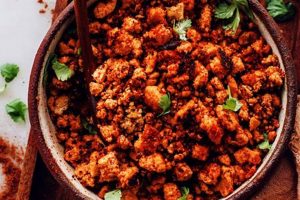
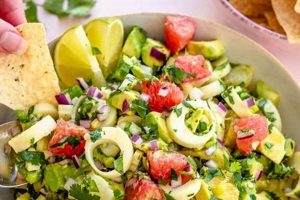
Plant-based cuisine that incorporates the creamy texture and rich flavor of avocados offers a diverse range of culinary possibilities. These preparations exclude all animal products, relying instead on fruits, vegetables, grains, legumes, and nuts. An example would be a chilled avocado soup with cucumber and mint, a hearty avocado toast with sprouted grains, or a decadent chocolate avocado mousse.
The incorporation of the fruit into vegan diets provides several nutritional advantages. It supplies healthy monounsaturated fats, dietary fiber, and essential vitamins and minerals, contributing to cardiovascular health and overall well-being. Historically, its use in plant-based diets has grown alongside the increasing awareness of the nutritional value and versatility of this fruit.
The subsequent discussion will delve into specific applications of this fruit in various plant-based dishes. This will include savory applications such as salads, sandwiches, and dips, as well as sweet applications such as desserts and smoothies. The goal is to provide a comprehensive overview of its use in plant-based culinary arts.
Culinary Guidance
The following guidelines are designed to enhance the integration of avocados into vegan culinary preparations, maximizing flavor profiles and nutritional benefits.
Tip 1: Selection Criteria: Choose avocados that yield to gentle pressure but are not overly soft. A dark green color, while generally indicative of ripeness, can vary by cultivar. Consider the intended use; firmer avocados are suitable for slicing and dicing, while softer avocados are ideal for mashing or pureeing.
Tip 2: Ripening Acceleration: To expedite the ripening process, place avocados in a paper bag with an apple or banana. These fruits release ethylene gas, a natural ripening agent. Monitor daily to avoid over-ripening.
Tip 3: Preventing Oxidation: To mitigate browning after cutting, apply lemon or lime juice to the exposed surface. Alternatively, store cut avocados submerged in water in an airtight container in the refrigerator.
Tip 4: Flavor Pairing Considerations: Avocados complement a wide range of flavors, including citrus, cilantro, cumin, chili, and garlic. Experiment with these pairings to create complex and satisfying dishes. For example, combine avocado with lime juice, red onion, and cilantro for a classic guacamole variation.
Tip 5: Temperature Control: When incorporating avocados into hot dishes, add them towards the end of the cooking process to prevent them from becoming overly soft and losing their texture. They are ideally suited for serving at room temperature.
Tip 6: Textural Variety: Leverage the avocados versatility to introduce varied textures into plant-based meals. Pureed avocado can serve as a creamy base for sauces and dressings, while diced avocado can add a refreshing bite to salads and tacos.
Tip 7: Fat Replacement Strategy: Due to its high fat content, pureed avocado can be used as a substitute for butter or oil in baking applications. This substitution can reduce saturated fat content while adding moisture and richness.
Incorporating these guidelines will lead to enhanced flavor profiles, improved textures, and optimal utilization of the nutritional attributes. By employing careful selection, preparation, and pairing techniques, plant-based cooks can fully harness the potential of the fruit.
With a solid foundation in its application, the discussion now shifts towards advanced culinary techniques.
1. Creaminess

In plant-based culinary arts, “creaminess” is a textural quality often sought after to replicate the mouthfeel and richness associated with dairy products. Avocados serve as a crucial ingredient to achieve this characteristic in vegan recipes, contributing significantly to both texture and flavor.
- Lipid Composition and Emulsification
The high fat content of avocados, primarily monounsaturated fatty acids, provides the fundamental basis for creaminess. When blended or mashed, these fats create a smooth emulsion that mimics the texture of cream or butter. In applications such as vegan ice cream or mousse, this emulsion provides a rich, velvety texture that traditional dairy products would otherwise offer.
- Water Binding Capacity
Avocados possess a natural ability to bind water, contributing to a smooth and stable texture. This is particularly important in recipes where separation or curdling might occur with other plant-based ingredients. For example, in vegan mayonnaise, the avocado’s water-binding capacity creates a stable emulsion, preventing the separation of oil and water that can compromise the texture.
- Mouthfeel and Sensory Perception
The inherent smoothness of avocado pulp translates into a desirable mouthfeel in plant-based dishes. It coats the palate, providing a satisfying and luxurious sensation. This is especially valuable in dishes where a sense of indulgence is desired, such as chocolate avocado pudding or creamy pasta sauces.
- Ingredient Integration and Versatility
The neutral flavor profile of avocados allows them to seamlessly integrate into a wide range of recipes without overpowering other ingredients. This versatility extends to both sweet and savory applications, from dips and spreads to desserts and dressings. Its texture blends well with various components allowing for the creaminess to be integrated across a range of flavor profiles.
The attributes of avocados in vegan cuisine extend beyond mere texture. Their contribution to the overall sensory experience of plant-based meals, coupled with their nutritional benefits, cements their position as a central ingredient. In summary, the creamy characteristic directly elevates the palatability and indulgence of plant-based fare.
2. Nutrient Density

The incorporation of avocados into plant-based culinary preparations enhances the overall nutrient density of vegan diets. Avocados provide a concentrated source of essential vitamins, minerals, and healthy fats that may be comparatively limited in some plant-based diets. Their inclusion addresses potential nutritional gaps, offering a more complete and balanced dietary profile. For example, a vegan burrito bowl with avocado provides not only carbohydrates and plant-based protein from beans and grains but also monounsaturated fats, vitamin K, and potassium from the avocado, leading to improved satiety and enhanced micronutrient intake.
Furthermore, the monounsaturated fats present in avocados aid in the absorption of fat-soluble vitamins (A, D, E, and K) from other plant-based ingredients within a meal. This synergistic effect amplifies the nutritional benefits of the entire dish. For instance, adding avocado to a salad containing carrots (rich in vitamin A) and spinach (rich in vitamin K) optimizes the body’s ability to absorb these essential vitamins. The addition directly increases the bioavailability of vital nutrients contributing to greater overall health benefits.
In summary, the strategic integration of avocados into vegan diets elevates the nutrient density of plant-based recipes. This not only addresses potential micronutrient deficiencies but also enhances the absorption of other vital nutrients. This careful consideration of nutrient density results in more healthful and well-rounded plant-based meals. The benefits of these plant based meals extend past just taste, but to better nutritional benefit.
3. Versatile Applications

The concept of “Versatile Applications” is fundamentally linked to the prevalence and appeal of plant-based culinary arts. Avocados, by virtue of their unique compositional and textural properties, lend themselves to a remarkable array of culinary uses within the vegan dietary framework. The ability to seamlessly transition from savory to sweet dishes, and to serve as a foundation for both hot and cold preparations, positions them as a cornerstone ingredient. This adaptability directly contributes to the diversity and appeal of plant-based dining, addressing the potential monotony often associated with restrictive diets. For example, the same fruit can be mashed into guacamole for a savory appetizer, blended into a smoothie for a refreshing beverage, or incorporated into a chocolate mousse for a rich dessert, showcasing its wide applicability.
The significance of this versatility extends beyond mere culinary creativity. It impacts nutritional intake and dietary adherence. The capacity to incorporate avocados into various meal types and preparations increases the likelihood of consistent consumption, ensuring a steady supply of healthy fats, vitamins, and minerals. Furthermore, it simplifies meal planning and recipe development, enabling both home cooks and professional chefs to create diverse and satisfying plant-based meals with minimal specialized ingredients or techniques. One illustration involves the use of avocado as a binder in vegan burgers, adding moisture and healthy fats while replacing traditional egg or dairy-based binders. Another involves using avocado to create a creamy vegan pasta sauce, swapping out traditional dairy for a healthier, plant-based alternative.
In conclusion, the adaptability of avocados is central to the growth and sustained adoption of plant-based cuisine. This versatility facilitates culinary innovation, promotes consistent nutritional intake, and simplifies meal preparation. While challenges related to sustainable sourcing and cost fluctuations exist, the intrinsic benefits of this fruit as a multi-functional ingredient solidify its role in vegan culinary traditions. Understanding and leveraging this versatility is crucial for maximizing the potential of avocados in promoting accessible, nutritious, and appealing plant-based diets.
4. Healthy Fats

The integration of avocados into plant-based dietary regimens directly addresses the necessity for adequate healthy fat intake, a macronutrient vital for overall physiological function. Avocados are comprised primarily of monounsaturated fatty acids (MUFAs), specifically oleic acid, recognized for its positive influence on cardiovascular health. Their incorporation in vegan recipes facilitates the attainment of essential fat requirements often lacking in diets reliant solely on carbohydrates and proteins. Consider, for instance, the addition of avocado to a vegetable-based salad; the MUFAs present not only provide satiety but also enhance the absorption of fat-soluble vitamins from the vegetables. This exemplifies a practical instance where healthy fats contribute directly to improved nutrient bioavailability.
Beyond cardiovascular benefits, the healthy fats found in avocados play a pivotal role in hormone production, brain function, and inflammatory response modulation. In the context of plant-based diets, which may be lower in saturated fats, the inclusion of avocados can contribute to a more balanced fatty acid profile. For example, in a vegan chocolate mousse recipe, avocado can replace traditionally used saturated fats from dairy or coconut oil, offering a similar creamy texture while promoting a healthier lipid profile. Furthermore, the presence of omega-3 fatty acids, albeit in smaller quantities, within avocados contributes to their anti-inflammatory properties, providing a counterbalance to the inflammatory effects of certain processed foods. The consumption of foods such as these have far more benefits beyond just the nutritional ones.
In summation, the mindful incorporation of avocados into plant-based recipes directly addresses the crucial need for healthy fat consumption within a vegan dietary framework. While challenges related to sustainable sourcing and potential allergic reactions necessitate consideration, the benefits derived from the monounsaturated fatty acid profile, coupled with the enhanced nutrient absorption and anti-inflammatory properties, underscore the significance of avocado as a valuable component of balanced vegan nutrition. The understanding of this connection provides individuals with more flexibility to create healthy eating habbits.
5. Flavor Enhancement

The role of avocados in plant-based cuisine extends beyond mere textural contribution; the fruit actively enhances the overall flavor profile of vegan recipes. This enhancement stems from its unique fat composition and relatively mild, slightly nutty flavor, which serves as a vehicle for other ingredients. The fats emulsify and carry flavors, creating a more cohesive and satisfying culinary experience. As a practical example, a bland vegetable soup gains considerable depth and complexity with the addition of pureed avocado, transforming a simple broth into a rich and flavorful cream soup without relying on animal-derived products. Its fats enhance the taste, increasing the flavor of a vegan recipe.
Beyond directly contributing flavor, avocados function as a flavor balancer, mitigating the potentially harsh or bitter notes of certain vegetables or spices. In vegan dishes that utilize strong flavors like raw onion or chili peppers, the addition of avocado provides a creamy counterpoint, softening these elements and creating a more harmonious balance. Further practical application is observed in salsas and guacamole, where the presence of avocados tames the sharpness of tomatoes, onions, and jalapeos, resulting in a smoother, more palatable condiment. Another, often overlooked example is how certain recipes taste after some time sitting out.
The contribution of avocado to the flavor is crucial to creating truly appealing and palatable meals. It is necessary to understand the proper incorporation of avocados in vegan recipes. They help create an enjoyable experience. While considerations of cost and seasonality are factors to be taken into account, the strategic use of the fruit in plant-based diets allows for greater potential for the dishes to taste better overall.
6. Textural Contrast
Textural contrast, the juxtaposition of disparate tactile experiences within a single dish, is a key element in elevating the sensory appeal of vegan culinary creations, especially those incorporating avocados. The fruit’s inherent creaminess provides a foundational element against which other textures can be effectively contrasted, resulting in a more engaging and satisfying dining experience.
- Creamy Avocado vs. Crunchy Toppings
The smooth, buttery texture of avocado serves as an ideal counterpoint to crunchy toppings such as toasted nuts, seeds, or crispy fried onions. For example, avocado toast adorned with toasted pumpkin seeds provides a layered experience, balancing the soft, rich avocado with the firm, nutty crunch of the seeds. This contrast enhances the overall palatability of the dish.
- Avocado Puree vs. Crisp Vegetables
Avocado-based purees or sauces can be paired with raw or lightly cooked vegetables to create a textural interplay. Envision a vegan Buddha bowl featuring a creamy avocado dressing drizzled over a mix of crisp bell peppers, cucumbers, and carrots. The contrast between the velvety sauce and the refreshing crunch of the vegetables enhances the complexity of the dish.
- Smooth Avocado vs. Hearty Grains
The juxtaposition of smooth avocado and hearty grains such as quinoa, brown rice, or farro creates a satisfying textural dynamic. For example, a vegan grain bowl with diced avocado provides a creamy counterpoint to the chewy texture of the grains, improving mouthfeel and satiety.
- Melted Vegan Cheese and cool avocado
The blending of warm, melted vegan cheese, whether it’s a cashew-based sauce or some sort of plant-based dairy substitute with the cool smoothness of a fresh avocado slice or dollop, combines both texture and temperature for a heightened eating experience. This combination can be added to various items such as quesadillas, baked potatoes, and enchiladas.
The strategic application of textural contrast, leveraging the inherent creaminess of avocados, contributes significantly to the overall appeal of plant-based fare. By carefully considering the interplay of textures, culinary artisans can transform simple ingredients into memorable and satisfying culinary experiences. The use of avocados allows for a wider array of ingredients and combinations that can be used.
Frequently Asked Questions
This section addresses common queries and concerns regarding the use of avocados in plant-based recipes, providing clear and informative answers.
Question 1: Is it necessary to utilize organic avocados in plant-based diets?
While not strictly essential, the consumption of organic avocados minimizes exposure to synthetic pesticides and herbicides. If organic options are unavailable, thorough washing of conventional avocados before consumption is advised.
Question 2: How can the browning of cut avocados be effectively prevented?
Exposure to oxygen causes enzymatic browning in cut avocados. Application of citrus juice (lemon or lime) to the exposed surface, airtight storage, or submersion in water can mitigate this reaction.
Question 3: What are appropriate substitutions for avocados in plant-based recipes if an allergy is present?
Depending on the recipe, appropriate substitutions may include pureed white beans, cashew cream, or silken tofu. These alternatives offer a similar creamy texture. The appropriate substitute, however, will vary depending on what the avocado is used for in the original recipe.
Question 4: Does the fat content of avocados pose health risks in plant-based diets?
Avocados are rich in monounsaturated fatty acids, which are considered beneficial for cardiovascular health. Moderate consumption as part of a balanced plant-based diet does not generally pose a health risk. Consult with a registered dietitian to determine proper intake.
Question 5: Are there sustainable sourcing concerns related to avocado production?
Avocado cultivation can have environmental impacts, including water usage and land conversion. Consumers are encouraged to seek out avocados from suppliers committed to sustainable farming practices or, if feasible, consider locally sourced alternatives.
Question 6: Can avocados be used in both sweet and savory plant-based dishes?
Avocados exhibit a neutral flavor profile that lends itself to a wide range of culinary applications, spanning both sweet and savory dishes. Their versatility allows for integration into smoothies, desserts, salads, and dips.
The preceding responses aim to provide clarity on frequently encountered questions related to avocado consumption within plant-based dietary frameworks.
The subsequent section will explore specific recipes to illustrate the practical application of this fruit in plant-based cuisine.
Conclusion
The preceding analysis has explored “vegan recipes with avocado” as a significant area within plant-based culinary arts. The investigation revealed their contribution to texture, nutrient density, flavor enhancement, and versatility, illustrating how avocados serve as a valuable ingredient in vegan diets. The discussion spanned from fundamental preparation guidelines to advanced culinary techniques, addressing common concerns and questions regarding this food.
Continued exploration and responsible consumption of avocados remain paramount to maximize their benefits in plant-based culinary applications. Further research into sustainable sourcing practices and innovative uses within vegan recipes is crucial to solidify their position as a nutritious and accessible component of the plant-based dietary landscape.