Silken tofu, a variety distinguished by its smooth texture and high moisture content, serves as a versatile ingredient in plant-based cuisine. It can be incorporated into a wide array of dishes, functioning as a base for creamy sauces, a binding agent in baked goods, or a primary component in desserts. Its neutral flavor profile allows it to readily absorb the tastes of accompanying ingredients, making it adaptable to both sweet and savory applications. For example, it can be blended into a vegan chocolate mousse or used as a replacement for eggs in quiche fillings.
The utilization of this ingredient in vegan cooking offers several advantages. It provides a source of plant-based protein and essential nutrients, contributing to a balanced diet. Historically, tofu has been a staple in East Asian cuisines for centuries, and its adoption in Western vegan cooking reflects a growing interest in sustainable and ethical food choices. Furthermore, its capacity to mimic the texture of dairy products expands the possibilities for creating familiar dishes without animal-derived ingredients. This contributes to the accessibility and appeal of veganism as a dietary lifestyle.
Consequently, the following sections will detail specific applications and techniques for preparing a variety of plant-based meals with this unique ingredient, providing practical guidance and inspiration for culinary experimentation. Discussions will encompass diverse preparations, including desserts, breakfast dishes, and savory entrees.
Essential Guidance for Working with Silken Tofu in Vegan Cuisine
The following tips offer practical guidance for maximizing the potential of silken tofu in plant-based recipes. Successful incorporation hinges on understanding its unique properties and adapting culinary techniques accordingly.
Tip 1: Select the Appropriate Tofu Variety: Silken tofu is available in varying degrees of firmness. “Soft” silken tofu is best suited for applications requiring a smooth, creamy texture, such as sauces and desserts. “Firm” silken tofu can withstand more handling and is preferable for dishes where the tofu needs to retain some structure, such as scrambles or quiches.
Tip 2: Handle with Care: Due to its delicate consistency, silken tofu requires gentle handling. Avoid excessive squeezing or pressing, as this can cause it to crumble. When removing it from the packaging, carefully drain the excess water and gently transfer it to the work surface.
Tip 3: Incorporate into Blended Preparations: Silken tofu excels in blended applications such as smoothies, sauces, and dips. Its smooth texture creates a creamy consistency without the need for dairy products. Ensure thorough blending to eliminate any remaining lumps.
Tip 4: Utilize as an Egg Replacement: Silken tofu can effectively replace eggs in a variety of baked goods and savory dishes. Approximately cup of pureed silken tofu can substitute for one egg. This substitution adds moisture and helps bind ingredients together.
Tip 5: Enhance Flavor with Complementary Ingredients: Silken tofu’s neutral flavor profile allows it to readily absorb the flavors of other ingredients. Employ herbs, spices, marinades, and sauces to enhance its taste and create flavorful dishes. Consider adding nutritional yeast for a cheesy flavor or lemon juice for brightness.
Tip 6: Adjust Liquid Content: Because silken tofu has a high water content, it may be necessary to adjust the liquid content of recipes accordingly. Reduce the amount of added liquid to prevent dishes from becoming too thin or watery.
Tip 7: Consider Freezing for Texture Alteration: Freezing and thawing silken tofu alters its texture, making it chewier and more absorbent. This technique is particularly useful for creating meat-like textures in vegan dishes. Ensure the tofu is thoroughly drained after thawing.
Mastering the application of silken tofu involves understanding its inherent properties and adapting culinary techniques accordingly. The versatility allows for the creation of a wide range of palatable, plant-based meals.
The subsequent sections will delve into specific recipes, demonstrating the practical application of these tips in diverse culinary creations.
1. Texture

Texture plays a crucial role in the overall sensory experience of any dish, and its manipulation is particularly significant in plant-based cuisine where traditional animal-derived textures must be replicated or innovatively replaced. The inherent consistency of silken tofu offers a unique platform for achieving a variety of textures in vegan recipes, impacting palatability and culinary potential.
- Creaminess Enhancement
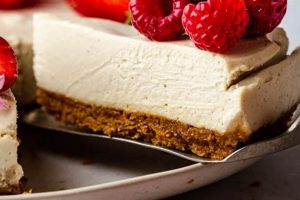
Silken tofu’s natural smoothness lends itself readily to creating creamy textures in vegan dishes. When blended, it transforms into a velvety base for sauces, desserts, and dips, mimicking the richness of dairy-based counterparts. For instance, it forms the foundation of vegan cheesecakes, providing a similar mouthfeel to cream cheese, or it can be blended into pasta sauces for a luxurious, dairy-free experience. This application is essential for providing satisfying alternatives to dishes reliant on creamy textures.
- Delicate Binding Agent
The delicate nature of silken tofu allows it to act as a subtle binding agent in baked goods and savory dishes without adding excessive density. In vegan quiches or frittatas, it provides a cohesive structure while maintaining a light and airy texture. Its use as a binder avoids the heaviness often associated with other vegan binding agents like flaxseed or chia seeds, contributing to a more refined final product.
- Textural Contrast via Preparation
While silken tofu is known for its softness, its texture can be altered through various preparation methods. Freezing and thawing silken tofu results in a spongier, more porous texture, allowing it to absorb marinades and sauces more effectively. This transformed texture can then be used to create vegan versions of traditionally meat-based dishes, such as cutlets or “pulled” preparations, offering a textural contrast that enhances the overall eating experience.
- Emulsification Capabilities
Silken tofu’s emulsifying properties are valuable in creating smooth and stable emulsions in vegan sauces and dressings. It helps to bind oil and water-based ingredients together, preventing separation and creating a consistent texture. This is particularly useful in preparing vegan mayonnaises or creamy salad dressings, where maintaining a homogenous texture is essential for both visual appeal and palatability.
Ultimately, the manipulation of texture using silken tofu in plant-based recipes provides the means to recreate familiar culinary experiences or to explore innovative textural combinations. Understanding the properties of silken tofu and employing appropriate preparation techniques enables the creation of vegan dishes that are both texturally satisfying and culinarily diverse.
2. Creaminess

Creaminess, a desirable attribute in many culinary applications, is often associated with dairy or other high-fat ingredients. Silken tofu presents a plant-based solution for achieving this desired texture in vegan recipes, enabling the creation of dishes that replicate the mouthfeel and richness of traditional preparations without animal products.
- Dairy-Free Sauces and Dips
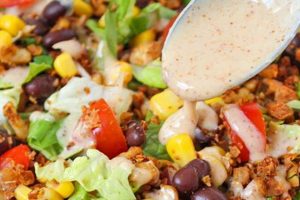
Silken tofu functions as a base for creating creamy sauces and dips that would typically rely on dairy ingredients. Blended silken tofu can mimic the texture of cream in sauces like Alfredo or be used as the foundation for dips such as vegan sour cream or ranch dressing. The resulting products offer a similar level of richness and smoothness without the use of dairy, making them suitable for individuals with dietary restrictions or ethical preferences.
- Vegan Desserts
In the realm of desserts, silken tofu serves as a key ingredient for achieving creaminess in vegan formulations. It can be incorporated into cheesecakes, mousses, and puddings to provide a smooth and decadent texture. The neutral flavor of silken tofu allows it to readily absorb the flavors of other ingredients, such as chocolate, vanilla, or fruit purees, resulting in desserts that are both creamy and flavorful.
- Smoothies and Beverages
Silken tofu can be added to smoothies and other beverages to enhance their creaminess and nutritional profile. It blends seamlessly into liquids, contributing a smooth texture and a boost of plant-based protein. This addition transforms ordinary smoothies into richer, more satisfying beverages, suitable as a meal replacement or a nutritious snack.
- Egg Replacements in Savory Dishes
Beyond its direct contribution to creaminess, silken tofu can indirectly enhance texture by functioning as an egg replacement in savory dishes. When used in quiches or scrambled preparations, it provides a custardy texture that mimics the creaminess of eggs. Its binding properties also contribute to a cohesive structure, resulting in dishes that are both creamy and structurally sound.
The versatility of silken tofu in achieving creaminess extends across a diverse range of vegan recipes, allowing for the replication of traditionally dairy-based dishes and the creation of entirely new plant-based culinary experiences. By understanding its properties and employing appropriate preparation techniques, chefs and home cooks can effectively harness the potential of silken tofu to create creamy, satisfying, and ethical meals.
3. Versatility

The adaptability of silken tofu significantly expands the possibilities within plant-based cuisine. Its neutral flavor profile and unique texture permit its integration into a wide array of dishes, functioning as a primary ingredient or a subtle component that enhances overall palatability and structure. This inherent versatility is a critical factor in silken tofu’s prevalence in vegan recipes, allowing for the creation of diverse meals that cater to varying tastes and dietary needs. For instance, silken tofu can be blended into smoothies for added creaminess and protein, used as a base for vegan cheesecakes that closely mimic the texture of their dairy-based counterparts, or incorporated into savory dishes like scrambles or quiches as an egg substitute. These examples underscore its capacity to transform and contribute to different culinary applications.
Further illustrating its adaptable nature, silken tofu’s texture can be altered through various preparation techniques. Freezing and thawing changes its consistency, making it more absorbent and suitable for applications where a meat-like texture is desired. This transformed texture can be utilized in vegan cutlets or stir-fries, providing a satisfying chewiness that replicates animal-based protein. Furthermore, its emulsifying properties make it an effective ingredient in vegan mayonnaises and salad dressings, creating stable and creamy emulsions without dairy or eggs. This diverse range of applications highlights the practical significance of silken tofu as a culinary tool for creating both familiar and innovative vegan dishes.
In summary, silken tofu’s versatility stems from its capacity to mimic textures, absorb flavors, and provide nutritional value across a spectrum of culinary creations. While challenges may arise in mastering its delicate handling and adapting recipes to account for its high water content, its benefits as a plant-based ingredient far outweigh these considerations. Understanding and leveraging its versatility is essential for expanding the repertoire of vegan cuisine and creating meals that are both satisfying and nutritionally complete.
4. Flavor Absorption

Flavor absorption is a critical characteristic in vegan cooking, particularly when utilizing silken tofu as a primary ingredient. Its relatively neutral taste provides a blank canvas, allowing it to readily incorporate the flavors of accompanying components. This capacity is essential for creating palatable and complex vegan dishes.
- Marination and Infusion
Silken tofu’s porous structure allows it to effectively absorb marinades and infusions. This property is advantageous for introducing savory or sweet flavors deep within the tofu, resulting in a more impactful taste profile. For instance, soaking silken tofu in a mixture of soy sauce, ginger, and garlic before incorporating it into a stir-fry enables it to become infused with Asian-inspired flavors. The duration and intensity of the marination process directly correlate with the depth of flavor absorbed.
- Sauce Integration
When incorporated into sauces, silken tofu readily blends with the other ingredients, absorbing and disseminating their flavors throughout the dish. This characteristic is particularly useful in creating creamy sauces, where the tofu acts as a neutral base that carries the flavor of herbs, spices, and other aromatics. For example, blended silken tofu can be added to a tomato-based sauce, creating a richer and more flavorful base without significantly altering the overall taste profile.
- Flavor Pairing Considerations
While silken tofu readily absorbs flavors, careful consideration must be given to flavor pairings to ensure a harmonious and balanced outcome. The selection of herbs, spices, and other ingredients should complement each other and work in synergy to create a cohesive flavor profile. Overpowering flavors should be used judiciously, as they can easily dominate the neutral base of the silken tofu. Experimentation with different flavor combinations is essential for discovering optimal pairings that enhance the overall palatability of the dish.
- Impact of Preparation Method
The method of preparation can significantly influence silken tofu’s capacity for flavor absorption. Pressing the tofu to remove excess water prior to marinating or cooking increases its porosity, allowing it to absorb flavors more effectively. Additionally, cubing or slicing the tofu into smaller pieces maximizes the surface area available for flavor absorption. Conversely, leaving the tofu whole may result in a less pronounced flavor infusion. The selection of the appropriate preparation method is contingent upon the desired flavor intensity and the specific application.
In conclusion, flavor absorption is a fundamental attribute that enables silken tofu to serve as a versatile and adaptable ingredient in vegan recipes. By understanding the factors that influence its capacity to absorb flavors, chefs and home cooks can effectively harness its potential to create a wide range of flavorful and satisfying plant-based dishes. Careful consideration of marination techniques, sauce integration, flavor pairings, and preparation methods is essential for maximizing the benefits of this characteristic.
5. Protein Source

Silken tofu serves as a significant protein source within the context of plant-based diets. Vegan recipes that incorporate this ingredient inherently benefit from its protein content, addressing a critical nutritional need often associated with animal products. The inclusion of adequate protein is essential for maintaining muscle mass, supporting enzyme production, and facilitating various bodily functions. Consequently, silken tofu’s role as a protein provider directly impacts the nutritional adequacy and overall health benefits of vegan meals. A direct cause-and-effect relationship exists: the presence of silken tofu in a vegan recipe leads to an increased protein intake for the individual consuming it.
The importance of silken tofu as a protein source is particularly evident in dishes where it serves as a primary ingredient. For example, a vegan quiche made with a silken tofu base provides a substantial amount of protein compared to versions relying solely on vegetables or grains. Similarly, silken tofu-based smoothies offer a convenient way to increase protein consumption, especially for individuals seeking quick and nutritious meals. Furthermore, considering global food sustainability initiatives, the capacity of plant-based foods to provide dietary protein is of substantial practical significance. Plant-based protein sources, such as soy-derived silken tofu, are frequently regarded as having a smaller ecological impact than their animal counterparts.
Therefore, silken tofu contributes notably to addressing nutritional needs within a vegan diet. Its availability, affordability, and versatility make it a practical protein solution for meal planning. Recognizing the practical value of integrating it into plant-based meals may assist in designing well-rounded vegan meals that meet both nutritional needs and ecological concerns.
6. Egg Replacement

The substitution of eggs in culinary applications, particularly within vegan recipes, presents a unique challenge due to the multifaceted role eggs play as binders, leaveners, and emulsifiers. Silken tofu offers a plant-based alternative that can effectively mimic certain functional properties of eggs, thereby enabling the creation of vegan versions of traditionally egg-dependent dishes. Its application as an egg replacement is nuanced and dependent on understanding the specific requirements of the recipe.
- Binding Properties
Silken tofu’s ability to bind ingredients together is a primary reason for its use as an egg substitute. When pureed, it creates a smooth, cohesive mixture that can hold together the components of baked goods, such as cakes, muffins, and cookies. While it doesn’t provide the same structural integrity as eggs, it contributes moisture and helps to prevent the ingredients from crumbling. For example, in a vegan brownie recipe, silken tofu can bind the cocoa powder, flour, and sugar, resulting in a fudgy texture.
- Moisture Enhancement
The high moisture content of silken tofu makes it a suitable replacement for eggs in recipes where moisture is a key factor. In applications such as vegan quiches or frittatas, the silken tofu provides a creamy, custard-like texture that mimics the moisture contributed by eggs. However, careful adjustment of other liquid ingredients may be necessary to prevent the final product from becoming overly wet or soggy.
- Limited Leavening Effect
While silken tofu primarily functions as a binder and moisture enhancer, it offers minimal leavening properties compared to eggs. Consequently, when using silken tofu as an egg replacement, it is often necessary to incorporate other leavening agents, such as baking powder or baking soda, to ensure proper rising. Without these additional leaveners, baked goods may result in a denser, flatter texture.
- Flavor Considerations
Silken tofu possesses a neutral flavor profile, which allows it to readily absorb the flavors of other ingredients in a recipe. This neutrality is advantageous in sweet applications, where it does not impart any unwanted savory notes. However, in savory dishes, it is often necessary to enhance the flavor of the silken tofu with seasonings, such as herbs, spices, or nutritional yeast, to create a more complex and satisfying taste. In particular, nutritional yeast is useful for providing a cheesy taste in eggless quiche, or scramble.
In conclusion, the utilization of silken tofu as an egg replacement requires a nuanced understanding of its functional properties and limitations. While it effectively binds ingredients and enhances moisture, it lacks significant leavening capabilities and necessitates careful flavor adjustments. By considering these factors, culinary professionals can successfully incorporate silken tofu into vegan recipes, creating palatable alternatives to traditionally egg-based dishes.
Frequently Asked Questions
This section addresses common inquiries and clarifies misconceptions regarding the incorporation of silken tofu into vegan culinary practices. The information presented aims to provide practical guidance and enhance understanding of this versatile ingredient.
Question 1: Does silken tofu impart a noticeable flavor to dishes?
Silken tofu possesses a relatively neutral flavor profile. Its inherent taste is subtle and does not typically dominate the overall flavor of a dish. However, its ability to absorb surrounding flavors necessitates careful seasoning and ingredient selection to achieve the desired taste.
Question 2: Can silken tofu be used as a direct substitute for firm or extra-firm tofu?
Silken tofu is not a direct substitute for firmer tofu varieties due to its higher moisture content and delicate texture. Firm and extra-firm tofu are better suited for applications requiring structural integrity, such as stir-fries or grilling. Silken tofu excels in blended preparations, sauces, and desserts.
Question 3: Is pressing silken tofu necessary before using it in recipes?
Pressing silken tofu is generally not recommended, as its delicate texture makes it prone to crumbling. Draining excess water is sufficient for most applications. Recipes requiring a drier consistency may necessitate adjusting the liquid content of other ingredients.
Question 4: How should silken tofu be stored to maintain its freshness?
Unopened packages of silken tofu can be stored at room temperature until the expiration date. Once opened, silken tofu should be refrigerated in an airtight container covered with fresh water. Change the water daily to maintain optimal freshness and prevent spoilage. Properly stored, silken tofu typically remains fresh for 2-3 days after opening.
Question 5: Does freezing silken tofu affect its texture and suitability for certain recipes?
Freezing silken tofu alters its texture, making it spongier and more absorbent. This can be advantageous for certain applications, such as creating meat-like textures in vegan dishes. However, it may not be desirable for recipes requiring a smooth and creamy consistency.
Question 6: What are the primary nutritional benefits of incorporating silken tofu into a vegan diet?
Silken tofu provides a source of plant-based protein, calcium, iron, and other essential nutrients. Its low calorie and fat content make it a healthy addition to vegan meals. Additionally, its versatility allows for the creation of a wide range of nutritious and satisfying dishes.
The incorporation of silken tofu into vegan cuisine provides a versatile and nutritious way to prepare a variety of plant-based dishes. Understanding its unique properties allows for successful recipe adaptations.
The subsequent section will offer specific recipe examples demonstrating the practical application of silken tofu in diverse culinary creations.
vegan recipes using silken tofu
The preceding exploration has detailed the significance of silken tofu in plant-based diets. Its role as a versatile ingredient, capable of providing creaminess, binding properties, protein, and flavor absorption, has been thoroughly examined. The manipulation of its texture and the understanding of its flavor profile are essential for culinary success.
The continued innovation and refinement of culinary techniques utilizing this ingredient will undoubtedly expand the possibilities within vegan cuisine. Further research into its nutritional benefits and potential applications holds promise for enhancing both the accessibility and appeal of plant-based diets, while also promoting sustainable food practices.