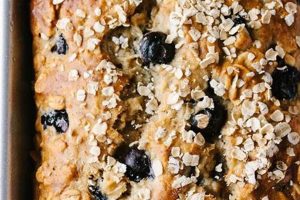
A plant-based baked item prepared rapidly through the use of chemical leavening agents rather than yeast describes a particular class of baked goods. These items rely on ingredients such as baking powder or baking soda to achieve a light and airy texture. Banana bread prepared without eggs or dairy provides a concrete example of this category.
The value of this culinary approach lies in its simplicity and speed. It offers individuals following specific dietary guidelines, or those with time constraints, a convenient way to enjoy freshly baked goods. Historically, these recipes represent an adaptation of traditional baking methods to accommodate evolving dietary preferences and ingredient availability.
The following sections will examine core components, essential techniques, and variations that are commonly found in achieving successful results with this specific type of baking.
Essential Guidance for Plant-Based Rapid Baking
Achieving optimal results in plant-based rapid baking requires careful attention to specific techniques. The following guidelines will improve the quality and consistency of the final product.
Tip 1: Ingredient Substitution: When adapting traditional recipes, select appropriate alternatives. Applesauce, mashed banana, or plant-based yogurt can replace eggs, contributing moisture and binding properties. Adjust liquid measurements as needed to maintain batter consistency.
Tip 2: Flour Selection: Different flours yield varying textures. All-purpose flour provides a standard result, while whole wheat flour introduces a denser, more nutritious outcome. Gluten-free flour blends require binding agents like xanthan gum to mimic gluten’s structure.
Tip 3: Leavening Agent Measurement: Accurate measurement of baking powder or baking soda is crucial. An excess of leavening can result in a bitter taste or undesirable texture, while insufficient leavening leads to a dense and heavy loaf.
Tip 4: Mixing Technique: Overmixing can develop gluten, resulting in a tough texture. Combine wet and dry ingredients until just moistened. Lumps are acceptable, as overmixing is more detrimental than a slightly uneven batter.
Tip 5: Oven Temperature Control: Accurate oven temperature is essential for even baking. Use an oven thermometer to verify the accuracy of the oven’s thermostat. Rotate the loaf halfway through baking to ensure uniform browning.
Tip 6: Doneness Testing: Insert a wooden skewer or toothpick into the center of the loaf to assess doneness. If the skewer comes out clean or with a few moist crumbs, the loaf is sufficiently baked. Avoid overbaking, which can result in a dry texture.
Effective application of these techniques ensures a desirable outcome in plant-based rapid baking, yielding moist, flavorful, and texturally appealing baked goods.
The subsequent section will explore recipe variations and creative adaptations within this category of baked items.
1. Ingredient Substitutions

Ingredient substitutions are a foundational element in plant-based baking. Transforming conventional recipes to align with dietary restrictions requires a nuanced understanding of ingredient functions and their impact on the final product’s texture, flavor, and structure. For baked goods that depend on rapid chemical leavening, these substitutions must maintain the delicate balance necessary for success.
- Egg Replacements
The role of eggs in baking is multifaceted, providing moisture, binding, and leavening. In plant-based baking, common substitutes include applesauce, mashed banana, flaxseed meal mixed with water (“flax egg”), and commercial egg replacers. The specific choice affects texture: applesauce contributes moisture and slight sweetness, while flax eggs provide a slightly denser, chewier texture. The successful implementation of these alternatives is critical for achieving the desired crumb structure and preventing a dry or crumbly result in plant-based quick breads.
- Dairy Alternatives
Dairy ingredients like milk and butter contribute moisture, fat, and flavor. Plant-based alternatives include soy milk, almond milk, oat milk, coconut milk, and various plant-based butters or oils. The fat content of the alternative directly impacts the richness and tenderness of the quick bread. For example, using coconut milk will impart a distinct flavor and a higher fat content compared to almond milk. Understanding the compositional differences between these alternatives is essential for replicating the mouthfeel and flavor profile of conventional quick breads.
- Fat Modification
Fats play a critical role in tenderness and moisture retention. In addition to plant-based butters, oils such as canola, vegetable, or coconut oil are frequently used. The type of oil affects the overall flavor profile. Coconut oil, for instance, imparts a subtle coconut flavor, while neutral oils like canola or vegetable oil provide moisture without influencing the taste. The quantity of fat must also be carefully adjusted, as excessive fat can lead to a greasy texture, while insufficient fat can result in a dry crumb.
- Sweetener Adjustments
Sugar not only provides sweetness but also contributes to browning and moisture retention. Common alternatives include maple syrup, agave nectar, coconut sugar, and date syrup. These substitutes often have a higher moisture content than granulated sugar, necessitating adjustments to liquid ingredients to maintain batter consistency. Furthermore, the distinct flavors of these sweeteners can influence the overall flavor profile of the quick bread, potentially requiring complementary flavor adjustments.
Effective ingredient substitutions are paramount for creating palatable and texturally appealing plant-based baked items. Each substitution requires careful consideration of its functional properties and its impact on the overall recipe, demonstrating that successful plant-based baking relies on a thorough understanding of ingredient interactions.
2. Leavening Alternatives

The absence of eggs in plant-based rapid baking necessitates a focus on alternative leavening agents to achieve the desired rise and texture. Chemical leavening, primarily baking powder and baking soda, becomes the crucial mechanism for creating a light and airy crumb structure. The proper selection and utilization of these agents are paramount to the success of this baking style. For instance, baking soda, when combined with an acidic ingredient such as lemon juice or vinegar, generates carbon dioxide, promoting leavening. Without this reaction, the baked item may be dense and lack the characteristic open crumb.
Baking powder, a complete leavening agent containing both an acid and a base, simplifies the process, requiring only moisture and heat to activate. Different types of baking powder, such as single-acting and double-acting, exhibit varying release rates of carbon dioxide. Double-acting baking powder, commonly used in plant-based recipes, provides an initial rise during mixing and a secondary rise during baking. The quantity of leavening agent must be carefully calibrated based on the recipe’s ingredients and desired outcome. Too little leavening results in a flat, dense loaf, while excessive leavening can cause a rapid initial rise followed by collapse, leading to an uneven texture and potentially a bitter taste.
In summary, leavening alternatives represent a critical component in plant-based rapid baking, directly influencing the texture and overall palatability. Success hinges on a comprehensive understanding of the chemical reactions involved and precise measurement to achieve the optimal balance between lift and structural integrity. Challenges may arise from variations in ingredient acidity or inaccurate measurements; however, diligent application of established techniques can reliably produce favorable results.
3. Moisture Balance

Moisture balance is a critical determinant of the final texture and overall palatability in vegan quick bread preparation. The absence of eggs and dairy, traditional sources of moisture and emulsification, necessitates a meticulous approach to ingredient selection and measurement. An imbalance results in either an excessively dry and crumbly loaf or a dense, gummy texture. Applesauce, mashed bananas, or plant-based yogurts contribute to the moisture content while simultaneously providing a degree of binding. The proportions of these substitutes must be carefully managed to avoid a detrimental impact on the final product.
Deviation from optimal moisture levels directly affects the starch gelatinization process. Insufficient moisture inhibits proper gelatinization, leading to a dry, coarse texture. Conversely, excessive moisture causes over-gelatinization, resulting in a gummy or dense loaf. The interplay between dry and wet ingredients must be precisely controlled to ensure a uniform distribution of moisture throughout the batter. Furthermore, the inherent moisture content of alternative sweeteners, such as maple syrup or agave nectar, necessitates adjustments to the liquid components of the recipe to maintain appropriate consistency. For example, utilizing maple syrup in place of granulated sugar requires a corresponding reduction in plant-based milk to prevent a batter that is excessively wet.
Achieving appropriate moisture balance represents a central challenge in adapting traditional baked goods to plant-based formulations. Success requires a thorough understanding of ingredient interactions and a willingness to adjust recipes based on visual cues and texture assessments. While general guidelines exist, the precise moisture requirements of a specific recipe often depend on the unique characteristics of the ingredients used. A commitment to careful measurement and iterative adjustments ultimately leads to consistently successful results in plant-based rapid baking.
4. Flavor Enhancement
Flavor enhancement represents a critical aspect in the successful preparation of plant-based rapid baked goods. Given the absence of dairy and eggs, which contribute inherent richness and depth, alternative methods for introducing complexity and satisfaction are essential. Spices, extracts, and the strategic incorporation of fruits or vegetables serve as primary mechanisms for achieving a palatable flavor profile. An example is the addition of cinnamon, nutmeg, or ginger to a plant-based banana loaf to replicate the warmth and aroma traditionally associated with its non-vegan counterpart. Furthermore, the selection of plant-based milk can subtly influence the overall flavor; coconut milk imparts a distinct tropical note, while almond milk provides a more neutral backdrop. Successful enhancement counters the potential for a bland or one-dimensional product.
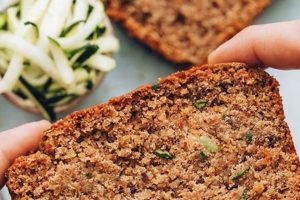
The strategic application of extracts, such as vanilla, almond, or lemon, offers a concentrated method for introducing nuanced flavors. These extracts should be incorporated judiciously, as excessive amounts can result in an artificial or overpowering taste. The use of fruits or vegetables extends beyond mere flavoring, also contributing moisture and textural elements. For instance, incorporating grated zucchini or carrots introduces subtle sweetness and improved moisture retention. These additions necessitate adjustments to the overall liquid content of the recipe to maintain optimal batter consistency. The degree of sweetness can also be modulated through the selection of sweeteners like maple syrup, agave, or coconut sugar, each imparting a unique flavor profile beyond simple sweetness.
Flavor enhancement in plant-based quick breads involves a deliberate and multi-faceted approach, compensating for the absence of traditional ingredients through careful selection and measured application of alternative flavor sources. The effectiveness hinges on understanding the interplay between different ingredients and their combined impact on the overall taste experience. While challenges may arise from potential ingredient incompatibilities or overpowering flavors, a systematic exploration of flavor combinations enables the creation of compelling and satisfying plant-based baked goods.
5. Texture Optimization

Texture optimization represents a critical consideration in the realm of plant-based rapid baking. The absence of traditional binding agents and emulsifiers necessitates careful manipulation of alternative ingredients and techniques to achieve a palatable mouthfeel and structural integrity. A successful product exhibits a balance of tenderness, moisture, and crumb structure that closely resembles its conventional counterpart.
- Flour Selection and Gluten Development
The choice of flour significantly impacts the texture. All-purpose flour provides a relatively tender crumb, while whole wheat flour introduces a denser, more substantial texture. Gluten-free flour blends require the addition of binding agents, such as xanthan gum, to mimic the structure provided by gluten. Overmixing the batter, regardless of flour type, leads to excessive gluten development, resulting in a tough and undesirable texture. Minimizing mixing time preserves tenderness.
- Fat Content and Emulsification
Fat contributes to tenderness and moisture retention. Plant-based oils, butters, and nut butters serve as alternatives to traditional dairy fats. Adequate fat content inhibits gluten development and creates a more tender crumb. Proper emulsification of fat and liquid ingredients ensures a uniform distribution of moisture throughout the batter, preventing a greasy or separated texture. Lecithin, found in soy-based products, acts as a natural emulsifier.
- Moisture Management and Humectants
Maintaining appropriate moisture levels is critical for preventing a dry or crumbly texture. Ingredients such as applesauce, mashed bananas, or plant-based yogurt act as humectants, attracting and retaining moisture within the baked product. These ingredients also contribute to binding, replacing the role of eggs. The relative proportions of wet and dry ingredients must be carefully balanced to achieve the desired level of moisture and prevent a dense, gummy texture.
- Leavening Agent Balance and Crumb Structure
The correct balance of baking powder and baking soda influences the crumb structure. Insufficient leavening results in a dense, compact loaf, while excessive leavening can cause a rapid rise followed by collapse, leading to an uneven texture. The acid-base reaction between baking soda and acidic ingredients, such as vinegar or lemon juice, generates carbon dioxide, contributing to a lighter crumb structure. Achieving the correct balance of leavening agents ensures a consistent and desirable texture.
In conclusion, the attainment of an optimized texture in plant-based rapid baking necessitates a holistic approach that considers the interplay of flour selection, fat content, moisture management, and leavening agent balance. Meticulous attention to each of these elements contributes to a final product that rivals its conventional counterpart in terms of palatability and overall eating experience.
Frequently Asked Questions About Vegan Quick Bread Recipes
This section addresses common inquiries and concerns regarding the formulation and preparation of plant-based rapid baked items, providing detailed answers to promote clarity and understanding.
Question 1: How does one ensure sufficient binding in a vegan quick bread recipe, given the absence of eggs?
Achieving adequate binding necessitates the use of alternative ingredients. Options include applesauce, mashed banana, flaxseed meal mixed with water (often referred to as a “flax egg”), or commercially available egg replacers. The choice should be based on desired flavor profile and texture. Applesauce contributes moisture and subtle sweetness, while flaxseed meal provides a slightly nutty flavor and denser texture. These substitutes function as binding agents, holding the ingredients together and preventing the final product from crumbling.
Question 2: Is it possible to achieve a light and airy texture in a vegan quick bread without using dairy milk?
Attaining a light and airy texture is indeed feasible. Plant-based milk alternatives such as almond milk, soy milk, or oat milk offer similar liquid volume and can contribute to the overall texture. The selection of plant-based milk can impact the flavor profile; therefore, a neutral-tasting variety is recommended for applications where flavor neutrality is desired. Additionally, proper leavening with baking powder and baking soda is crucial for achieving the desired rise and airiness.
Question 3: What are the potential challenges associated with using gluten-free flour blends in vegan quick bread recipes, and how can they be mitigated?
Challenges can include a dry, crumbly texture and a lack of structural integrity. These challenges can be mitigated by incorporating binding agents such as xanthan gum or guar gum. These gums mimic the binding properties of gluten, contributing to a more cohesive and less crumbly final product. It is essential to adhere to the recommended quantities of xanthan gum specified in the recipe, as excessive amounts can result in a gummy texture.
Question 4: How does the selection of sweetener affect the final outcome of a vegan quick bread?
The choice of sweetener influences not only the sweetness level but also the moisture content and overall flavor profile. Liquid sweeteners, such as maple syrup or agave nectar, contribute additional moisture and may necessitate adjustments to the liquid components of the recipe. Granulated sweeteners, such as coconut sugar or cane sugar, provide a drier alternative. Furthermore, the distinct flavors of different sweeteners should be considered, as they can either complement or clash with other ingredients.
Question 5: What steps can be taken to prevent a vegan quick bread from becoming overly dense or gummy?
Preventing excessive density or gumminess requires careful attention to several factors. Avoid overmixing the batter, as this can lead to excessive gluten development in gluten-containing flours. Ensure accurate measurement of both wet and dry ingredients, and avoid substituting ingredients without understanding their functional properties. Proper leavening and adequate baking time are also crucial for achieving the desired texture.
Question 6: Is it necessary to adjust baking times or temperatures when adapting a conventional quick bread recipe to be vegan?
Minor adjustments to baking times or temperatures may be required. Plant-based ingredients can affect heat transfer and moisture retention. It is advisable to monitor the baking process closely and assess doneness using a toothpick or skewer. If the toothpick comes out clean or with a few moist crumbs, the loaf is sufficiently baked. Overbaking should be avoided, as it can result in a dry texture.
These FAQs provide insight into essential aspects, promoting successful outcomes when preparing rapid-baked plant-based products.
The next segment will delve into specific recipe adaptations for those seeking to refine their skills.
Conclusion
The preceding analysis underscores the complexities involved in the successful execution of a vegan quick bread recipe. Crucial elements encompass ingredient substitution, leavening agent selection, moisture management, flavor enhancement, and texture optimization. Mastery of these domains is essential for achieving a palatable and texturally satisfying plant-based baked item.
Continued exploration and refinement of techniques will undoubtedly yield further advancements in plant-based baking. The future of vegan quick bread recipe development lies in a deeper understanding of ingredient interactions and a commitment to innovation. The pursuit of excellence in this realm contributes to a broader acceptance and appreciation of plant-based cuisine.
![Easy Vegan Spelt Banana Bread Recipe [Healthy & Delicious] | Discover Delicious Vegan Food, Beauty Swaps, and Zero-Waste Tips for a Greener Life](https://thisvegangirl.com/wp-content/uploads/2026/03/th-42-300x200.jpg "Easy Vegan Spelt Banana Bread Recipe [Healthy & Delicious] Discover Delicious Vegan Food, Beauty Swaps, and Zero-Waste Tips for a Greener Life")