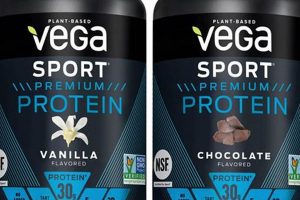
The creation of plant-based protein supplements within a domestic setting allows for complete control over ingredients. This process involves combining various plant-derived components, such as legumes, seeds, and grains, to formulate a powder with a desirable amino acid profile. An example includes blending brown rice, pumpkin seeds, and pea protein isolates to achieve a complete and personalized nutritional profile.
Formulating supplements from scratch offers several advantages, including cost-effectiveness and the avoidance of artificial additives, sweeteners, and preservatives often found in commercially produced products. The ability to tailor the ingredients to individual dietary needs and preferences is also a significant benefit. Historically, access to diverse protein sources was limited, but modern agricultural practices and global trade have expanded the range of ingredients available for such formulations.
The following sections will explore specific ingredient combinations, preparation techniques, and nutritional considerations pertinent to producing custom plant-derived protein supplements. It will further address storage methods and potential challenges associated with this practice, alongside solutions for optimizing the final product’s taste and texture.
Production Recommendations
The subsequent recommendations are designed to optimize the creation and utilization of custom plant-based protein supplements. These suggestions prioritize nutritional completeness, palatability, and storage stability.
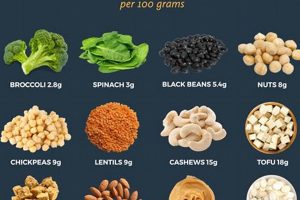
Tip 1: Optimize Amino Acid Profiles: Combine complementary protein sources. Legumes (peas, beans) are often low in methionine and cysteine but high in lysine. Grains (rice, quinoa) and seeds (pumpkin, sunflower) tend to be lower in lysine but contain adequate amounts of methionine and cysteine. Blending these sources ensures a more complete amino acid profile.
Tip 2: Consider Protein Isolates and Concentrates: For a higher protein concentration, utilize protein isolates or concentrates derived from plant sources. These processed ingredients remove much of the fiber and carbohydrates, resulting in a powder with a greater percentage of protein by weight. Pea protein isolate and brown rice protein concentrate are common choices.
Tip 3: Employ Flavor Enhancers Judiciously: Plant-based proteins can have distinct flavors that may not be universally appealing. Natural flavorings such as cocoa powder, vanilla extract, or freeze-dried fruit powders can improve palatability. Start with small quantities and adjust to taste.
Tip 4: Incorporate Healthy Fats: Adding small amounts of ground flaxseed, chia seeds, or hemp seeds not only contributes to the overall protein content but also introduces beneficial omega-3 fatty acids. These fats can also improve the texture of the final product.
Tip 5: Prioritize Proper Blending Techniques: Utilize a high-speed blender or food processor to ensure a uniform powder consistency. Inadequate blending can result in clumping and an uneven distribution of ingredients, affecting both taste and texture.
Tip 6: Implement Appropriate Storage Protocols: Store the finished powder in an airtight container in a cool, dry, and dark place. Exposure to air, moisture, and light can degrade the protein and reduce its shelf life. Properly stored, the powder can typically last for several months.
Tip 7: Adjust Powder Fineness as needed: The fineness of the powder impacts its mixability. If the powder is too coarse, it may not dissolve readily in liquids. Re-blending the powder or using a finer sieve can help achieve a smoother texture.
By implementing these recommendations, a superior homemade plant-based protein supplement can be formulated, providing a cost-effective and customizable alternative to commercially available options.
The subsequent section will address potential challenges and troubleshooting techniques in making a palatable and effective plant-based powder at home.
1. Ingredient Sourcing

The origin and quality of components critically affect the nutritional value, safety, and overall effectiveness of plant-based protein supplements produced domestically. Diligent ingredient selection forms the foundation of a superior product.
- Geographic Origin and Environmental Impact
The geographic location of ingredient cultivation significantly influences its nutritional profile and environmental impact. For instance, legumes grown in nutrient-rich soil may possess higher mineral content. Sourcing ingredients locally reduces transportation emissions and supports regional agriculture, contributing to a smaller carbon footprint.
- Organic vs. Conventional Farming Practices
Opting for organically grown ingredients minimizes exposure to synthetic pesticides and herbicides. While potentially more expensive, organic certification ensures adherence to stringent farming practices that promote soil health and biodiversity. Conventional farming, while often more cost-effective, may involve the use of chemicals that can potentially compromise the purity and safety of the final product.
- Supplier Transparency and Quality Control
Establishing relationships with transparent and reputable suppliers is essential. Suppliers should provide detailed information about their sourcing practices, quality control measures, and testing procedures. Certificates of analysis (COAs) can verify the protein content, amino acid profile, and absence of contaminants, such as heavy metals and pesticides.
- Processing Methods and Nutrient Retention
The methods used to process raw ingredients into protein isolates or concentrates can impact nutrient retention. Cold-pressing and low-temperature extraction methods generally preserve more of the natural enzymes and vitamins compared to processes involving high heat or harsh chemicals. Understanding the processing methods employed by suppliers is crucial for maximizing the nutritional value of the protein supplement.
Consequently, ingredient sourcing decisions have a profound effect on the final quality and integrity of plant-based protein supplements made at home. Informed choices in this area ensure a product that is not only nutritious but also aligned with personal values regarding environmental sustainability and ethical consumption.
2. Amino Acid Balancing

Amino acid balancing represents a crucial aspect of formulating plant-based protein supplements domestically. Achieving an optimal amino acid profile is essential for maximizing the nutritional benefits and ensuring effective protein utilization within the body.
- Complementary Protein Sources
Plant-based protein sources are often incomplete, meaning they lack one or more of the nine essential amino acids in sufficient quantities. Combining complementary protein sources, each rich in different amino acids, creates a complete protein profile. For instance, legumes (peas, beans) are typically high in lysine but lower in methionine, while grains (rice, quinoa) are higher in methionine and lower in lysine. Combining these sources mitigates individual deficiencies.
- Limiting Amino Acids
The limiting amino acid refers to the essential amino acid present in the lowest quantity relative to the body’s needs. Identifying the limiting amino acid in each ingredient is critical for optimizing the blend. Without sufficient quantities of all essential amino acids, protein synthesis is impaired. Formulators must consider the limiting amino acids of all included protein sources to ensure a balanced final product.
- Amino Acid Ratios and Biological Value
The biological value (BV) of a protein indicates the efficiency with which the body can utilize it. Ideal amino acid ratios contribute to a higher BV. Combining protein sources to approximate optimal ratios improves protein utilization and reduces nitrogen waste. Plant-based formulations require careful attention to ratios to approach the BV of animal-derived proteins.
- Impact on Muscle Protein Synthesis
Sufficient intake of essential amino acids, particularly leucine, stimulates muscle protein synthesis, the process of repairing and building muscle tissue. Formulations designed for athletes or individuals seeking to increase muscle mass must prioritize adequate leucine content. The inclusion of leucine-rich ingredients or the addition of supplemental leucine may be necessary to maximize muscle protein synthesis.
The multifaceted nature of amino acid balancing necessitates careful planning and execution in crafting homemade plant-based protein supplements. The successful combination of complementary protein sources to address limiting amino acids, improve biological value, and support muscle protein synthesis results in a superior nutritional product.
3. Texture Optimization

Achieving a palatable texture is paramount in the formulation of homemade plant-based protein supplements. Consumers often reject products, irrespective of nutritional value, if the texture is perceived as unpleasant. Texture optimization addresses these issues by focusing on ingredient selection and processing techniques to create a smooth, easily mixable powder.
- Ingredient Particle Size
The particle size of individual ingredients directly influences the final product’s texture. Coarse particles, such as poorly ground seeds or grains, can result in a gritty or sandy mouthfeel. Employing fine milling techniques, such as using a high-speed blender or purchasing pre-milled ingredients, can mitigate this issue. Particle size reduction increases the surface area available for hydration, improving solubility and reducing grittiness.
- Fiber Content Management
Plant-based protein sources naturally contain varying amounts of fiber. While fiber offers nutritional benefits, excessive fiber content can contribute to a chalky or viscous texture. Incorporating protein isolates, which have undergone processing to remove a significant portion of the fiber, can improve the overall texture. Balancing fiber content with other ingredients is essential for achieving a smooth consistency.
- Hydrocolloid Incorporation
Hydrocolloids, such as xanthan gum, guar gum, or chia seeds, can be used as texture modifiers. These substances bind water, increasing viscosity and preventing the settling of insoluble particles. Small additions of hydrocolloids can improve the mouthfeel and suspension properties of the protein powder when mixed with liquids. Excessive use, however, can result in an overly thick or gummy texture.
- Blending and Processing Techniques
The blending process significantly impacts the final texture. Inadequate blending can lead to clumping and uneven distribution of ingredients, resulting in a coarse or lumpy texture. Utilizing a high-powered blender and employing techniques such as pulse blending can ensure a homogeneous mixture. Sifting the final product through a fine-mesh sieve can remove any remaining clumps or large particles.
Therefore, meticulous attention to ingredient particle size, fiber content management, hydrocolloid incorporation, and blending techniques is crucial for achieving optimal texture in homemade plant-based protein supplements. By addressing these factors, formulators can create products that are not only nutritionally beneficial but also enjoyable to consume.
4. Flavor Enhancement

Flavor enhancement is a critical consideration in the development of plant-based protein supplements produced domestically. The inherent tastes of many plant protein sources are often perceived as unpalatable, necessitating strategic flavor modifications to ensure consumer acceptance and consistent product utilization.
- Natural Sweeteners and Their Impact
The addition of natural sweeteners, such as stevia, monk fruit extract, or dates, can mask the bitter or earthy notes commonly associated with ingredients like pea protein or brown rice protein. While these sweeteners contribute to palatability, formulators must consider their impact on the overall glycemic index of the product. Excessive sweetness can also mask off-flavors, rather than neutralizing them effectively. Furthermore, different sweeteners exhibit varying degrees of sweetness and aftertaste, requiring careful calibration to achieve a balanced flavor profile.
- Flavor Masking Agents
Certain ingredients possess the ability to neutralize or mask undesirable flavors. Cocoa powder, for example, not only adds a pleasant taste but also helps to conceal the inherent bitterness of some protein sources. Similarly, vanilla extract can round out the flavor profile and reduce the perception of off-flavors. However, relying solely on masking agents can result in a product with a complex, artificial-tasting flavor. A more effective approach involves targeting the root cause of the off-flavors through ingredient selection and processing techniques.
- Spices and Extracts for Aromatic Complexity
The incorporation of spices and extracts can add depth and complexity to the flavor profile of plant-based protein supplements. Cinnamon, nutmeg, ginger, and cardamom can introduce warm, inviting notes that complement the earthy flavors of many protein sources. Extracts such as coffee extract or almond extract can provide distinct and recognizable flavors. Careful selection and dosage are crucial to avoid overpowering the other ingredients. The use of high-quality, ethically sourced spices and extracts ensures a consistent and authentic flavor experience.
- Acidulants for Flavor Balance
The addition of small amounts of acidulants, such as citric acid or malic acid, can brighten the flavor profile and create a more balanced taste. Acidulants can counteract the dull or flat flavors that sometimes characterize plant-based protein supplements. However, overuse can result in an overly tart or sour taste. The optimal dosage depends on the specific ingredients and the desired flavor profile. Careful titration is necessary to achieve the desired level of acidity without compromising the overall palatability.
In summation, the successful development of palatable plant-based protein supplements depends on a nuanced understanding of flavor enhancement techniques. The strategic use of natural sweeteners, masking agents, spices, extracts, and acidulants, when combined with careful ingredient selection and processing, ensures a final product that is both nutritionally beneficial and enjoyable to consume.
5. Cost Effectiveness

The production of plant-based protein supplements at home presents a viable strategy for cost reduction compared to purchasing pre-made commercial products. The primary driver of this cost-effectiveness stems from the elimination of expenses associated with manufacturing, packaging, marketing, and retail markups inherent in commercial offerings. Direct procurement of raw ingredients in bulk from wholesale suppliers or agricultural co-operatives facilitates significant savings. For instance, a 25-pound bag of pea protein isolate, a common ingredient, typically costs less per serving than the equivalent amount of protein acquired through individual containers of commercially formulated powders.
Further cost optimization can be achieved through strategic ingredient selection. Opting for minimally processed protein sources, such as whole grains, legumes, and seeds, rather than expensive protein isolates or concentrates, can lower the overall material cost. However, this necessitates careful consideration of amino acid profiles to ensure nutritional completeness. Furthermore, homemade production enables precise control over portion sizes, minimizing waste and maximizing resource utilization. Bulk preparation and storage of the powder also reduces the frequency of ingredient purchases, potentially qualifying for bulk discounts.
While requiring initial investment in equipment like a high-speed blender or food processor, the long-term financial benefits of homemade plant-based protein supplements are substantial. The cumulative savings realized over time outweigh the upfront costs. However, potential costs associated with recipe experimentation and adjustment must be considered. In conclusion, the cost-effectiveness of producing plant-derived protein supplements domestically is a compelling factor for budget-conscious individuals, provided that proper planning and informed ingredient sourcing are prioritized.
6. Storage Stability

Storage stability is a crucial factor determining the longevity and usability of homemade plant-based protein supplements. Improper storage can lead to degradation of nutritional content, development of off-flavors, and potential microbial contamination, thereby undermining the benefits of homemade production.
- Moisture Content and Water Activity
Moisture content significantly influences storage stability. High moisture levels promote microbial growth, enzymatic reactions, and lipid oxidation, accelerating spoilage. Water activity, a measure of unbound water available for microbial growth and chemical reactions, is a critical parameter. Maintaining low moisture content and water activity, ideally below 0.6, inhibits microbial proliferation and enzymatic activity, extending shelf life. Effective drying techniques and the use of desiccants during storage are essential.
- Lipid Oxidation and Rancidity
Many plant-based protein sources contain unsaturated fatty acids, which are susceptible to oxidation. Lipid oxidation leads to rancidity, characterized by unpleasant odors and flavors, and a reduction in nutritional quality. Exposure to oxygen, light, and heat accelerates oxidation. Storing protein powder in airtight, opaque containers in a cool, dark environment minimizes lipid oxidation. The addition of antioxidants, such as vitamin E, can further inhibit oxidation.
- Protein Denaturation and Aggregation
Protein denaturation, a change in protein structure, can occur during storage, especially under elevated temperatures or extreme pH conditions. Denaturation can reduce protein solubility and digestibility and lead to the formation of protein aggregates, affecting texture and palatability. Controlling temperature and pH during storage is crucial for preserving protein integrity. Maintaining stable storage conditions minimizes protein denaturation and aggregation.
- Microbial Contamination and Spoilage
Homemade plant-based protein powders, lacking the sterilization processes of commercial products, are susceptible to microbial contamination. Bacteria, molds, and yeasts can proliferate if conditions are favorable, leading to spoilage and potential health risks. Proper sanitation during production and the use of clean, dry storage containers are essential for minimizing microbial contamination. Regular inspection for signs of spoilage, such as discoloration or off-odors, is recommended.
The aspects of moisture content, lipid oxidation, protein integrity, and microbial proliferation are intertwined when evaluating the storage capabilities of plant based protein powders. Addressing each of these helps to ensure the production of safe, nutritious, and palatable homemade supplements that remain useful over an extended storage period, while still maintaining optimum nutritional benefits.
7. Nutritional Completeness

The creation of homemade plant-based protein supplements necessitates a rigorous evaluation of nutritional completeness. Unlike commercially formulated products designed to meet specific nutritional criteria, homemade versions require deliberate planning to ensure a comprehensive array of essential nutrients. The absence of such considerations can lead to deficiencies and negate the intended health benefits. For example, a supplement solely based on brown rice protein may lack sufficient lysine, an essential amino acid crucial for protein synthesis and immune function. This deficiency, if unaddressed, hinders the body’s ability to utilize the protein effectively.
Achieving nutritional completeness in homemade plant-based protein powders involves strategic ingredient combinations. Blending legumes, grains, seeds, and nuts, each with distinct amino acid profiles, can create a more balanced blend. Furthermore, micronutrient deficiencies common in plant-based diets, such as vitamin B12, iron, and calcium, must be addressed through supplementation or the inclusion of fortified ingredients. For instance, adding spirulina or chlorella can contribute to the vitamin B12 content, while incorporating flax seeds provides omega-3 fatty acids often lacking in plant-based diets. Regularly assessing the nutritional composition of the blend using online tools or consulting a registered dietitian is crucial for identifying and rectifying potential imbalances.
In summary, nutritional completeness is not an inherent characteristic of homemade plant-based protein powders but rather a consequence of informed ingredient selection and formulation strategies. Overlooking this crucial aspect can result in a product that fails to deliver the intended nutritional benefits and may even contribute to nutrient deficiencies. Therefore, rigorous planning, careful ingredient sourcing, and regular assessment are essential for maximizing the value of homemade plant-based protein supplements.
Frequently Asked Questions About Homemade Plant-Based Protein Supplements
The following questions and answers address common inquiries and concerns regarding the creation and utilization of plant-based protein supplements formulated within a domestic setting.
Question 1: What are the primary benefits of creating a plant-based protein supplement at home instead of purchasing a commercially available product?
Homemade formulations offer greater control over ingredients, allowing for the avoidance of artificial additives, sweeteners, and preservatives often found in commercial options. Cost savings can be substantial through bulk ingredient purchases. Further, it enables customization based on individual dietary needs and preferences.
Question 2: What are the crucial considerations for achieving a complete amino acid profile in a homemade plant-based protein supplement?
Combining complementary protein sources is essential. Legumes, grains, seeds, and nuts each offer unique amino acid profiles. Blending these sources ensures that all essential amino acids are present in adequate quantities to meet the body’s needs.
Question 3: How can the texture of a homemade plant-based protein powder be optimized to avoid grittiness or chalkiness?
Fine milling of ingredients to reduce particle size is critical. Employing a high-speed blender and sifting the final product can eliminate coarse particles. Managing fiber content through the use of protein isolates or concentrates can also improve texture.
Question 4: What strategies can be employed to enhance the flavor of plant-based protein supplements, given that many protein sources have inherent undesirable tastes?
The use of natural sweeteners, flavor masking agents, spices, and extracts can improve palatability. Cocoa powder, vanilla extract, cinnamon, and small amounts of citric acid can effectively neutralize or mask off-flavors, creating a more balanced taste profile.
Question 5: What are the key steps to ensure adequate storage stability for a homemade plant-based protein powder, preventing spoilage and maintaining nutritional value?
Maintaining low moisture content and water activity is essential. Storing the powder in airtight, opaque containers in a cool, dry, and dark place minimizes lipid oxidation and microbial growth. The addition of antioxidants can further inhibit spoilage.
Question 6: Are there any potential risks associated with consuming a homemade plant-based protein supplement compared to commercially manufactured options?
A higher risk of microbial contamination exists due to the absence of industrial sterilization processes. Allergen cross-contamination is also a concern, particularly if the production environment is not dedicated. Careful sanitation and awareness of potential allergens are essential for risk mitigation.
In conclusion, the successful creation of plant-based protein powders requires careful attention to ingredient selection, processing techniques, flavor enhancement, and storage protocols. The benefits of customization and cost savings must be balanced against the increased responsibility for ensuring nutritional completeness and product safety.
The following section will provide a summary of key considerations and best practices.
vegan protein powder homemade Conclusion
This exploration of plant-based protein supplements produced domestically reveals a multifaceted process demanding meticulous attention to ingredient sourcing, amino acid balancing, texture optimization, flavor enhancement, storage stability, and nutritional completeness. Successfully navigating these considerations yields a customized, cost-effective alternative to commercial products.
The efficacy of vegan protein powder homemade hinges on informed decisions and rigorous execution. The pursuit of optimal nutrition requires a commitment to continuous learning and adaptation to evolving dietary needs. It is incumbent upon individuals to prioritize safety, transparency, and ethical sourcing in the creation and utilization of homemade plant-based protein supplements. Further research and refinement of domestic production techniques are essential for maximizing the nutritional value and minimizing potential risks.