A structured dietary approach focused on plant-derived foods, specifically engineered to provide adequate quantities of essential amino acids, is crucial for individuals adhering to a plant-based lifestyle. This type of regimen carefully considers various sources such as legumes, grains, nuts, and seeds to meet daily requirements.
Effective planning in this area offers numerous advantages, including optimized muscle synthesis, improved satiety, and enhanced overall nutritional intake. Historically, misconceptions regarding the adequacy of plant-based diets in fulfilling protein needs have fueled the importance of carefully constructing these types of plans to dispel doubts and provide robust nutritional support.
Further discussion will examine the specific plant-based sources commonly incorporated, the strategies for combining them effectively to achieve complete amino acid profiles, and practical considerations for implementing a balanced and sustainable program to support health and fitness goals.
Essential Considerations for Plant-Based Protein Optimization
The following recommendations offer practical guidance for maximizing protein intake on a plant-based dietary strategy, ensuring nutritional adequacy and supporting various health and fitness objectives.
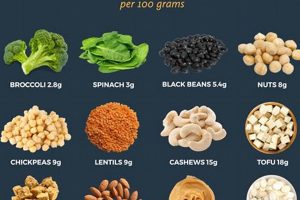
Tip 1: Prioritize Legumes: Integrate lentils, chickpeas, beans, and peas into daily meals. These represent concentrated sources of amino acids, fiber, and essential minerals. For example, a cup of cooked lentils provides approximately 18 grams of protein.
Tip 2: Combine Incomplete Proteins: Utilize complementary protein sources to obtain complete amino acid profiles. The classic combination of rice and beans provides all nine essential amino acids in adequate proportions.
Tip 3: Diversify Plant-Based Sources: Include a variety of nuts, seeds, whole grains, and vegetables in the dietary regime. Quinoa, chia seeds, hemp seeds, and spirulina offer particularly high protein content per serving.
Tip 4: Calculate Daily Requirements: Accurately determine individual protein needs based on factors such as body weight, activity level, and health goals. Online calculators and consultation with a registered dietitian can facilitate this process.
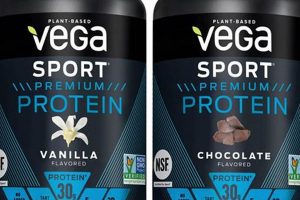
Tip 5: Utilize Protein-Fortified Foods: Consider incorporating fortified plant-based milks, yogurts, and protein powders to supplement intake, particularly for individuals with higher protein requirements or limited food options.
Tip 6: Optimize Meal Timing: Distribute protein intake evenly throughout the day to maximize muscle protein synthesis. Consume protein-rich meals and snacks at regular intervals, such as breakfast, lunch, and dinner.
Tip 7: Monitor Nutrient Intake: Regularly assess the adequacy of other essential nutrients, such as iron, vitamin B12, and omega-3 fatty acids, which may require supplementation on a plant-based diet.
Adherence to these strategies can facilitate the attainment of protein adequacy, support optimal health, and enhance athletic performance in individuals following a plant-based lifestyle.
These considerations will form the foundation for a deeper exploration of specific recipes and meal structures designed to facilitate the effective implementation of this approach.
1. Source Diversity

Source diversity is a cornerstone of any effective protein-focused, plant-based dietary framework. Its importance lies in ensuring a complete amino acid profile and mitigating the risk of nutritional deficiencies often associated with monotonous eating patterns.
- Amino Acid Completeness
Plant-based proteins are often “incomplete,” meaning they lack sufficient amounts of one or more of the nine essential amino acids. Utilizing a variety of protein sources throughout the day, such as combining legumes with grains, helps to compensate for these individual deficiencies and ensures that all essential amino acids are available for protein synthesis. For example, a meal consisting of brown rice and kidney beans provides a more complete amino acid profile than either food consumed in isolation.
- Micronutrient Range
Different plant-based foods offer varying levels of essential micronutrients. Relying on only a few protein sources can lead to deficiencies in vitamins and minerals crucial for overall health. Incorporating a wide array of foods such as leafy greens, nuts, seeds, and colorful vegetables alongside primary protein sources increases the likelihood of meeting daily micronutrient requirements. For instance, including spinach and pumpkin seeds in addition to lentils provides iron, zinc, and other vital nutrients often limited in plant-based diets.
- Digestive Health
A varied intake of plant-based foods contributes to a healthier gut microbiome. Different foods contain different types of fiber and prebiotics that support the growth of beneficial gut bacteria. A diverse microbiome is essential for optimal digestion, nutrient absorption, and immune function. Monotonous diets can lead to a less diverse gut microbiome, potentially resulting in digestive discomfort and reduced nutrient uptake.
- Palatability and Adherence
Limiting dietary choices often leads to boredom and decreased adherence to a prescribed dietary regimen. A diverse selection of plant-based protein sources and accompanying ingredients increases palatability and makes the approach more sustainable in the long term. Exploring different cuisines and preparation methods further enhances the enjoyment and long-term adherence to the protein-focused, plant-based dietary framework.
In conclusion, source diversity within the outlined dietary approach is not merely about varying food choices; it is a critical strategy for ensuring nutritional completeness, promoting digestive health, and enhancing long-term adherence to the dietary regime. Without a focus on diversity, even a well-intentioned plant-based strategy may fall short of providing the necessary nutrients for optimal health and performance.
2. Amino Acid Combining

Amino acid combining is a strategic nutritional practice of central importance to plant-based dietary frameworks. Its execution is crucial for individuals relying exclusively on plant sources to meet their protein requirements, particularly within the context of a thoughtfully designed regimen.
- Complementary Protein Sources
Plant-based proteins are frequently incomplete, lacking adequate quantities of one or more of the nine essential amino acids. Amino acid combining involves consuming different plant-based protein sources throughout the day to ensure the intake of all essential amino acids. The combination of legumes (e.g., lentils, beans) and grains (e.g., rice, quinoa) is a widely recognized example, as legumes are typically rich in lysine, while grains are rich in methionine and cysteine. Consuming both types of foods provides a complete amino acid profile comparable to that found in animal-derived proteins.
- Sequential Consumption
While combining complementary proteins in the same meal is advantageous, it is not strictly necessary to consume them simultaneously. The body maintains an amino acid pool, allowing for essential amino acids to be sourced from different meals consumed throughout the day. Ensuring consistent intake of diverse plant-based protein sources across meals and snacks contributes to the overall completeness of the amino acid profile over a 24-hour period. For instance, consuming nuts and seeds at breakfast, legumes at lunch, and grains at dinner allows for sufficient amino acid coverage.
- Lysine and Methionine Focus
Lysine and methionine are often the limiting amino acids in plant-based diets. Therefore, it is prudent to prioritize sources rich in these amino acids. Legumes, quinoa, and amaranth are excellent sources of lysine, while nuts, seeds, and oats are good sources of methionine. Dietary planning should deliberately include these foods to address potential deficiencies. Regularly incorporating soy products, such as tofu or tempeh, can also ensure sufficient lysine intake.
- Impact on Muscle Protein Synthesis
Adequate intake of all essential amino acids is crucial for supporting muscle protein synthesis, particularly for individuals engaged in regular physical activity or those seeking to maintain or build muscle mass. Insufficient intake of even one essential amino acid can limit muscle growth and repair. Careful attention to amino acid combining and overall protein intake can mitigate this risk and optimize muscle protein synthesis in plant-based populations.
The strategic application of amino acid combining is not merely an optional consideration but a fundamental requirement for the successful implementation of the defined nutritional approach. Neglecting this aspect of program design can compromise protein adequacy, potentially leading to adverse health outcomes.
3. Caloric Sufficiency
Caloric sufficiency constitutes a foundational pillar for the success of any nutritional strategy, particularly those emphasizing a plant-based dietary architecture and targeted protein intake. Insufficient caloric intake, irrespective of protein content, will impede the body’s capacity to effectively utilize ingested protein for muscle synthesis, tissue repair, and other essential physiological functions. The body, when deprived of adequate energy, will catabolize muscle tissue to meet energy demands, negating the benefits of a high-protein approach. A plant-based framework, often higher in fiber and lower in caloric density than omnivorous diets, necessitates careful consideration of portion sizes and food choices to ensure energy requirements are met. For example, an individual consuming only salads composed primarily of low-calorie vegetables, even with the addition of plant-based protein sources, may inadvertently create a caloric deficit that undermines their efforts.
The practical significance of understanding this connection is manifold. Individuals undertaking a plant-based, protein-conscious dietary shift must accurately assess their daily caloric needs based on factors such as age, sex, activity level, and metabolic rate. Utilizing tools like calorie-tracking applications or consulting with a registered dietitian can provide valuable insights. Furthermore, strategic inclusion of calorically dense yet nutrient-rich foods, such as nuts, seeds, avocados, and whole grains, can facilitate the attainment of caloric sufficiency without compromising the integrity of the plant-based approach. For instance, adding a serving of almond butter to a smoothie or incorporating quinoa into a salad can significantly increase the caloric content while providing additional nutrients and protein.
In summary, caloric sufficiency is not merely an ancillary consideration but an indispensable component of an effectively implemented plan. Failure to meet caloric needs will invariably compromise the body’s ability to utilize ingested protein, rendering the nutritional approach suboptimal. Overcoming this challenge necessitates a conscious effort to accurately assess energy requirements, strategically incorporate calorically dense plant-based foods, and consistently monitor dietary intake to ensure both caloric and protein adequacy. Successfully navigating this intricate relationship is paramount to realizing the intended benefits of the approach.
4. Macronutrient Balance

Macronutrient balance, the carefully calibrated ratio of protein, carbohydrates, and fats, is a critical determinant of success within a plant-based dietary framework designed for optimal protein intake. The interrelation of these macronutrients significantly influences energy levels, satiety, and overall health outcomes.
- Protein-to-Carbohydrate Ratio and Satiety
The ratio of protein to carbohydrates directly impacts satiety levels. Higher protein intake, within appropriate limits, can promote a feeling of fullness, reducing the likelihood of overconsumption and aiding in weight management. When planning a plant-based regimen, adequate protein inclusion, particularly when combined with fiber-rich carbohydrates, becomes essential. For example, a meal consisting primarily of refined grains with minimal protein will likely result in quicker hunger compared to a meal combining lentils and brown rice.
- Fat Sources and Hormonal Regulation
Dietary fats play a vital role in hormonal regulation and nutrient absorption. A balanced macronutrient profile within a plant-based approach necessitates the inclusion of healthy fat sources, such as avocados, nuts, seeds, and olive oil. These fats contribute to hormone production, support cell membrane integrity, and facilitate the absorption of fat-soluble vitamins. Exclusion of adequate fat can lead to hormonal imbalances and impaired nutrient absorption. The consumption of processed vegan products high in saturated or trans fats should be limited, with preference given to whole, unprocessed sources.
- Carbohydrate Types and Energy Provision
Carbohydrates serve as the primary energy source for the body. The type of carbohydrates consumed significantly impacts energy levels and metabolic health. Prioritizing complex carbohydrates, such as whole grains, legumes, and vegetables, over simple sugars and refined grains provides a sustained release of energy and supports stable blood sugar levels. Over-reliance on simple carbohydrates can lead to energy crashes and increased risk of insulin resistance. For instance, swapping white bread for whole-wheat bread or replacing sugary drinks with water is a simple modification that significantly improves the quality of carbohydrate intake.
- Protein Distribution and Muscle Synthesis
The distribution of protein intake throughout the day influences muscle protein synthesis. Consuming protein-rich meals and snacks at regular intervals, rather than concentrating protein intake in a single meal, optimizes muscle growth and repair. This strategy is particularly relevant for individuals engaged in regular physical activity. The recommendation is to distribute protein evenly across meals, aiming for approximately 20-30 grams of protein per meal. This approach ensures a consistent supply of amino acids for muscle protein synthesis.
These facets underscore the necessity of meticulous planning to achieve macronutrient equilibrium. Focusing solely on protein intake without considering the overall balance of carbohydrates and fats can lead to suboptimal health outcomes. A successful protein-centered, plant-based approach integrates these considerations to ensure nutritional adequacy and promote long-term well-being.
5. Micronutrient Adequacy

Micronutrient adequacy represents a critical parameter within any dietary paradigm, demanding heightened scrutiny in plant-based constructs. The effective design and implementation of these frameworks necessitates proactive measures to ensure sufficient intake of vitamins and minerals, particularly those commonly underrepresented in exclusively plant-derived food sources.
- Vitamin B12 Supplementation
Vitamin B12, essential for neurological function and red blood cell synthesis, is primarily found in animal products. Plant-based diets inherently lack sufficient B12, mandating supplementation or consumption of fortified foods. Deficiency can lead to irreversible neurological damage if left unaddressed. Consequently, individuals following the prescribed program must actively supplement with B12 or incorporate reliably fortified foods into their daily regimen.
- Iron Bioavailability and Absorption
Iron, crucial for oxygen transport, exists in two forms: heme iron (found in animal products) and non-heme iron (found in plant-based foods). Non-heme iron exhibits lower bioavailability than heme iron, requiring strategies to enhance absorption. Consuming vitamin C-rich foods alongside iron-rich plant sources, such as combining citrus fruits with spinach or lentils, significantly improves iron absorption. Avoiding simultaneous consumption of calcium-rich foods or tannins (found in tea and coffee) can further optimize iron uptake.
- Omega-3 Fatty Acid Sources and Conversion
Omega-3 fatty acids, particularly EPA and DHA, are vital for brain health and inflammation management. While ALA, a precursor to EPA and DHA, is found in plant-based sources like flaxseeds, chia seeds, and walnuts, the conversion rate of ALA to EPA and DHA is often limited. Supplementation with algal oil, a direct source of EPA and DHA, is often recommended to ensure adequate omega-3 intake.
- Calcium and Vitamin D Interdependence
Calcium, essential for bone health and muscle function, requires adequate vitamin D levels for optimal absorption. Plant-based calcium sources include fortified plant milks, tofu, and leafy green vegetables. However, vitamin D synthesis from sunlight can be insufficient, particularly in regions with limited sun exposure or during winter months. Vitamin D supplementation or consumption of vitamin D-fortified foods is often necessary to support calcium absorption and maintain bone health.
The interconnection between the plan and micronutrient status is undeniable. The exclusion of animal products necessitates a strategic approach to address potential nutrient deficiencies, requiring active intervention to ensure optimal physiological function. The success of a plant-based program hinges upon meticulous attention to these details.
Frequently Asked Questions
The following questions address common concerns and misconceptions surrounding plant-based dietary strategies designed to ensure adequate protein intake.
Question 1: Are plant-based protein sources sufficient to meet the needs of athletes?
Adequately planned plant-based diets can provide sufficient protein for athletes. Attention to protein quantity, amino acid profiles, and caloric intake is essential. Combining complementary protein sources and potentially utilizing protein-rich foods can optimize results.
Question 2: How does one ensure a complete amino acid profile on a plan exclusively utilizing plant-derived food?
Combining various plant-based protein sources throughout the day ensures a complete amino acid profile. Legumes, grains, nuts, and seeds offer different amino acid profiles. Consuming a diverse range of these foods provides all essential amino acids.
Question 3: Is vitamin B12 supplementation always necessary for individuals following such a dietary regime?
Vitamin B12 is primarily found in animal products. Unless consuming fortified foods regularly, B12 supplementation is generally recommended for individuals adhering to a strictly plant-based diet to prevent deficiency.
Question 4: What are the best plant-based protein sources for building muscle mass?
Legumes, tofu, tempeh, quinoa, nuts, and seeds are effective protein sources for muscle growth. A combination of these foods, coupled with resistance training, supports muscle protein synthesis.
Question 5: How can dietary planning address potential iron deficiencies?
Consuming iron-rich plant foods, such as lentils, spinach, and fortified cereals, alongside vitamin C-rich foods enhances iron absorption. Avoiding consumption of tea or coffee with meals also improves iron uptake.
Question 6: Are commercially available protein powders necessary for optimal protein intake on this type of plan?
Protein powders are not strictly necessary but can serve as a convenient supplement. Whole food sources of protein are generally preferred. However, protein powders can assist individuals with higher protein requirements or those with limited food options.
These answers provide a foundational understanding of key considerations. Individual needs may vary; consultation with a qualified healthcare professional or registered dietitian is recommended for personalized guidance.
The subsequent section will delve into practical meal planning strategies for effectively implementing this type of dietary approach.
Vegan Protein Meal Plan
This exploration has underscored the critical elements of a “vegan protein meal plan,” highlighting the necessity of source diversity, strategic amino acid combining, caloric sufficiency, macronutrient balance, and proactive micronutrient management. Successful implementation requires diligent attention to detail and a thorough understanding of plant-based nutrition.
The adoption of this approach necessitates a commitment to informed dietary choices and ongoing assessment of nutritional needs. Further research and personalized guidance remain essential to optimizing health outcomes and dispelling persistent misconceptions surrounding plant-based nutrition.