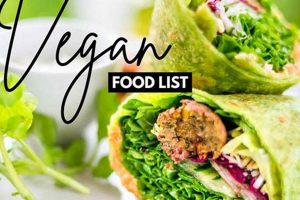
Following physical exertion, nutritional replenishment is paramount for muscle recovery and glycogen restoration. Plant-based options designed for this purpose encompass a range of readily available and easily digestible foods. Examples include fruit smoothies containing plant-based protein powder, whole-grain toast with avocado, or a bowl of quinoa with beans and vegetables.
Consuming appropriate nutrition after exercise aids in reducing muscle soreness, improving future athletic performance, and promoting overall health. Historically, animal-derived proteins have been heavily emphasized in post-workout nutrition; however, plant-based alternatives offer comparable benefits while aligning with specific dietary choices and ethical considerations. Plant-based sources can provide essential amino acids, carbohydrates, and micronutrients necessary for optimal recovery.
Subsequent sections will delve into specific categories of plant-derived foods suitable for post-exercise recovery, providing details on their nutritional profiles, preparation methods, and timing strategies for effective consumption. This will also examine the role of carbohydrates, proteins, and fats in the recovery process, specifically within the context of plant-based eating patterns.
Guidance on Plant-Based Post-Exercise Nutrition
Optimizing the recovery phase after exercise necessitates careful consideration of nutritional intake. The following guidelines address key aspects of incorporating plant-based food sources for effective post-workout replenishment.
Tip 1: Prioritize Protein Intake: Consume plant-based protein sources, such as legumes, lentils, tofu, tempeh, or plant-based protein powders. Aim for approximately 20-30 grams of protein within the first hour post-exercise to support muscle protein synthesis.
Tip 2: Replenish Glycogen Stores: Incorporate complex carbohydrates such as whole grains (brown rice, quinoa), sweet potatoes, or fruits (bananas, berries). These provide sustained energy and replenish glycogen stores depleted during exercise.
Tip 3: Optimize Timing: Consume a post-workout meal or snack within a 30-60 minute window after exercise. This timeframe allows for optimal nutrient absorption and utilization, facilitating muscle recovery and glycogen replenishment.
Tip 4: Hydration is Critical: Rehydrate with water or electrolyte-rich beverages to replace fluids lost during exercise. Dehydration can impede recovery processes and compromise performance.
Tip 5: Healthy Fats for Recovery: Include sources of healthy fats, such as avocado, nuts, seeds, or olive oil. These fats support hormone production and reduce inflammation, contributing to overall recovery.
Tip 6: Consider Protein Blends: Combine different plant-based protein sources to ensure a complete amino acid profile. Examples include combining rice protein with pea protein.
Adhering to these principles facilitates efficient muscle repair, glycogen restoration, and overall recovery following physical exertion, contributing to improved athletic performance and well-being. Plant-based options offer viable and effective alternatives for post-exercise nutrition.
The concluding section will further discuss the broader implications of sustainable and ethical food choices in relation to athletic performance and long-term health.
1. Protein source completeness

Protein source completeness, referring to the presence of all nine essential amino acids in adequate proportions, is a critical factor in the context of post-exercise plant-based nutrition. Insufficient intake of essential amino acids can impede muscle protein synthesis, hindering muscle repair and growth following physical activity. The consumption of incomplete protein sources, common in many plant-based foods when consumed individually, necessitates strategic dietary planning. A deficiency in one or more essential amino acids effectively limits the body’s ability to utilize other amino acids, reducing the efficiency of protein utilization. For example, relying solely on brown rice protein, which is low in lysine, might not provide optimal support for muscle recovery unless supplemented with other protein sources.
Combining multiple plant-based protein sources throughout the day or within the post-workout meal can address protein source completeness. The complementary protein concept involves pairing foods with different amino acid profiles to ensure that all essential amino acids are sufficiently supplied. For instance, consuming a combination of legumes (rich in lysine but lower in methionine and cysteine) and grains (containing higher levels of methionine and cysteine but lower in lysine) can achieve a more complete amino acid profile. Ready-made plant-based protein blends often contain a mixture of pea, rice, and other plant proteins, formulated to provide a comprehensive amino acid composition comparable to animal-derived proteins.
The practical significance of understanding protein source completeness in plant-based post-workout nutrition lies in optimizing muscle recovery, improving athletic performance, and supporting overall health. By strategically combining plant-based protein sources or utilizing protein blends, individuals can ensure that their bodies receive the necessary building blocks for muscle repair and adaptation. This attention to detail can help mitigate potential limitations associated with relying solely on single, incomplete protein sources, ensuring that post-exercise nutrition effectively supports training goals and promotes long-term well-being.
2. Glycogen repletion speed

Glycogen repletion speed is a crucial determinant of post-exercise recovery, influencing muscle function and subsequent performance capabilities. Efficiently replenishing glycogen stores, particularly through plant-based dietary strategies, directly impacts an athletes ability to recover adequately between training sessions and competitions. The selection of appropriate carbohydrate sources becomes paramount when considering plant-based options for rapid glycogen restoration.
- Type of Carbohydrate
The glycemic index (GI) and glycemic load (GL) of carbohydrates play a significant role in glycogen repletion speed. High GI/GL foods, such as white rice, potatoes, and refined grains, induce a rapid increase in blood glucose levels, leading to faster glycogen synthesis. Plant-based examples include dates, ripe bananas, and rice cakes. However, relying solely on high GI/GL foods may lead to unstable blood sugar levels. Conversely, low GI/GL foods, such as whole grains, legumes, and most fruits, provide a sustained release of glucose. Plant-based options include quinoa, sweet potatoes, and oats. Combining high and low GI/GL carbohydrates may offer a balanced approach to sustained glycogen replenishment.
- Timing of Carbohydrate Intake
The timing of carbohydrate consumption post-exercise significantly impacts glycogen repletion. Consuming carbohydrates within the first 30-60 minutes after exercise, often referred to as the “metabolic window,” maximizes glycogen synthesis due to increased insulin sensitivity and glucose transporter activity. A plant-based smoothie consumed immediately post-exercise, containing fruit and a source of complex carbohydrates, exemplifies this strategy. Delaying carbohydrate intake can reduce the rate of glycogen repletion, potentially impairing recovery.
- Presence of Other Macronutrients
The co-ingestion of protein and fat with carbohydrates can influence glycogen repletion speed. While protein is essential for muscle repair, it can slightly slow down the rate of glycogen synthesis compared to carbohydrate intake alone. Similarly, fat can further reduce the rate of glucose absorption. However, consuming a balanced meal containing all three macronutrients can provide a more sustained release of energy and support overall recovery processes. Plant-based post-workout meals containing whole grains, legumes, and a source of healthy fats, such as avocado, represent a holistic approach to recovery.
- Individual Physiological Factors
Individual factors such as training status, muscle glycogen levels at the start of exercise, and metabolic rate can affect glycogen repletion speed. Highly trained athletes may exhibit faster glycogen synthesis rates compared to untrained individuals. Furthermore, individuals with depleted glycogen stores will experience a greater demand for carbohydrate replenishment. Plant-based athletes must carefully monitor their carbohydrate intake and adjust their post-workout nutrition strategies based on their individual needs and training demands.
The interplay between carbohydrate type, timing of intake, presence of other macronutrients, and individual physiological factors collectively determines glycogen repletion speed in the context of plant-based post-exercise nutrition. Understanding these multifaceted considerations allows for the optimization of recovery strategies, promoting enhanced athletic performance and overall well-being within a plant-based dietary framework. Strategic planning ensures that plant-based athletes can effectively replenish glycogen stores and support their training goals.
3. Inflammation reduction efficacy

Post-exercise inflammation is a natural physiological response to muscle damage and metabolic stress. However, excessive or prolonged inflammation can impede recovery processes, leading to delayed muscle soreness, impaired performance, and increased risk of injury. Plant-based post-workout nutrition offers a strategic approach to modulating inflammatory responses and accelerating recovery. The efficacy of plant-based foods in reducing inflammation stems from their inherent anti-inflammatory properties.
- Phytonutrient Content
Plant-based foods are rich in phytonutrients, bioactive compounds that possess potent anti-inflammatory and antioxidant properties. Flavonoids, carotenoids, and polyphenols, abundant in fruits, vegetables, and herbs, neutralize free radicals, reduce oxidative stress, and inhibit inflammatory pathways. For example, berries such as blueberries, raspberries, and strawberries contain anthocyanins, which demonstrate significant anti-inflammatory effects. Consuming a post-workout smoothie incorporating these ingredients can mitigate exercise-induced inflammation. Curcumin, found in turmeric, is another potent anti-inflammatory agent often added to post-workout meals or supplements. The presence of these phytonutrients is a key differentiator of plant-based diets in relation to inflammation management.
- Omega-3 Fatty Acids
Omega-3 fatty acids, particularly alpha-linolenic acid (ALA), found in plant-based sources such as flaxseeds, chia seeds, and walnuts, are converted to eicosapentaenoic acid (EPA) and docosahexaenoic acid (DHA), which possess anti-inflammatory properties. EPA and DHA modulate inflammatory pathways, reduce the production of inflammatory cytokines, and promote the resolution of inflammation. Including these sources in post-workout meals can contribute to a more favorable inflammatory profile. For instance, adding flaxseeds to a post-workout oatmeal or chia seeds to a smoothie can provide a sustained release of omega-3 fatty acids.
- Fiber Content
Plant-based diets are typically high in dietary fiber, which exerts anti-inflammatory effects through several mechanisms. Fiber promotes the growth of beneficial gut bacteria, which produce short-chain fatty acids (SCFAs), such as butyrate, that possess anti-inflammatory properties. SCFAs enhance gut barrier function, reduce systemic inflammation, and modulate immune responses. Consuming fiber-rich foods such as whole grains, legumes, and vegetables in the post-workout meal supports a healthy gut microbiome and reduces inflammation. A bowl of quinoa with beans and vegetables exemplifies a high-fiber, anti-inflammatory post-workout option.
- Avoidance of Pro-Inflammatory Compounds
Plant-based diets inherently minimize the intake of pro-inflammatory compounds found in animal-derived foods, such as saturated fat and arachidonic acid. High intakes of saturated fat can promote inflammation by activating inflammatory pathways. Arachidonic acid, a precursor to inflammatory eicosanoids, is abundant in animal products. By eliminating or reducing the consumption of these compounds, plant-based diets can decrease the overall inflammatory burden on the body. This inherent advantage contributes to the efficacy of plant-based nutrition in managing post-exercise inflammation.
The efficacy of plant-based options in reducing inflammation following exercise stems from a multifaceted approach encompassing phytonutrient content, omega-3 fatty acids, fiber content, and the avoidance of pro-inflammatory compounds. Incorporating these elements into post-workout nutrition strategies provides a holistic means of modulating inflammatory responses, accelerating recovery, and supporting overall health. Strategic food selection can thereby enhance adaptation and optimize performance.
4. Micronutrient availability

Micronutrient availability is a critical yet often overlooked aspect of post-exercise nutrition, particularly within the context of plant-based dietary patterns. Adequate intake of vitamins and minerals supports numerous physiological processes essential for recovery, including immune function, energy metabolism, and muscle repair. Vegan post workout food requires careful planning to ensure sufficient micronutrient intake.
- Iron Absorption
Iron is vital for oxygen transport and energy production. Non-heme iron, the form found in plant-based foods, is less readily absorbed than heme iron from animal sources. Vitamin C enhances non-heme iron absorption. Combining iron-rich foods such as spinach, lentils, or fortified cereals with sources of Vitamin C, like citrus fruits or bell peppers, in a post-workout meal can improve iron bioavailability. Conversely, tannins found in tea and coffee can inhibit iron absorption, warranting consideration regarding beverage choices.
- Vitamin B12 Status
Vitamin B12 is crucial for nerve function and DNA synthesis and is not naturally found in most plant-based foods. Vegan athletes must obtain Vitamin B12 through fortified foods, such as nutritional yeast or plant-based milks, or through supplementation. Deficiency can lead to fatigue and impaired recovery. Regular monitoring of B12 levels is advisable, particularly for those engaging in high-intensity training. A post-workout meal incorporating fortified nutritional yeast, used to add a cheesy flavor to dishes, can contribute to B12 intake.
- Calcium Bioavailability
Calcium is essential for bone health and muscle function. Plant-based sources of calcium include leafy green vegetables, fortified plant-based milks, and tofu. However, oxalates and phytates present in some plant foods can inhibit calcium absorption. Steaming or cooking leafy greens can reduce oxalate content, thereby increasing calcium bioavailability. Choosing calcium-set tofu and fortified plant milks are also strategies for ensuring adequate calcium intake. A post-workout smoothie using fortified almond milk and incorporating leafy greens can provide a source of calcium.
- Zinc Intake
Zinc is important for immune function and protein synthesis. Plant-based sources of zinc include legumes, nuts, seeds, and whole grains. Phytates can also interfere with zinc absorption. Soaking or sprouting legumes and grains can reduce phytate content, improving zinc bioavailability. Combining zinc-rich foods with organic acids, such as citric acid, may further enhance absorption. A post-workout trail mix containing nuts and seeds, consumed alongside a citrus fruit, can contribute to zinc intake and enhance absorption.
The careful consideration of micronutrient availability, as exemplified by the strategies to enhance iron, B12, calcium, and zinc absorption, is essential for optimizing recovery and overall health in individuals following a vegan diet, particularly in the context of strenuous physical activity. By strategically combining foods and utilizing appropriate preparation methods, plant-based athletes can mitigate potential deficiencies and ensure adequate micronutrient status, supporting optimal performance and well-being.
5. Digestive tolerance factor

Digestive tolerance, in the context of post-exercise nutrition, refers to the capacity of the gastrointestinal system to efficiently process and absorb ingested foods without adverse effects such as bloating, cramping, or diarrhea. Within a vegan dietary framework, this factor assumes considerable significance, as certain plant-based foods, while nutritionally beneficial, may present digestive challenges for some individuals, particularly after intense physical activity. The physiological stress associated with exercise can temporarily compromise digestive function, increasing susceptibility to gastrointestinal distress.
The fiber content of many plant-based foods, though advantageous for long-term health, can pose immediate digestive challenges post-exercise. High fiber intake, especially from sources like legumes or cruciferous vegetables, may lead to increased gas production and discomfort. For example, a large serving of lentil soup immediately after a hard workout could induce bloating in some individuals. Conversely, easily digestible options such as blended fruit smoothies with plant-based protein powders or cooked white rice may be better tolerated. Individuals with pre-existing gastrointestinal conditions, such as irritable bowel syndrome, must exercise particular caution when selecting post-workout vegan meals. The impact of specific foods on digestive function varies considerably among individuals, necessitating a personalized approach to post-exercise nutrition. Identifying and avoiding trigger foods is a crucial element of optimizing digestive tolerance.
Strategies to enhance digestive tolerance include consuming smaller, more frequent meals post-exercise, prioritizing cooked over raw foods, and incorporating digestive aids such as ginger or peppermint tea. Moreover, gradually increasing fiber intake over time can improve the gut’s ability to handle higher fiber loads. The practical significance of understanding digestive tolerance in the context of vegan post-workout nutrition lies in preventing gastrointestinal distress, ensuring optimal nutrient absorption, and promoting overall recovery. Failure to address digestive tolerance can negate the benefits of otherwise well-formulated post-exercise meals. By carefully selecting foods and employing appropriate strategies, vegan athletes and individuals can minimize digestive discomfort and maximize the effectiveness of their post-workout nutrition plans.
Frequently Asked Questions
This section addresses common inquiries regarding the implementation of plant-based strategies for post-exercise recovery and adaptation. It aims to provide concise and evidence-based answers to prevalent concerns and misconceptions.
Question 1: What constitutes an adequate amount of protein in a vegan post-workout meal?
The optimal protein intake following exercise typically ranges from 20 to 30 grams. This quantity supports muscle protein synthesis and facilitates muscle repair. Plant-based sources such as tofu, tempeh, lentils, and plant-based protein powders can effectively provide this level of protein.
Question 2: Are plant-based protein sources complete proteins?
Not all plant-based protein sources are complete proteins, meaning they may lack one or more of the nine essential amino acids. However, a varied diet that combines different plant-based sources, such as grains and legumes, can ensure adequate intake of all essential amino acids. Plant-based protein blends are also available to provide a complete amino acid profile.
Question 3: How quickly should one consume a post-workout meal after exercise?
Ideally, a post-workout meal should be consumed within 30 to 60 minutes after exercise. This timeframe coincides with increased insulin sensitivity and glucose transporter activity, maximizing nutrient absorption and utilization for muscle recovery and glycogen replenishment.
Question 4: Are carbohydrates necessary in a plant-based post-workout meal?
Carbohydrates are crucial for replenishing glycogen stores depleted during exercise. Complex carbohydrates, such as whole grains, sweet potatoes, and fruits, are preferred for sustained energy release. The specific carbohydrate intake should align with the intensity and duration of the exercise.
Question 5: What are the best plant-based options for reducing inflammation post-exercise?
Plant-based foods rich in phytonutrients, such as berries, leafy green vegetables, and turmeric, possess anti-inflammatory properties. Omega-3 fatty acids from flaxseeds and chia seeds also contribute to reducing inflammation. The inclusion of these foods in a post-workout meal can mitigate exercise-induced inflammation.
Question 6: How can digestive tolerance be optimized following a plant-based post-workout meal?
Digestive tolerance can be enhanced by consuming smaller, more frequent meals, prioritizing cooked over raw foods, and gradually increasing fiber intake over time. Identifying and avoiding trigger foods that cause gastrointestinal distress is also essential.
Effective utilization of plant-based nutrition for post-exercise recovery hinges on strategic meal planning, careful food selection, and an understanding of individual needs. Prioritizing protein and carbohydrate intake, reducing inflammation, and optimizing digestive tolerance are key considerations.
The subsequent section will explore the ethical and environmental considerations associated with choosing plant-based foods for athletic performance and overall health.
Concluding Remarks on Plant-Based Post-Exercise Nutrition
The preceding discussion has explored diverse facets of “vegan post workout food,” encompassing protein completeness, glycogen repletion speed, inflammation reduction efficacy, micronutrient availability, and digestive tolerance. A strategic amalgamation of these elements enables plant-based athletes to achieve optimal recovery and performance gains. Plant-based alternatives are both efficacious and ethical, offering a viable approach to athletic fueling.
Adopting a deliberate and informed approach to plant-based post-exercise nutrition represents a proactive step towards enhanced athletic outcomes and promotes environmental consciousness. Further research into the nuanced interactions between specific plant-based foods and individual physiological responses remains warranted. The evolution of plant-based sports nutrition will likely yield innovative strategies for optimizing athletic potential and overall well-being.