A plant-based baked good, this variation on a classic treat incorporates mashed bananas, peanut butter, and other ingredients suitable for individuals following a vegan diet. Standard recipes are modified to exclude eggs and dairy, often utilizing alternatives like flaxseed meal or applesauce as binding agents and plant-based milk for moisture.
The appeal of this item lies in its potential health advantages. By excluding animal products, it typically contains lower levels of saturated fat and cholesterol compared to traditional recipes. The inclusion of bananas provides potassium and dietary fiber, while peanut butter contributes protein and healthy fats. Furthermore, it serves as an accessible and satisfying option for those with dietary restrictions or ethical considerations regarding animal consumption.
The following sections will delve into specific ingredient substitutions, baking techniques, nutritional considerations, and common variations of this increasingly popular baked good.
Baking Recommendations
The following are guidelines to ensure optimal results when preparing this specific baked item. Adherence to these recommendations enhances the final product’s texture, flavor, and overall quality.
Tip 1: Mashed Banana Consistency: Overripe bananas are critical. They provide enhanced sweetness, moisture, and a softer texture. Ensure the bananas are thoroughly mashed, leaving minimal lumps, for uniform distribution throughout the batter.
Tip 2: Peanut Butter Selection: Opt for natural peanut butter with minimal added ingredients. The oil separation is normal; stir thoroughly before measuring. Avoid peanut butters with excessive sugar or stabilizers, as they can alter the final product’s consistency and flavor profile.
Tip 3: Flour Measurement Accuracy: Precise flour measurement is essential. Spoon the flour into the measuring cup and level it off with a straight edge. Avoid scooping directly from the bag, as this compacts the flour and leads to a denser outcome.
Tip 4: Oven Temperature Control: Maintain accurate oven temperature. Use an oven thermometer to verify the oven’s calibration. Inconsistent temperatures can result in uneven baking or a burnt exterior with a raw interior.
Tip 5: Cooling Procedure: Allow the baked product to cool in the pan for a minimum of ten minutes before transferring it to a wire rack to cool completely. This prevents the product from crumbling and facilitates easier slicing.
Tip 6: Ingredient Temperature: Ensure the plant-based milk and melted coconut oil are at room temperature before incorporating them into the batter. This prevents the coconut oil from solidifying upon contact with cold ingredients, which can negatively affect the texture.
Consistent application of these techniques will enhance the baking outcome, resulting in a superior product. The subsequent section will discuss potential variations and adaptations to the standard recipe.
1. Plant-based ingredients

The formulation of this particular baked item relies entirely on components derived from plant sources. These ingredients are selected to replicate the functionalities of conventional baking components, like eggs and dairy, while adhering to vegan dietary standards. The effectiveness of these substitutions directly impacts the final product’s texture, flavor, and overall success.
- Flour Alternatives and Gluten Considerations
Wheat flour provides structure in traditional recipes. Plant-based adaptations may employ gluten-free alternatives, such as almond flour, oat flour, or a blend of gluten-free flours. The absence of gluten necessitates the inclusion of binding agents, like xanthan gum or psyllium husk, to mimic gluten’s elastic properties and prevent a crumbly texture. This substitution impacts the bread’s rise, density, and overall mouthfeel.
- Egg Replacers and Binding Agents
Eggs contribute moisture, binding, and leavening. Plant-based substitutes commonly include flaxseed meal mixed with water (“flax egg”), applesauce, mashed bananas (beyond the primary banana ingredient), or commercial egg replacers. Each alternative imparts a distinct flavor profile and binding strength. Flaxseed meal adds a nutty flavor and chewy texture, while applesauce contributes moisture and sweetness. These replacements are critical for holding the ingredients together and providing structural integrity in the absence of eggs.
- Dairy-Free Liquids and Fat Sources
Milk and butter provide moisture and richness in conventional recipes. Plant-based substitutes consist of almond milk, soy milk, oat milk, coconut oil, or vegan butter alternatives. The selection influences the bread’s flavor and fat content. Coconut oil contributes a subtle coconut flavor and a tender crumb, while vegan butter mimics the richness of dairy butter. Plant-based milks add moisture without the lactose and cholesterol present in dairy milk.
- Sweeteners and Flavor Enhancers
Refined sugar is often replaced with natural sweeteners like maple syrup, agave nectar, or coconut sugar. These sweeteners contribute sweetness and moisture. Vanilla extract, cinnamon, and nutmeg are common flavor enhancers that complement the banana and peanut butter flavors, adding depth and complexity to the overall taste profile. It is important to consider the different flavor each enhances.
The careful selection and proportioning of plant-derived ingredients are fundamental to creating a palatable and structurally sound baked product. Understanding the specific properties of each component and its impact on the final outcome is essential for successful plant-based baking. These substitutions not only cater to vegan dietary requirements but also can offer unique flavor and texture profiles that distinguish the item from its conventional counterpart.
2. Banana Ripeness

The degree of ripeness in bananas significantly influences the outcome of plant-based baked goods. This factor affects sweetness, moisture content, and overall texture. Utilizing bananas at their peak ripeness optimizes the characteristics of the finished product.
- Sugar Concentration
As bananas ripen, enzymes convert starches into simple sugars, increasing sweetness. Overripe bananas contribute a more intense sweetness, reducing or eliminating the need for additional refined sugars in the recipe. This natural sweetness enhances the overall flavor profile while potentially lowering the glycemic index of the item.
- Moisture Content
Ripe bananas possess a higher moisture content due to the breakdown of cell walls. This increased moisture contributes to a softer, more tender crumb structure in the final baked product. Conversely, underripe bananas have lower moisture and can result in a drier, denser outcome.
- Texture and Mashability
Overripe bananas are easily mashed, allowing for uniform distribution throughout the batter. This ensures a consistent texture and prevents lumps. Underripe bananas are firmer and more difficult to mash, potentially leading to uneven texture and pockets of unmashed banana in the finished product.
- Flavor Development
The flavor profile of bananas evolves as they ripen, developing a richer, more complex taste. Overripe bananas contribute a distinct, caramelized flavor that complements the peanut butter and other ingredients. Underripe bananas lack this depth of flavor and may result in a bland or starchy taste.
The strategic use of ripe bananas is, therefore, essential for achieving optimal sweetness, moisture, texture, and flavor in vegan peanut butter banana bread. Precise assessment of ripeness ensures a final product that is both palatable and texturally desirable.
3. Peanut butter type

The selection of peanut butter significantly influences the flavor, texture, and nutritional profile of plant-based baked items. Different varieties of peanut butter possess varying compositions of oil, sugar, salt, and additives, all of which directly affect the finished product. Natural peanut butter, consisting solely of peanuts and perhaps salt, typically yields a less sweet, more intensely peanut-flavored outcome. Conversely, commercially processed peanut butters often contain added sugars, hydrogenated oils, and stabilizers, resulting in a sweeter taste and a smoother, more uniform texture. In the context of plant-based recipes, these considerations are critical for maintaining the desired balance of flavors and textures, ensuring the item remains both palatable and aligned with dietary preferences.
Specifically, in vegan peanut butter banana bread, the choice between natural and processed peanut butter can drastically alter the final product. Using natural peanut butter imparts a robust peanut flavor and may necessitate adjustments to the level of sweetener used, given its lower sugar content. The oil separation characteristic of natural peanut butter may also require more thorough mixing to ensure even distribution throughout the batter. In contrast, commercially processed peanut butter integrates more seamlessly due to its stabilizers, potentially resulting in a more consistent texture but potentially masking the natural flavors of the bananas and other ingredients. Therefore, the selection should be made with careful consideration of the desired flavor intensity and textural characteristics.
In summary, the type of peanut butter employed is a key determinant in shaping the overall qualities of the baked good. The decision to use natural or processed peanut butter requires careful assessment of the recipe’s intended flavor profile, textural preferences, and nutritional goals. An informed choice ensures the resulting item achieves the desired balance of taste, texture, and nutritional value, highlighting the importance of ingredient selection in plant-based baking.
4. Flour selection

The type of flour employed in the preparation significantly influences the texture, structure, and overall palatability of this plant-based baked item. Understanding the properties of different flours is critical to achieving the desired results in the absence of traditional binding agents found in conventional recipes.
- Gluten Content and Structure
Wheat flour, commonly used in baking, contains gluten, a protein that provides elasticity and structure. However, plant-based adaptations frequently utilize gluten-free alternatives such as almond flour, oat flour, or rice flour. These alternatives lack gluten and require the addition of binding agents to mimic gluten’s structural properties. The choice of flour impacts the bread’s rise, crumb texture, and overall structural integrity. For example, using solely almond flour may result in a denser product due to the absence of gluten development.
- Moisture Absorption and Hydration
Different flours exhibit varying degrees of moisture absorption. Almond flour, for instance, absorbs more moisture than wheat flour, requiring adjustments to liquid ingredients to prevent a dry outcome. Oat flour, with its high fiber content, also affects the moisture balance, contributing to a chewier texture. Precise control over hydration is essential to achieving a tender crumb and preventing a dense or crumbly product. The baker should know that the batter with almond flour need more liquid than the wheat flour.
- Flavor Profile and Complementary Flavors
The flour’s inherent flavor complements or contrasts with the other ingredients. Whole wheat flour imparts a nutty flavor that may enhance the overall taste profile, while rice flour has a more neutral flavor, allowing the flavors of the bananas and peanut butter to dominate. Consideration of these flavor interactions ensures a harmonious and balanced taste experience. The balance between flavors is a key for customer.
- Nutritional Considerations
Flour selection impacts the nutritional composition of the plant-based bread. Almond flour contributes healthy fats and protein, while oat flour provides fiber and complex carbohydrates. Choosing a blend of flours can optimize the nutritional value, providing a balance of macronutrients. This is good for the health and marketing campaign
The flour type determines key characteristics. Therefore, the choice of flour is a crucial decision, shaping the final product’s texture, flavor, and nutritional value. Careful flour selection leads to a baked good that aligns with dietary needs and delivers a pleasing sensory experience.
5. Moisture balance
Moisture balance represents a critical factor in the creation of acceptable plant-based baked goods. In the context of peanut butter banana bread, the interplay between wet and dry components is particularly significant due to the exclusion of eggs and dairy, which traditionally contribute moisture and binding properties. Imbalances can manifest as either excessive dryness or a gummy texture, both detracting from the product’s quality. The bananas and peanut butter themselves contribute moisture, but this must be carefully offset by the flour and any dry binding agents used as egg replacements. Over-measuring flour, for example, will result in a dry, crumbly loaf, whereas insufficient flour will produce a dense, undercooked result. The type of flour also plays a key role: gluten-free flours tend to absorb more moisture than wheat flour, necessitating further adjustments to liquid ratios.
The practical application of this understanding requires precision and an awareness of ingredient interactions. For instance, if applesauce is used as an egg replacer, its inherent moisture must be factored into the overall liquid calculation to avoid over-saturation. Similarly, the level of ripeness of the bananas directly affects their moisture content; overripe bananas, while contributing sweetness, also contribute more liquid, demanding a corresponding reduction in other wet ingredients or an increase in dry ingredients. Trial and error, coupled with meticulous record-keeping, often becomes essential in perfecting the moisture balance of this particular plant-based recipe. Visual cues, such as the batter’s consistencyit should be pourable but not overly runnyserve as valuable indicators during preparation.
Maintaining optimal moisture balance presents a central challenge in vegan baking. Successfully navigating the complexities of ingredient interactions and moisture adjustments is paramount. Awareness of moisture’s critical role underscores the importance of careful measurement and ingredient selection in achieving the desired texture and overall quality.
6. Baking time
Appropriate baking duration is a critical parameter in the successful preparation of plant-based peanut butter banana bread. Insufficient baking results in a doughy, undercooked interior, while excessive baking leads to a dry, crumbly texture. The factors influencing optimal baking time require careful consideration.
- Oven Calibration and Temperature Consistency
Ovens often exhibit temperature discrepancies. An uncalibrated oven may bake at a temperature significantly different from its setting, impacting baking time. Regular calibration with an oven thermometer ensures accurate temperature control and consistent results. Even with calibration, temperature fluctuations can occur, necessitating close monitoring of the baking process.
- Pan Material and Heat Conduction
The material of the baking pan influences heat conduction. Dark-colored pans absorb more heat, potentially reducing baking time, while light-colored pans reflect heat, possibly extending it. Glass pans conduct heat differently than metal pans. Consideration of the pan material allows for appropriate adjustments to baking time to ensure even cooking.
- Altitude and Environmental Humidity
Altitude affects baking time due to changes in atmospheric pressure, influencing the boiling point of water. Higher altitudes typically require longer baking times. Humidity levels also impact baking time; high humidity may necessitate a longer baking duration. Adjustments based on altitude and humidity contribute to a consistent baking outcome.
- Ingredient Temperature and Batter Density
The initial temperature of ingredients affects baking time. Cold ingredients extend the time required for the batter to reach the appropriate temperature. The density of the batter also influences baking time; a denser batter requires a longer baking duration than a thinner batter. Attention to ingredient temperature and batter density allows for accurate determination of the necessary baking time.
Baking time is influenced by interconnected elements. Accurate oven calibration, consideration of pan material, altitude, humidity, ingredient temperature, and batter density enable skilled bakers to achieve the desired texture and consistency of plant-based peanut butter banana bread, guaranteeing a uniformly baked loaf.
7. Texture
Texture is a paramount attribute of plant-based peanut butter banana bread, directly influencing its palatability and consumer acceptance. The interplay of ingredients and baking techniques determines whether the final product achieves the desired balance of tenderness, moistness, and structural integrity.
- Crumb Structure and Density
The crumb, or internal structure, dictates the bread’s overall mouthfeel. A fine, even crumb signifies proper gluten development (or appropriate substitution in gluten-free versions) and adequate moisture distribution. Density, conversely, affects the perceived heaviness of each slice. An overly dense crumb suggests insufficient leavening or excessive mixing, while an airy, porous crumb may indicate over-mixing or improper gluten development. Achieving the optimal balance of crumb structure and density is essential for a pleasant eating experience.
- Moistness and Tenderness
Moistness contributes significantly to the perception of freshness and quality. Adequate moisture prevents the bread from tasting dry or stale. Tenderness, the ease with which the bread yields to pressure, is closely linked to moistness. High fat content and the presence of humectants, such as mashed bananas and applesauce, promote both moistness and tenderness. Conversely, overbaking or insufficient fat can result in a dry, tough texture.
- Surface Characteristics
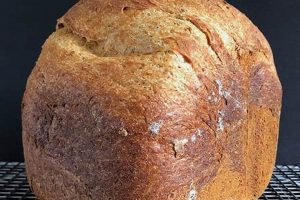
The surface characteristics, including the crust’s color and texture, contribute to the overall sensory experience. A golden-brown crust indicates proper caramelization of sugars, adding flavor and visual appeal. The crust’s texture, ranging from slightly crisp to soft, depends on baking time and temperature. A burnt or overly hard crust detracts from the bread’s palatability, while a pale, undercooked crust suggests insufficient baking time.
- Inclusion Effects
Additions such as chopped nuts, chocolate chips, or dried fruit contribute textural contrast and complexity. These inclusions provide bursts of differing textures, enhancing the overall sensory experience. The size, distribution, and consistency of these additions influence the final product’s mouthfeel. For instance, coarsely chopped nuts provide a pronounced crunch, while finely diced fruit contributes a subtle chewiness.
The integration of these textural elements defines the quality and consumer appeal of plant-based peanut butter banana bread. Successfully manipulating these facets through ingredient selection and baking techniques ensures a product that is both satisfying and texturally pleasing.
Frequently Asked Questions About Vegan Peanut Butter Banana Bread
This section addresses common inquiries regarding the preparation, ingredients, and characteristics of this specific plant-based baked product. The answers provided aim to clarify misconceptions and offer practical guidance.
Question 1: Is vegan peanut butter banana bread inherently healthier than traditional banana bread?
While the absence of animal products may reduce saturated fat and cholesterol content, the overall nutritional value depends on the specific ingredients used. High sugar or refined flour content can negate potential health benefits. Careful selection of whole-grain flours and natural sweeteners is crucial for optimizing the nutritional profile.
Question 2: Can substitutions be made for peanut butter due to allergies?
Sunflower seed butter (sunbutter) or other nut butters such as almond or cashew butter can serve as alternatives. However, the flavor and texture will differ. Ensure that any substitute is free from cross-contamination with peanuts if allergies are severe.
Question 3: How does the absence of eggs affect the structure of this bread?
Eggs provide binding and structure in conventional baking. In vegan recipes, flaxseed meal mixed with water (“flax egg”), applesauce, or commercial egg replacers are used to mimic these properties. These alternatives contribute moisture and help bind the ingredients together, though the resulting texture may be slightly different from traditional banana bread.
Question 4: What is the best method for storing plant-based banana bread to maintain freshness?
The bread should be stored in an airtight container at room temperature for up to three days or in the refrigerator for up to a week. Freezing is also an option for longer storage; wrap the bread tightly in plastic wrap and then aluminum foil before freezing.
Question 5: Can this recipe be adapted for muffins instead of a loaf?
Yes, the batter can be used to make muffins. Reduce the baking time accordingly, typically to 18-22 minutes, or until a toothpick inserted into the center comes out clean. Monitor closely to prevent overbaking.
Question 6: Why does my plant-based banana bread sometimes have a gummy texture?
A gummy texture often results from overmixing the batter or using excessive moisture. Ensure accurate flour measurement and avoid overmixing once the wet and dry ingredients are combined. The precise measurements and following the instruction is the key. It’s important.
The answers provided offer a foundational understanding of frequently encountered questions about vegan peanut butter banana bread. Further experimentation and recipe adjustments may be necessary to achieve individual preferences.
The subsequent section delves into advanced techniques and recipe modifications for experienced bakers.
Conclusion
The preceding analysis has elucidated the multifaceted nature of plant-based peanut butter banana bread. From ingredient selection to baking techniques, each stage contributes to the final product’s characteristics. A thorough understanding of these elements is paramount for achieving optimal results in the absence of conventional animal-derived components.
The continued exploration and refinement of plant-based recipes remain crucial for expanding dietary options and promoting sustainable food practices. This item exemplifies the potential for innovative adaptation within the culinary arts, offering a compelling alternative to traditional baked goods and a continued commitment to innovation in baking science.
![Easy Vegan Spelt Banana Bread Recipe [Healthy & Delicious] | Discover Delicious Vegan Food, Beauty Swaps, and Zero-Waste Tips for a Greener Life](https://thisvegangirl.com/wp-content/uploads/2026/03/th-42-300x200.jpg "Easy Vegan Spelt Banana Bread Recipe [Healthy & Delicious] Discover Delicious Vegan Food, Beauty Swaps, and Zero-Waste Tips for a Greener Life")