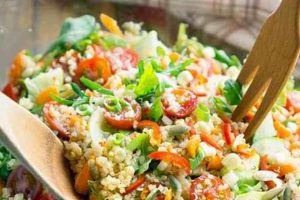
A plant-based adaptation of a traditional dish, this rice preparation omits animal products such as chicken broth or lard, relying instead on vegetable broth and plant-derived oils. Common ingredients include long-grain rice, tomatoes, onions, garlic, and a blend of spices, often including chili powder and cumin. The finished product offers a flavorful and colorful side dish that complements many Mexican-inspired meals.
This variant accommodates dietary restrictions and preferences, providing a nutritious and ethical alternative to conventional recipes. Its accessibility contributes to the growing popularity of plant-based cuisine. Historically, rice has been a staple in many cultures, and adapting traditional recipes to modern dietary needs ensures its continued relevance.
The subsequent sections will delve into specific preparation techniques, ingredient substitutions, nutritional considerations, and variations of this dish, providing a comprehensive understanding for both novice and experienced cooks.
Essential Preparation Insights
Achieving optimal flavor and texture requires careful attention to detail throughout the preparation process.
Tip 1: Rice Selection: Employing long-grain rice yields the most desirable fluffy texture. Avoid short-grain varieties, as they tend to become sticky.
Tip 2: Toasting the Rice: Toasting the rice grains in oil before adding liquid enhances the nutty flavor profile and prevents excessive starch release during cooking.
Tip 3: Vegetable Broth Quality: Opt for a high-quality vegetable broth to impart a robust and savory base flavor. Low-sodium options allow for greater control over the final salt content.
Tip 4: Tomato Preparation: Roasting tomatoes before blending them into the sauce intensifies their sweetness and complexity. Canned diced tomatoes, thoroughly drained, offer a convenient alternative.
Tip 5: Spice Blending: Adjust the spice blend according to personal preference. Chili powder, cumin, and smoked paprika contribute depth and warmth. Consider adding a pinch of cayenne pepper for added heat.
Tip 6: Simmering Technique: Maintain a low, consistent simmer throughout the cooking process. Avoid lifting the lid frequently, as this releases steam and disrupts the cooking time.
Tip 7: Resting Period: Allowing the cooked rice to rest, covered, for ten minutes before fluffing ensures that the grains fully absorb the remaining moisture, resulting in a superior texture.
Implementing these strategies facilitates the creation of a flavorful and texturally satisfying plant-based rice dish.
The concluding section will provide suggestions for serving and pairing this dish with complementary ingredients.
1. Plant-based broth

Plant-based broth is a foundational ingredient, representing a crucial element in achieving authentic, plant-based flavors. It serves as the liquid component, replacing traditional chicken or beef broths. This substitution is not merely a dietary modification; it fundamentally alters the flavor profile. For instance, a mushroom broth imparts an umami richness, while a vegetable broth provides a cleaner, brighter taste. Therefore, the specific type of plant-based broth directly influences the final taste.
The use of plant-based broth addresses ethical and dietary concerns, enabling adherence to a vegan lifestyle without sacrificing the depth of flavor found in traditional versions. Consider the difference between using water versus a vegetable broth: the broth infuses the rice with complex flavors as it cooks, creating a savory experience rather than a bland one. Using a high-quality broth helps enhance the overall culinary outcome, making this simple side dish a flavorful complement to an array of dishes.
In conclusion, the strategic selection of plant-based broth acts as a cornerstone of plant-based cooking, affecting both flavor intensity and dietary considerations. The choice goes beyond a simple swap. Careful consideration in the type of broth used will dramatically change the quality of the final dish. Ignoring this component can yield a dish that lacks depth and fails to capture the intended essence of the original recipe.
2. Toasted Rice Grains

Toasting rice grains represents a critical step in the preparation, fundamentally influencing the texture and flavor profile. It moves beyond mere browning, triggering chemical reactions that significantly enhance the dish’s characteristics.
- Maillard Reaction
Toasting initiates the Maillard reaction, a chemical process between amino acids and reducing sugars that occurs upon heating. This reaction produces hundreds of different flavor compounds, resulting in a more complex and savory taste compared to using untoasted rice. In the context of the plant-based recipe, this intensified flavor helps compensate for the absence of animal-derived fats or broths, enriching the overall culinary experience.
- Starch Modification
The heat applied during toasting partially gelatinizes the starch granules within the rice grains. This process reduces the stickiness of the cooked rice, promoting a fluffier texture. By modifying the starch structure, toasting prevents the grains from clumping together, contributing to a more visually appealing and palatable final product. This is particularly beneficial in plant-based adaptations where the binder effect of animal fats is absent.
- Enhanced Nutty Flavor
Toasting develops a subtle nutty flavor within the rice grains, adding another layer of complexity to the dish. This flavor complements the other ingredients, such as tomatoes, onions, and spices, creating a more balanced and harmonious taste profile. This nuanced flavor enhancement can elevate a simple side dish to a more sophisticated culinary creation.
- Improved Texture Stability
Toasted rice grains tend to hold their shape better during the cooking process. This contributes to a more defined and separate grain structure, preventing the dish from becoming mushy. The improved structural integrity allows for better sauce absorption without compromising the textural integrity of the rice, leading to a more satisfying eating experience.
In summary, toasting transforms the rice grains, imbuing them with enhanced flavor, improved texture, and greater stability. The Maillard reaction, starch modification, development of nutty flavors, and textural improvements collectively contribute to a plant-based rice dish that is more flavorful, visually appealing, and texturally satisfying compared to versions prepared with untoasted rice. The practice of toasting, therefore, is not merely a procedural step but an essential element that elevates the final product, bridging the gap between traditional preparations and plant-based adaptations.
3. Tomato-based sauce

A tomato-based sauce forms a pivotal element within the composition of plant-based Mexican rice, significantly influencing its flavor, color, and overall character. The sauce acts as a primary flavoring agent, providing a distinct sweetness and acidity that balances the savory notes of the rice and spices. Without a well-executed tomato component, the dish may lack depth and complexity, failing to emulate the authentic flavors of traditional Mexican rice. For example, consider the difference between rice simmered in plain vegetable broth versus rice simmered in a blend of tomatoes, onions, and garlic; the latter yields a far more vibrant and flavorful result.
The importance of the tomato-based sauce extends beyond mere taste; it also contributes substantially to the visual appeal of the dish. The vibrant red hue derived from the tomatoes enhances the presentation, making the rice more appetizing. Furthermore, the sauce serves as a medium for dispersing spices and other flavorings, ensuring that they are evenly distributed throughout the rice. This even distribution is crucial for achieving a harmonious blend of flavors in every bite. Real-world examples of this effect can be observed when comparing a commercially prepared, bland rice dish to a homemade version featuring a rich, well-seasoned tomato sauce; the homemade dish invariably exhibits superior flavor and visual appeal.
In conclusion, the tomato-based sauce is not merely an ancillary ingredient but an essential component that defines the essence of plant-based Mexican rice. It dictates the flavor profile, enhances the visual appeal, and serves as a vehicle for distributing spices. Mastering the preparation of the sauce is therefore crucial for achieving a flavorful and authentic rendition of this popular dish. Challenges may arise in balancing the acidity of the tomatoes with the other ingredients, but careful attention to detail and a willingness to experiment will ultimately lead to a satisfying and flavorful outcome. This understanding contributes to the broader appreciation of plant-based cuisine, demonstrating how careful ingredient selection and preparation techniques can create dishes that are both delicious and ethically sound.
4. Spice blend balance

The formulation of a well-proportioned spice blend is inextricably linked to the success of plant-based Mexican rice. The absence of animal fats and proteins necessitates an amplified reliance on spices to generate depth and complexity of flavor. An imbalanced spice profile can result in a dish that is either bland and uninspired or overwhelmingly dominated by a single spice note, failing to replicate the nuanced character of authentic Mexican cuisine. For instance, an overabundance of cumin can create a bitter, earthy flavor that overshadows the other ingredients, while insufficient chili powder may yield a flavor profile that lacks the characteristic warmth and subtle heat.
The practical significance of understanding spice blend balance lies in the ability to tailor the flavor profile to individual preferences while maintaining overall culinary harmony. Knowledge of spice interactions allows for adjustments based on dietary needs or ingredient availability without compromising the integrity of the dish. Substituting smoked paprika for traditional chili powder, for example, can provide a similar smoky flavor while accommodating sensitivities to capsaicin. Furthermore, this understanding facilitates the creation of variations on the basic recipe, enabling the exploration of different regional flavors within Mexican cuisine. From a technical standpoint, it is vital to incorporate the practice of adjusting spice levels gradually, tasting and adjusting until a harmony is achieved.
In conclusion, the attainment of spice blend balance constitutes a pivotal skill in the preparation of compelling plant-based Mexican rice. It compensates for the absence of animal-derived flavors, provides depth and complexity, and allows for customization while maintaining culinary integrity. The practical applications of this understanding extend beyond mere recipe adherence, enabling creative adaptation and the exploration of diverse flavor profiles within the framework of plant-based cuisine. Overlooking the intricacies of spice blending, or substituting spices haphazardly, risks producing a plant-based version that is merely imitation.
5. Vegetable additions

The integration of vegetables into plant-based Mexican rice extends beyond mere aesthetic enhancement; it serves to augment the nutritional profile and textural complexity of the dish. The selection and preparation of these additions exert a significant influence on the overall culinary experience.
- Nutritional Enrichment
Incorporating vegetables enhances the vitamin and mineral content of the rice. For instance, the addition of corn provides vitamin C and dietary fiber, while peas contribute vitamin K and manganese. The inclusion of bell peppers, particularly red bell peppers, significantly increases the vitamin A and antioxidant levels. These nutritional contributions are especially relevant in plant-based diets, where ensuring a diverse intake of micronutrients is essential. The strategic selection of vegetables can transform a simple side dish into a more nutritionally complete meal.
- Textural Contrast
Vegetables introduce diverse textures that complement the softness of the cooked rice. Diced carrots offer a slight crunch, while sauted onions provide a tender sweetness. The interplay of these textures enhances the mouthfeel and sensory experience of the dish. Examples of effective textural combinations include incorporating both fresh and lightly cooked vegetables, such as a combination of crisp corn kernels and softened zucchini. This intentional variation in texture prevents the dish from becoming monotonous and adds to its overall appeal.
- Flavor Enhancement
Each vegetable imparts a unique flavor that contributes to the overall complexity of the dish. For example, roasted poblano peppers introduce a smoky heat, while finely diced celery provides a subtle savory note. The intelligent combination of flavors allows for the creation of a dish that is both nuanced and satisfying. Consider the difference between a rice dish with only tomatoes and onions versus one that also incorporates roasted garlic and cilantro; the latter exhibits a significantly more complex and layered flavor profile.
- Visual Appeal
The addition of colorful vegetables enhances the visual presentation of the dish, making it more appealing. The contrasting colors of red bell peppers, green peas, and yellow corn create a vibrant and inviting appearance. This visual appeal can be particularly important in encouraging consumption, especially among individuals who may be hesitant to try plant-based foods. The strategic arrangement of vegetables on the plate can elevate the dish from a simple side to an aesthetically pleasing centerpiece.
The multifaceted benefits of vegetable additions underscore their importance in plant-based Mexican rice. By carefully considering the nutritional, textural, flavor, and visual contributions of different vegetables, it is possible to create a dish that is not only delicious but also a healthy and visually appealing component of a plant-based diet. Examples of successful implementations include using seasonal vegetables to maximize freshness and flavor, and experimenting with different cooking methods to highlight the unique characteristics of each vegetable.
6. Texture Consistency

Texture consistency in plant-based Mexican rice is a determining factor in its palatability and overall success as a culinary dish. The absence of animal fats, traditionally used for binding and enriching texture, makes achieving the correct consistency more challenging. Properly cooked rice should exhibit distinct, separate grains rather than a mushy or sticky mass. An inconsistent texture detracts from the flavor profile, regardless of how well-balanced the spices or how high-quality the vegetable broth may be. Consider the example of using the wrong rice-to-liquid ratio; too much liquid results in overly soft grains, while too little leads to undercooked, hard rice. This delicate balance is critical in maintaining the desired consistency.
Achieving consistent texture necessitates attention to several key variables during the preparation process. These include the initial rinsing of the rice to remove excess starch, the precise measurement of cooking liquid, and controlled simmering. The toasting of the rice grains prior to boiling is crucial, as it helps prevent stickiness by modifying the starch structure. Maintaining a consistent simmer and avoiding frequent stirring also contribute to the desired outcome. Examples of best practices include using a heavy-bottomed pot to ensure even heat distribution, and allowing the rice to rest, covered, for a period of time after cooking to allow for even moisture absorption. Understanding the impact of each of these variables enhances the cook’s ability to produce a dish with consistent texture.
In summary, texture consistency is not merely an aesthetic consideration, but an integral component of well-prepared plant-based Mexican rice. It requires careful control of several factors, from rinsing and toasting to cooking time and resting period. Attention to these details separates a satisfactory result from a superior one. Neglecting this aspect undermines the overall appeal of the dish, irrespective of other culinary efforts. Recognizing and applying these principles are therefore essential for successfully executing plant-based Mexican rice.
7. Dietary benefits

The dietary attributes of plant-based Mexican rice stem directly from its composition, offering advantages over traditional preparations that include animal products. The absence of animal fats inherently lowers saturated fat content, a recognized factor in cardiovascular health. Increased fiber intake, derived from vegetables and whole grains, promotes digestive regularity and contributes to satiety, potentially aiding in weight management. The substitution of vegetable broth for animal-based broths reduces sodium intake, addressing concerns related to hypertension. The overall effect is a dish that aligns with current dietary recommendations for promoting wellness.
The practical significance of these dietary benefits manifests in several ways. Individuals seeking to reduce cholesterol levels may find plant-based Mexican rice a suitable alternative to conventional versions. Those managing diabetes can benefit from the increased fiber content, which helps regulate blood sugar levels. Furthermore, individuals adhering to plant-based diets for ethical or environmental reasons can enjoy a familiar dish without compromising their principles. For example, a family seeking to incorporate more plant-based meals into their diet can readily substitute plant-based Mexican rice for its traditional counterpart, thereby increasing their intake of fiber and reducing their consumption of saturated fat, while still enjoying a flavorful accompaniment to their main dishes.
In summary, the connection between dietary benefits and plant-based Mexican rice is direct and consequential. The inherent composition of the dish, devoid of animal products and rich in plant-derived nutrients, offers tangible advantages for health and well-being. Challenges may arise in ensuring adequate protein intake within a predominantly carbohydrate-based meal, but this can be mitigated through careful pairing with protein-rich plant-based sources. The understanding of these dietary benefits not only promotes informed food choices but also broadens the appeal of plant-based cuisine as a viable and nutritious option for a diverse range of individuals.
Frequently Asked Questions
This section addresses common inquiries regarding the preparation, nutritional aspects, and variations of plant-based Mexican rice. The intent is to provide clear and concise answers based on established culinary practices and dietary knowledge.
Question 1: Is plant-based Mexican rice nutritionally complete?
Plant-based Mexican rice primarily provides carbohydrates and fiber. The addition of vegetables enhances its vitamin and mineral content. However, it is essential to consider the overall dietary context to ensure sufficient protein and essential fats are consumed. Pairing the dish with legumes or plant-based protein sources improves its nutritional profile.
Question 2: Can the spice blend be adjusted to accommodate dietary restrictions?
The spice blend can be modified to suit individual preferences and dietary needs. Individuals sensitive to capsaicin can reduce or eliminate chili powder, substituting it with smoked paprika for a smoky flavor. Similarly, those with sodium restrictions should opt for low-sodium vegetable broth and adjust salt levels accordingly.
Question 3: What type of rice yields the best results?
Long-grain rice is generally recommended for plant-based Mexican rice. Its lower starch content compared to short-grain varieties results in a fluffier, less sticky texture. Brown rice can also be used for increased fiber content, but it requires a longer cooking time and may alter the texture.
Question 4: How can the dish be prevented from becoming mushy?
Preventing a mushy texture involves several key steps. Rinsing the rice before cooking removes excess starch. Toasting the rice grains helps to maintain their integrity. Using the correct rice-to-liquid ratio is critical. Avoiding excessive stirring and allowing the rice to rest after cooking ensures proper moisture absorption.
Question 5: Is it possible to prepare plant-based Mexican rice in advance?
Plant-based Mexican rice can be prepared in advance and stored in the refrigerator for up to three days. Reheating the rice gently with a small amount of vegetable broth or water helps to restore its moisture and texture. Overheating should be avoided to prevent the rice from becoming dry or mushy.
Question 6: Can frozen vegetables be used in place of fresh vegetables?
Frozen vegetables can be a convenient substitute for fresh vegetables, particularly when seasonal availability is limited. They should be added towards the end of the cooking process to prevent them from becoming overcooked. Thawing frozen vegetables before adding them to the rice is generally not necessary.
Plant-based Mexican rice offers a versatile and customizable dish suitable for a variety of dietary preferences and needs. Attention to detail in preparation techniques and ingredient selection ensures a flavorful and satisfying outcome.
The subsequent section will explore variations of this dish.
Vegan Mexican Rice
This exploration has detailed the key components required to create a successful plant-based adaptation of a traditional dish. From the selection of appropriate broth to the careful balancing of spices and the strategic addition of vegetables, each element contributes to the final result. The importance of texture consistency has been underscored, as has the inherent nutritional value derived from a plant-based approach. Common challenges and their solutions have been addressed, aiming to equip the reader with practical knowledge.
The principles outlined herein transcend mere recipe adherence, fostering an understanding of culinary techniques adaptable to various plant-based applications. Continued refinement of these skills ensures a future where plant-based options are not simply substitutions but compelling culinary creations in their own right.