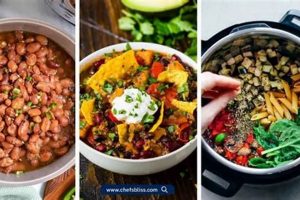
The practice of preparing and consuming plant-based sustenance while undertaking outdoor recreational activities, such as overnight stays in natural environments, constitutes a specific dietary approach. This involves utilizing ingredients derived solely from plants, excluding all animal products like meat, dairy, eggs, and honey, in the creation of meals designed for consumption during camping trips. Examples encompass preparing lentil stews in portable cookstoves, assembling vegetable-based wraps for convenient consumption on hiking trails, or baking bread on campfires.
Adopting a plant-based approach to outdoor dining presents several advantages. It aligns with ethical considerations concerning animal welfare and promotes environmental sustainability by reducing the carbon footprint associated with animal agriculture. Furthermore, it can offer health benefits through the consumption of nutrient-rich, whole plant foods. Historically, utilizing local, seasonal vegetation for sustenance while traveling or residing temporarily in natural settings has been a long-standing practice across various cultures and regions.
Subsequent discussions will delve into various facets of preparing nutritious and delicious plant-based food suitable for outdoor excursions. Topics to be covered include planning considerations, essential equipment, recipe ideas tailored to different skill levels and environments, and strategies for safe food storage and waste management in the wilderness.
Essential Considerations for Plant-Based Outdoor Sustenance
Effective planning and execution are crucial for successful plant-based meals during outdoor excursions. The following tips offer guidance on maximizing nutrition, minimizing environmental impact, and ensuring safe food handling in the wilderness.
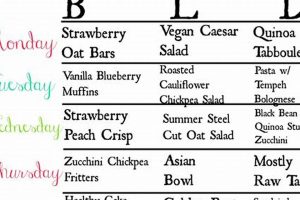
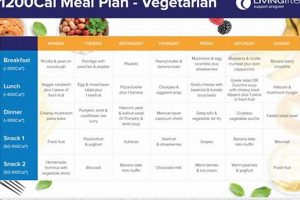
Tip 1: Meticulous Pre-Trip Planning: Develop a detailed meal plan encompassing all meals and snacks for the duration of the trip. Accurate estimation of food quantities minimizes waste and reduces pack weight.
Tip 2: Prioritize Lightweight and Shelf-Stable Ingredients: Opt for dehydrated legumes, grains, nuts, seeds, and dried fruits to minimize weight and spoilage risk. Vacuum-sealed or retort-pouched options can extend shelf life without refrigeration.
Tip 3: Invest in Appropriate Storage Solutions: Utilize waterproof and airtight containers to protect food from moisture, pests, and temperature fluctuations. Bear-resistant canisters may be necessary in areas with wildlife activity.
Tip 4: Master Campfire Cooking Techniques: Practice safe campfire building and maintenance. Invest in a portable cooking stove for reliable and controlled heat in various weather conditions. Consider fuel efficiency when selecting a stove type.
Tip 5: Emphasize Simple and Efficient Recipes: Focus on recipes requiring minimal ingredients, preparation time, and cleanup. One-pot meals and foil packet cooking can simplify the cooking process.
Tip 6: Practice Proper Food Safety Protocols: Maintain strict hygiene practices, including handwashing with biodegradable soap and potable water. Utilize separate cutting boards and utensils for raw and cooked foods.
Tip 7: Implement Leave No Trace Principles: Pack out all food scraps, packaging, and waste materials. Adhere to established waste disposal guidelines in designated camping areas.
Tip 8: Forage Responsibly and Only When Permitted: Confirm the edibility of foraged plants with certainty, respecting local regulations and avoiding overharvesting. Never consume wild plants without positive identification.
Adhering to these principles ensures a safe, enjoyable, and environmentally responsible experience when preparing and consuming plant-based meals during outdoor endeavors.
The subsequent sections will further expand on specific recipe recommendations and advanced preparation techniques for plant-based camp cuisine.
1. Nutritional Adequacy

Nutritional adequacy is paramount when planning plant-based meals for outdoor recreational activities. Prolonged physical exertion necessitates sufficient caloric intake and a balanced macronutrient profile to sustain energy levels and promote recovery. A deficiency in essential nutrients can lead to diminished performance, fatigue, and increased susceptibility to illness, thereby detracting from the overall wilderness experience. Specifically, adequate protein intake is vital for muscle repair and maintenance, while sufficient carbohydrate consumption fuels strenuous activity. Consideration of micronutrient requirements, such as iron, calcium, and vitamin B12, is equally important, as plant-based diets may require strategic planning to ensure optimal levels. For instance, incorporating fortified foods or supplements into a plant-based camping menu may be necessary to prevent deficiencies, particularly on extended trips.
The impact of nutritional inadequacy extends beyond immediate physical effects. Chronic nutrient deficiencies can compromise immune function and increase the risk of long-term health problems. Furthermore, inadequate food intake, regardless of dietary composition, can negatively affect cognitive function and decision-making abilities, crucial aspects of safe navigation and problem-solving in outdoor environments. Therefore, a well-structured plant-based camping menu must incorporate a variety of nutrient-dense foods, such as legumes, nuts, seeds, whole grains, and an assortment of fruits and vegetables. Careful consideration must be given to proper food preparation techniques to maximize nutrient bioavailability. For example, soaking legumes before cooking reduces phytate content, thereby improving iron absorption.
In summary, nutritional adequacy is not merely a desirable attribute but a fundamental prerequisite for successful and safe plant-based outdoor endeavors. Prioritizing nutrient density and employing strategic meal planning techniques are essential to mitigating the risks associated with potential deficiencies. Through conscientious preparation and mindful consumption, individuals can harness the benefits of plant-based nutrition while ensuring optimal health and performance in the wilderness.
2. Ingredient Portability

The selection of ingredients significantly influences the feasibility and enjoyment of preparing plant-based meals during outdoor excursions. Ingredient portability, defined as the ease with which food items can be transported and stored without degradation, is a critical consideration for wilderness sustenance. This element dictates the range of viable meal options and directly impacts pack weight, preparation complexity, and overall trip logistics.
- Dehydration Techniques
Dehydration removes moisture, drastically reducing weight and inhibiting spoilage. This technique is applicable to fruits, vegetables, legumes, and grains. For example, dehydrated lentils weigh significantly less than canned lentils and require no refrigeration. However, rehydration necessitates access to potable water and sufficient preparation time.
- Vacuum Sealing
Vacuum sealing removes air, preventing oxidation and microbial growth, thereby extending shelf life. Nuts, seeds, and dried fruits benefit from this method. A vacuum-sealed package of trail mix remains fresher and less prone to rancidity compared to a resealable bag. This process requires specialized equipment and may not be feasible during longer trips.
- Utilizing Shelf-Stable Alternatives
Shelf-stable plant-based milks, protein powders, and pre-cooked grains offer convenient solutions without refrigeration. These products provide essential nutrients and reduce preparation time. For instance, a carton of plant-based milk can be consumed directly or used in oatmeal preparation. While convenient, they may contain additives or preservatives, impacting nutritional value.
- Strategic Packaging
Selecting appropriate packaging materials minimizes weight and protects ingredients from damage. Lightweight, waterproof bags and containers are essential. Reusable containers reduce waste and provide protection against crushing. Improper packaging can lead to food spoilage, contamination, or damage during transit.
Ingredient portability is not merely a matter of convenience; it is a fundamental aspect of responsible and enjoyable plant-based outdoor recreation. Careful consideration of dehydration, vacuum sealing, shelf-stable alternatives, and strategic packaging enables individuals to minimize pack weight, preserve food quality, and reduce environmental impact while embracing a plant-based diet in the wilderness. For example, choosing powdered peanut butter over traditional peanut butter reduces weight and eliminates the risk of oil separation. These choices demonstrate the integration of dietary preferences with practical considerations for outdoor environments.
3. Environmental Responsibility

The commitment to environmental responsibility is inextricably linked to the practice of preparing and consuming plant-based meals during outdoor excursions. The choices made regarding food sourcing, preparation, and waste disposal directly influence the ecological impact of such activities. Minimizing harm to the natural environment is a core principle of ethical outdoor practices.
- Reduced Carbon Footprint
Plant-based diets, in general, exhibit a significantly lower carbon footprint compared to diets reliant on animal products. Livestock agriculture is a major contributor to greenhouse gas emissions, deforestation, and water pollution. Adopting a plant-based approach to outdoor dining directly reduces demand for these environmentally intensive practices, minimizing the carbon footprint associated with food consumption.
- Minimized Water Consumption
The production of animal-derived foods requires substantially more water than plant-based alternatives. From irrigation of feed crops to direct animal consumption, water usage is a critical environmental concern. By opting for plant-based meals during camping trips, water consumption is reduced, contributing to the conservation of this essential resource, especially in arid or water-scarce regions.
- Sustainable Food Sourcing
Choosing locally sourced, seasonal produce supports regional agriculture and reduces transportation-related emissions. Selecting foods grown using sustainable farming practices minimizes the use of pesticides, herbicides, and synthetic fertilizers, protecting soil health and biodiversity. Careful consideration of food origins contributes to a more environmentally responsible approach to outdoor sustenance.
- Waste Reduction and Proper Disposal
Minimizing food packaging, utilizing reusable containers, and practicing proper waste disposal are essential components of environmental responsibility. Food scraps and packaging left behind contaminate ecosystems and attract wildlife, disrupting natural behaviors. Adhering to Leave No Trace principles, including packing out all waste, ensures the preservation of the natural environment for future generations.
These interconnected facets of environmental responsibility highlight the significant impact dietary choices have on ecological preservation. Through conscious planning and mindful execution, the preparation and consumption of plant-based meals during camping trips can become an act of environmental stewardship, aligning personal practices with broader ecological goals.
4. Campfire Adaptability

Campfire adaptability refers to the capacity of recipes, ingredients, and cooking methods to be successfully employed over an open flame, a prevalent heat source in many outdoor recreational settings. This consideration is paramount when planning plant-based meals, as not all vegan dishes are inherently suited to the fluctuating temperatures and often-unpredictable nature of campfire cooking.
- Heat Distribution Management
Campfires provide uneven heat distribution, necessitating techniques to mitigate scorching or undercooking. Utilizing cast iron cookware, strategically positioning food away from direct flames, and employing Dutch ovens to create a more consistent cooking environment are essential. Example: Stews and chili, prepared in a Dutch oven placed on embers, can simmer slowly and evenly, preventing burning and enhancing flavor development.
- Ingredient Resilience
Certain plant-based ingredients demonstrate greater resilience to the high heat and smoky conditions of campfire cooking. Dense vegetables like potatoes, carrots, and onions hold up well, while delicate greens may wilt excessively or char quickly. Example: Skewers featuring marinated tofu cubes interspersed with robust vegetables are more likely to withstand the heat than skewers laden with leafy greens.
- Smoke Infusion Considerations
Campfire smoke imparts a distinctive flavor profile to food. Selecting ingredients and recipes that complement this smoky characteristic enhances the overall dining experience. Overly delicate or subtly flavored dishes may be overwhelmed by smoke. Example: Corn on the cob, roasted directly over the embers, acquires a desirable smoky sweetness, while a lightly seasoned salad may absorb an unpleasant acrid taste.
- Safety and Fuel Efficiency
Campfire cooking requires adherence to safety protocols and efficient fuel management. Maintaining a controlled flame, preventing flare-ups, and using only designated firewood are critical. Selecting recipes that cook relatively quickly minimizes fuel consumption and reduces the risk of accidental fires. Example: Foil-packet meals, consisting of chopped vegetables and plant-based protein sources, cook rapidly over the embers, conserving fuel and minimizing cleanup.
Integrating campfire adaptability into the planning process allows for the creation of satisfying and sustainable plant-based meals in the outdoors. The capacity to effectively manage heat distribution, select resilient ingredients, consider smoke infusion, and prioritize safety directly contributes to a more enjoyable and environmentally responsible wilderness dining experience. By understanding these principles, individuals can maximize the potential of campfire cooking and create memorable vegan meals.
5. Minimal Food Waste
Food waste during outdoor recreational activities, particularly when adhering to a plant-based dietary approach, presents both ethical and practical challenges. The decomposition of discarded food attracts wildlife, disrupting natural ecosystems and potentially creating dependencies on human-provided sustenance. Furthermore, carrying excess food into the wilderness increases pack weight and logistical complexity, detracting from the overall experience. Consequently, minimizing food waste becomes an integral component of responsible plant-based meal planning for camping.
Effective strategies for reducing food waste in a camping context include meticulous pre-trip planning, accurate portion sizing, and the utilization of dehydrated or shelf-stable ingredients with extended expiration dates. For example, instead of transporting fresh produce prone to spoilage, one might opt for dehydrated vegetables or fruits that can be rehydrated as needed. Precise portion control, based on estimated caloric needs and activity levels, reduces the likelihood of preparing excess food. Utilizing reusable containers and packing out all food scraps and packaging further minimizes environmental impact. Uneaten portions can be repurposed into subsequent meals where feasible, promoting resourcefulness and reducing waste.
The overarching goal is to align dietary practices with principles of environmental stewardship. By minimizing food waste during vegan camping trips, individuals contribute to the preservation of natural ecosystems and promote sustainable outdoor recreational practices. The practical significance of this understanding lies in its direct impact on minimizing ecological disruption and fostering a more responsible relationship with the wilderness. The successful implementation of these strategies demonstrates a commitment to both personal dietary choices and the broader environmental context.
Frequently Asked Questions
The following questions address common inquiries and concerns regarding the preparation and consumption of plant-based meals during outdoor recreational activities, providing informative answers to aid in effective planning and execution.
Question 1: How does one ensure adequate protein intake on a plant-based camping diet?
Protein requirements can be met through strategic inclusion of plant-based protein sources such as lentils, beans, quinoa, tofu, tempeh, nuts, and seeds. Combining different sources throughout the day provides a complete amino acid profile. Portion sizes should be adjusted based on activity levels and individual needs.
Question 2: What are the most effective strategies for minimizing food waste during camping trips?
Meticulous meal planning, accurate portioning, utilization of dehydrated foods, and repurposing leftovers are effective waste reduction strategies. All food scraps and packaging should be packed out and disposed of responsibly, adhering to Leave No Trace principles.
Question 3: How can one safely prepare plant-based meals when access to potable water is limited?
Water conservation measures include utilizing water purification methods, minimizing water-intensive cooking processes, and selecting recipes that require minimal water. Dehydrated meals that require rehydration are an option, but careful consideration must be given to water availability.
Question 4: What are the potential health risks associated with a poorly planned plant-based camping diet?
Inadequate intake of essential nutrients, such as iron, vitamin B12, calcium, and omega-3 fatty acids, can lead to deficiencies and health complications. Careful planning and supplementation may be necessary to address these potential risks, especially on extended trips.
Question 5: How does campfire cooking impact the nutritional value of plant-based foods?
Excessive heat exposure can degrade certain vitamins and minerals. Employing techniques such as foil packet cooking and indirect heat exposure can help preserve nutrient content. Shorter cooking times are generally preferable.
Question 6: What are the legal and ethical considerations regarding foraging for wild plants in a camping setting?
Foraging is subject to local regulations and permits. It is imperative to positively identify edible plants to avoid consuming toxic species. Sustainable harvesting practices should be employed to minimize environmental impact and preserve plant populations.
Careful planning and informed decision-making are paramount for ensuring a safe, nutritious, and environmentally responsible experience when preparing and consuming plant-based meals during outdoor excursions.
The subsequent discussion will delve into specific recipe recommendations tailored for various camping environments and skill levels.
Vegan Meals Camping
The preceding exploration has illuminated the multifaceted aspects of vegan meals camping. Key areas of focus encompassed nutritional considerations, ingredient selection for portability, environmental responsibility in food choices, adaptability of recipes to campfire cooking, and strategies for minimizing food waste. The convergence of these factors is crucial for responsible and enjoyable plant-based sustenance in wilderness settings. A thorough comprehension of these principles facilitates informed decision-making and effective planning.
The successful integration of plant-based dietary practices with outdoor recreational pursuits hinges on a commitment to both personal well-being and ecological stewardship. Continued adherence to these principles ensures a sustained harmony between human activity and the preservation of natural environments, enabling future generations to experience the benefits of both plant-based living and wilderness exploration. The thoughtful application of these concepts contributes significantly to a more sustainable and conscientious approach to outdoor recreation.