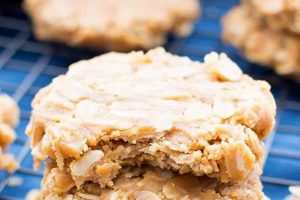
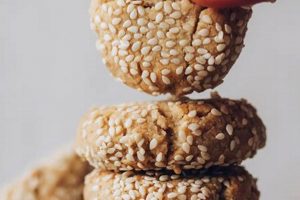
The subject represents a category of baked goods crafted without animal-derived ingredients. These treats incorporate macadamia nuts, prized for their rich, buttery flavor and smooth texture, as a key component. Preparation methods often substitute traditional dairy butter and eggs with plant-based alternatives such as coconut oil, nut butters, or flaxseed meal. The final product yields a palatable and ethically conscious confection.
The appeal of these items lies in several factors. They cater to individuals adhering to a vegan lifestyle, offering a satisfying dessert option that aligns with their dietary choices. The inclusion of macadamia nuts provides valuable nutrients like healthy fats and fiber. Furthermore, the substitution of animal products with plant-based alternatives can contribute to a reduced environmental footprint. Historically, the development of this category reflects a growing awareness of ethical consumption and dietary diversity.
The following discussion will explore specific ingredient substitutions used in achieving desired texture and flavor, examine variations in recipe formulation, and address considerations for achieving optimal baking results in the absence of traditional dairy and egg components.
Tips for Vegan Macadamia Nut Cookies
Achieving optimal results when preparing these baked goods requires careful attention to ingredient selection and baking techniques, especially given the absence of conventional dairy and eggs.
Tip 1: Optimize Fat Selection. Choose high-quality vegan butter alternatives or refined coconut oil. These fats contribute to the desired tenderness and richness, mimicking the role of dairy butter in traditional recipes. Ensure the chosen fat is chilled or slightly softened, depending on the specific recipe instructions, to achieve the correct dough consistency.
Tip 2: Utilize Binding Agents Effectively. Flaxseed meal or chia seeds, when mixed with water, create a gelatinous binder that replaces the emulsifying properties of eggs. Prepare the “flax egg” or “chia egg” (typically 1 tablespoon of ground flaxseed or chia seeds mixed with 3 tablespoons of water, allowed to sit for 5-10 minutes) and incorporate it into the wet ingredients. This step is critical for ensuring the cookies hold their shape during baking.
Tip 3: Control Sugar Levels. While granulated sugar is often vegan-friendly, consider using a combination of granulated and brown sugar. Brown sugar provides a subtle molasses flavor and contributes to a chewier texture. Adjust sugar levels based on the desired sweetness, but be mindful of its impact on dough spread during baking.
Tip 4: Employ Precise Measurement. Vegan baking, in general, is more sensitive to ingredient ratios than traditional baking. Use a kitchen scale to measure dry ingredients by weight whenever possible. Accurate measurement minimizes the risk of overly dry or overly wet dough, leading to inconsistent cookie texture.
Tip 5: Incorporate High-Quality Macadamia Nuts. Select fresh, whole macadamia nuts. Lightly toasting the nuts before incorporating them into the dough enhances their flavor and crispness. Chop the nuts into uniform pieces to ensure even distribution throughout the finished product.
Tip 6: Mind the Oven Temperature. Oven temperature significantly impacts cookie texture. Use an oven thermometer to ensure the oven is accurately preheated to the specified temperature. Bake on the middle rack to promote even heat distribution and prevent burning on the bottom.
Tip 7: Monitor Baking Time Carefully. These items tend to brown more quickly than conventional ones. Begin checking for doneness a few minutes before the recipe’s recommended baking time. The edges should be lightly golden, and the centers should appear set but still slightly soft. Overbaking leads to dry, crumbly results.
Implementing these guidelines allows for the production of palatable and visually appealing vegan treats. Consistent adherence to precise ingredient ratios and baking techniques proves essential for achieving favorable outcomes.
Moving forward, we will delve into common troubleshooting issues and methods for addressing them.
1. Ingredient Substitution

Ingredient substitution forms the bedrock of producing vegan macadamia nut cookies. The absence of animal-derived ingredients necessitates the replacement of traditional components, each substitution influencing the final product’s texture, flavor, and overall structure. For instance, dairy butter, a standard in conventional recipes, is typically replaced with plant-based alternatives such as coconut oil, vegan butter sticks (often composed of vegetable oil blends), or even nut butters themselves. The choice among these significantly affects the cookie’s spread during baking and its resulting chewiness or crispness. Similarly, eggs, used for binding and leavening, are often substituted with flaxseed meal mixed with water (“flax egg”) or commercially available egg replacers. The success of vegan macadamia nut cookies hinges on understanding the specific roles of these conventional ingredients and selecting appropriate plant-based counterparts that effectively mimic their properties.
The practical impact of ingredient substitution extends beyond simply omitting animal products. The alterations often require adjustments to baking times and temperatures. For example, vegan butter alternatives may have a lower melting point than dairy butter, causing cookies to spread more rapidly in the oven. Furthermore, the hygroscopic properties (water-absorbing ability) of certain substitutes, like flaxseed meal, can affect the moisture content of the dough, potentially leading to a drier final product. Therefore, recipes frequently incorporate slightly higher ratios of liquid ingredients or adjustments to the overall flour content to compensate for these differences. Experimentation and careful monitoring during the baking process are often essential to fine-tune the recipe and achieve the desired consistency and texture.
In summary, ingredient substitution is not a mere replacement exercise but a critical process that fundamentally reshapes the properties of the cookie. Each plant-based ingredient selected carries specific characteristics that influence the final outcome. Mastering this understanding of ingredient behavior, coupled with careful attention to baking variables, is essential to creating palatable and structurally sound vegan macadamia nut cookies. Challenges remain in consistently replicating the exact texture and flavor profiles of their conventional counterparts, emphasizing the ongoing evolution and refinement within the realm of vegan baking.
2. Nutrient composition

Nutrient composition is a crucial aspect when considering vegan macadamia nut cookies. The substitution of traditional ingredients with plant-based alternatives significantly alters the nutritional profile, impacting the levels of macronutrients, micronutrients, and overall dietary value. The following explores key facets of nutrient composition within this specific baked context.
- Macadamia Nut Profile
Macadamia nuts contribute a substantial amount of monounsaturated fats, known for their potential cardiovascular benefits. These nuts also provide dietary fiber, vitamin B1, and minerals such as manganese and magnesium. The presence of these nutrients elevates the nutritional value compared to cookies made solely from refined carbohydrates and saturated fats. However, macadamia nuts are calorie-dense, which warrants moderation in consumption.
- Fat Source Alterations
The replacement of dairy butter with coconut oil or vegan butter alternatives impacts the fatty acid composition. Coconut oil is high in saturated fat, whereas vegan butter sticks often contain a blend of unsaturated and saturated fats. The type and proportion of these fats influence the cookies’ impact on cholesterol levels and overall heart health. Consumers should carefully examine the ingredient list and nutritional information to make informed choices.
- Sugar Content and Glycemic Index
Regardless of being vegan, cookies typically contain a significant amount of added sugars, which can contribute to rapid increases in blood glucose levels. The glycemic index (GI) of the final product depends on the type of sweetener used. Opting for natural sweeteners, such as maple syrup or coconut sugar, may provide some micronutrients but still contribute to overall sugar intake. Controlling portion sizes and frequency of consumption is crucial, especially for individuals managing diabetes or insulin resistance.
- Protein and Fiber Contribution
The inclusion of flaxseed meal as an egg replacement increases the protein and fiber content, albeit in small amounts. Furthermore, using whole wheat flour instead of refined white flour can substantially boost the fiber content, leading to a slower release of glucose into the bloodstream and promoting satiety. These additions provide a modest improvement in the overall nutritional profile, distinguishing them from cookies primarily composed of refined carbohydrates and fats.
In summary, the nutrient composition of vegan macadamia nut cookies is a complex interplay between the inherent properties of macadamia nuts and the effects of ingredient substitutions. While offering some beneficial nutrients, such as monounsaturated fats and fiber, it is essential to consider the overall sugar and fat content. Consumers should prioritize mindful consumption and incorporate these treats as part of a balanced dietary pattern.
3. Texture development

The pursuit of optimal texture represents a central challenge in the formulation and production of vegan macadamia nut cookies. The absence of animal-derived ingredients, particularly eggs and dairy butter, necessitates careful manipulation of plant-based components to replicate the desired mouthfeel and structural integrity characteristic of conventional cookies.
- Fat Selection and Spread
The type of fat utilized significantly influences the cookie’s spread during baking, directly impacting its final texture. Coconut oil, due to its relatively low melting point, tends to promote a wider, flatter cookie with a crispier edge. Conversely, firmer vegan butter alternatives contribute to a thicker, chewier texture by limiting spread. The proportion of fat to other ingredients must be precisely calibrated to achieve the intended consistency.
- Flour Type and Gluten Development
The choice of flour, specifically its gluten content, plays a critical role in determining the cookie’s chewiness or crumbly nature. All-purpose flour, with a moderate gluten level, provides a balance between structure and tenderness. Lower-protein flours, such as cake flour, result in a more delicate, crumbly texture. Overmixing the dough can lead to excessive gluten development, resulting in a tough, undesirable outcome.
- Sugar Ratio and Caramelization
The ratio of granulated sugar to brown sugar affects both the sweetness and texture. Brown sugar, containing molasses, contributes to a chewier texture and a slightly softer interior due to its hygroscopic properties. Furthermore, the degree of caramelization during baking influences the crispness of the edges. Higher baking temperatures and longer baking times promote increased caramelization, resulting in a more pronounced crisp texture.
- Binding Agents and Moisture Retention
Vegan binding agents, such as flaxseed meal or chia seeds mixed with water, replace the emulsifying and binding properties of eggs. These agents contribute to moisture retention and structural integrity, preventing the cookies from becoming overly dry or crumbly. However, excessive use of binding agents can lead to a gummy texture, necessitating careful control of the quantity used.
In essence, the texture of vegan macadamia nut cookies is a delicate interplay of fat selection, flour type, sugar ratio, and binding agent utilization. Achieving the desired outcome requires a comprehensive understanding of the properties of each ingredient and their impact on the final product’s structural and sensory characteristics. Experimentation and meticulous adjustments to recipe parameters are often necessary to optimize the texture profile and deliver a satisfying culinary experience.
4. Flavor balance

The successful creation of vegan macadamia nut cookies hinges significantly on achieving a harmonious flavor balance. The absence of traditional dairy and egg components necessitates careful consideration of plant-based alternatives and their interaction with the inherent flavors of macadamia nuts. Imbalances can result in a final product that is either bland, overly sweet, or dominated by a single ingredient, diminishing the overall palatability. For instance, an excessive amount of coconut oil, used as a butter substitute, can impart an overpowering coconut flavor that masks the delicate buttery notes of the macadamia nuts. Similarly, an overabundance of maple syrup, employed as a sweetener, can create a cloyingly sweet profile that lacks complexity. Therefore, the selection and proportioning of ingredients must be meticulously managed to ensure a well-rounded and satisfying taste experience.
Achieving flavor equilibrium often involves strategic layering of complementary flavors. A touch of vanilla extract, for example, can enhance the perceived sweetness and depth of the cookie without contributing excessive sugar. A pinch of sea salt can amplify the existing flavors and provide a contrasting element that prevents the cookie from becoming monotonous. Furthermore, the use of spices such as cinnamon or nutmeg can introduce warmth and complexity, particularly when paired with the rich nuttiness of macadamia nuts. In practical application, a recipe might call for a combination of coconut oil and a neutral-tasting vegan butter to moderate the coconut flavor. A blend of granulated sugar and brown sugar can contribute both sweetness and a subtle molasses note, adding further layers of flavor. The strategic addition of these elements transforms the final product from a simple sweet treat to a complex and nuanced culinary experience.
In conclusion, flavor balance is not merely an aesthetic consideration but a critical component that defines the overall success of vegan macadamia nut cookies. The thoughtful selection and proportioning of plant-based ingredients, coupled with the strategic layering of complementary flavors, is essential for achieving a harmonious and satisfying taste profile. Overcoming challenges in replicating the complex flavors of traditional dairy and egg-based cookies requires a keen understanding of flavor interactions and a willingness to experiment with different combinations. The successful application of these principles ensures that the final product is not only vegan-friendly but also a delicious and memorable culinary creation.
5. Ethical sourcing

The increasing demand for plant-based food options has amplified the importance of ethical sourcing within the vegan food industry. This consideration extends to the production of vegan macadamia nut cookies, necessitating scrutiny of the origins and cultivation practices of all constituent ingredients.
- Macadamia Nut Cultivation
Macadamia nut farming can have environmental consequences, including deforestation and pesticide use. Ethical sourcing involves selecting macadamia nuts from suppliers that adhere to sustainable agricultural practices, such as minimizing pesticide application, conserving water resources, and protecting biodiversity. Verification of sustainable practices can be achieved through certifications like Fair Trade or organic certifications.
- Labor Practices
Macadamia nut harvesting and processing often involve manual labor. Ethical sourcing mandates that workers involved in the production chain are treated fairly, receive adequate compensation, and work under safe conditions. Transparency in the supply chain is crucial to ensure that labor standards are upheld, and worker exploitation is prevented.
- Palm Oil Considerations
Some vegan butter alternatives used in these cookies contain palm oil. Palm oil production has been linked to deforestation and habitat loss, particularly in Southeast Asia. Ethical sourcing entails selecting vegan butter that utilizes sustainably sourced palm oil, certified by organizations like the Roundtable on Sustainable Palm Oil (RSPO), to minimize environmental impact.
- Fair Trade Ingredients
Ingredients such as sugar or vanilla extract, if included, can also be sourced through Fair Trade channels. Fair Trade certification ensures that farmers and producers in developing countries receive a fair price for their goods, promoting economic empowerment and community development. Utilizing Fair Trade ingredients contributes to a more ethically responsible final product.
In summary, ethical sourcing is an integral component of producing vegan macadamia nut cookies that align with ethical and environmental values. By carefully evaluating the origins and production methods of each ingredient, manufacturers and consumers can support sustainable practices and contribute to a more responsible food system.
6. Baking precision

The successful creation of vegan macadamia nut cookies relies heavily on precise execution during the baking process. Deviations from established parameters can significantly impact the final product’s texture, flavor, and overall quality, particularly given the modified ingredient profiles inherent in vegan baking.
- Oven Temperature Calibration
Oven temperature accuracy is paramount. Underheated ovens can lead to cookies that spread excessively and lack proper browning, while overheated ovens result in burnt edges and undercooked centers. Using an oven thermometer to verify and, if necessary, adjust the oven’s internal temperature ensures consistent results. A difference of even 10 degrees Fahrenheit can alter the cookie’s structural integrity.
- Ingredient Measurement Accuracy
Precise measurement of ingredients is critical, especially with plant-based alternatives. Volume measurements, often used for flour and sugar, can vary significantly based on packing density. Employing a kitchen scale for weight-based measurements minimizes these inconsistencies, leading to more predictable dough consistency and a more uniform final product. This is particularly important for ingredients like flaxseed meal, where slight variations can drastically affect binding properties.
- Baking Time Management
Vegan cookies often brown more rapidly than conventional counterparts due to variations in sugar caramelization and Maillard reaction kinetics. Close monitoring of baking time is essential to prevent overbaking, which can result in dry, crumbly cookies. Visual cues, such as lightly golden edges and a set but slightly soft center, should be used to determine doneness, rather than relying solely on recipe-specified times. Adjustments may be necessary based on oven performance and altitude.
- Dough Chilling Control
Chilling the dough before baking is often recommended to prevent excessive spreading. However, the optimal chilling duration varies depending on the fat content and type used. Over-chilling can lead to a dense, hard cookie, while insufficient chilling results in a flat, greasy outcome. Careful control of the chilling process, taking into account the specific recipe formulation, is necessary to achieve the desired texture.
The cumulative effect of these precision-oriented techniques directly influences the sensory attributes of vegan macadamia nut cookies. By adhering to rigorous standards of oven calibration, ingredient measurement, baking time management, and dough chilling control, bakers can consistently produce high-quality, palatable vegan treats that effectively showcase the unique flavor and textural characteristics of macadamia nuts while adhering to ethical dietary guidelines.
Frequently Asked Questions
This section addresses common inquiries and misconceptions surrounding the formulation, preparation, and consumption of vegan macadamia nut cookies. The information provided aims to offer clarity and promote informed decision-making.
Question 1: What are the primary differences between vegan and traditional macadamia nut cookies?
The principal distinction lies in the absence of animal-derived ingredients in the vegan variant. Traditional recipes typically incorporate dairy butter and eggs, which are replaced with plant-based alternatives such as coconut oil, vegan butter substitutes, and flaxseed meal (as an egg replacement) in the vegan formulation. This necessitates adjustments to ingredient ratios and baking techniques to achieve comparable texture and flavor.
Question 2: Are vegan macadamia nut cookies nutritionally equivalent to their traditional counterparts?
The nutritional profiles differ due to ingredient substitutions. Vegan cookies may contain higher levels of certain unsaturated fats (depending on the plant-based fat source used) and potentially more fiber if whole grains or flaxseed meal are incorporated. However, sugar content and overall calorie density remain comparable to traditional cookies, necessitating mindful consumption.
Question 3: What are the most common challenges in baking vegan macadamia nut cookies, and how can they be overcome?
Common challenges include achieving the desired texture and preventing excessive spreading during baking. These issues can be mitigated by using high-quality vegan butter substitutes, chilling the dough before baking, and precisely measuring ingredients. Experimentation with different flaxseed meal-to-water ratios (for egg replacement) may also be necessary to optimize binding.
Question 4: How does the shelf life of vegan macadamia nut cookies compare to that of traditional cookies?
The shelf life is generally similar, typically ranging from 3 to 5 days when stored in an airtight container at room temperature. However, the use of certain plant-based ingredients, such as coconut oil, may slightly alter the rate of staling. Proper storage is essential to maintain freshness and prevent spoilage.
Question 5: Are there specific brands of vegan butter or egg replacers that are recommended for baking vegan macadamia nut cookies?
The selection of vegan butter and egg replacers is subjective and depends on individual preferences. However, reputable brands that offer consistent results and neutral flavors are generally preferred. Reading product reviews and experimenting with different brands is recommended to determine the most suitable options for specific recipes.
Question 6: Can vegan macadamia nut cookies be adapted for individuals with gluten sensitivities or nut allergies (beyond macadamia nuts)?
Modifications can be made to accommodate gluten sensitivities by using gluten-free flour blends. However, adapting the recipe for nut allergies (beyond macadamia nuts) is complex and depends on the specific allergy. Thoroughly reviewing all ingredient labels and avoiding cross-contamination are crucial precautions. In cases of severe allergies, consulting with a qualified allergist or registered dietitian is strongly advised.
In summary, vegan macadamia nut cookies offer a plant-based alternative to traditional recipes, requiring careful ingredient selection and precise baking techniques to achieve optimal results. Mindful consumption and consideration of potential allergens are essential.
The following section will explore advanced recipe variations and flavor enhancements.
Conclusion
The preceding discussion has thoroughly examined various facets of vegan macadamia nut cookies, ranging from ingredient substitutions and nutrient composition to ethical sourcing and baking precision. Successful formulation necessitates a comprehensive understanding of plant-based ingredient properties and their impact on texture, flavor, and structural integrity. Challenges remain in replicating the exact sensory characteristics of traditional counterparts, requiring ongoing refinement of recipes and techniques.
The future of vegan macadamia nut cookies lies in continued innovation in plant-based ingredient development and a heightened focus on sustainable sourcing practices. As consumer demand for ethical and environmentally conscious food options expands, the importance of transparent supply chains and responsible production methods will only intensify. Further research into alternative sweeteners and fat sources could potentially enhance the nutritional profile and broaden the appeal of this category of baked goods.