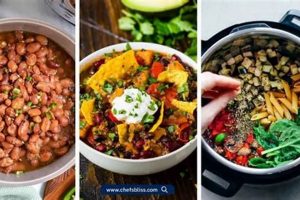
The practice of preparing plant-based midday meals in advance is a strategy focused on efficiency and adherence to a specific dietary lifestyle. It typically involves planning, shopping, and cooking large batches of food, which are then portioned into individual containers for consumption throughout the week. A typical example would be assembling quinoa salad bowls with roasted vegetables and a tahini dressing on Sunday evening for consumption during the work week.
This approach offers several advantages, including time savings, reduced food waste, and improved dietary control. By pre-planning meals, individuals can avoid impulsive food choices and maintain a consistent intake of nutritious, plant-based foods. Historically, meal preparation has been utilized as a method to manage resources and ensure access to sustenance, evolving from basic survival techniques to a contemporary lifestyle choice centered on health and convenience.
The subsequent sections will delve into specific recipes, practical tips for successful execution, and considerations for nutritional adequacy, providing a comprehensive guide for those seeking to integrate this method into their routine.
Strategies for Effective Advance Plant-Based Midday Meal Preparation
The following guidelines aim to optimize the process, ensuring both efficiency and nutritional value in the preparation of plant-based midday meals.
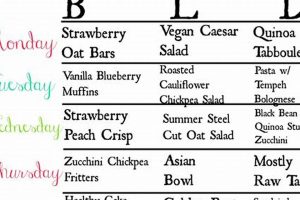
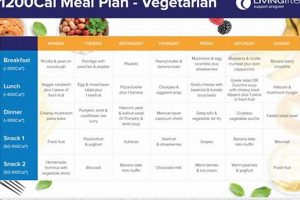
Tip 1: Plan a Weekly Menu. Develop a detailed schedule outlining each meal for the week. This proactive measure reduces decision fatigue and streamlines the grocery shopping process. For example, allocate specific days for legume-based dishes, grain-based salads, and vegetable stir-fries.
Tip 2: Prioritize Durable Produce. Select fruits and vegetables that maintain their quality over several days. Options include root vegetables (carrots, potatoes), cruciferous vegetables (broccoli, cauliflower), and sturdy greens (kale, spinach). These items resist spoilage and retain nutritional value longer.
Tip 3: Master Batch Cooking. Prepare large quantities of staple ingredients like grains (quinoa, rice), legumes (beans, lentils), and roasted vegetables. These can then be incorporated into various meals throughout the week, minimizing daily cooking time.
Tip 4: Invest in Appropriate Storage Containers. Utilize airtight containers to preserve freshness and prevent cross-contamination of flavors. Glass containers are preferable for reheating as they do not leach chemicals into the food. Consider portioning meals into individual containers immediately after cooking.
Tip 5: Focus on Nutritional Balance. Each meal should contain a balance of macronutrients, including protein, carbohydrates, and healthy fats. Incorporate protein sources such as tofu, tempeh, or beans; complex carbohydrates from whole grains or vegetables; and healthy fats from avocados, nuts, or seeds.
Tip 6: Implement Proper Cooling Procedures. Allow cooked food to cool to room temperature before refrigerating to prevent condensation buildup. Store meals in the refrigerator at a temperature below 40F (4C) to inhibit bacterial growth.
Tip 7: Embrace Flavor Variation. Prevent meal fatigue by incorporating a variety of spices, herbs, and sauces. Prepare different dressing options for salads or marinades for tofu to add diversity to the weekly menu.
Adherence to these guidelines will facilitate a more efficient and nutritionally sound experience, ultimately contributing to a sustainable and healthy lifestyle.
The subsequent sections will examine specific recipe applications and address potential challenges, further solidifying the reader’s understanding of the process.
1. Ingredient Selection

Ingredient selection is a foundational element in the successful execution of plant-based midday meal preparation. The choices made directly influence nutritional adequacy, palatability, and the overall practicality of the process. Careful consideration is therefore paramount.
- Nutrient Density
Prioritizing nutrient-dense ingredients ensures each meal contributes significantly to overall dietary needs. Dark leafy greens (spinach, kale), legumes (lentils, chickpeas), and whole grains (quinoa, brown rice) provide essential vitamins, minerals, fiber, and protein. For example, incorporating a cup of cooked lentils into a meal offers a substantial dose of protein and iron, critical for individuals following a plant-based diet.
- Seasonality and Locality
Selecting produce that is in season and locally sourced maximizes flavor and minimizes environmental impact. Seasonal fruits and vegetables are typically more affordable and offer peak nutritional value. Purchasing from local farmers’ markets supports regional agriculture and reduces the carbon footprint associated with transportation. An example would be using summer tomatoes for a salad or winter squash for a soup.
- Storage Considerations
The durability of ingredients is a key factor in the context of advance meal preparation. Choosing items with extended shelf lives reduces the risk of spoilage and waste. Root vegetables (carrots, potatoes), cruciferous vegetables (broccoli, cauliflower), and firm fruits (apples, oranges) are well-suited for storage and retain their quality over several days. Conversely, delicate greens or easily bruised fruits should be used earlier in the week.
- Protein Sources
Adequate protein intake is essential for satiety and overall health. Incorporating diverse plant-based protein sources into each meal is crucial. Tofu, tempeh, seitan, beans, lentils, and quinoa are all excellent options. Marinating tofu or tempeh prior to cooking can enhance flavor and texture, making them more appealing as a central component of the meal.
The careful selection of ingredients, encompassing nutrient density, seasonality, storage capabilities, and protein sources, significantly impacts the viability and nutritional completeness of advance plant-based midday meal preparation. Adherence to these principles contributes to a sustainable and healthful dietary approach.
2. Nutritional Balance

Achieving nutritional balance is a paramount concern when implementing advance preparation of plant-based midday meals. A well-planned approach ensures adequate intake of essential nutrients, mitigating potential deficiencies associated with restrictive diets. This balance is not merely a consideration but a fundamental requirement for long-term health and sustainability of the dietary regimen.
- Macronutrient Ratios
Maintaining appropriate macronutrient ratiosprotein, carbohydrates, and fatsis crucial for energy provision and physiological function. Plant-based meal preparation should prioritize complex carbohydrates from whole grains and vegetables, sufficient protein from legumes, tofu, or tempeh, and healthy fats from avocados, nuts, or seeds. A balanced ratio supports satiety and prevents energy crashes throughout the day. For instance, a meal consisting solely of steamed vegetables may be deficient in protein and fats, leading to hunger and potential nutrient deficiencies.
- Micronutrient Adequacy
Ensuring adequate intake of micronutrientsvitamins and mineralsis essential for optimal health. Plant-based diets may require careful planning to obtain sufficient vitamin B12, iron, calcium, and vitamin D. Fortified foods, supplementation, and strategic ingredient selection can address these potential deficiencies. Including a variety of colorful vegetables in each meal can enhance micronutrient intake. An example is the addition of fortified nutritional yeast to provide vitamin B12, which is not naturally abundant in plant-based foods.
- Fiber Intake
Adequate fiber consumption is a key benefit of plant-based diets, contributing to digestive health, satiety, and blood sugar control. Whole grains, legumes, fruits, and vegetables are excellent sources of fiber. Pre-prepared meals should prioritize these ingredients to ensure sufficient fiber intake. A simple example includes incorporating beans or lentils into a salad or soup to increase its fiber content and promote feelings of fullness.
- Omega-3 Fatty Acids
Obtaining sufficient omega-3 fatty acids, particularly EPA and DHA, can be a challenge on a plant-based diet. While ALA, a precursor to EPA and DHA, is found in flaxseeds, chia seeds, and walnuts, the conversion rate to EPA and DHA is often limited. Supplementation with algae-based omega-3 oils can be considered to ensure adequate intake, particularly for individuals with specific health concerns or dietary restrictions. Including flaxseeds in a prepared salad dressing is one way to incorporate some omega-3s into the meal, even if not sufficient alone.
The effective integration of these facets into advance plant-based midday meal planning ensures a nutritionally balanced diet. Vigilant attention to macronutrient ratios, micronutrient adequacy, fiber intake, and omega-3 fatty acids is critical for long-term health and well-being. The application of these principles transforms plant-based meal preparation from a mere convenience into a strategic approach to optimal nutrition.
3. Storage Solutions

The effectiveness of plant-based midday meal preparation is intrinsically linked to appropriate storage solutions. Without proper preservation techniques, the benefits of advance food preparationtime savings, dietary control, and reduced food wasteare significantly diminished. Deterioration of food quality, bacterial growth, and compromised nutritional value can all result from inadequate storage methods. For example, a meticulously prepared salad with delicate greens can quickly become wilted and unappetizing if stored in a container that doesn’t prevent moisture buildup.
The selection of appropriate containers is paramount. Airtight containers are essential to minimize exposure to oxygen, which accelerates spoilage. Glass containers are often preferred for their non-reactive properties and ease of cleaning, while BPA-free plastic containers offer a lightweight and durable alternative. Portioning individual meals into separate containers immediately after preparation is a crucial step in maintaining freshness and preventing cross-contamination. For example, layering ingredients in a mason jardressing at the bottom, followed by sturdy vegetables, grains, and leafy greens on topcan prevent the salad from becoming soggy. Furthermore, proper temperature control is crucial. Cooked meals should be cooled to room temperature before refrigeration to prevent condensation and stored at a temperature below 40F (4C) to inhibit bacterial growth.
In conclusion, effective storage solutions are not merely an ancillary consideration but an integral component of successful plant-based midday meal preparation. Investing in appropriate containers, implementing proper cooling procedures, and understanding the impact of environmental factors on food quality are essential for maximizing the benefits of this dietary strategy. While challenges such as limited refrigerator space or the initial cost of high-quality containers may arise, the long-term benefits of reduced food waste, improved dietary adherence, and enhanced food safety outweigh these obstacles, solidifying the critical role of effective storage.
4. Time Management

Efficient allocation of time is a critical determinant in the successful integration of plant-based midday meal preparation into a daily routine. Effective time management minimizes the burden associated with preparing meals in advance, maximizing convenience and promoting adherence to the dietary practice.
- Dedicated Preparation Window
Establishing a specific, recurring time period for meal preparation is fundamental. Allocating a block of time, typically on a weekend or designated weekday evening, allows for focused attention on planning, shopping, and cooking. This preemptive strategy minimizes the likelihood of resorting to less healthy, time-constrained alternatives during the week. An example is dedicating Sunday afternoon to preparing meals for the subsequent work week.
- Strategic Batch Cooking
Batch cooking is a technique wherein large quantities of staple ingredients or entire meals are prepared at once. This approach significantly reduces the total time spent cooking throughout the week. Grains, legumes, and roasted vegetables are particularly well-suited for batch preparation. Preparing a large pot of quinoa or lentils on Sunday provides the foundation for several different meals during the week, each requiring minimal additional preparation.
- Optimized Grocery Shopping
Efficient grocery shopping streamlines the meal preparation process. Planning a detailed shopping list based on the week’s menu prevents impulsive purchases and minimizes trips to the store. Organizing the list according to the store layout further reduces shopping time. Online grocery shopping, with delivery or pick-up options, offers an alternative that saves time and reduces exposure to potential distractions in the store.
- Streamlined Clean-Up
Minimizing cleaning time is an essential component of effective time management. Washing dishes and utensils immediately after use prevents buildup and simplifies the cleaning process. Using a dishwasher, if available, further reduces the time spent on clean-up. Employing strategies such as lining baking sheets with parchment paper minimizes the need for scrubbing and simplifies oven cleaning.
These facets of time management, when implemented effectively, transform advance plant-based midday meal preparation from a daunting task into a manageable and sustainable lifestyle choice. By optimizing the allocation of time, individuals can reap the benefits of a nutritious and convenient dietary approach without compromising their daily schedules. Efficient time management is not merely a convenience but a cornerstone of successful long-term adherence to plant-based dietary practices.
5. Recipe Variety

Maintaining diversity in plant-based midday meal options is a crucial factor influencing adherence to, and long-term success of, advance preparation practices. A lack of varied options can lead to meal fatigue, potentially undermining commitment to a vegan diet. Broadening the range of recipes addresses palatability and nutritional needs, sustaining interest and ensuring adequate nutrient intake.
- Ingredient Rotation
Systematic ingredient rotation involves varying core components of meals to prevent repetitive consumption and potential nutritional imbalances. This includes alternating protein sources (tofu, lentils, chickpeas, tempeh), carbohydrate bases (quinoa, brown rice, sweet potatoes), and vegetable combinations. Regular rotation introduces different vitamins and minerals, optimizing nutrient intake and preventing monotony. For example, a week might include a lentil-based soup, a quinoa salad with roasted vegetables, and a chickpea curry, each offering distinct flavor profiles and nutrient compositions.
- Global Cuisine Integration
Incorporating recipes from diverse global cuisines broadens the flavor spectrum and introduces new ingredients and cooking techniques. Plant-based versions of dishes from regions such as Asia (tofu stir-fries, curries), the Mediterranean (falafel, hummus-based salads), and Latin America (bean-based stews, vegetable tacos) can significantly enhance mealtime enjoyment. This approach also exposes individuals to culturally diverse nutritional profiles and encourages exploration of unfamiliar plant-based ingredients. A Thai green curry with tofu and vegetables, a Moroccan tagine with chickpeas and apricots, and an Ethiopian lentil stew represent examples of global cuisine integration.
- Textural Variation
Manipulating textures within meal preparations can significantly improve palatability and overall satisfaction. Combining soft, creamy elements with crunchy, crisp components creates a more engaging sensory experience. For instance, a salad incorporating a creamy avocado dressing, crisp romaine lettuce, and crunchy toasted seeds provides a more appealing mouthfeel than a salad consisting solely of soft ingredients. This emphasis on textural contrast helps prevent meal fatigue and enhances the overall dining experience.
- Creative Condiments and Sauces
Developing a repertoire of flavorful condiments and sauces offers a simple yet effective method for transforming basic meal preparations. Homemade vinaigrettes, pesto variations (using spinach or kale), and spicy nut-based sauces can add significant depth and complexity to otherwise simple dishes. These additions allow for easy customization of meals and provide opportunities to incorporate additional nutrients, such as healthy fats from nuts and seeds. For example, a simple grain bowl can be elevated with a drizzle of tahini dressing or a spoonful of homemade salsa.
In summary, maintaining recipe variety within advance preparation of plant-based midday meals is essential for long-term dietary adherence and nutritional adequacy. The integration of ingredient rotation, global cuisine influences, textural variation, and creative condiments helps to prevent meal fatigue and ensures that each meal remains both appealing and nutritionally complete. This multifaceted approach transforms meal preparation from a chore into an opportunity for culinary exploration and enhanced well-being.
6. Cost Optimization

The practice of advance preparation of plant-based midday meals, while often associated with health and ethical considerations, is significantly influenced by cost optimization. The economic feasibility of adhering to a vegan diet hinges on strategic planning and resource management during the meal preparation process. Inefficiencies in purchasing, storage, and recipe selection can substantially elevate the cost of this dietary approach, potentially rendering it unsustainable for individuals with limited financial resources.
The primary driver of cost reduction lies in bulk purchasing of staple ingredients. Legumes (beans, lentils), grains (rice, quinoa), and seasonal produce form the cornerstone of most budget-conscious plant-based meal plans. Buying these items in large quantities, either dried or during seasonal sales, substantially lowers the per-serving cost. Conversely, reliance on pre-packaged vegan meals or frequent dining at restaurants negates these potential savings. For instance, a homemade lentil soup utilizing dried lentils, costing approximately \$0.50 per serving, is significantly more economical than purchasing a pre-made vegan soup at \$3.00 per serving. Another approach involves minimizing food waste through meticulous meal planning. Utilizing all parts of vegetables, such as using broccoli stems in soups or roasting carrot tops as a garnish, reduces waste and maximizes the value of purchased produce.
In summary, cost optimization is not merely an optional element but a critical determinant in the long-term viability of plant-based midday meal preparation. Strategic purchasing, waste reduction, and prioritization of affordable ingredients are essential components of a sustainable and economically responsible vegan diet. Overcoming perceptions that veganism is inherently expensive necessitates a proactive approach to cost management, ultimately making this dietary choice accessible to a wider range of individuals. The understanding and application of these principles are pivotal for those seeking to adopt a plant-based lifestyle without incurring undue financial burden.
Frequently Asked Questions
The following section addresses common inquiries regarding the advance preparation of plant-based midday meals, providing concise and informative responses.
Question 1: Is specialized equipment required for vegan lunch meal prep?
While specialized equipment can enhance efficiency, it is not strictly necessary. Essential tools include a set of airtight storage containers, a sharp knife, a cutting board, and basic cookware. A food processor or blender can be helpful for preparing sauces and dressings but is not indispensable. Prioritization should be given to durable, functional equipment rather than expensive, specialized gadgets.
Question 2: How can spoilage be minimized in vegan lunch meal prep?
Spoilage can be minimized through several measures. Thoroughly washing and drying produce before storage is crucial. Cooling cooked food to room temperature before refrigeration prevents condensation buildup. Storing meals in airtight containers minimizes exposure to oxygen and contaminants. Adhering to recommended storage times for different food types is essential; typically, prepared meals are best consumed within 3-4 days.
Question 3: What are the primary nutritional considerations in vegan lunch meal prep?
Key nutritional considerations include ensuring adequate protein intake through sources like lentils, tofu, and tempeh; obtaining sufficient iron through fortified foods and combining iron-rich foods with vitamin C; obtaining sufficient vitamin B12 through fortified foods or supplements; obtaining sufficient calcium through fortified plant-based milks and leafy green vegetables; and ensuring adequate omega-3 fatty acid intake through flaxseeds, chia seeds, or algal oil supplements.
Question 4: How can time constraints be overcome in vegan lunch meal prep?
Time constraints can be addressed through strategic planning. Batch cooking large quantities of staple ingredients or entire meals is highly effective. Utilizing a detailed shopping list and organizing it according to the store layout minimizes time spent grocery shopping. Dividing preparation tasks into smaller, manageable segments spread throughout the week can also alleviate time pressure.
Question 5: Is vegan lunch meal prep suitable for individuals with dietary restrictions or allergies?
Vegan lunch meal prep can be adapted to accommodate various dietary restrictions and allergies. Careful ingredient selection is essential to avoid allergens such as nuts, soy, or gluten. Reading food labels meticulously and preparing meals from scratch allows for precise control over ingredients. Consulting with a registered dietitian can provide personalized guidance for individuals with complex dietary needs.
Question 6: How can vegan lunch meal prep be made more appealing to children?
Appealing to children involves incorporating colorful fruits and vegetables, offering a variety of textures, and presenting meals in visually attractive ways. Cutting vegetables into fun shapes, creating themed meals, and involving children in the preparation process can increase their enthusiasm. It is essential to avoid overly restrictive or judgmental language surrounding food and to focus on promoting positive attitudes toward healthy eating.
In summary, vegan lunch meal preparation presents a viable and adaptable strategy for ensuring nutritious and efficient midday meals. The successful implementation of this approach hinges on careful planning, attention to nutritional requirements, and a proactive approach to addressing potential challenges.
The subsequent section will offer practical tips and example meal plans to further facilitate the integration of this method into everyday routines.
Conclusion
The preceding discussion has explored the multifaceted aspects of vegan lunch meal prep, encompassing strategic planning, nutritional considerations, efficient execution, and sustained adherence. Successful integration of this practice demands a comprehensive understanding of ingredient selection, storage solutions, time management techniques, recipe variety, and cost optimization. Omission of any one element can compromise the overall effectiveness and long-term viability of this dietary approach.
Vegan lunch meal prep, when diligently implemented, offers a powerful tool for promoting both individual well-being and broader environmental sustainability. Its potential to contribute to improved dietary habits, reduced food waste, and enhanced resource efficiency warrants serious consideration and continued refinement. Therefore, a commitment to informed practices and ongoing evaluation remains paramount for maximizing the benefits of this increasingly relevant dietary strategy.