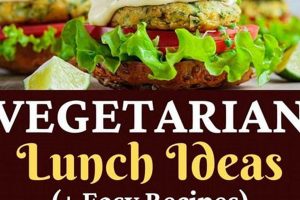
A guide detailing the steps and ingredients necessary to create a plant-based patty, utilizing lentils as a primary component, and intended to be served within a bun or similar bread. This culinary instruction provides an alternative to traditional meat-based burgers.
The creation of a meatless burger offers several advantages, including a potentially lower environmental impact compared to beef production. Lentils, being a good source of protein and fiber, contribute to a nutritionally dense meal option. The development of this type of recipe reflects a growing interest in plant-based diets and sustainable food choices.
The following discussion will elaborate on key aspects of crafting a palatable and satisfying meat-free patty, encompassing ingredient selection, preparation techniques, and various customization options.
Expert Recommendations
The successful execution of a lentil-based, plant-derived burger relies on adherence to specific preparation techniques and ingredient considerations. The following guidelines serve to optimize the outcome of said preparation.
Tip 1: Lentil Selection: Employ brown or green lentils, as red lentils tend to become overly soft, affecting structural integrity. Pre-cooking the lentils is essential; however, avoid overcooking to prevent a mushy consistency.
Tip 2: Moisture Control: Excess moisture is detrimental. Thoroughly drain cooked lentils. Binding agents, such as breadcrumbs or flaxseed meal, aid in absorbing residual moisture, ensuring proper patty formation.
Tip 3: Flavor Enhancement: Lentils possess a mild flavor profile. Incorporate aromatic vegetables, such as onions, garlic, and bell peppers, for depth. Herbs and spices, including cumin, smoked paprika, and chili powder, significantly enhance the overall taste. Consider the addition of umami-rich ingredients like soy sauce or nutritional yeast.
Tip 4: Binding Integrity: Binding agents are critical. A combination of breadcrumbs or oat flour and a flax egg (flaxseed meal mixed with water) contributes to a cohesive texture that withstands the cooking process.
Tip 5: Patty Formation: Form patties of uniform size and thickness to ensure even cooking. Firmly press the mixture together to create a dense structure, minimizing crumbling during cooking.
Tip 6: Cooking Method: Sauting or baking are viable options. Sauting yields a crispy exterior, while baking offers a more even cook throughout. For sauting, utilize a medium-high heat and a lightly oiled pan. Bake at 375F (190C) for approximately 20-25 minutes, flipping halfway through.
Tip 7: Resting Period: Allow the cooked patties to rest for several minutes before serving. This allows the internal structure to stabilize, further reducing the likelihood of crumbling.
Adherence to these guidelines will result in a more flavorful, texturally sound, and visually appealing result. Careful attention to lentil preparation, moisture management, and flavor enhancement are key determinants of success.
The subsequent sections will explore recipe variations and serving suggestions, building upon the foundational principles outlined above.
1. Lentil type
The selection of an appropriate lentil variety is a critical determinant in the structural integrity and textural characteristics of a meat-free patty. The inherent properties of each lentil type significantly impact the final quality of the product.
- Brown and Green Lentils: Structural Stability
Brown and green lentils maintain a relatively firm texture upon cooking. This attribute is advantageous in the context of meatless burgers, as it provides the necessary structural support to form a cohesive patty that retains its shape during cooking and consumption. Their ability to avoid excessive softening contributes to a more desirable mouthfeel and prevents the burger from becoming excessively mushy. Example: Using brown lentils in a recipe will result in a burger that holds its shape well on the grill.
- Red Lentils: Disintegration and Binding Challenges
Red lentils tend to break down considerably during cooking, resulting in a softer, almost puree-like consistency. While this characteristic can be beneficial in soups and stews, it poses a challenge in the creation of lentil-based burgers. The lack of structural integrity necessitates a greater reliance on binding agents to prevent the patty from falling apart. Additionally, the resulting texture may be less appealing to consumers accustomed to a more substantial burger. Example: Substituting brown lentils with red lentils may require adding more breadcrumbs to absorb water.
- French Green Lentils (Le Puy): Enhanced Texture and Flavor
French green lentils, also known as Le Puy lentils, offer a slightly firmer texture and a more distinct, peppery flavor profile compared to common brown or green lentils. Their enhanced textural stability and nuanced flavor make them a premium choice for lentil burgers, contributing to a more refined and sophisticated culinary experience. Their robust nature allows for a more robust patty that resists crumbling during cooking.
- Considerations for Blending Lentil Types
Combining different lentil types can be employed to achieve a specific balance of texture and flavor. For instance, a blend of brown lentils and a smaller proportion of red lentils might provide a desired level of creaminess while maintaining overall structural integrity. The precise ratio of lentil types should be carefully considered and adjusted based on the desired outcome. Example: Some recipes will use a small portion of red lentils to enhance creaminess without sacrificing shape.
In conclusion, the selection of the lentil variety directly influences the textural properties and binding requirements of a lentil-based burger. Brown and green lentils, including French green lentils, are generally preferred due to their ability to maintain structural integrity, whereas red lentils present challenges in terms of binding and texture. Careful consideration of the lentil type is therefore paramount in achieving a desirable and palatable result.
2. Binding agents
The structural integrity of plant-based patties relies heavily on the incorporation of effective binding agents. In a “vegan lentil burger recipe”, the lentils themselves, lacking the connective tissues present in meat, require external assistance to cohere. The absence of appropriate binding results in a crumbly, difficult-to-handle burger that disintegrates during cooking. For instance, without a binding element, cooked lentils will spread rather than maintain a distinct patty form when exposed to heat.
Binding agents function by creating a matrix that traps moisture and adheres the lentil particles together. Common examples include breadcrumbs (gluten-containing or gluten-free varieties), ground flaxseed meal (often mixed with water to form a “flax egg”), oat flour, or even mashed cooked vegetables like sweet potato. Each agent contributes unique textural qualities; breadcrumbs provide a more substantial bite, while flaxseed meal offers a slightly softer, moister interior. The specific choice of binding agent directly affects the final texture, mouthfeel, and structural resilience of the resulting plant-based burger. If inadequate binding agent is used, the burger may crumble apart during the cooking process, or be difficult to flip.
In summary, binding agents are indispensable for producing a palatable and structurally sound vegan lentil burger. The careful selection and appropriate proportioning of these elements are fundamental to achieving a cohesive and enjoyable eating experience. Failure to address this aspect leads to a compromised final product, unsuitable for consumption as intended. The ratio of binding agent to lentil mixture must be accurate to work as expected.
3. Flavor profile

The flavor profile of a “vegan lentil burger recipe” is a critical determinant of its overall palatability and consumer acceptance. Lentils, possessing a relatively mild and earthy base flavor, necessitate strategic flavor enhancement to achieve a satisfying and compelling culinary experience. The absence of well-defined flavors results in a bland and unappetizing product, irrespective of its nutritional value or textural attributes. For example, a lentil burger composed solely of cooked lentils and a binding agent would be considered lacking in flavor, highlighting the importance of complementary ingredients. The development of a successful lentil burger recipe hinges on a clear understanding of flavor interactions and the strategic application of herbs, spices, and other flavoring agents.
The flavor profile can be strategically manipulated through the incorporation of diverse ingredients. Aromatic vegetables, such as sauted onions, garlic, and bell peppers, introduce layers of savory depth. Herbs and spices, including cumin, smoked paprika, chili powder, and oregano, provide warmth and complexity. Umami-rich ingredients, such as soy sauce, miso paste, or nutritional yeast, contribute a savory richness often associated with meat-based products. Acidic components, such as lemon juice or vinegar, can balance the earthiness of the lentils and brighten the overall flavor. The selection and combination of these elements determines the ultimate flavor character of the burger, influencing its perceived quality and appeal. The correct mixture of herbs is crucial to the flavor.
In summary, the flavor profile is an indispensable element of a satisfactory lentil burger. A well-developed flavor profile elevates the dish beyond its basic components, resulting in a flavorful and enjoyable alternative to meat-based burgers. Without careful attention to flavor, the lentil burger will be underwhelming and less likely to gain acceptance among consumers. The careful choice of vegetables and spices is important.
4. Moisture content

The moisture content within a vegan lentil burger recipe is a critical factor influencing its structural integrity, texture, and overall palatability. Precise management of moisture is essential for achieving a cohesive patty that retains its shape during cooking and provides a pleasant eating experience. Deviations from optimal moisture levels can result in either an overly dry, crumbly burger or a mushy, unappetizing one.
- Impact on Binding
Excessive moisture inhibits the effectiveness of binding agents. When cooked lentils retain a high water content, binding agents such as breadcrumbs or flaxseed meal become saturated, reducing their ability to form a strong matrix. This leads to a weak, fragile patty prone to falling apart during handling and cooking. Conversely, insufficient moisture can prevent binding agents from fully activating, resulting in a dry and crumbly mixture. The proper balance allows the binding agent to create the necessary structure.
- Textural Implications
High moisture content contributes to a soft, mushy texture. While some degree of moisture is desirable for a pleasant mouthfeel, an excess renders the burger unpleasant and lacking in structural integrity. The burger may also become soggy if it is unable to release this moisture. Conversely, insufficient moisture results in a dry, dense, and often crumbly texture. Optimizing moisture creates a balance between a moist interior and a firm exterior.
- Cooking Considerations
Moisture content affects the cooking process. Excess moisture can lead to steaming instead of browning, resulting in a pale and unappetizing exterior. Additionally, high moisture content prolongs cooking time, as the excess water must evaporate before the burger can properly brown. Conversely, a lack of moisture can cause the burger to dry out and become hard or burnt before the interior is fully heated. Careful control over moisture levels facilitates even cooking and optimal browning.
- Ingredient Influence
The ingredients within the recipe significantly influence the overall moisture content. Cooked lentils, vegetables (such as onions, zucchini, or mushrooms), and wet binding agents (like flax eggs) all contribute to the overall moisture level. Drier ingredients, such as breadcrumbs or oat flour, can be used to absorb excess moisture. Understanding the inherent moisture content of each ingredient allows for strategic adjustments to achieve the desired consistency. The presence of too many water-filled vegetables could ruin the structural integrity.
In conclusion, moisture content is a central determinant of the quality and success of a vegan lentil burger recipe. A precise balance of moisture, achieved through careful ingredient selection and preparation techniques, is essential for achieving a structurally sound, texturally pleasing, and flavorful final product. Attention to moisture is crucial for avoiding both overly dry and overly mushy results.
5. Cooking method

The selection of an appropriate cooking method exerts a significant influence on the final texture, flavor, and structural integrity of a vegan lentil burger. The application of heat transforms the raw components into a cohesive and palatable dish. The method employed determines the degree of browning, moisture retention, and overall consistency of the finished product.
- Pan-Searing
Pan-searing involves cooking the burger in a skillet or frying pan over medium-high heat, typically with the addition of oil. This method promotes browning and caramelization on the surface, resulting in a crispy exterior and enhanced flavor. However, pan-searing requires careful monitoring to prevent burning and may not cook the interior of the burger evenly, especially if the patty is thick. The use of a cast-iron skillet can optimize heat distribution. Overcrowding the pan will reduce the heat and result in the burger steaming instead of searing. The constant monitoring is an important aspect of the process.
- Baking
Baking offers a more hands-off approach to cooking. The lentil burgers are placed on a baking sheet and cooked in a preheated oven at a moderate temperature. This method provides more even heat distribution, minimizing the risk of burning and ensuring the patty is cooked thoroughly throughout. Baking typically results in a softer exterior compared to pan-searing. The baking sheet must be coated with oil or parchment paper. Lower oven temperature settings usually result in a softer, evenly cooked burger.
- Grilling
Grilling imparts a smoky flavor and visually appealing char marks to the burger. This method involves cooking the patties over an open flame, either on a gas or charcoal grill. Grilling requires vigilance to prevent burning and may necessitate indirect heat cooking to ensure the interior is fully cooked without over-charring the exterior. Grilling is often perceived as more time-consuming than pan-searing or baking. The use of aluminum foil is often required on the grill surface to prevent falling apart.
- Air Frying
Air frying involves cooking the burgers in a specialized appliance that circulates hot air around the food. This method offers a lower-fat alternative to pan-frying, as it requires minimal or no oil. Air frying produces a crispy exterior similar to pan-searing, while also providing more even cooking throughout the patty. This may result in a burger with crispy outside and soft interior. The cook must be vigilant to avoid overcooking.
The optimal cooking method for a vegan lentil burger depends on personal preference and desired outcome. Pan-searing and grilling provide a crispy exterior and enhanced flavor, while baking offers a more hands-off approach with even cooking. Air frying is a lower-fat alternative. Regardless of the chosen method, careful monitoring and adherence to appropriate cooking times are essential for achieving a successful and palatable result. Adjustments to the recipe are sometimes needed when different method being used.
6. Patty shape

The configuration of a lentil-based burger patty influences cooking consistency, structural stability, and the eating experience. Uniformity in shape and dimensions contributes to even heat distribution and minimizes the risk of localized overcooking or undercooking, thereby impacting the overall palatability of the resultant burger.
- Diameter and Thickness
The diameter and thickness of the patty directly affect cooking time and the ratio of surface area to volume. Larger diameter patties require longer cooking times to ensure the center reaches a safe and palatable temperature. Excessive thickness can lead to an undercooked interior while the exterior is browned. Conversely, overly thin patties may dry out and become brittle during cooking. For instance, a patty exceeding 4 inches in diameter and 1 inch in thickness requires extended cooking, increasing the risk of a charred exterior. Conversely, a patty of similar diameter but only 0.25 inches thick risks drying out rapidly.
- Edge Definition
Well-defined edges contribute to structural integrity, particularly during handling and cooking. Crumbly or ragged edges increase the likelihood of patty disintegration. Sharp, clean edges, achieved through careful molding and pressing, help the patty retain its form throughout the cooking process. Recipes often recommend chilling the formed patties before cooking to further solidify the edges. An example of this is the use of a spatula when releasing patties from the cookie cutter and using the spatula for applying light pressure to the edges of the patty.
- Surface Area Consistency
A smooth and even surface area facilitates consistent browning and caramelization. Irregularities in the surface can result in uneven heat distribution, leading to some areas becoming overly browned while others remain pale. This is important for patties that are pan-fried or grilled. The use of a flat utensil for pressing the patty will help achieve this outcome. For instance, a smooth patty will brown evenly on the grill, while a rough surface may lead to localized burning.
- Shape Uniformity Within Batch
Uniformity in shape across multiple patties cooked simultaneously ensures consistent cooking times and predictable outcomes. When patties within the same batch vary significantly in size or thickness, some may be perfectly cooked while others are overcooked or undercooked. The use of measuring tools or a cookie cutter during patty formation contributes to batch consistency. Without uniform size and shape, some burgers within the batch are overcooked.
In summary, the shape of a lentil-based burger patty is not merely an aesthetic consideration but a critical factor influencing cooking performance and overall quality. Attention to dimensions, edge definition, surface area consistency, and batch uniformity contributes to a more predictable and satisfying culinary outcome. A perfectly shaped patty contributes to a more favorable consumer reception and appreciation for the recipe.
7. Resting time

Allowing adequate resting time post-cooking is a crucial step in preparing a palatable lentil-based, plant-derived burger. The resting period allows the internal structure of the patty to stabilize, thereby influencing its texture and structural integrity. Shortchanging or omitting the resting phase has tangible negative repercussions on the final product.
- Moisture Redistribution
During cooking, moisture migrates towards the center of the patty. Resting allows this moisture to redistribute more evenly throughout the burger. This redistribution prevents the patty from drying out excessively and contributes to a more uniform texture. For instance, a patty sliced immediately after cooking may exhibit a drier outer layer compared to a patty allowed to rest for five minutes, during which moisture diffuses from the center.
- Structural Stabilization
The binding agents within the patty require time to fully set after cooking. Resting provides the necessary time for these agents to solidify, increasing the patty’s structural integrity. This reduces the likelihood of crumbling during handling or when the burger is assembled. A lentil burger not allowed to rest is prone to falling apart when placed on a bun or cut.
- Temperature Equalization
Resting allows the temperature within the patty to equalize. This equalization ensures a more consistent eating experience, preventing pockets of excessively hot or cold filling. A lentil burger served immediately after cooking may have a scalding center while the outer edges have cooled, creating an uneven sensory experience.
- Enhanced Flavor Development
Flavor compounds continue to develop and meld during the resting period. Allowing the burger to rest permits the herbs, spices, and other flavoring agents to fully integrate, resulting in a more harmonious and complex flavor profile. For example, a lentil burger may taste noticeably more flavorful after a short resting period compared to one served immediately, as the spices have had time to infuse the lentil mixture fully.
In conclusion, the integration of a resting period is an indispensable component of a “vegan lentil burger recipe”. The improvements in moisture distribution, structural stability, temperature equalization, and flavor development collectively contribute to a significantly enhanced final product, underscoring the importance of this often-overlooked step. The resting period allows the burger to reach its full potential.
Frequently Asked Questions
The following section addresses common inquiries regarding the preparation and characteristics of lentil-based plant-derived patties. It aims to provide clear and concise answers to enhance understanding and optimize results.
Question 1: What is the optimal type of lentil for a vegan burger?
Brown or green lentils are generally preferred due to their ability to retain structural integrity during cooking. Red lentils tend to become overly soft and mushy, potentially compromising the patty’s texture.
Question 2: How can crumbling be prevented during cooking?
Effective binding agents, such as breadcrumbs or flaxseed meal, are crucial for preventing crumbling. Adequate moisture control and firm patty formation also contribute to structural stability.
Question 3: What are suitable options for enhancing the flavor profile?
Sauted aromatic vegetables (onions, garlic, bell peppers), herbs, spices (cumin, smoked paprika, chili powder), and umami-rich ingredients (soy sauce, nutritional yeast) can significantly enhance the flavor profile of the burger.
Question 4: Is it possible to prepare the patties in advance?
Prepared patties can be refrigerated for up to 24 hours before cooking. This allows the flavors to meld and further solidifies the patty’s structure. Ensure the patties are properly covered to prevent drying.
Question 5: What cooking method is best for a crispy exterior?
Pan-searing in a lightly oiled skillet over medium-high heat is effective for achieving a crispy exterior. Grilling can also impart a desirable char, although vigilance is required to prevent burning.
Question 6: Can this type of burger be frozen?
Cooked patties can be frozen for up to three months. To prevent freezer burn, wrap the patties individually in plastic wrap and then store them in a freezer-safe container. Reheating can be done in the oven, microwave, or skillet.
These answers offer practical insights into the preparation and characteristics of said patty. Understanding these aspects contributes to a more successful and satisfying culinary endeavor.
The subsequent section will address recipe variations and potential modifications, building upon the foundational principles outlined in previous sections.
Conclusion
This discussion has systematically explored the intricacies of crafting a plant-based burger utilizing lentils as the primary component. Key considerations encompass lentil selection, binding agents, flavor profiles, moisture management, cooking methodologies, patty form, and resting periods. Careful attention to these elements is paramount for achieving a palatable and structurally sound final product.
The information presented serves as a comprehensive guide for individuals seeking to produce a high-quality, meat-free burger alternative. Successful implementation of these principles will contribute to the growing movement toward sustainable and health-conscious dietary choices. Continued experimentation and refinement of techniques will further advance the culinary potential within this domain.